Most NFT projects didn't fail because of art or timing.
They failed because they priced people into the wrong behavior from day one.
When entry costs hundreds or thousands, you don't attract contributors. You attract exit seekers. I learned that the hard way after buying into mints that turned into Discords full of promises that never shipped.
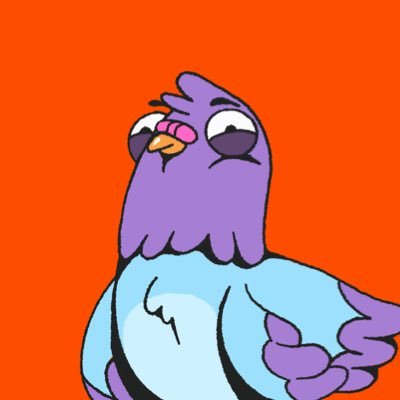
That is the problem Wingston from @rallyonchain is trying to fix.
Instead of paying to enter, you earn your spot by showing up. I spent hours working on a Rally post last night just to stay inside the weekly top ranks. That feels more honest than anything I experienced in the last cycle.
High mint prices filter for money.
This model filters for effort.
And effort is something you can't fake over time.
Once you earn a Wingston, it's not just a collectible sitting in your wallet. You can stake it for daily RLPs, join holder-only campaigns, and keep building your place inside the ecosystem.
Maybe the next version of NFTs won't be about who can afford to get in first.
Maybe it'll be about who actually stays.
1/4
I paid 0.3 ETH once for a JPEG that did nothing after mint. Wingston is the opposite bet. Free mint, 3,000 supply, Ethereum, July 7. Quoting the announcement because the structure underneath it is the actual story.
1/3
"Distribution is the only edge left."
The Brand Accelerator article nails the core crisis of modern Web3.
Ecosystems are expanding fast, but quality dApps are drowning. Building code is no longer the competitive moat. If you can't distribute, you don't exist.
@s3pehrX Giving up localized stability for digital leverage sounds good on paper, but physical spaces offer human-to-human connections that digital layers can never replicate.