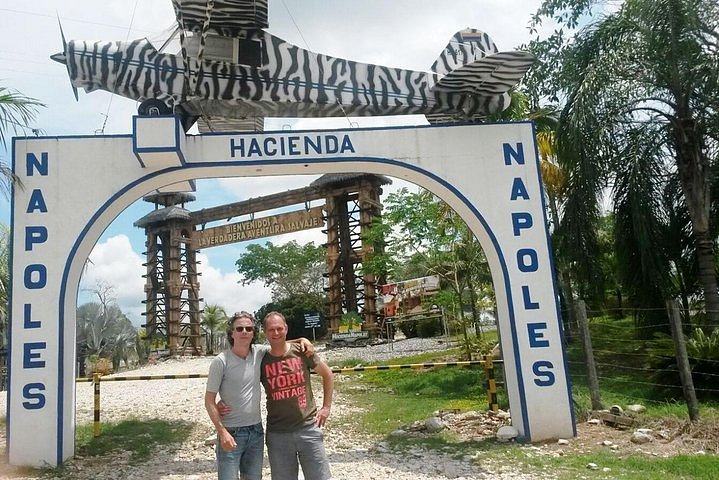
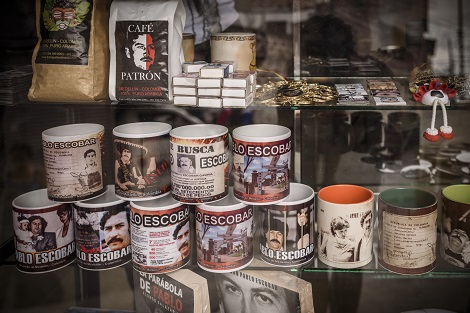
Because of this, narco-tourism has been strengthened: Napoles Farm, Pablo Escobar items, even his tomb. It brings also prostitution and drug consumption. As Colombians, many are offended by this image. However, because the economic situation, they have no choice.
@globalECH#GlobalizationECH Davidov describes the dynamics between traditionalist shamans and those who are not really shamans, but that this dynamic occurs in a tourism context. Likewise, we can see other examples similar to this one.
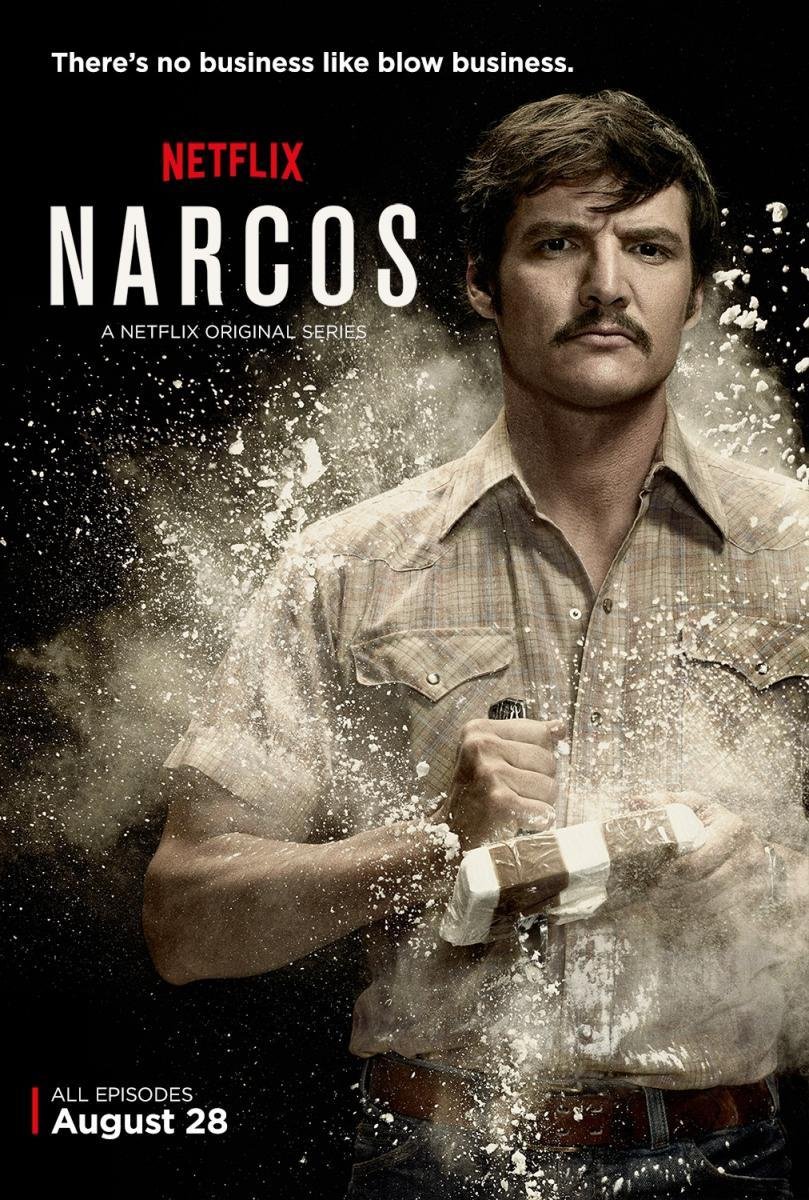
In Colombia, tourism has been strongly influenced by exoticization: drugs and prostitutes invade the image and discourse of Colombia abroad. This, reinforced (among many things) by projects such as the Netflix series Narcos.
At the same time that people seek to consume. The big industries take advantage of this to, under their own interests, overproduce. Through the exploitation of labor or natural resources, and thus, making products to sell and earn money, in order to start the vicious circle again
The Anthropocene is understood as the way in which human beings have influenced nature and ecosystems, through their dynamics motivated by culture. @globalECH#GlobalizationECH
For example, the culture of consumption is linked to the concepts of social classes. So the more you have, the more social class you have. This has led to the culture of consumption, and among this conspicuous consumption.
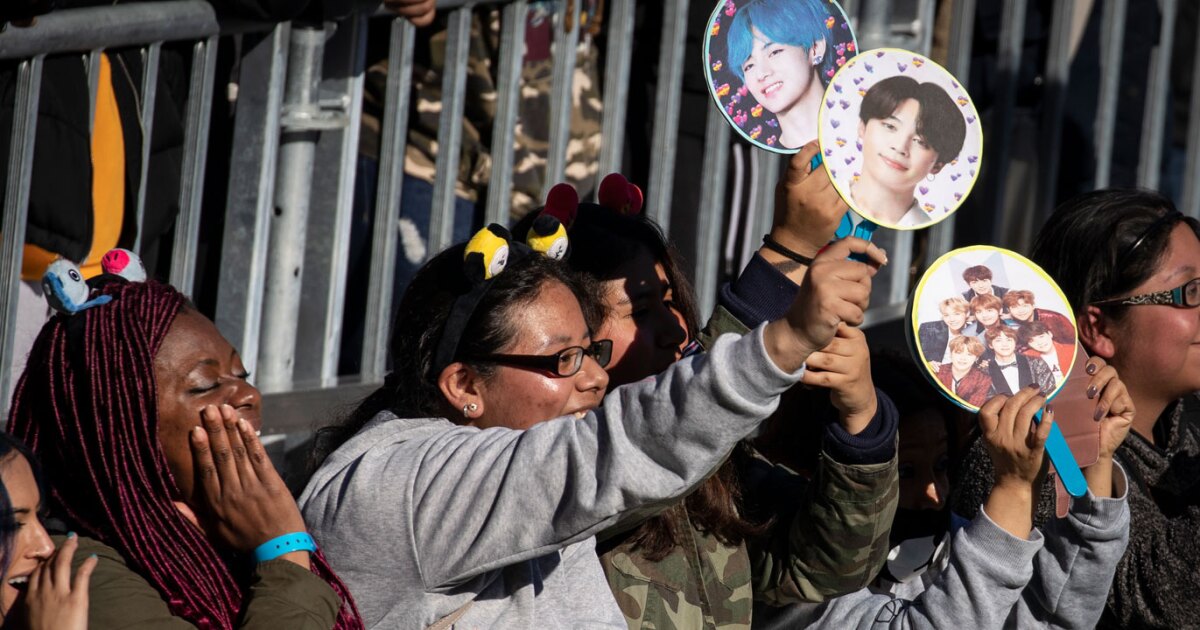
Such is the case of trends such as K-pop, which originally comes from Korea and which has been adopted in Latin America, they are called Kpopers.
#globalizationECH@globalECH
Globalization has also crossed cultural barriers This has occurred through markets such as music, which initially have a cultural discourse, that upon reaching other cultures, dynamics of adoption and adaptation of that external culture occur that are transformed into subcultures
This economic game, Redfield says there is an industrialization of humanitarian aid that is problematized with: the bureaucracy of the processes, the dependence on aid from governments and NGOs, and competition in the market, which leaves us wondering if people receive real help?
The first impression of the humanitarian crisis is an idea of international cooperation that, based on solidarity, will help people in need. However, this is only the mask of an international market that, by pretending to help, can affect. #globalizationECH@globalECH
Let's remember that the industry is valued at about 55 million USD, and its profits increase when they are an option to provide food for babies. The problem is that theme, when they are not well-fed, are more likely to suffer from diseases or deficiencies.
It is possible to imagine any market with a product or service, like phones, customer service, a t-shirt. But what happened when the product and the service are women? That's the transnational problem: sexual trafficking of women#globalizationECH @globalECH
This is a terrible market, where women are forced to get into it. The worst part, is that are man who “buy” this experience, the thing here is there's not a woman dignity, and they are seen as sexual object.