Huazhong University Union Shenzhen Hospital, 80 patients.
In this nonrandomized pilot, nebulized stem cell vesicles cut post-COVID cough resolution by 6 days.
Plasma cells also fell, hinting at immune modulation.
https://t.co/Zq79FJg5QY
Dr. Sean Miller is leading efforts to identify non-invasive retinal biomarkers for neurological Long COVID. The retina, which shares functional properties with the brain, acts as a window to observe infection-triggered neurodegenerative protein aggregation—which may be implicated in symptoms such as cognitive dysfunction in this patient population.
“We’re finding amyloid-β aggregation within these retinal organoids [derived from Long COVID patients], suggesting that SARS-CoV-2 is perhaps inducing antimicrobial protein aggregation pathways,” said Miller. A similar phenomenon occurred when retinal organoids derived from healthy individuals were exposed to S1 protein, resulting in α-synuclein deposition.
“Then we think about co-pathology that exists between Alzheimer’s and Parkinson’s disease patients—and that’s where these anti-microbial peptide aspects tie in together.”
Severe COVID-19 may awaken viruses that have remained dormant for decades.
➡️ New research shows that severe SARS-CoV-2 infection can trigger the reactivation of latent herpesviruses, including Epstein–Barr virus (EBV), cytomegalovirus (CMV), and HHV-6/7. Rather than being innocent bystanders, these reactivated viruses may amplify inflammation, worsen tissue injury, and contribute to prolonged recovery. 1/
#LongCOVID may be a disease of chronically stressed blood vessels.
➡️ A new study reveals that people with LongCOVID have persistent endothelial injury, accompanied by activation of necroptosis (programmed inflammatory cell death) and autophagy (cellular stress response) in both immune cells and circulating endothelial cells.
➡️ These abnormalities were linked to impaired autonomic function, reduced heart rate variability, endothelial dysfunction, and a prothrombotic state. 1/
The last sentence of the piece. Talk about burying the lede...
"Millions of people in the US are also living with long Covid, a chronic condition with wide-ranging symptoms – including fatigue, difficulty breathing, neurological and digestive issues – that can persist months or years after a Covid-19 infection. Estimates vary, but one recent study suggests that 1 in 6 people who are infected with Covid-19 may develop the condition."
https://t.co/ShuU1pKIyz
🔥"Association of Anelloviridae with long COVID."
You may now need to read this study:👇
"The mysterious anelloviruses: investigating its role in human diseases"
https://t.co/UeLUYPnotS
Brain fog in #LongCOVID may not be one disease—but several distinct brain disorders.
➡️ Using advanced MRI network analysis, researchers identified two neurobiologically distinct subtypes of LongCOVID with cognitive symptoms.
➡️ One subgroup showed objective gray matter loss in the cerebellum and putamen, while the other had no detectable structural abnormalities, highlighting striking biological heterogeneity. 1/
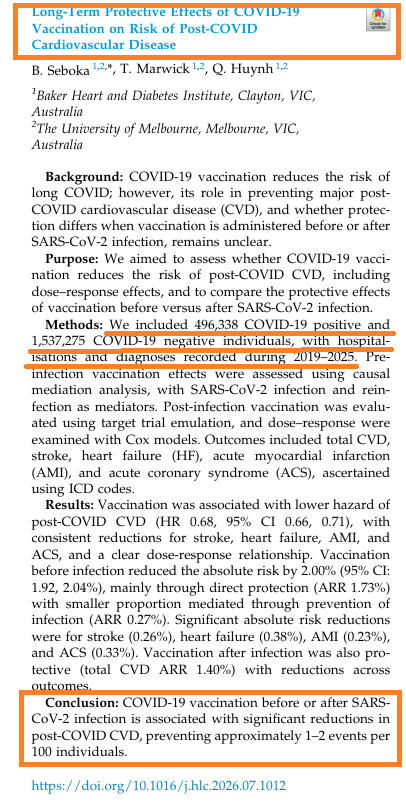
Long-Term Protective Effects of COVID-19 Vaccination on Risk of Post-COVID Cardiovascular Disease.
🚨Interesting Australian paper🤔
"COVID-19 vaccination before or after SARSCoV-2 infection is associated with significant reductions in post-COVID CVD, preventing approximately 1–2 events per 100 individuals."
#AvoidSars2 #AvoidReinfections
https://t.co/NA7c0WzWHh
New @patientled-funded study on haptoglobin after PEM in #LongCovid!
Everyone is born with 1 of 3 types: Hp1-1, Hp2-1, Hp2-2.
The team found that Hp2 groups, esp Hp2-2, were less likely to recover from PEM & had less brain oxygen extraction than Hp1.
https://t.co/3dFnavEceK 1/
Severe Covid leads to persistent viral reactivation, with >10 different viruses noted in the first 40 days after hospital admission.
Long Covid was specifically associated with reactivation of latent Anelloviridae virus
Work based on 1,154 patients in 20 centers and >200,000 samples
@nature
https://t.co/IjhNhT1HRX
From a study of patients who had been previously hospitalized or treated in primary care after COVID-19 infection,
"At 18 months, the scores on most cognitive tests were significantly below expected premorbid levels..
At 36 months, deficits persisted in most domains..
Fatigue remained high across all dimensions of MFI-20, and 75–78% of patients exceeding the mental fatigue cut-off of MFS.
Self-reported cognitive impact and activity limitations showed minimal change over time.
[In conclusion,] Post-COVID-19 cognitive dysfunction and fatigue remain prevalent for up to three years post-infection, particularly affecting attention, processing speed, and working memory."
Therefore, they easily forget these problems.
'Neuropsychological consequences three years post-covid-19 are persistent and have great impact on everyday activities'
https://t.co/ZrRNcZlcjL
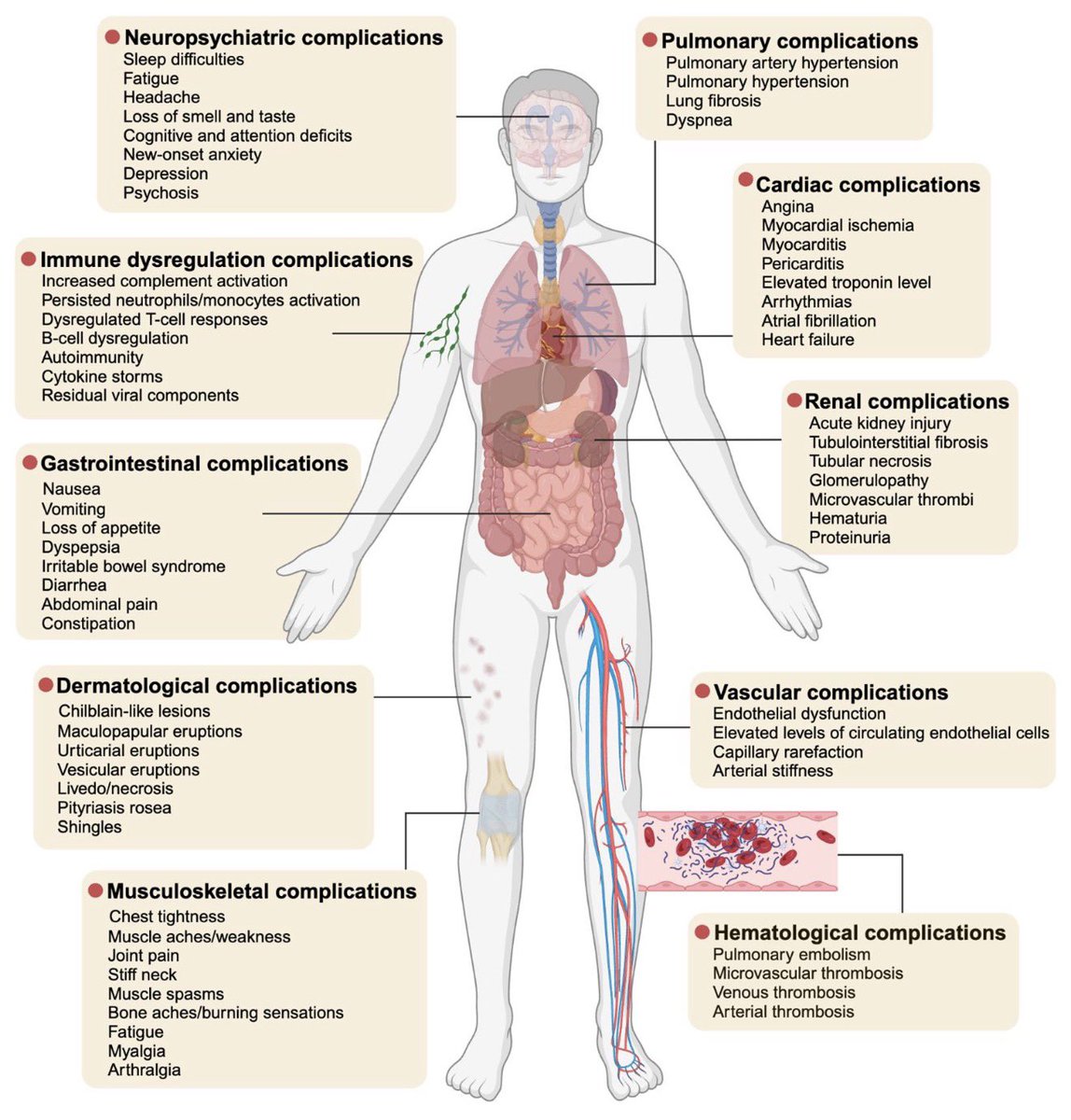
Six years into the pandemic, COVID-19 is no longer just an acute respiratory illness—it has become a chronic public health challenge.
A new review highlights how our understanding has evolved:
➡️ #LongCOVID has emerged as one of the pandemic’s most significant legacies, with persistent symptoms affecting multiple organ systems and substantial impacts on quality of life.
➡️ At the same time, vaccines and early antiviral treatment have dramatically reduced severe disease and are increasingly being investigated for their role in lowering the risk of LongCOVID. 1/
Universiti Putra Malaysia, 24 donors.
In vitro, older T2DM serum plus SARS-CoV-2 spike increased vessel leak and adhesion signals, lowered ACE2, and raised Ang II, linking vascular dysfunction to lung cell injury.
https://t.co/yVZScol780
From a cohort study of 246 students (mean age: 22) of university in Nanjing, China,
"[among those with] prior COVID-19 infection, 82 (33.33%) developed Long COVID syndrome, with alopecia (36.59%), memory decline (28.05%), and sleep disturbances (28.05%) being the most prevalent symptoms..
depressive symptoms may be positively associated with Long COVID (adjusted OR = 8.235)..
A bidirectional relationship may exist between depressive symptoms and Long COVID syndrome.."
Yes, alopecia can cause depression.
'Analysis of epidemiological characteristics and influencing factors of Long COVID syndrome among university students in the post-pandemic era'
https://t.co/a1lEt9THRJ
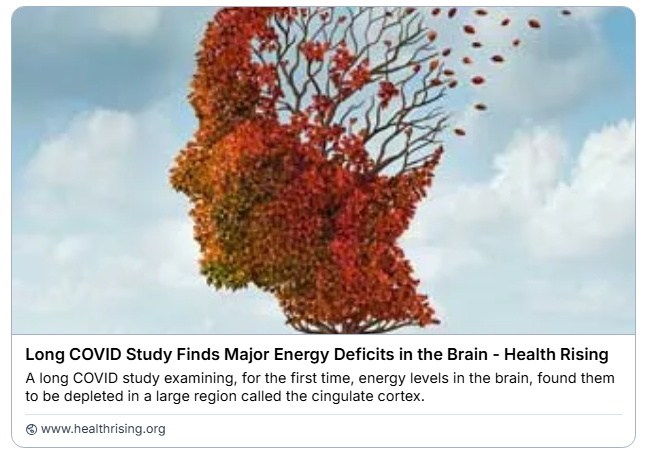
Your brain uses about 20% of your body's energy. A study found people with Long COVID had lower energy in a key brain region, helping explain brain fog and fatigue.
Creatine may help cells deliver ATP energy, but like any supplement, it's probably not the answer on its own.
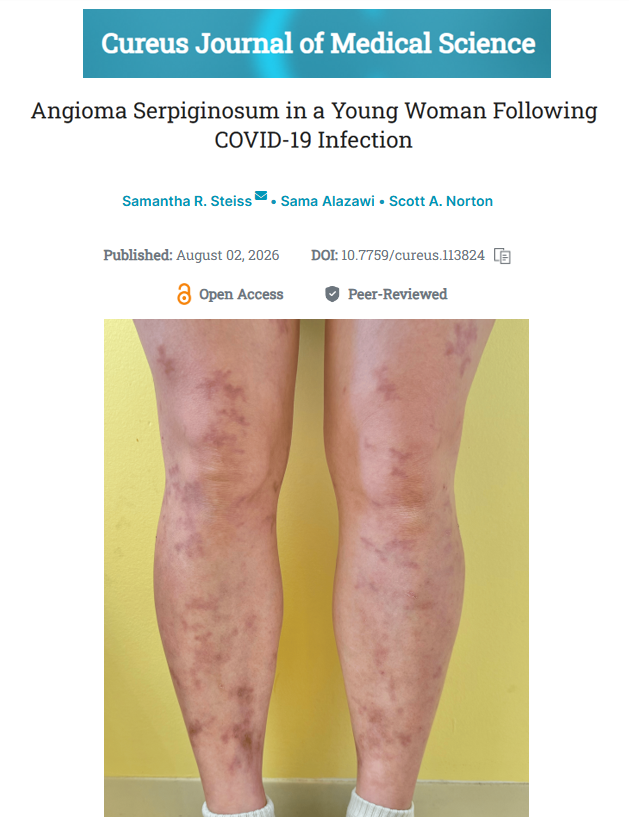
A case study found a 25-year-old woman developed a rare blood vessel skin condition one month after COVID-19 infection. Researchers say it adds to growing evidence that COVID-19 can damage blood vessels and may trigger unusual vascular conditions after infection.
The effects of prenatal COVID-19 exposure may not become apparent until the second year of life.
➡️ In this prospective cohort, infants exposed to maternal SARS-CoV-2 infection during pregnancy appeared to develop normally at 12 months, yet by 22 months, more than half (52%) showed developmental impairment, with language delay emerging as the most common deficit. One in five children had delays across cognitive, language, and motor domains. 1/