Diagnostic ultrasound to inform the surgical approach to cesarean delivery in patients at high risk for placenta accreta spectrum disorders https://t.co/rc7akSVIIT
Cesarean scar defect in the cervix, corresponding cerclage height and level of the sphincter: further evaluation is needed to verify whether either approach has a benefit https://t.co/AyW6fsJ8vP
Endometriosis affects one in ten people, yet diagnosis is often delayed for many years due to reliance on surgery, limited specialist training and barriers to accessing appropriate care.
A study led by members of the FIGO Committee on Reproductive Medicine, Endocrinology and Infertility (REI), now published in the International Journal of Gynecology & Obstetrics (IJGO), shows a significant global move towards using non-invasive imaging, particularly specialist ultrasound and MRI to diagnose endometriosis.
Read more: https://t.co/oOL6p9wEb6
AJOG Expert Review: Formation of the placental membranes and pathophysiological origin of associated great obstetrical syndromes https://t.co/8PZoSbA2A5
Every baby matters. Every story matters. This month, we stand with parents grieving the loss of their little ones and commit to raising awareness and support. 💜
AJOG Expert Review: Placenta at single-cell resolution in early and late preeclampsia: insights and clinical implications - Proposed classification of Preeclampsia Types I and II https://t.co/H0qlGJih6V
📢 A historic moment in maternal health at FIGO President’s Session!
WHO, FIGO and ICM have launched the first-ever joint global guidelines for the prevention, diagnosis and treatment of postpartum haemorrhage (PPH).
“It is not just a document, it is a commitment to do better…we have a responsibility to save lives and have health systems that move fast enough.” — Prof Pascale Allotey, HRP Research WHO
Read the full press release on the new consolidated guidelines and be part of the global movement to end PPH deaths: https://t.co/CGBRCo0n2B
👉 #PPHGuidelines #FIGO2025 #GlobalHealth #ZeroPPHDeaths #SaveLives #EndPPH @PascaleAllotey
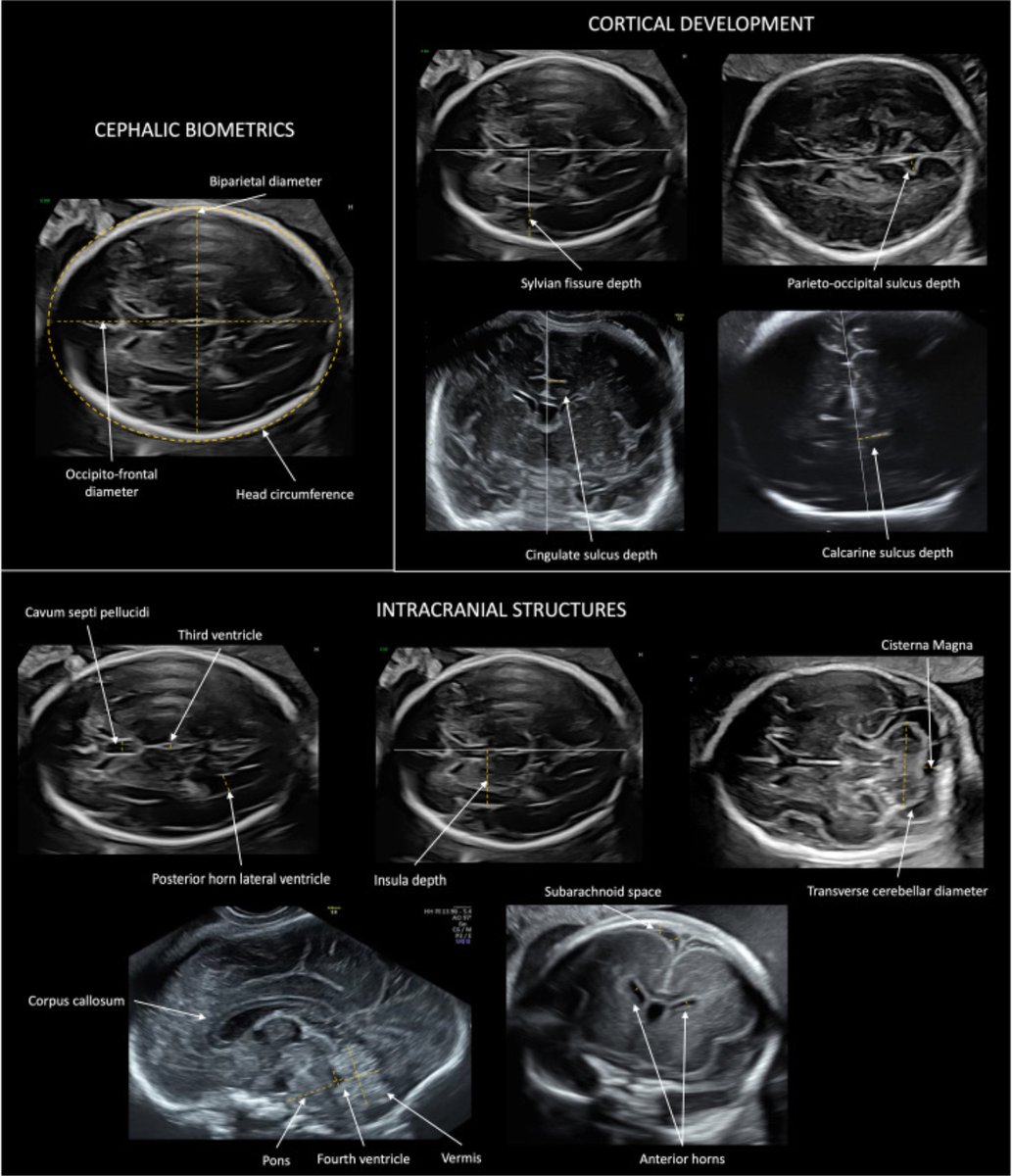
Evidence of brain injury in fetuses of mothers with preterm labor with intact membranes and preterm premature rupture of membranes https://t.co/CFCGnbNa5I
Youssef et al. demonstrate that sFlt-1/PlGF ratio alone has a low predictive value for adverse perinatal outcome, but when combined with EFW, its predictive performance is similar to that of the combination of EFW and Doppler parameters. Read in the March #UOGJournal: https://t.co/t6EB3iefgw
Nuestra nueva publicación: El ratio sFlt-1/PlGF, combinado con EFW y Doppler, mejora significativamente la predicción de complicaciones perinatales y puede anticipar preeclampsia en embarazos con fetos pequeños. Es UN criterio adicional, no un BIOMARCADOR ÚNICO.
🧠✌️☺️ @ISUOG
@SSSALUD
Dentro de la patología crónica no se considera el uso de colirio sin preservantes para las personas con síndrome de sjogren más cirugía ocular (vitrectomia y cataratas) los colirios son de uso frecuente y son más caros que los que tienen preservantes.
Congratulations to UCLH for the first randomisation of 2025!!! What an exciting year ahead for the TRUFFLE 2 Study! Keep up the good work investigators 🤩
Preterm birth is the leading cause of perinatal mortality and morbidity, with three-quarters of neonatal deaths occurring in babies born preterm. It is also the leading cause of child death in the UK.
Proud to contribute to the evidence that informed the report published today 'Preterm birth: reducing risks and improving lives' by the House of Lords Preterm Birth Committee. The report has addressed national targets, inequalities and the research needed, as well as the recommendations proposed to the governments and key stakeholders.
https://t.co/q6VQYQ5VI4