In my latest for @acmideast, I argue that the regional reconfiguration presents opportunities for #Syria and the #EU to strengthen their partnership, boosting Syria’s position as a strategic hub, and broaden cooperation with Gulf countries.
https://t.co/AxjIOUIEao
Le plus inquiétant au Liban au-delà de la guerre, c'est ce qu’elle libère, révèle et normalise entre les communautés. Dans cette tribune que je publie dans @LOrientLeJour je reviens sur l’ampleur de la haine désormais assumée, sur l’échec des faux retours à la normale, et sur les futurs réellement plausibles qui se dessinent si le pays continue d’éviter le travail de vérité, de mémoire et de responsabilité. https://t.co/rx3hmwdYpn
In our new @ForeignAffairs piece, @nktpnd and I examine how Iran’s deterrent unraveled and what that failure signals for future nuclear aspirants. https://t.co/QmHJKzv62o
Insightful article by @GregoryPWaters on developments at the community level in western #Syria, with excellent recommendations on how to support peace and social cohesion, especially in rural areas.
https://t.co/dnWpkJ6dhW
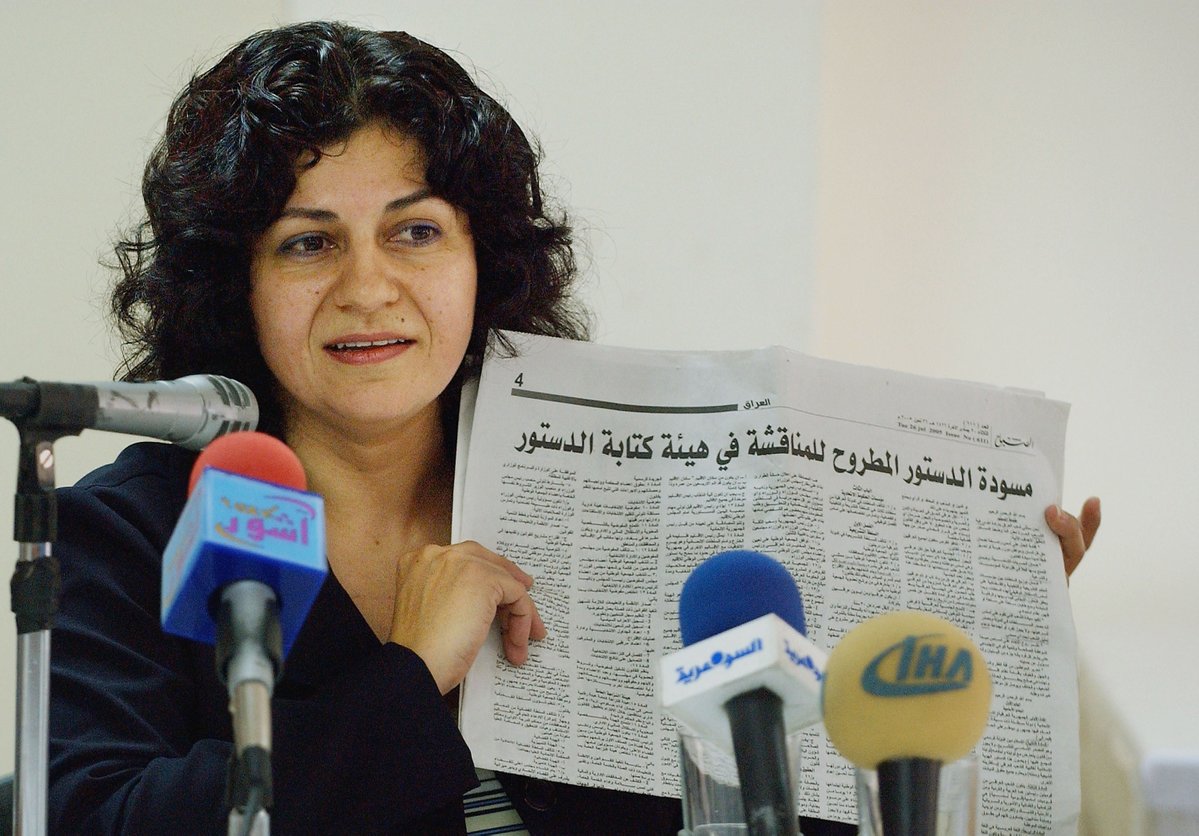
Yanar Mohammed, a leading Iraqi feminist and co‑founder of the Organisation of Women’s Freedom in Iraq, was assassinated outside her home in Baghdad on March 2, 2026.
For more than two decades, Yanar was one of Iraq’s most courageous advocates for women’s rights.
The Gulf: Mediation has become unappealing
RIYADH—Causalities are a tragic inevitability of war, and diplomacy in the region is now one of them. Despite the immense investment in rapprochement over the past years, this war and the unfolding events associated with it indicate that the region has entered a post-rapprochement era and is heading toward calculated militarization.
The Arab Gulf states have been restructuring their respective economies in the hopes of making them more diversified and attractive for tourism and investment. These states knew this could not happen in a turbulent region. Given US reluctance to provide security guarantees for Arab Gulf states, Gulf-Iran rapprochement was necessary.
This rapprochement was a laborious and taxing psychological approach, akin to a psychologist dealing with a traumatized patient with violent outbursts. But there was a genuine conviction that dialogue was the best way of achieving Gulf security. That approach is now upended.
What compounds this dilemma is that both Iran and Arab Gulf states, especially the mediators (Oman and Qatar), believe that mediation has caused more insecurity for them, whether in the form of Israeli strikes on Doha in September 2025 or the strikes on Oman on Sunday or Iran being struck twice as negotiations were taking place. Mediation—particularly involving Iran and Israel—has become unappealing.
A post-Khamenei Iran that will most likely be confrontational is emerging in tandem with the Arab Gulf states recalculating their approach toward Iran. As a result, the mode of diplomacy in Arab Gulf states will be far more proactive in building their deterrence via capabilities rather than alliances.
— @AzizAlghashian is a senior nonresident fellow at the Gulf International Forum.
It’s hard to take the current rush to nuclear talks seriously when the crisis in Iran didn’t start with centrifuges, it started with the regime’s violent repression to stay in power. 🧵
Breaking the authoritarian wave and standing up for human rights is a generational challenge.
Today, Human Rights Watch launches our World Report 2026, documenting the events of 2025. #Rights2026
Learn more: https://t.co/9ghfo1P3aC
After the SDF withdrawal from Aleppo, @IamArwaDamon@OmerOzkizilcik@GregoryPWaters@MarieForestier unpack why violence erupted, what it means for Kurdish and wider minority safety under the new Syrian government, and how Washington is engaging. 👇
https://t.co/Xbs6UCjfvr
In parts of Syria local civilians & officials have worked together to build trust, improve communication and maintain peace in their areas
@Kay_Koontz & I have spent months meeting these activists & local security officials to understand this powerful tool
https://t.co/VvsMoexwc3
In a positive step, the Syrian Justice Minister announced that public trials for those accused of violations during the March coastal violence will be held soon. It’s essential that victims' families are informed and able to attend. https://t.co/g7jF9hUxmE
1/3 With #Syria’s (indirect) #parliamentary#elections less than a week away, I’ve put together an explainer on how the process works and the key issues to watch. A guide for both experts and observers.
https://t.co/HpSCvwoNAB
1. 🧵 Last week, I ended the piece with asking whether the GCC countries will respond in a collective, proportionate manner to Israel’s attack on Qatar. Since then, several steps have been taken:
As Syria’s indirect electoral process gets underway, the Syrian authorities and civil society should take three steps to increase women’s chances in this process, writes @MarieForestier.
Read more below:
https://t.co/EHAcIoQ2S9
Syria is set to form a transitional legislative assembly by the end of this month with a quota set for at least 20% of women in the electoral committees.
@MarieForestier explains why Syrian women’s political participation continues to face hurdles.
https://t.co/jIDTe2t1CQ
The recent sectarian violence that gripped Syria has highlighted the lack of a comprehensive reconciliation process since al-Sharaa took over last December.
@MarieForestier explains why a “winner takes all” approach won’t work for Syria.
https://t.co/az5Ac9SjMd
The recent sectarian violence that gripped Syria has highlighted the lack of a comprehensive reconciliation process since al-Sharaa took over last December.
@MarieForestier explains why a “winner takes all” approach won’t work for Syria.
https://t.co/jh0ioecFND
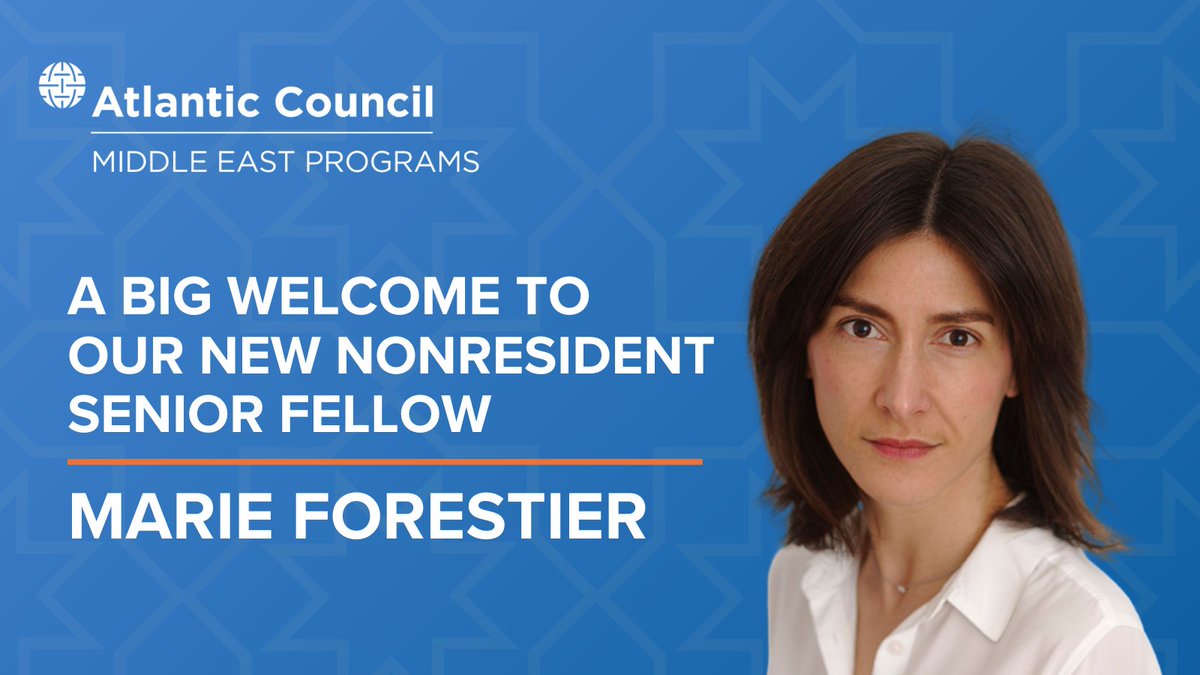
🎊 We’d like to offer a warm welcome to @MarieForestier as #ACSyria’s newest nonresident senior fellow!
She is also currently a consultant @Eurpeace where she provides strategic policy advice to diplomats and international stakeholders on the Syrian political process.
Read more: ➡️ https://t.co/7c7lM0SgPl