@MaiTruong0526 I taught a seminar on the exact topic last year (albeit for undergraduates), I'd be happy to send you the syllabus if you want. I also did a fun simulation exercise with the students that I can also send along.
🗳️ In collaboration with my great colleague @LuisaSalazarE, we crafted an article for #ColombiaInternacional, the pol journal of @CPolUniandes, regarding the risk factors of violence in candidacies for the legislative elections of 2022. Here, we present a summary in this thread👇
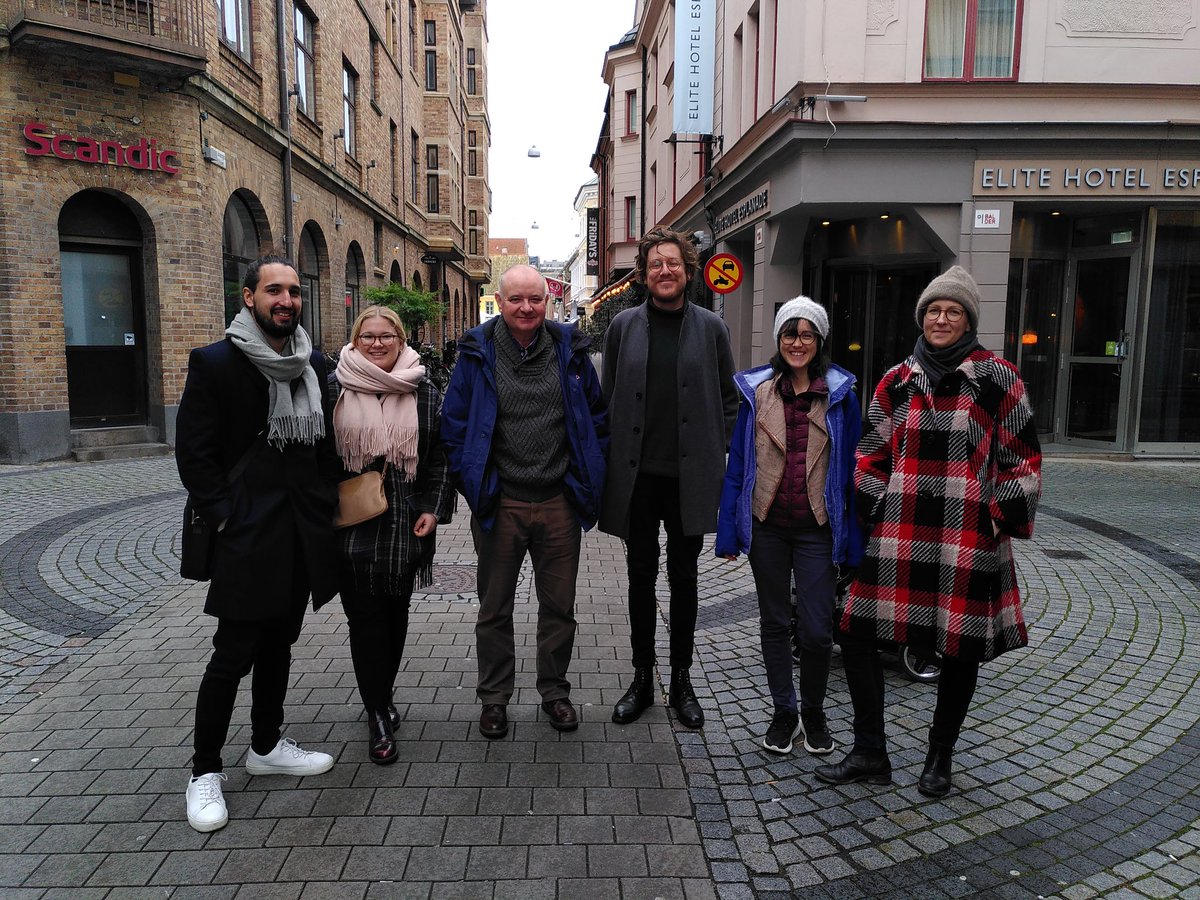
Ever wondered how many postwar cities there are, where they are located, and how they can be compared? We did too! Check out the results — open access and coauthored with Emma Elfversson and Brendan Murtagh — below.
https://t.co/aqFwNAHtAb
So proud my first journal article is out! It looks at the concentration of conflict-related violence in postwar Mitrovica. Big thanks goes to @emmaelfversson and @ivan_gusic for making my first publishing process so smooth and enjoyable! 🥳
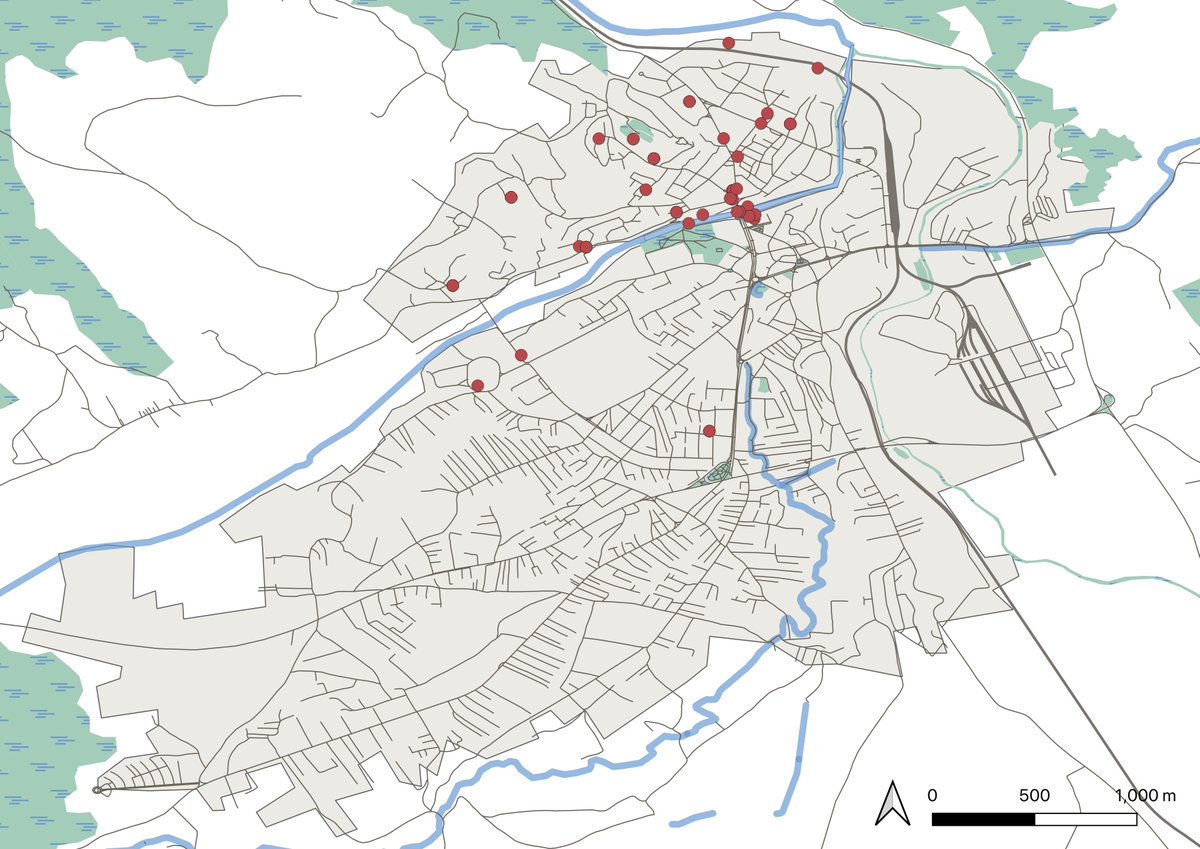
The first article in our project on urban violence in postwar cities is out! We geocode conflict-related violence in Mitrovica between 1999-2019 and then explore why it concentrates at the main bridge. More cities to follow!
https://t.co/wZ7HnTZAFr
❗️ JOB ALERT! ❗️
💻Me and @ivan_gusic are looking for a research assistant to join our project on conflict-related violence in postwar cities at @UU_PoliSci (1 year, fulltime, based in Uppsala)
🗓️Deadline 9th December 2022
➡️Read more & apply: https://t.co/wD78oDsXyV
Our chapter "Geocoding as a Method for Mapping Conflict-Related Violence" in the Palgrave Encyclopedia of Peace and Conflicts Studies is now out!🎉 It includes helpful insights on some of the challenges and solutions in geocoding violence for anyone interested in using such data.
Are you interested in collecting or using geocoded data on conflict related violence? Check out the recent chapter in the Palgrave Encyclopedia of Peace and Conflict Studies by @ivan_gusic, @HaThaoNguyen,
@MarieTh_Meye and me: https://t.co/FVYgINlNOf