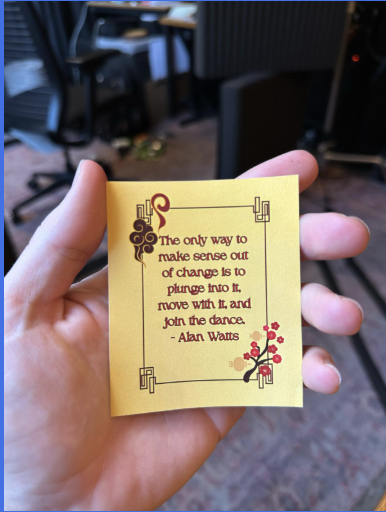
That quote lands.
Most founders try to manage change from a distance. Analyze it. Control it. Delay it.
But growth doesn’t work that way.
At a certain point, the only option is to step into it.
I’ve felt this most when a business starts to outgrow me.
The decisions get bigger. The pace picks up. The old ways of operating start to break.
You can fight that, or you can move with it.
Redefine your role. Build leaders. Let the system evolve.
That’s the shift.
Not stepping back, but stepping in differently.
Every now and then you sit down with someone and realize they’re operating on a different timeline.
That was this conversation with Daniel Innovate on the Parallel Entrepreneur podcast
He’s building across design, AI, and multiple ventures at once, but what stood out to me wasn’t just what he’s doing, it’s how quickly he moves from idea to reality.
Things that used to take months are happening in minutes, and it changes the way you think about what’s possible.
We covered a lot of ground, creativity, technology, identity, even how all of this is reshaping relationships, but it all comes back to one idea: we’re entering a very different kind of building era.
Episode drops soon. I think you’ll get something out of this one.
I still remember the first time I walked into Puckett’s.
I had just moved to Tennessee. Didn’t really know where I was going, just driving through the countryside until I found this small place that didn’t quite fit a category. Grocery store… diner… live music… people who clearly knew each other.
And I remember thinking, what is this… and why does it work so well?
That was my introduction to Andy Marshall.
Andy joined me on the latest episode of The Parallel Entrepreneur. We’ve known each other a long time, so this one felt more like picking up a conversation than starting one.
Andy has always paid attention to the people in front of him first.
The growth came later, and somehow, it never lost that original feel.
That’s a much harder path than it sounds.
We spend some time on the parts most people skip:
• what it actually takes to build something people come back to…
• how to hold onto identity as things grow…
• and the discipline it takes to stay with something long enough for it to matter.
And now he’s stepping into something new, running for Mayor of Williamson County.
If you know his story, it makes sense.
If you don’t, this is a good place to start.
Full episode on YouTube: https://t.co/H7dBBaG4q8
A business becomes far more valuable once second-tier leadership has real depth.
Not just one strong operator, but a layer of leaders who have been tested—running meaningful parts of the company, making decisions, carrying outcomes.
Buyers look for it. Investors look for it. Employees feel it.
Because once leadership depth exists, the business no longer depends on the founder's constant involvement to keep moving.
It gains durability. And that value increases as leadership proves itself over time through cycles, pressure, and results.
Developing that kind of depth takes time, trust, and deliberate delegation.
But it’s one of the most important transitions a growing company can make.
#LeadershipDevelopment #MABasics #BusinessGrowth
Founders operate at full capacity.
Full calendars, constant calls, nonstop problem solving.
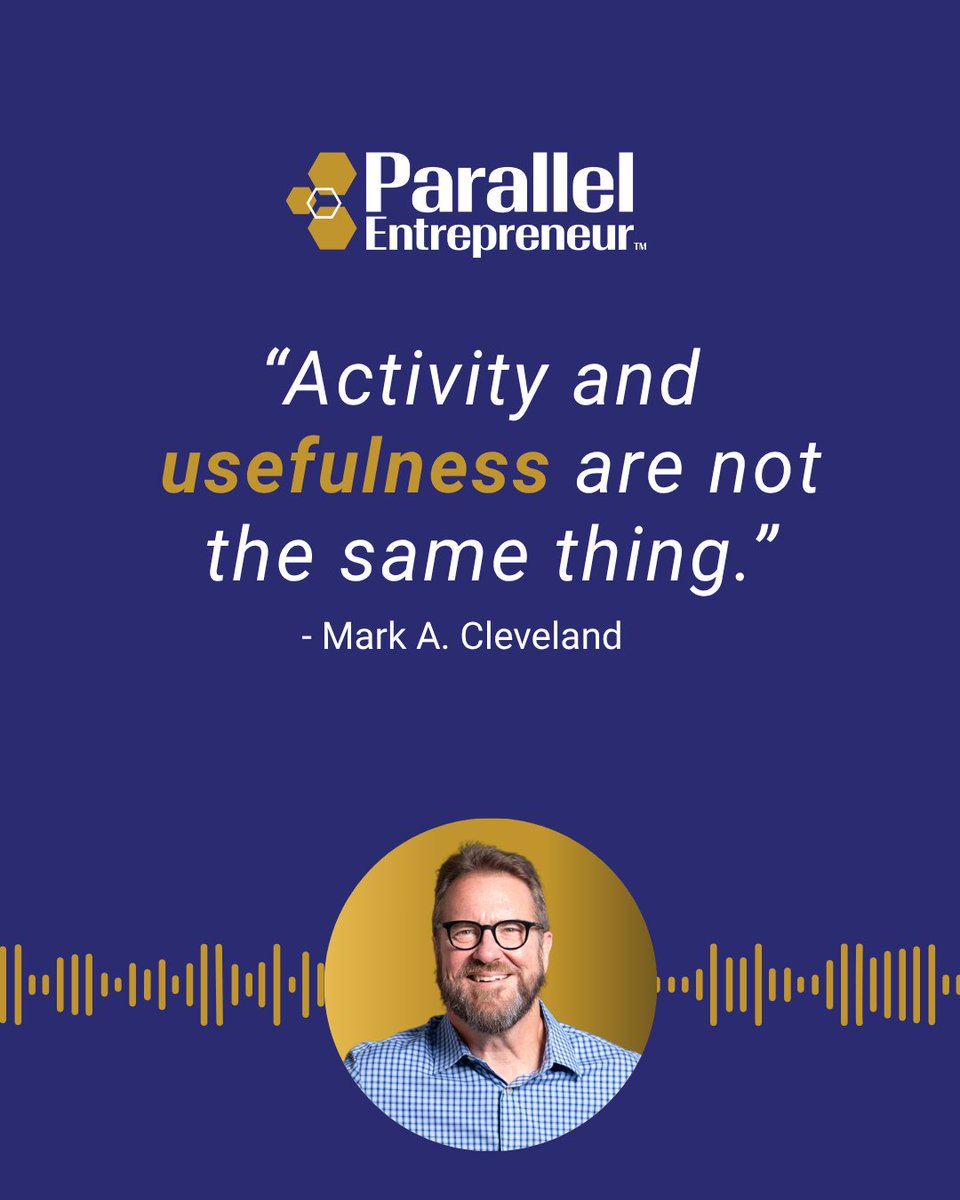
Activity and usefulness are not the same thing, though.
The most effective founders aren't asking, “What needs my attention today?” They're asking, “Where do I uniquely create value?”
Some decisions truly require the founder’s judgment. Many others simply require clarity, context, and capable leadership.
When founders concentrate their energy where it actually moves the business forward, everything starts to work better.
Not less effort. Better placement of effort.
#FounderLife #LeadershipClarity #Entrepreneurship #BusinessDesign #ExecutiveFocus
Growth is one of the most celebrated metrics in business. It’s also one of the most misunderstood.
Not all growth creates value. Some growth simply adds complexity faster than the organization can absorb it.
New customers, new geographies, new services, new hires. Each layer introduces decisions, dependencies, and operational strain.
The companies that scale well are not just pursuing growth. They are building the operating structure that can support it.
Processes become repeatable. Leadership expands. Information flows cleanly.
Growth without structure increases fragility. Growth with structure increases enterprise value.
#BusinessGrowth #Leadership #ValueCreation #ScalingCompanies #Entrepreneurship
One of the quiet risks inside many growing companies is founder availability.
When the founder is always reachable, always deciding, always solving, teams stop building the muscle to operate without them.
It feels efficient in the short term. Decisions move quickly and problems get resolved.
But over time the organization adapts around that pattern. Leaders defer upward, small issues wait for approval, and the business slowly becomes dependent on a single person’s capacity.
Good leadership is not measured by how many decisions you make.
It’s measured by how many decisions the organization can make well without you.
That shift doesn’t happen accidentally. It has to be designed.
#Leadership #FounderMindset #BusinessSystems #ScalingCompanies #Entrepreneurship
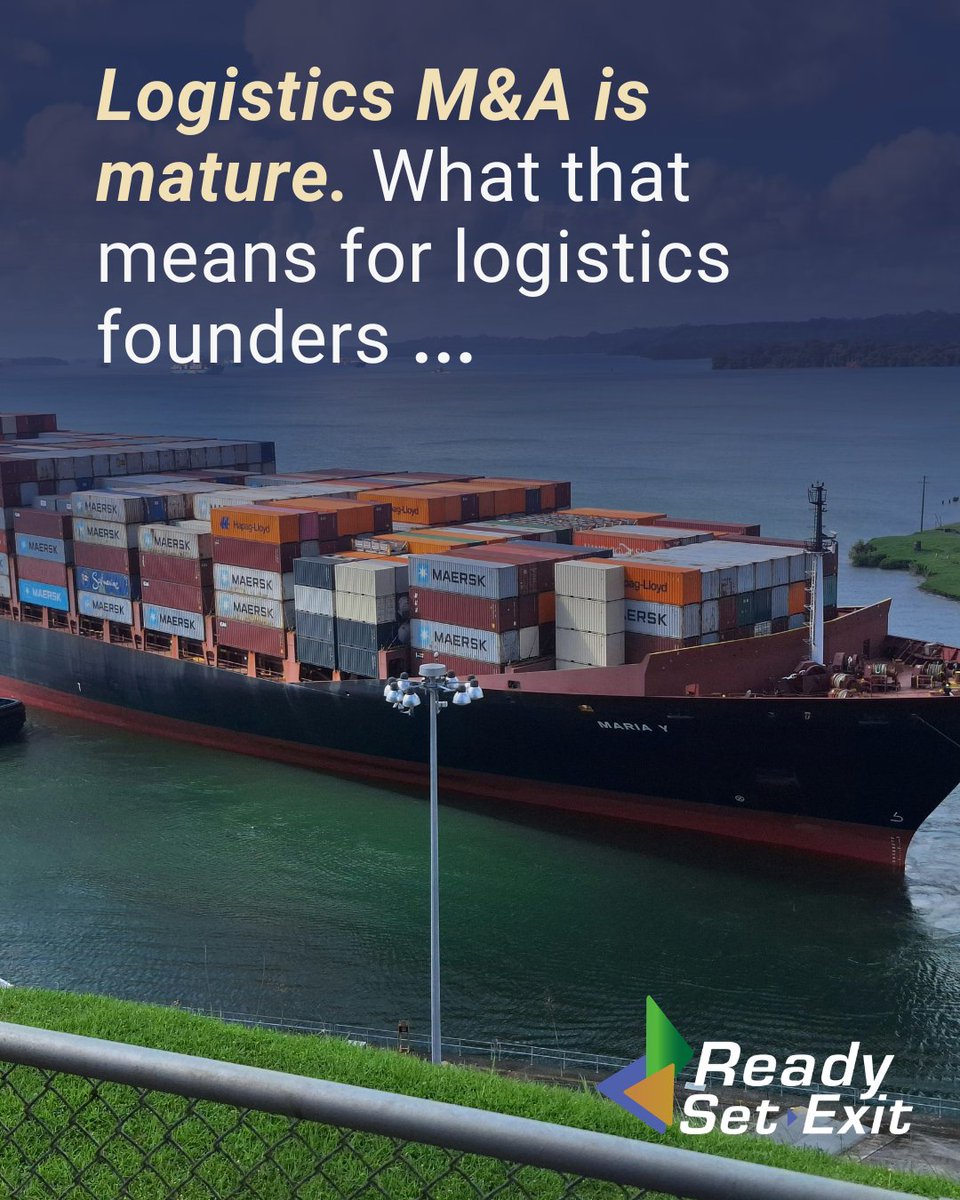
Logistics M&A has matured.
Buyers are taking longer. Diligence is deeper. Operational discipline matters more than growth stories.
Strong contracts, repeat customers, and capable second-tier leadership are driving deals, not hype or scale alone.
For founders, this is a reminder: The best time to prepare for a transaction is years before you want one.
Solid businesses still trade well. Weak fundamentals just get exposed faster.
#Logistics #MergersAndAcquisitions #SupplyChain #PrivateEquity #MiddleMarket
Liquidity doesn't mean abandoning a legacy.
Some founders sell and stay involved. Some step away entirely. Some never sell at all.
When the business, the founder’s role, and the next chapter are intentionally designed, liquidity becomes a tool, not a threat to identity.
The hardest exits aren’t financial. They’re identity shifts.
That’s why clarity matters long before a deal is on the table.
#FounderLegacy #ExitPlanning #EntrepreneurJourney #BusinessOwnership #Leadership
Some businesses are built to be sold. Others are designed to generate long-term cash flow. Some are meant to become legacy companies that outlast their founders. Each of these paths demand very different decisions.
Hiring, capital allocation, leadership development, and even culture look very different depending on whether you are preparing for a transaction or building something you intend to own for decades.
Before asking what your business might be worth someday, first ask "what role you want this business to play in your life?"
#Entrepreneurship #FounderPerspective #BusinessOwnership #Leadership #LongTermThinking
Buyers don’t pay for how big a business is. They pay for how safely it can keep working at that size.
High revenue can mask real risk if the business depends on a handful of customers, informal processes, or the founder being involved in every critical decision. In those cases, growth increases fragility instead of value.
True scale shows up in different places: diversified customers, capable leadership, repeatable processes, and financials that don’t require interpretation. A smaller business with these fundamentals is often more attractive than a larger one held together by heroics.
This isn’t just about preparing for a sale. Businesses built for durability are easier to lead, easier to finance, and more resilient when markets shift.
Readiness isn’t a moment. It’s the outcome of how the business is designed to operate over time.
#MergersAndAcquisitions #BusinessReadiness #FounderEducation #PrivateEquity #ValueCreation
Most people see the job title.
They don’t see the other rooms in the house.
Founder. Operator. Investor. Dad. Friend. Thinker. Creator.
Serious work and play. Strategy and curiosity.
Living a parallel life isn’t about doing more.
It’s about letting all the parts of you exist, without apology.
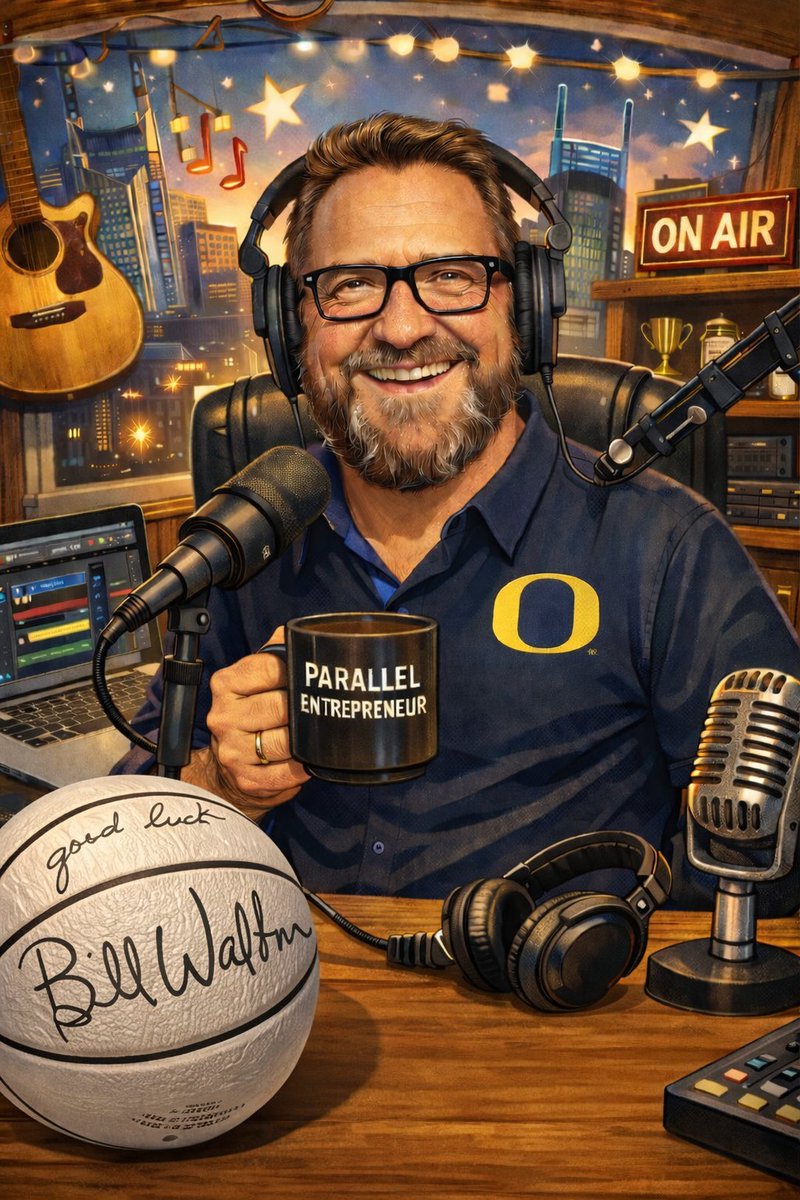
And yes… sometimes that includes having a little fun with an AI trend ☕️🎙️
Because building meaningful things doesn’t require being serious all the time.
This is the view out my office window.
The storm has passed, but the effects are still very real here in Nashville. Ice brought down trees, power lines, and plans. A reminder of how quickly things we rely on can get disrupted.
What stands out to me isn’t just the damage. It’s the response. Crews working around the clock. Neighbors checking in. A city adapting in real time.
In business, we talk a lot about resilience. This is what it actually looks like: slowing down when conditions change, prioritizing safety, and trusting the people doing the work.
Grateful for everyone helping get the city back on its feet. And for the reminder that momentum isn’t always about speed, sometimes it’s about steadiness.
Everyone loves the word “synergy” in logistics M&A, until it’s time to merge two networks that weren’t built to talk to each other.
Routes, hubs, customer expectations, exception handling … they all have muscle memory (they've learned how to move under pressure). Shift one node too fast, and the effects ripple everywhere.
The leaders who get integration right don’t force uniformity on day one. They study how work actually flows, honor what's already carrying load, and make changes in sequence, not all at once, so the system gains lift instead of drag.
Logistics integration isn’t a technical exercise. It’s choreography – timing people, processes and systems so the movement stays coordinated even as the music changes.
#TransportationMA #NetworkSynergies #IntegrationLeadership #FreightStrategy #MAWisdom
I’ve learned this the hard way: In logistics, you’re never just buying a company, you’re buying its promises. Delivery windows. Service levels. All the handshake commitments a spreadsheet can’t show.
Most deals fall apart not because the numbers were wrong, but because no one mapped the real-world flow of freight, people, and expectations.
When you’re acquiring a logistics business, walk the floor, ride the route, sit with the dispatcher. That’s where the truth lives.
If the operation can carry the promise, the deal has a shot. If it can’t, no model will save it.
#LogisticsMA #SupplyChainDeals #OperationalTruth #DealExecution #FounderWisdom
This one stopped me in my tracks.
I cracked open a fortune cookie and it said:
“Time is not measured by a watch but by moments.”
And at the end of the year, that feels uncomfortably true.
Because when I look back, I don’t remember the calendar invites, the deadlines, or how busy it all felt. I remember moments.
The conversation that finally brought clarity.
The deal I didn’t force.
The team moment where trust clicked.
The quiet realization that it was time to let something go.
None of those were efficient.
All of them mattered.
We’re taught to measure progress in quarters and KPIs. But the things that actually move a life, or a business, forward rarely happen on schedule.
So as the year winds down, I’m trying to pay attention to the moments instead of the minutes.
Those are the ones that carry forward.
Every experienced buyer can spot when a company has been squeezed too hard. Deferred maintenance. Burned-out teams. Slowed innovation. They know when you’ve chased short-term optics over long-term health.
If you’re heading toward a sale, don’t game the numbers, grow the business. Invest in leadership, systems, and customer success now. Buyers reward strength, not starvation.
The best multiple you’ll ever earn is trust.
#PrivateEquity #MAndA #ValueCreation #ExitReady #BusinessGrowth
Too many deals treat integration like a project milestone.
“Day One” comes and goes, emails get sent, logos get updated … then the real work begins.
Integration isn’t an event, it’s an ongoing negotiation between two realities.
Here’s what I tell founders and acquirers alike:
Define what not to change in the first 100 days. That clarity saves trust.
Don’t rush to “blend” everything. Protect what works.
Assign ownership early, who actually manages post-close execution?
If integration fails, value erodes quietly. If it succeeds, it multiplies faster than any synergy model ever predicted.
#PostCloseExecution #IntegrationLeadership
#First100Days #MergersThatWork
#FounderToFounder #AlignmentOverEverything
If you think the deal closes when the ink dries, you’re missing the real work.
The first 100 days after closing define whether the value you sold on paper ever materializes in reality. That window sets the tone for culture, communication, and trust, and determines if you’re building momentum or losing it.
Here’s what I’ve learned watching integrations thrive and fail:
1️⃣ Clarity beats optimism. Everyone’s excited, but what people really need is direction. Who’s in charge? What changes now? What doesn’t?
2️⃣ Communication travels faster than policy. If you don’t tell the story, the rumor mill will. Employees need transparency more than celebration.
3️⃣ Small wins build credibility. Integration isn’t a sprint, it’s a sequence of proof points. Deliver something visible early. Confidence compounds.
4️⃣ Culture must be managed intentionally. You can’t bolt two teams together and call it unity. Someone has to own the emotional side of the deal.
Success in the first 100 days isn’t measured in spreadsheets. It’s measured in trust, alignment, and momentum.
How do you measure success after closing day?
#MergersAndAcquisitions #PostMergerIntegration #LeadershipInAction
Here’s a question I like to ask founders:
Would you buy your own company?
Not the product, the business.
The leadership team. The processes. The culture. The way decisions actually get made.
Would you see the same opportunity an outside buyer claims to see?
Or would you notice the risks first – the dependencies, the unspoken tension, the lack of clarity in what makes the business scalable without you?
It's an uncomfortable question, and that’s exactly why it’s useful.
When you can see your business through a buyer's eyes before one shows up, you’ll be better prepared for both sides of the deal – and far more honest about what needs work long before due diligence ever starts.
#FounderMindset #LeadershipMatters #BusinessReflection #ExitReady #BuyersPerspective #ScalableSystems #FounderCulture #SystemsThinking #TeamTrust #ParallelEntrepreneur