I was pretty shocked by the responses to this tweet.
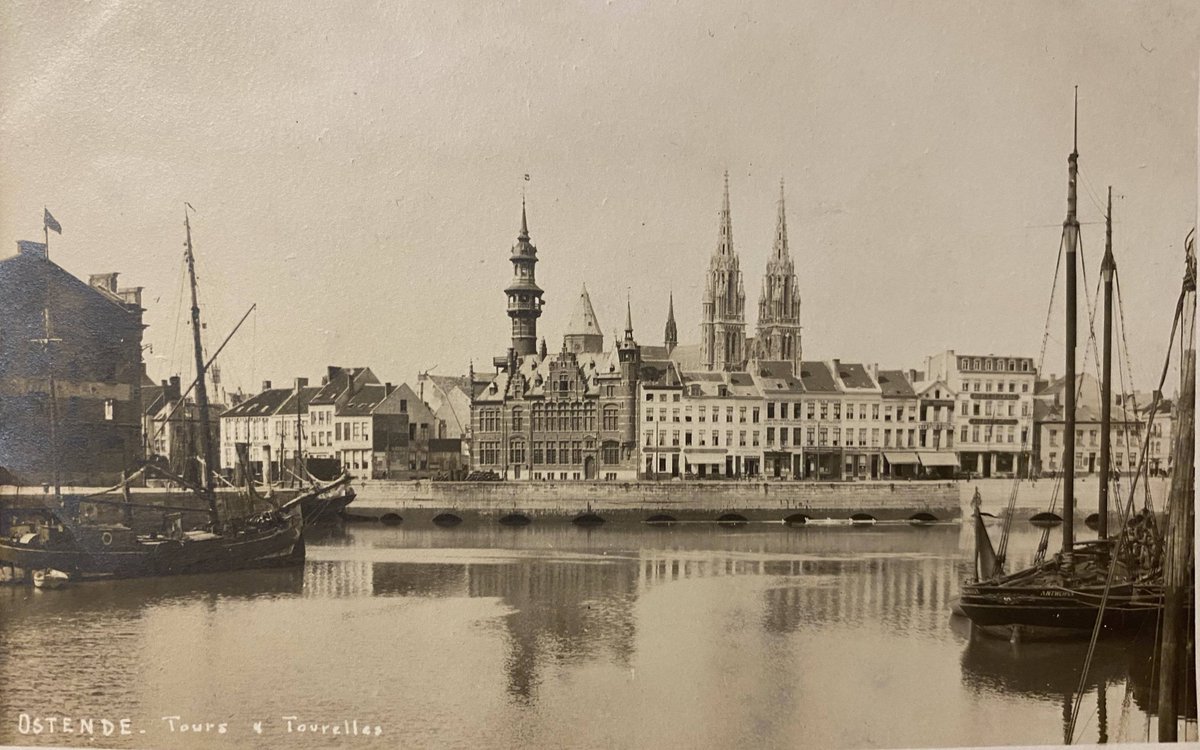
What I heard over and over was that this place was bombed during the war, so it's understandable why these beautiful buildings were replaced with boring, ugly concrete blocks. It was a war-ravaged nation, and they needed to build housing quickly.
I understood the logic, of course, but the post is talking about a specific area in Belgium. This spot was damaged during the war, but most of the change here was not due to wartime damage,it came from post-war redevelopment in the 1950s to 1970s and decision makers had agency. The need to build housing quickly for displaced people in this situation never really made sense to me, we are talking about prime beachfront real estate, after all does this seem like a place to rapidly build up cheap housing for people?
What bothered me so much about the responses was that those who justified the erasure of these beautiful places seemed to apply that reasoning to any situation. It was basically a blanket stamp of approval for similar cases because they had heard one explanation somewhere that supposedly justifies the permanent loss of beautiful buildings due to a war that ended 80 years ago.
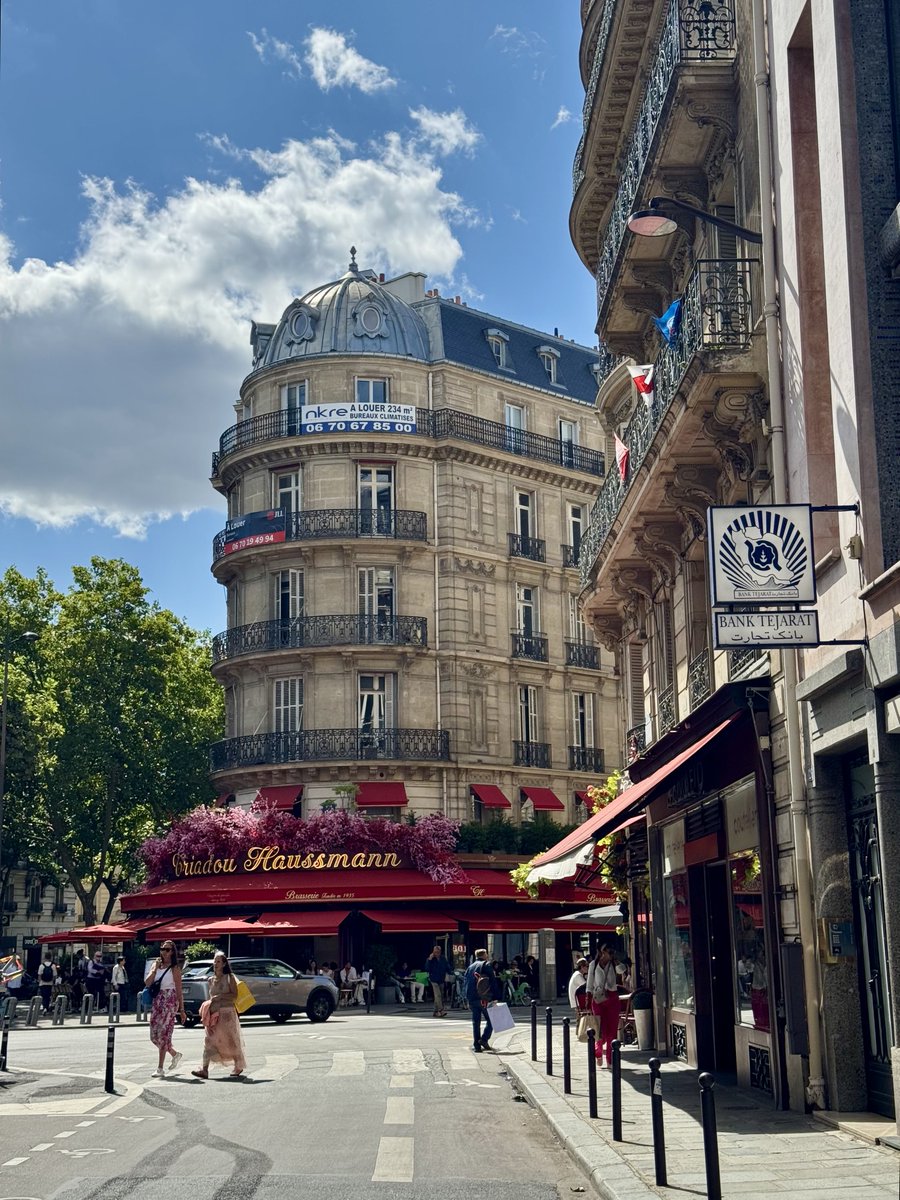
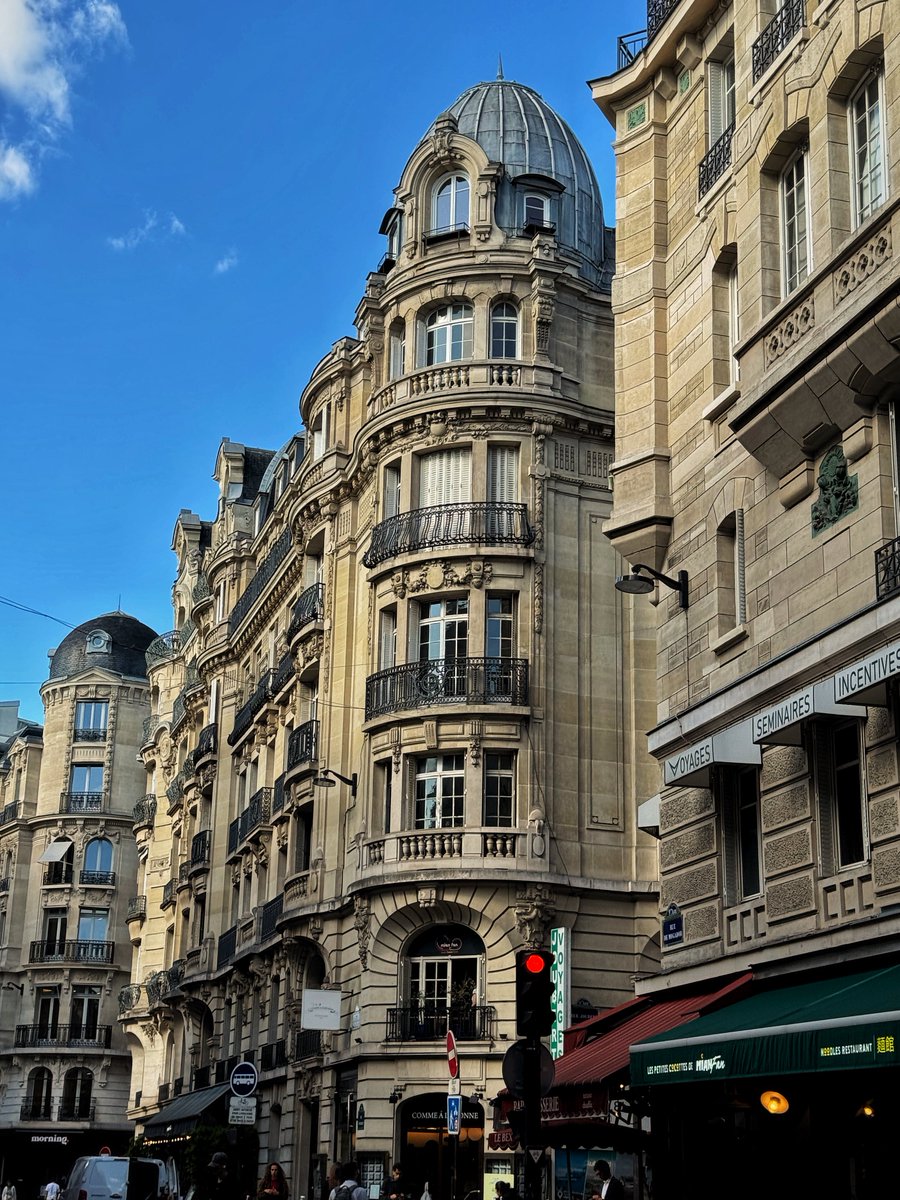
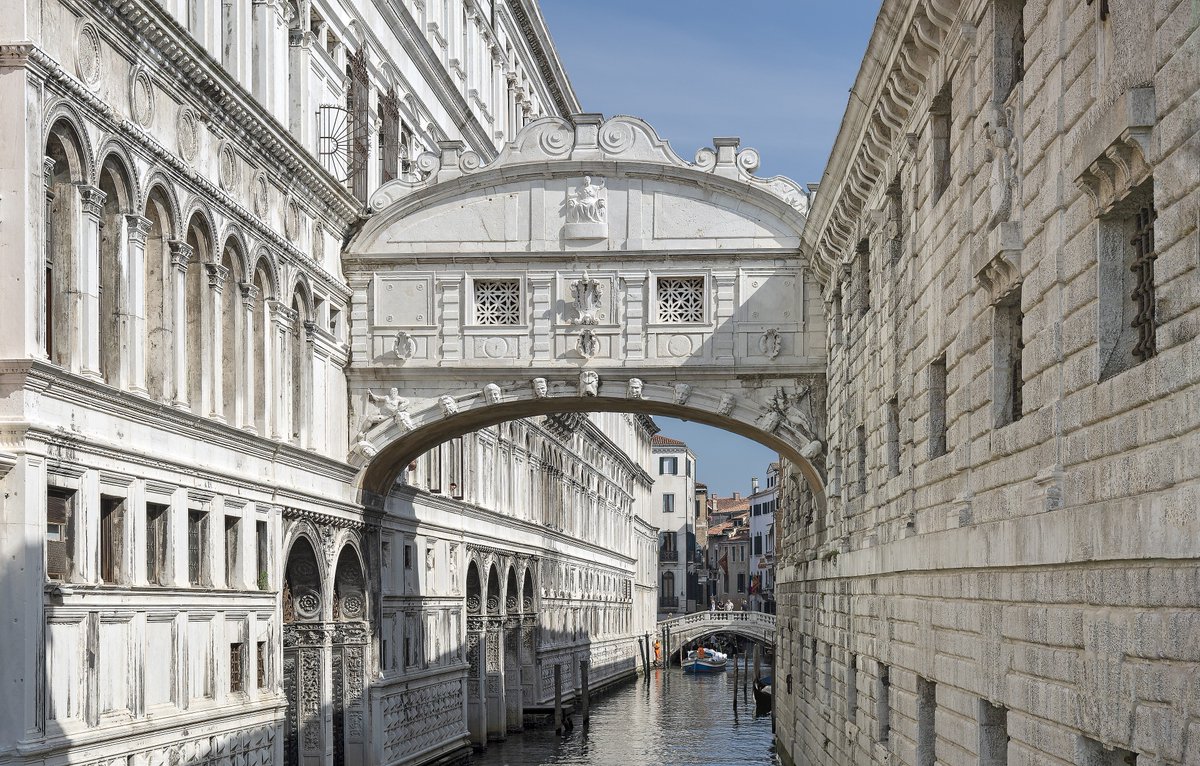
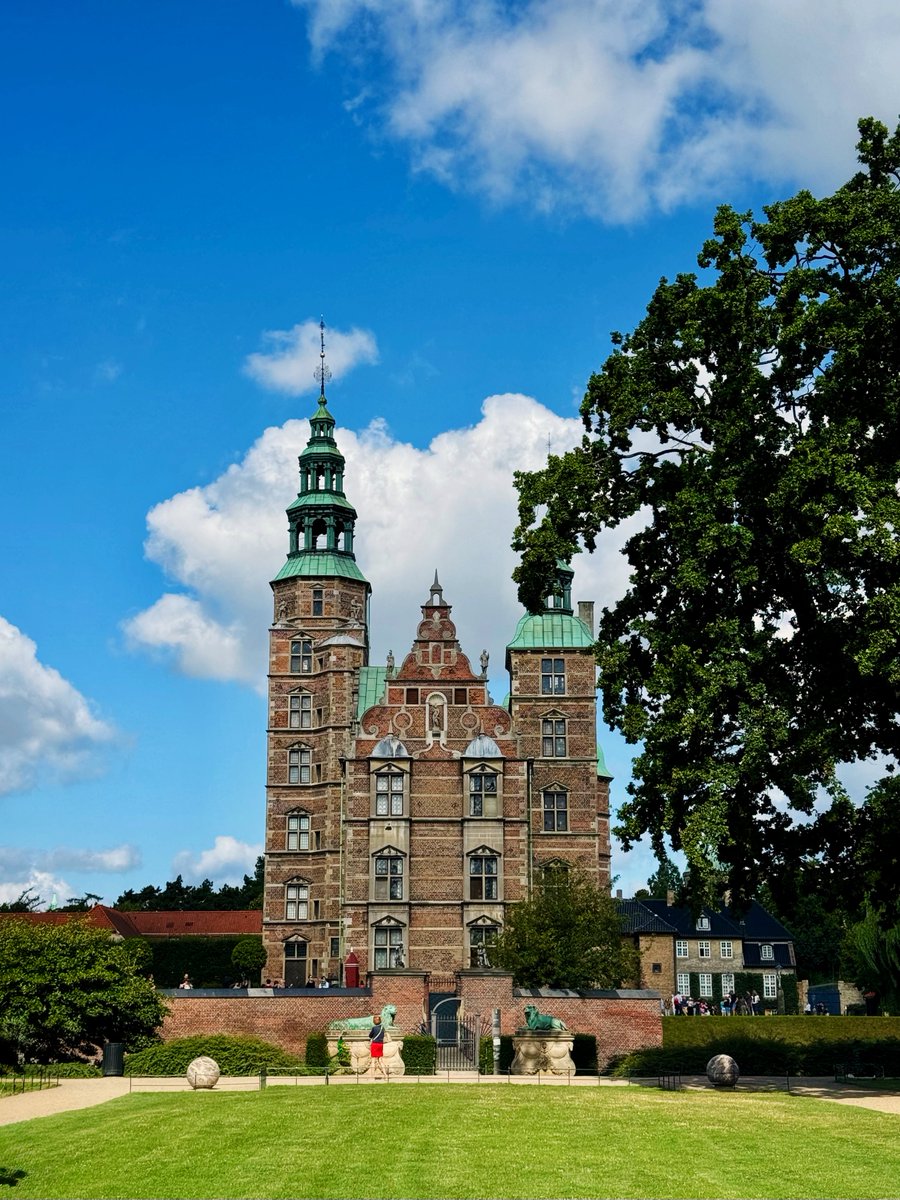
I would like to think we can hold ourselves to higher standards and find ways to preserve our culture, architecture, and history rather than selling them out to a passing fad or to developers trying to maximize the price per square foot.
Budapest did it, Warsaw did it, Dresden did it. It is possible.
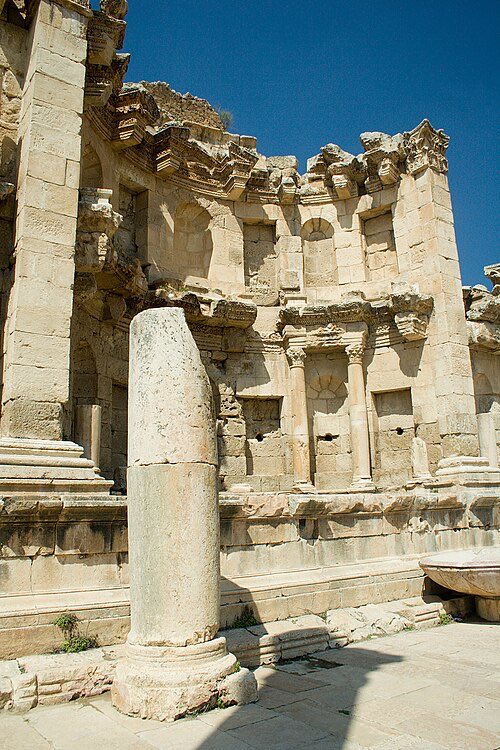
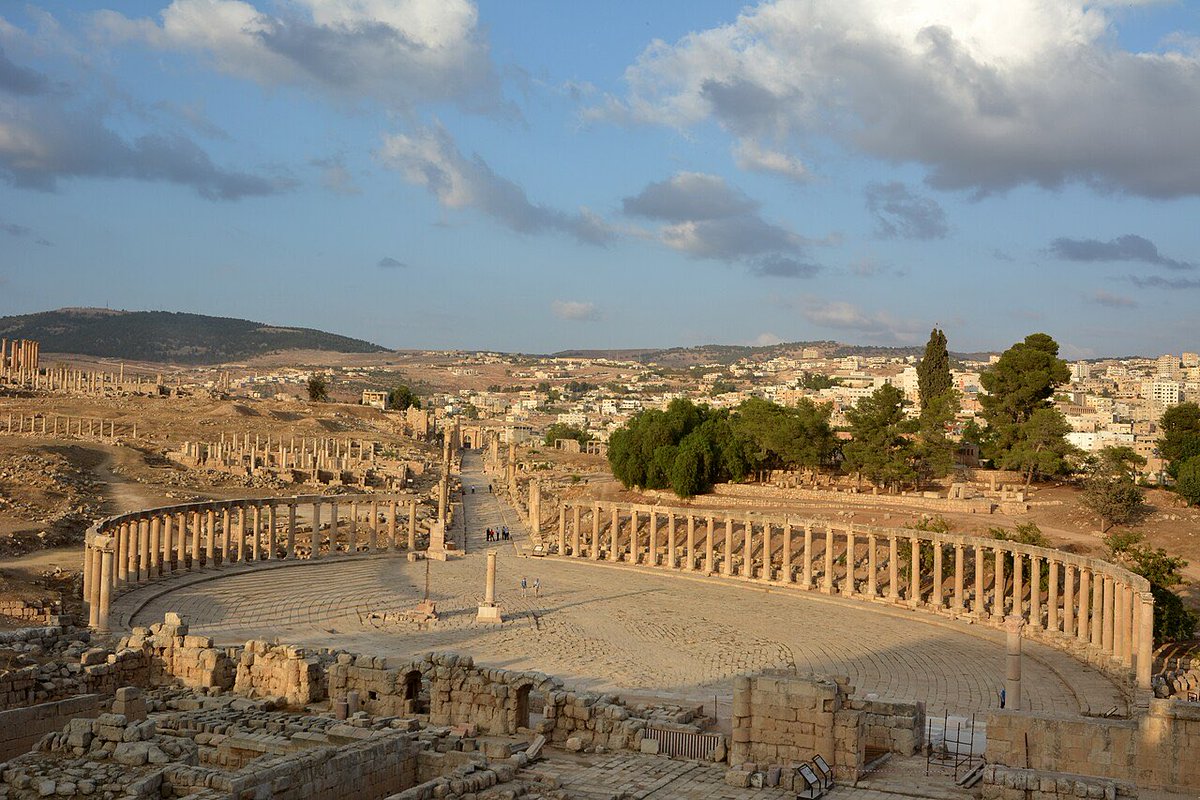
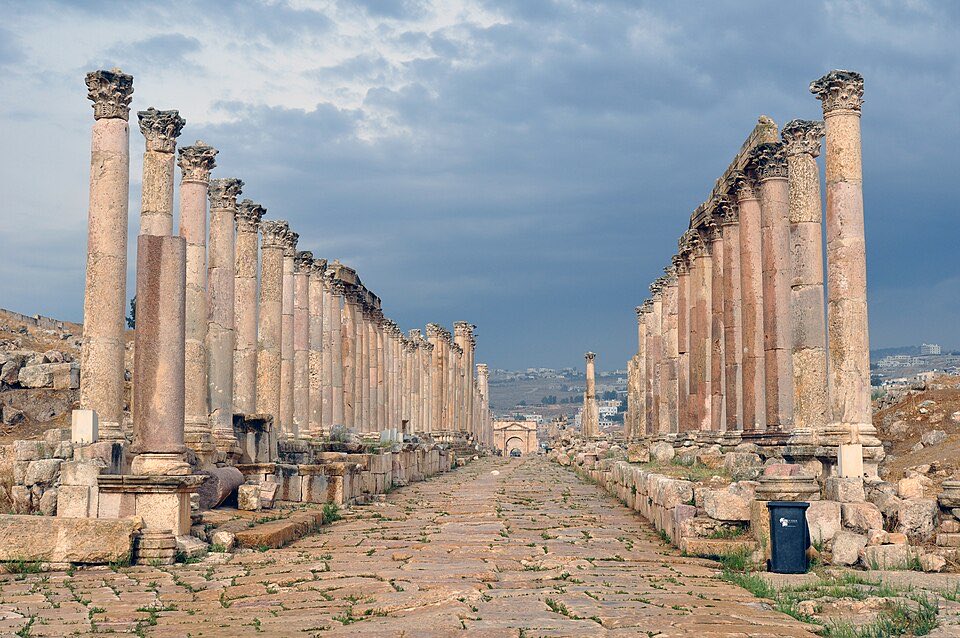
The Pompeii of the Middle East 🇯🇴
Jerash in Jordan is home to one of the best preserved Greco-Roman cities.
The city was founded around 6000 BC and flourished during the Greek, Hellenistic, Roman, and Byzantine periods, when it was known as Gerasa.
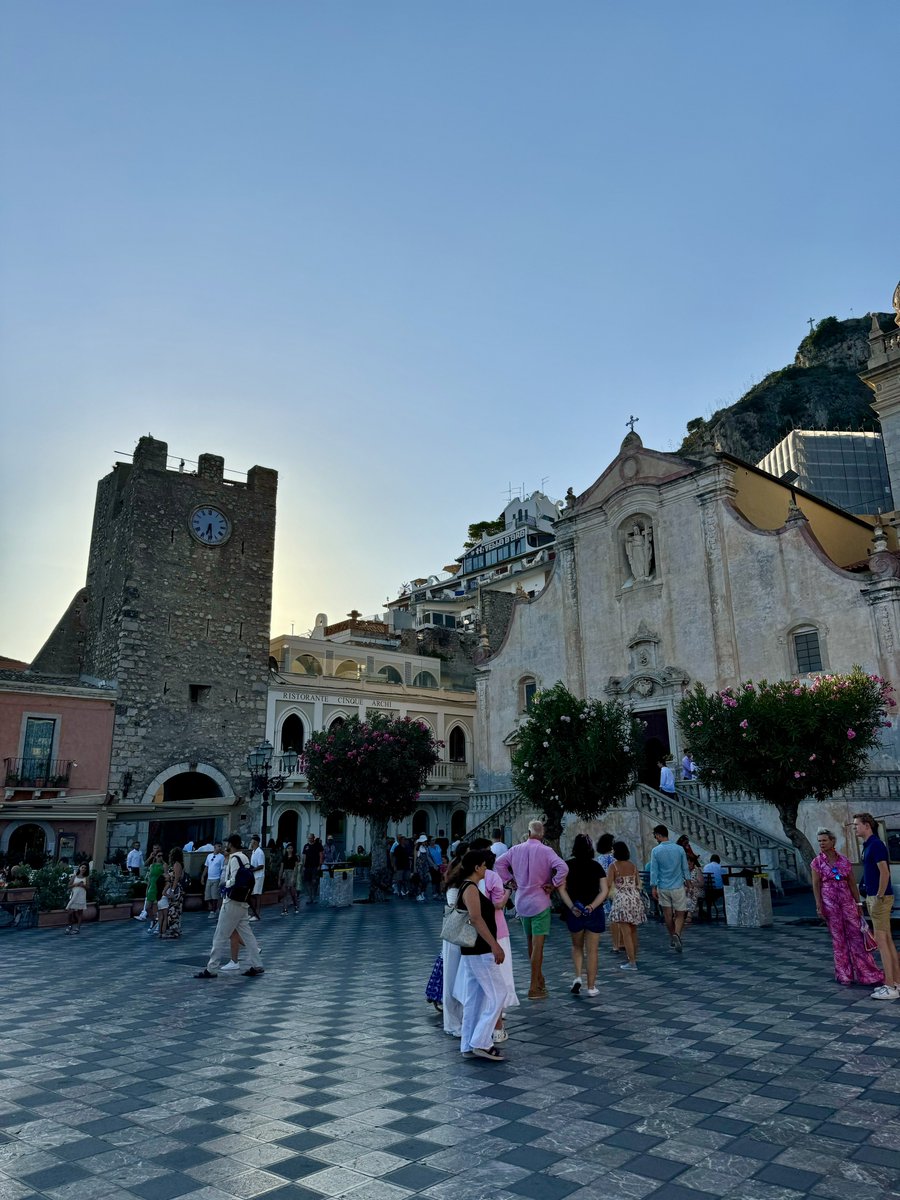
The Cathedral of Siracusa 🇮🇹
The building is built on the site of what was once the Temple of Athena.
If you look at the outside of the building (3rd photo) you can still the original Greek columns that were built in the 6th century BC.
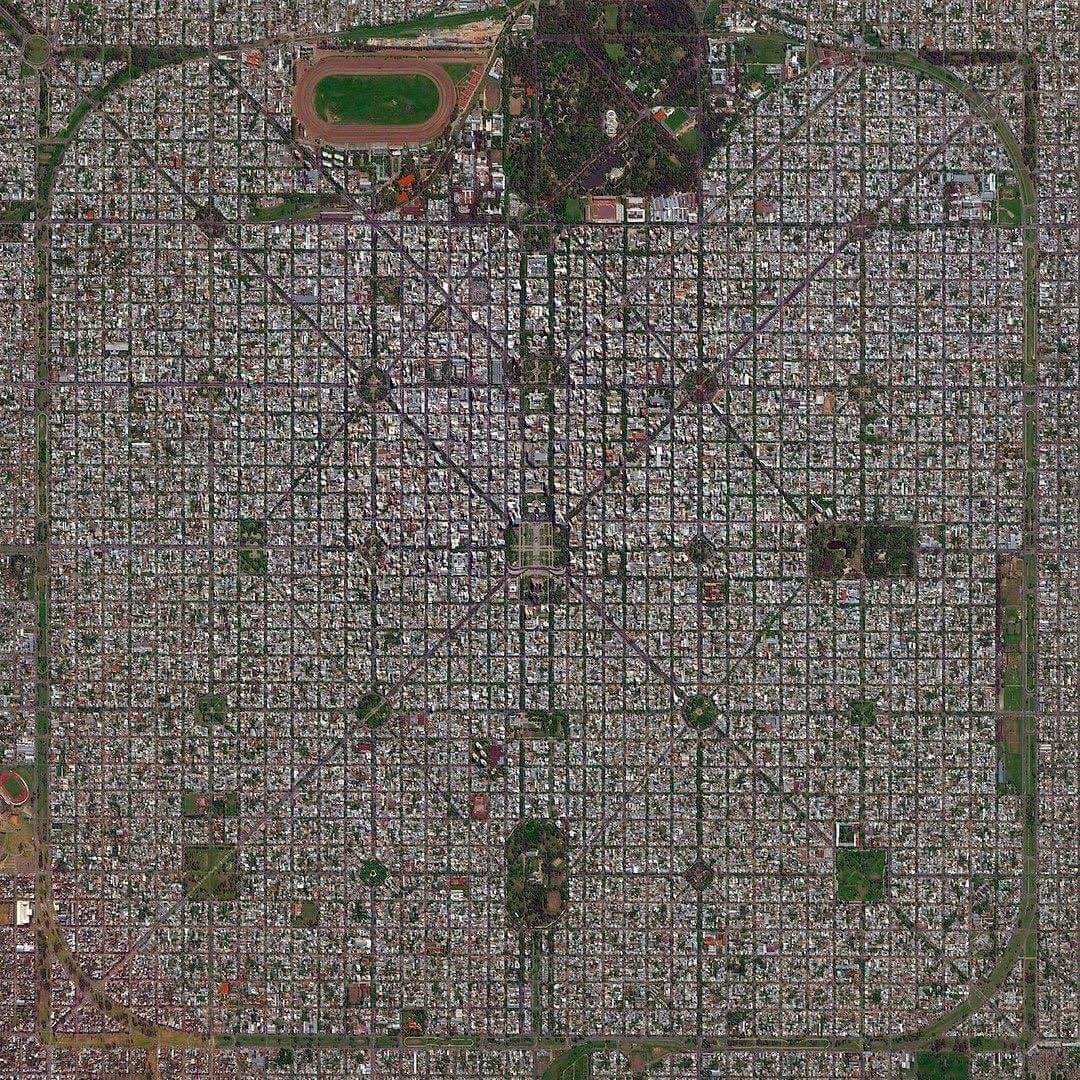
An aerial shot of La Plata in Argentina 🇦🇷
The city is laid out on a strict grid with diagonal avenues cutting through it, and is considered one of the best examples of 19th-century urban planning in Latin America.