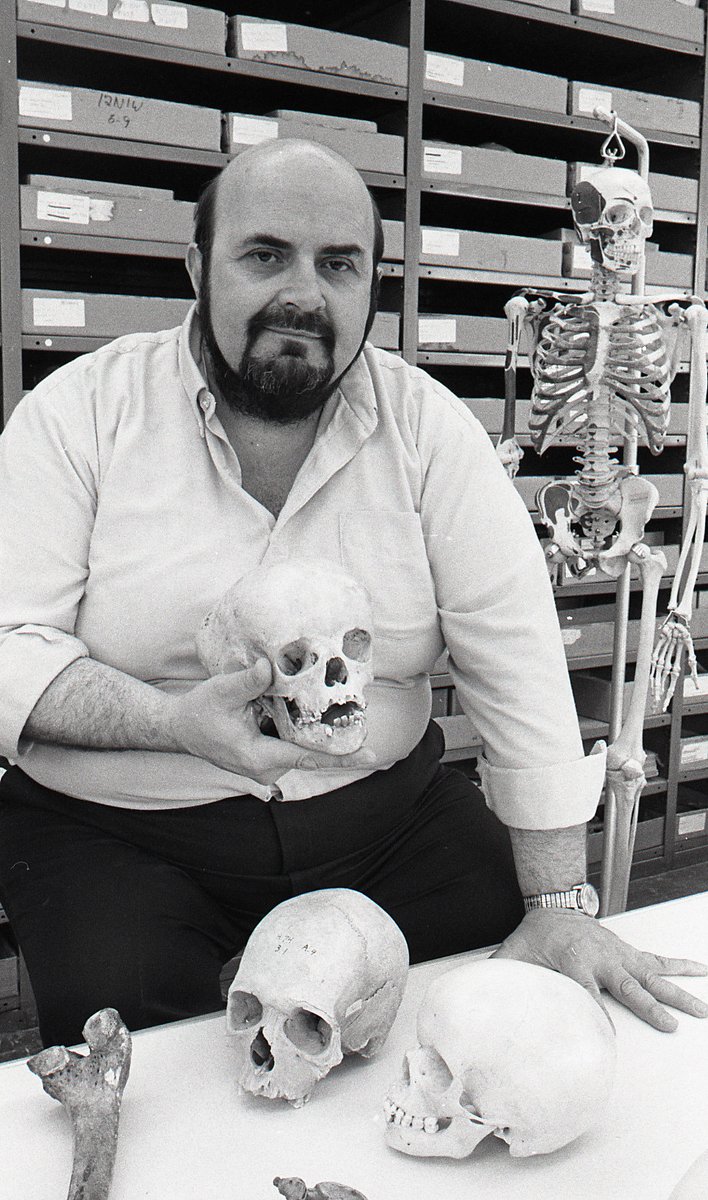
In 1980, a bioarchaeologist at Emory University named George Armelagos was studying ancient human bones from Sudanese Nubia, the kingdom that flourished along the Nile south of Egypt between roughly 350-550 CE, when something stopped him. Under ultraviolet light, the bones glowed.
They fluoresced with a distinctive yellow-green color that Armelagos recognized immediately, because the same glow appeared in the bones of modern patients who had been treated with tetracycline.
The antibiotic binds tightly to calcium and phosphorus in bone tissue as the body metabolizes it, leaving a permanent fluorescent marker. What Armelagos was seeing in bones nearly two thousand years old was chemically identical to what he saw in twentieth-century medical subjects.
The archaeological community was skeptical. The received history of antibiotics began with Alexander Fleming’s discovery of penicillin in 1928, and tetracycline itself was not isolated until 1948. The idea that a pre-literate population in the Nile valley had been routinely ingesting it seemed implausible, and the initial findings were dismissed as post-mortem contamination from soil bacteria.
Armelagos spent three more decades building the case. He eventually partnered with Mark Nelson, a leading tetracycline specialist at Paratek Pharmaceuticals, who agreed to perform a definitive chemical analysis.
The process required dissolving the ancient bones in hydrogen fluoride, one of the most corrosive and dangerous acids in existence. What the resulting liquid-chromatography mass-spectrometry analysis found was not a trace of tetracycline.
The bones were saturated with it. Multiple tetracycline variants were identified, including chlortetracycline and oxytetracycline, in concentrations indicating sustained exposure beginning in early childhood and continuing throughout life.
Ninety percent of the Nubian individuals tested showed the labeling. The exposure had not been accidental or occasional. It had been lifelong and deliberate.
The source was their beer.
Ancient Egyptian and Nubian brewing began with grain, typically emmer wheat or barley, which in that region was naturally contaminated with Streptomyces, a soil bacterium that produces tetracycline as a metabolic byproduct.
The grain was germinated, made into bread, then incompletely baked to preserve an active center, and finally fermented in vats of water. The standard practice was to seed each new batch with ten percent of the previous one, which kept the Streptomyces culture alive and active from batch to batch in a continuous chain.
The resulting brew was thick, sour, low in alcohol, and highly nutritious. Everyone drank it, including children as young as two years old.
The critical question Armelagos could not fully resolve was whether the Nubians understood what they were doing. The consensus among researchers is that they almost certainly did not know the mechanism.
They had no concept of bacteria, no understanding of antibiotics as a drug class, and no language for what tetracycline was doing in their bodies.
What they likely did know, accumulated through generations of observation and passed down as practical knowledge, was that this particular preparation of beer had medicinal effects.
Ancient Egyptian and Jordanian medical texts record beer being used to treat gum disease, wounds, and other infections.
The brewing method that produced tetracycline appears to have been deliberately maintained and refined over centuries, not by any understanding of the chemistry involved, but by the accumulated recognition that it worked.
#archaeohistories
If you invented a machine that could:
- Restore degraded land
- Build topsoil
- Sequester carbon
- Produce fertiliser
- Create complete protein
- Generate its own fuel
- Reproduce itself
- Require zero electricity
You'd win the Nobel peace prize.
Instead, we blame them for climate change.
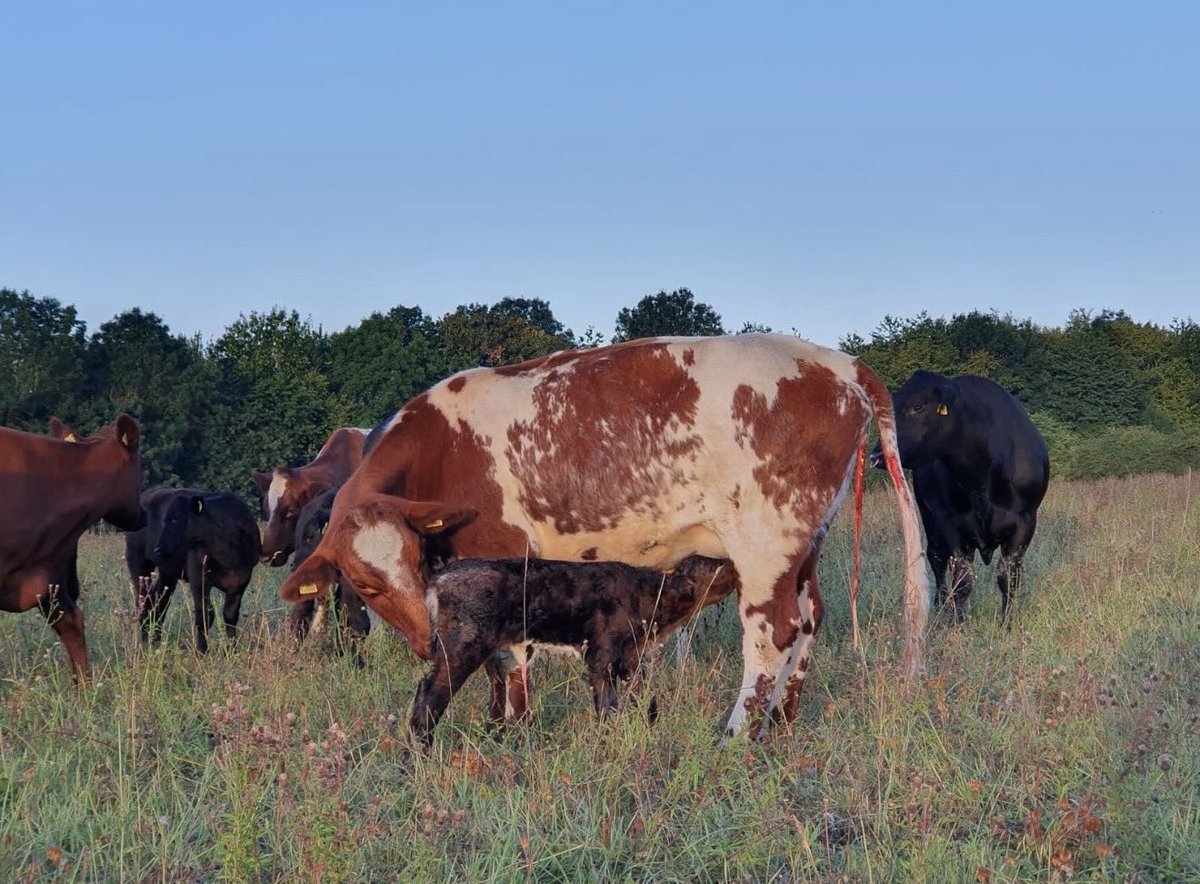
These cows will be tending to their fields as they always have, while city-based career politicians discuss their impact on national climate agenda.
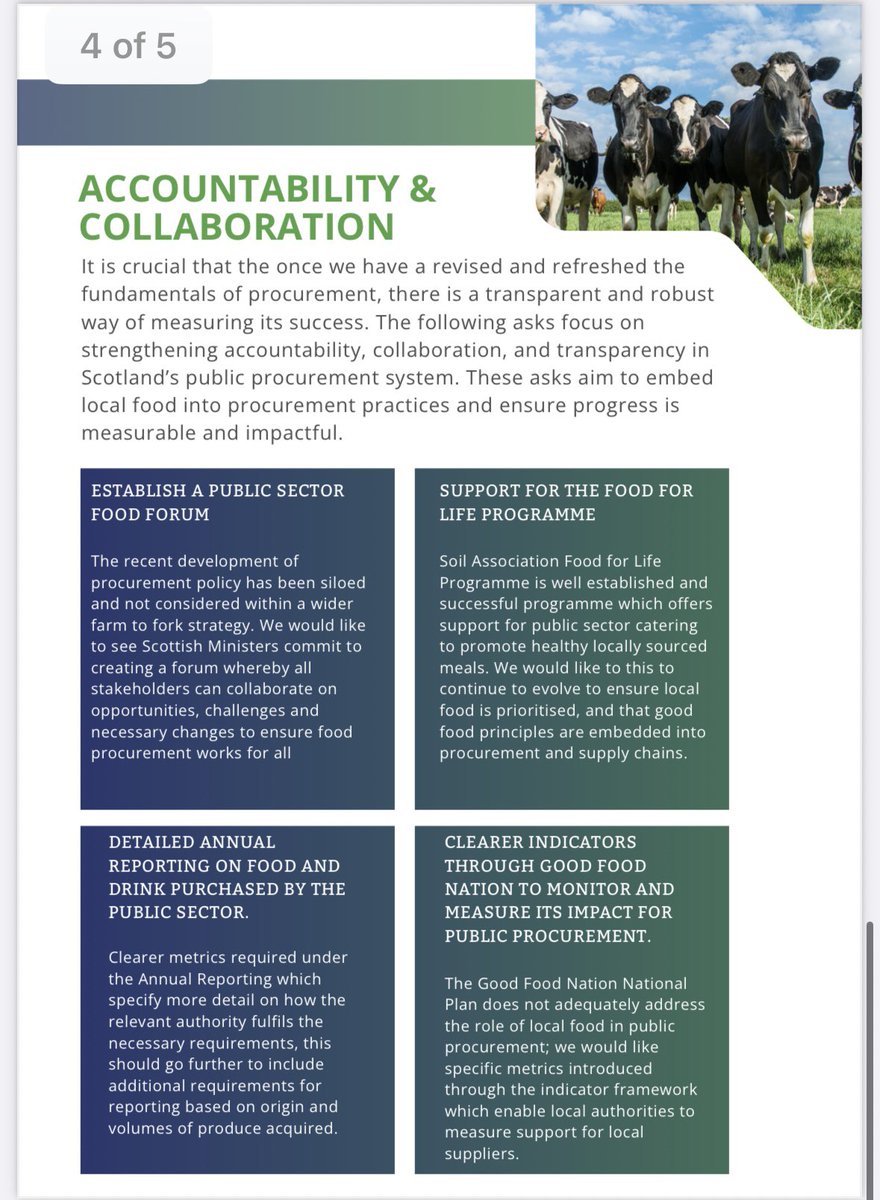
📣 Putting Scottish Food First
That’s our ask for public procurement. Our schools, hospitals, care homes etc should lead the way to showcase & support local producers.
We believe it can better. @NFUStweets has started our campaign for change - see our 8 asks👇
This matters
*Upcoming Online Event*
Biochar in UK Agriculture: Insights from Farmers and Scientists
Taking place on Tuesday, 27 January, from 10AM to 1PM.
Please use the link below to find out more and register
https://t.co/mSoB3WWghq
@sw_farmer I’d love to get going at the silage but the weather is crucifying us. When we get the weather folk are on leave or otherwise gainfully employed. Keep reminding myself, it’s only June!
In order to avoid the preconditioning towards misery I need to find a weather app/site that tells me it’s a 65% chance of 🌤️and ☀️rather than a 35% chance of 🌧️! It’s the same thing but it feels very different.
Sometimes it feels like a win. Twin Heifers, calved at 28 months (held back because they were twins) with 14wk old heifer calves at foot. I think I’ll be seeing all four of these beasts for a while yet!
@CammockSalers@howemill@ThrimbyFarms 🤣 You forgot weekends, when you do a weeks worth of farm work in two days, praying nowt breaks because it’ll be next weekend before you’ve time to fix it. At least you get the 31st of June, September, November and April off, 4 days off in Feb….
@CammockSalers@howemill@ThrimbyFarms@NFUStweets Nailed it! Starting in farming is actually reasonably easy. Building to a sustainable level, with a fair amount of security while also, most likely, having family and some sort of life away from work. Exceptionally hard.