@MattRobertsTTP@CWhitakerSport As faithful TTP fan, I have to ask: with Alacaraz out today, does that mean there is an Olympic curse - or at least a hangover from surface change?
@TennisPodcast Matt slyly dropped this reference of “Winjin Pom” which sent me down a rabbit hole ;)
https://t.co/ad4lgX41ma(the%20name,a%20hijack%20by%20The%20Crows.
Remember this was a ‘mind-blowing’ commercial? Maybe commercials like this one might put people at ease with #AI if the commercial benefits didn’t just come from press releases, investor decks, or snippets passed around the internet…
https://t.co/qc5I3OU5gZ
In 1985, Nike held a 24-hour shoe design contest.
Nike was struggling. Their stock dropped 50%. They had to lay off people. Adidas, Converse, & Reebok were all selling more shoes.
So in a panicked attempt to find creative talent, Nike held a shoe design contest.
The winner was
A corporate architect named Tinker Hatfield.
"Two days after the competition," he said, "I wasn't even asked—I was told that I was now a footwear designer for Nike."
As he got to work on his first official shoe design, he thought about a building he had studied in architecture school: The Centre Pompidou in Paris.
The Centre Pompidou is an inside-out building, meaning that the structural, mechanical, and circulation systems are all exposed.
“That building,” Tinker said, “was describing what it was to the people of Paris. And I thought, ‘Well why not do that with a shoe? Let’s cut a hole in the side and show what’s in the shoe.’”
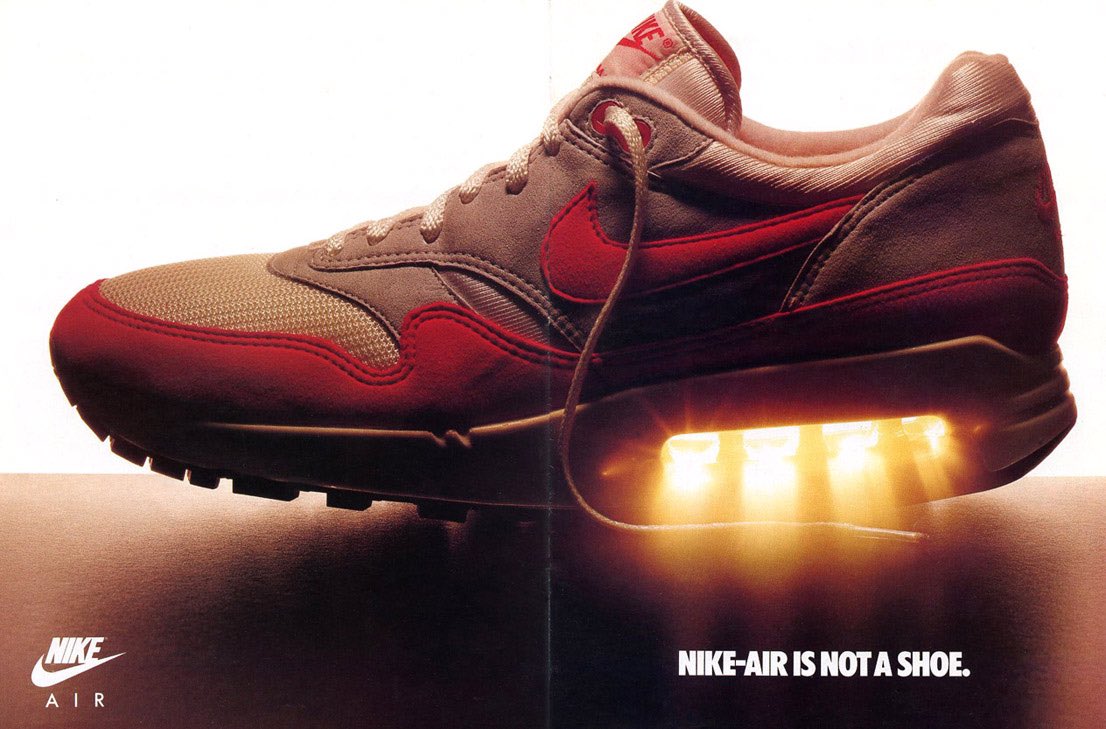
So Tinker designed an inside-out shoe:
The Air Max 1.
The Air Max 1 was a massive success, and it steered Nike's design direction from then on.
"To this day," Tinker says, "Phil Knight says I saved Nike."
Takeaway 1:
Had he not studied that building in Paris, Tinker says, he couldn’t have created the Air Max.
Creativity, he says, is a function of the “library in your head."
“When you sit down to create something...what you create is a culmination of everything you’ve seen and done previous to that point.”
Takeaway 2:
Tinker Hatfield went to architecture school and then he was a corporate architect for 4.5 years. Then, literally overnight, he became one of the best shoe designers in the world.
This makes me think of a counter-intuitive discovery made by psychologist Charles Spearman in 1904.
Before Spearman, the natural assumption was that the more you specialize in one thing, the worse you’ll be at other things.
Instead, Spearman discovered "the positive manifold" phenomenon.
He found that different abilities tend to be positively correlated. That the expertise gained through specialization is transferrable. That the cognitive and creative abilities cultivated as an architect could positively correlate with being a shoe designer.
- - -
"Creativity is a function of the previous work you put in." — Robert Greene
Follow @bpoppenheimer for more content like this!
Today marks a milestone in Artory/Winston’s mission to expand the art market, make it more accessible, and offer investors a smarter diversification strategy for investing in this opportune asset class https://t.co/zIIWrQVKci
Google might have found the ‘killer app’ that the AR industry has been searching for - language translation opens the possibilities for more commerce and travel, along with disabilities needs. #AugmentedReality#Google https://t.co/7JowSI1EeK
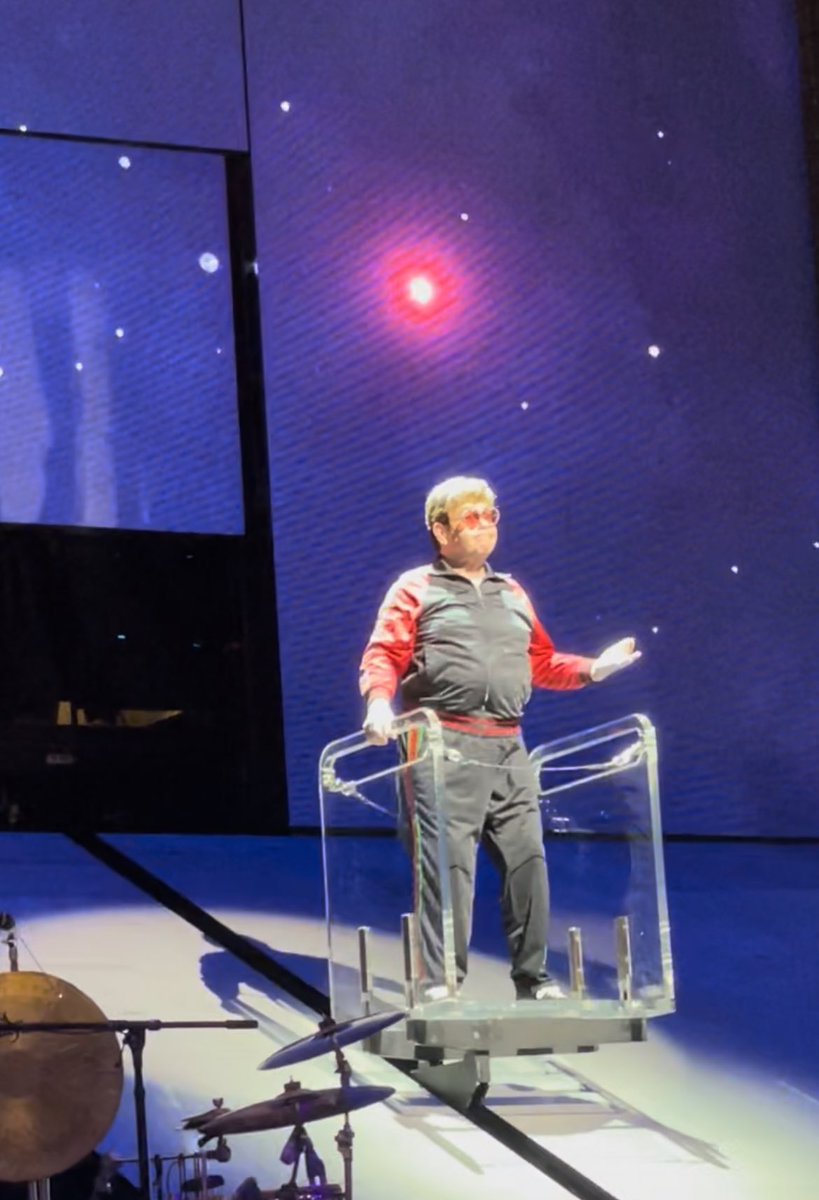
@Super70sSports Helluva show tonight at the United Center, wasn’t it? The geriatric elevator to get off stage was kind of a buzz kill to see him getting old - but I guess legends never die, they just fade away…
Kind of amazing that the Jetsons. a beloved cartoon from the 60’s, predicted things like holograms, Siri, and even 3D printed food…classic sci-fi gives us great ideas that push tech. https://t.co/evl30xhuvn
Looking forward to hearing @CaitlinLong_ and other great presenters tomorrow at Retail Central Bank Digital Currency (CBDC). #WYOStampede
https://t.co/lZika7t0ao