Sawadika 🇹🇭
Bitget has acquired a Bangkok-based licensed digital asset exchange and brokerage — a real milestone on our regulatory path in Southeast Asia.
Thailand is one of the region’s most dynamic markets, and this gives us a licensed local foundation to build operations the right way.
No complaints about the country. The food, the culture, the people — genuinely love it. The motorbikes to make every meeting on time… also growing on me. 🏍️
İSTANBUL'U #SEL VURDU!
#İstanbul'da #sağanak yağış hayatı durma noktasına getirdi.
Fatih'te 14 yaşındaki bir çocuk bastığı su birikintisinde elektrik akımına kapılarak, Ayazağa'da ise meydana gelen selde 1 kişi boğularak hayatını kaybetti.
https://t.co/MwwZLhDsDp
Everyone is waiting for the U.S. midterm elections, expecting the market to remain relatively stable until then. But I think Trump could trigger a black swan event before the elections by taking direct military action.
1. Oil prices are becoming harder to contain.
Iran and the Houthis have been increasingly active, with attacks on shipping potentially driving oil prices higher. Trump has publicly suggested waiting until after the elections to settle the score, but given his vindictive nature and the domestic political pressure to avoid looking weak, he may not have the patience to wait.
2. Musk is pouring money into the Republican campaign.
Elon Musk has reportedly invested $360 million in building a get-out-the-vote operation for Republicans, making him their largest financial backer. Democrats would need a net gain of four seats to turn things around, which is no easy task.
3. Timing gives Trump room to maneuver.
Even if Republicans lose the House, newly elected representatives won't take office until January. That leaves Trump with roughly two months to act before the new Congress convenes.
If oil prices continue rising and provocations persist over the next two weeks, I wouldn't rule out Trump taking military action sooner than expected.
ABD hisse senetleriyle ilgilenenler için önemli bir gelişmeye geldi!
Bitget, rToken transfer özelliğini kullanıma sundu. Artık geleneksel aracı kurumlardaki 3.000’den fazla ABD hisse senedi ve ETF’yi Bitget’in tokenlaştırılmış hisse senetlerine (rToken) aktarmak mümkün olacak.
Daha fazla detay için bu sayfaya göz atabilirsiniz: https://t.co/fbzOZs6on2
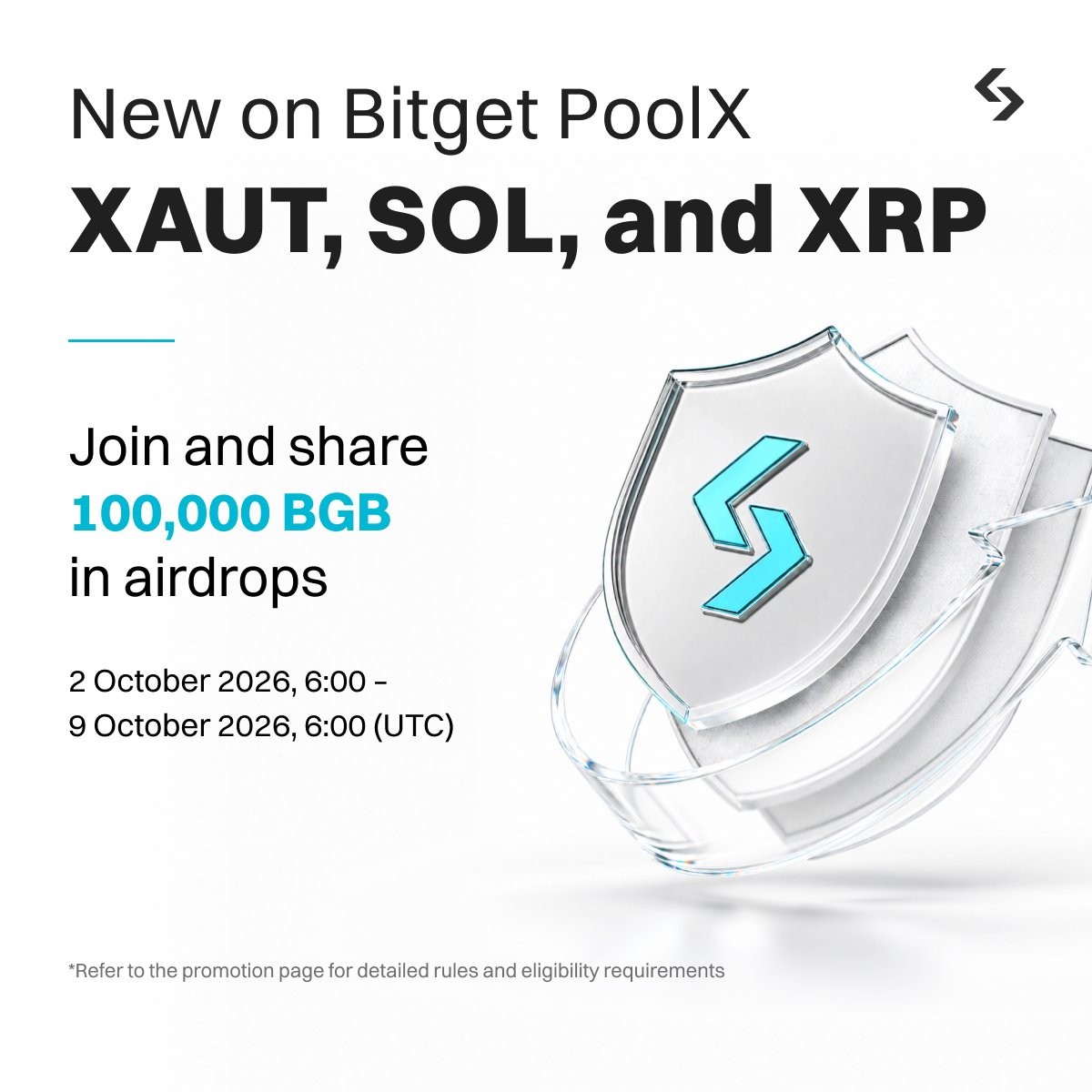
Bitget PoolX: lock $XAUT, $SOL or $XRP to share a 100,000 $BGB airdrop.
> No lock-up. Unlock your funds whenever you want.
📅 Period: Oct 2, 06:00 – Oct 9, 06:00 (UTC)
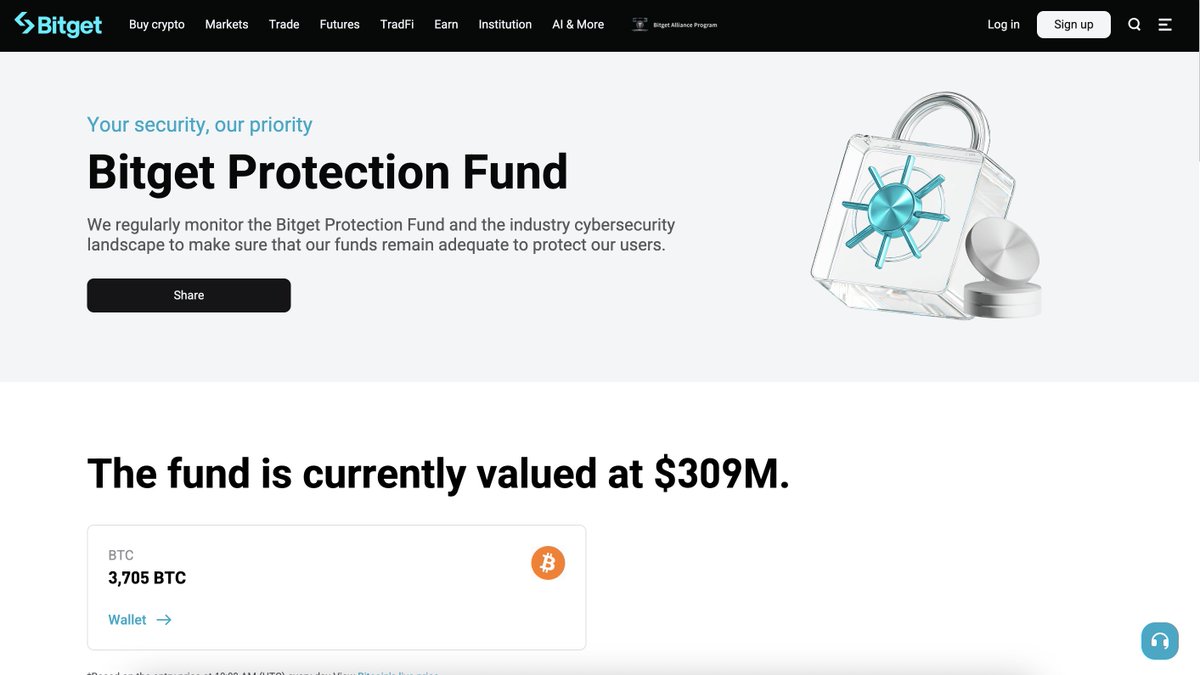
-Bitget Protection Fund back to >$300M as we promised. https://t.co/GeX9tc0ASQ
-PoR is 131% per yesterday's update https://t.co/2xs4e09Ro6
-Withdrawal resumed for BTC, ETH, and USDT already, will open up everything else on Friday.
The business is gradually back to usual. Thank you for all of your support!
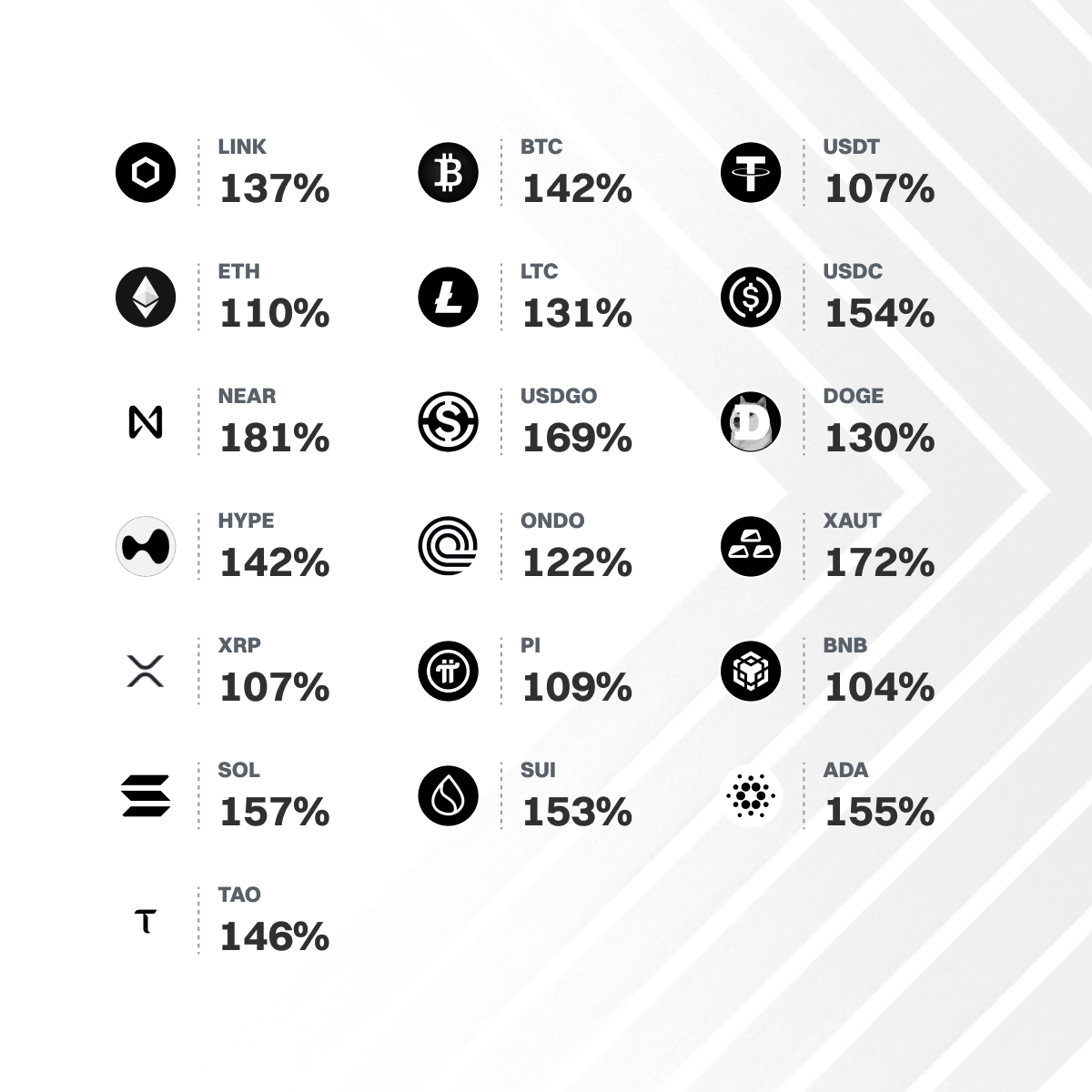
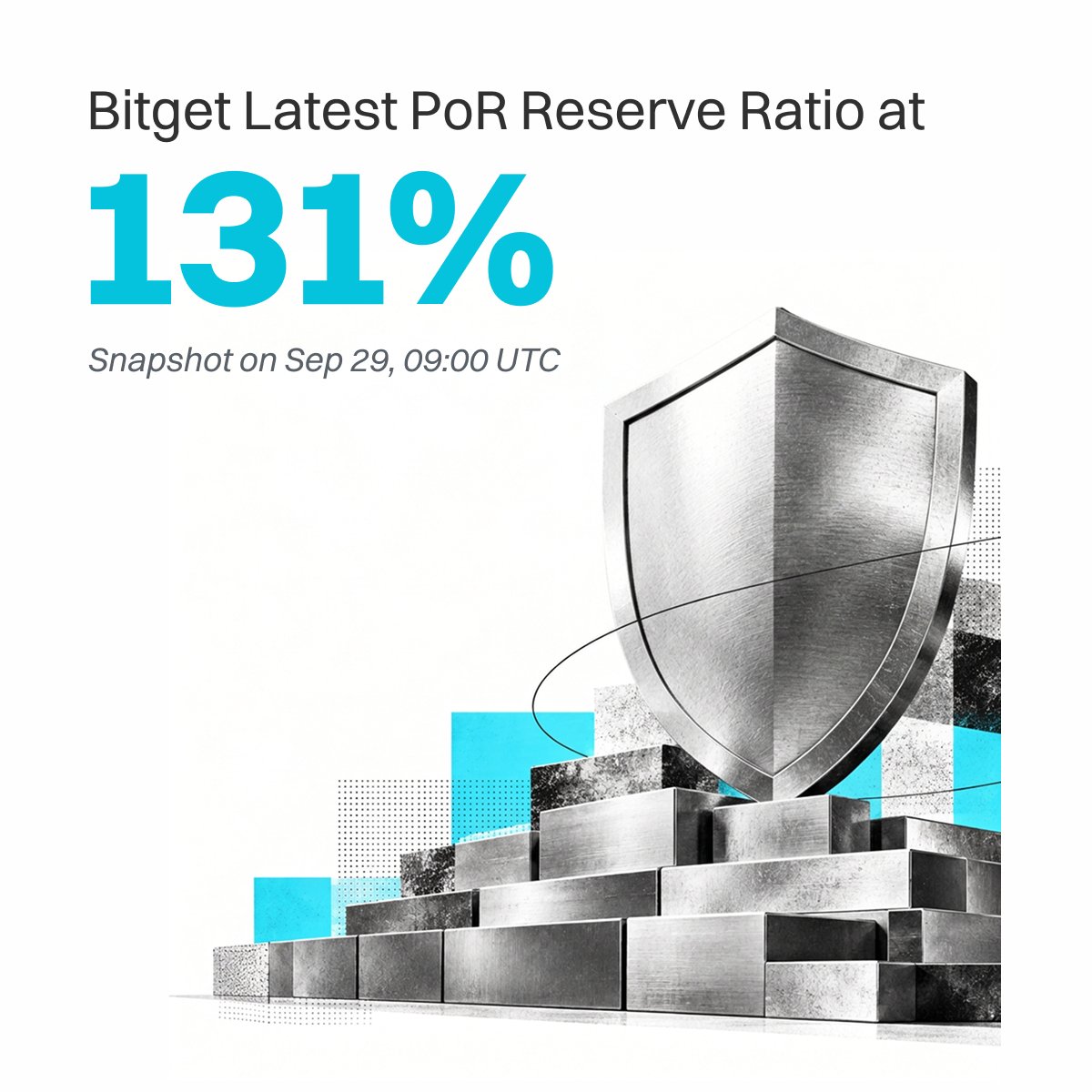
Our latest Proof of Reserves (PoR) is out 🔒
Bitget recorded an overall reserve ratio of 131%, with reserves remaining above the 1:1 benchmark for covered user assets.
The latest snapshot covers 19 assets, all with reserve ratios above the 100% reserve benchmarkOur latest Proof of Reserves (PoR) is out 🔒
Bitget recorded an overall reserve ratio of 131%, with reserves remaining above the 1:1 benchmark for covered user assets.
The latest snapshot covers 19 assets, all with reserve ratios above the 100% reserve benchmark.
Son günlerde hepinizin bildiği Bitget hack olayının detaylarını ve kullanıcılar tarafında beklentilerin ne olması gerektiği konularını detaylı konuşmak üzere @bitget CEO’su @GracyBitget ile biraraya geldik.
Akşama Türkçe altyazılı yayınlarım buradan ✌🏻
Bitget hack olayı sonrası kademeli olarak çekim işlemlerini açtığını duyurmuştu, şimdi de kullanıcılarına destek olmak amaçlı hem trade hem de para tutma görevlerini içeren bir etkinlik havuzu duyurdu.
Şu anda ödül 800K$ ve büyümeye devam ediyor ✅
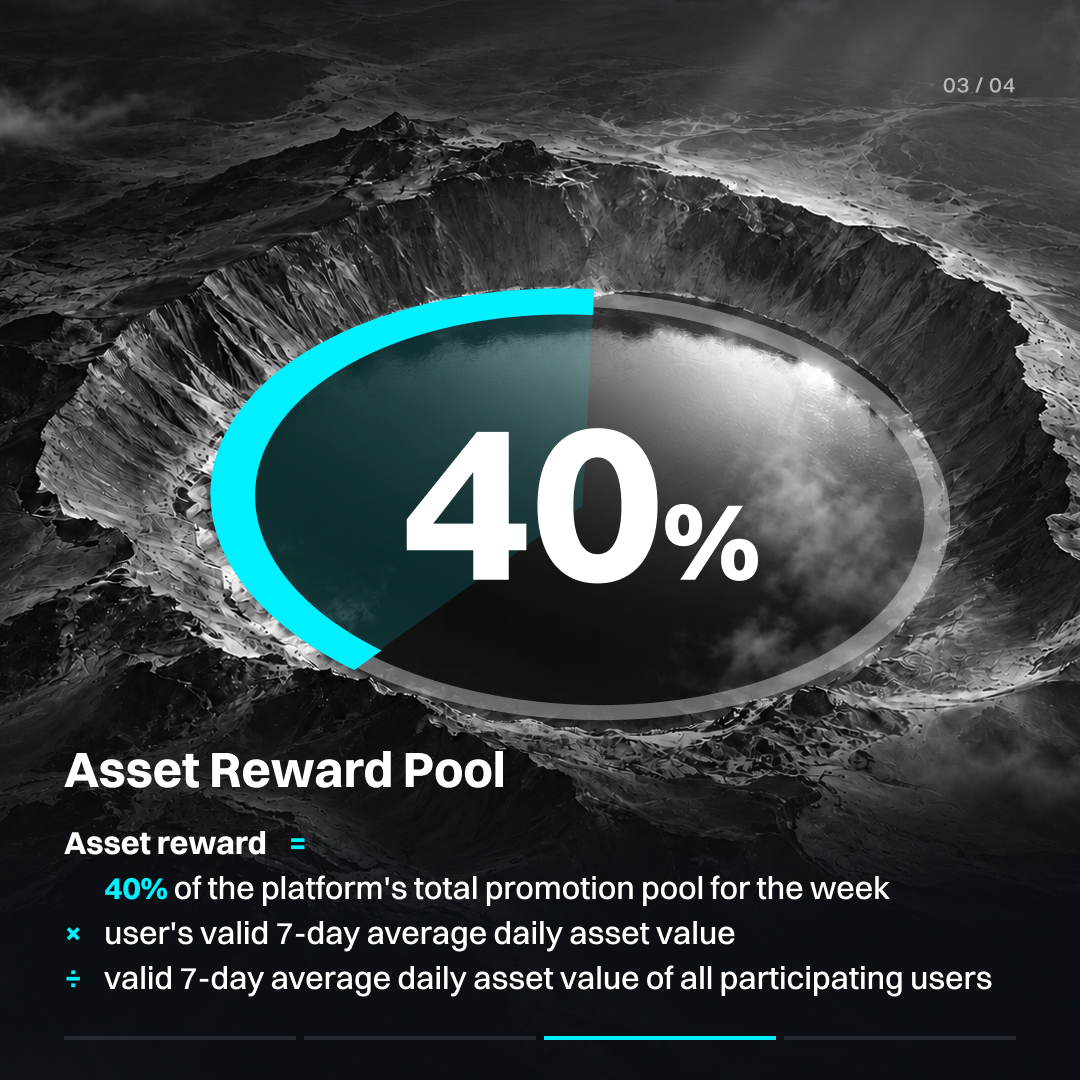
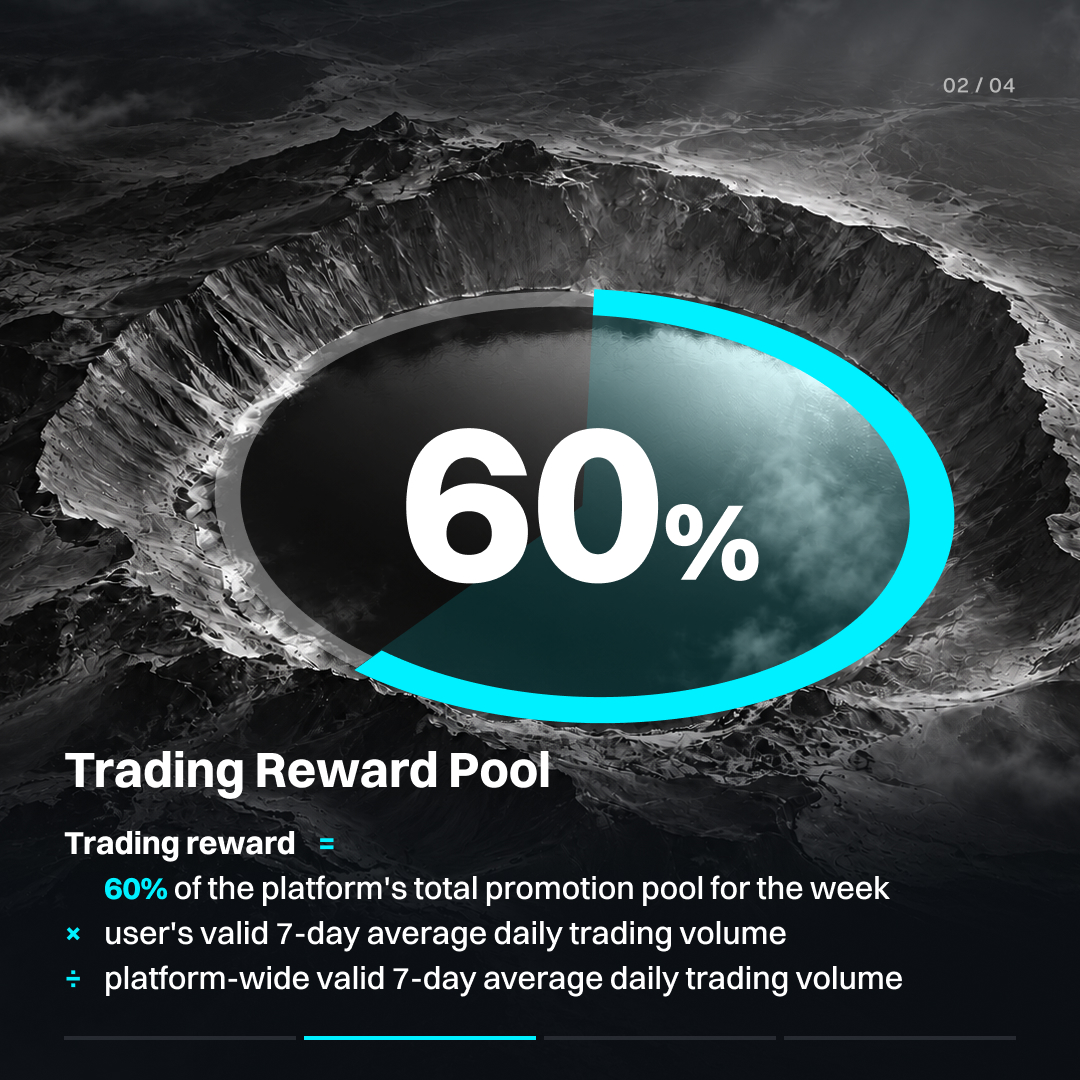
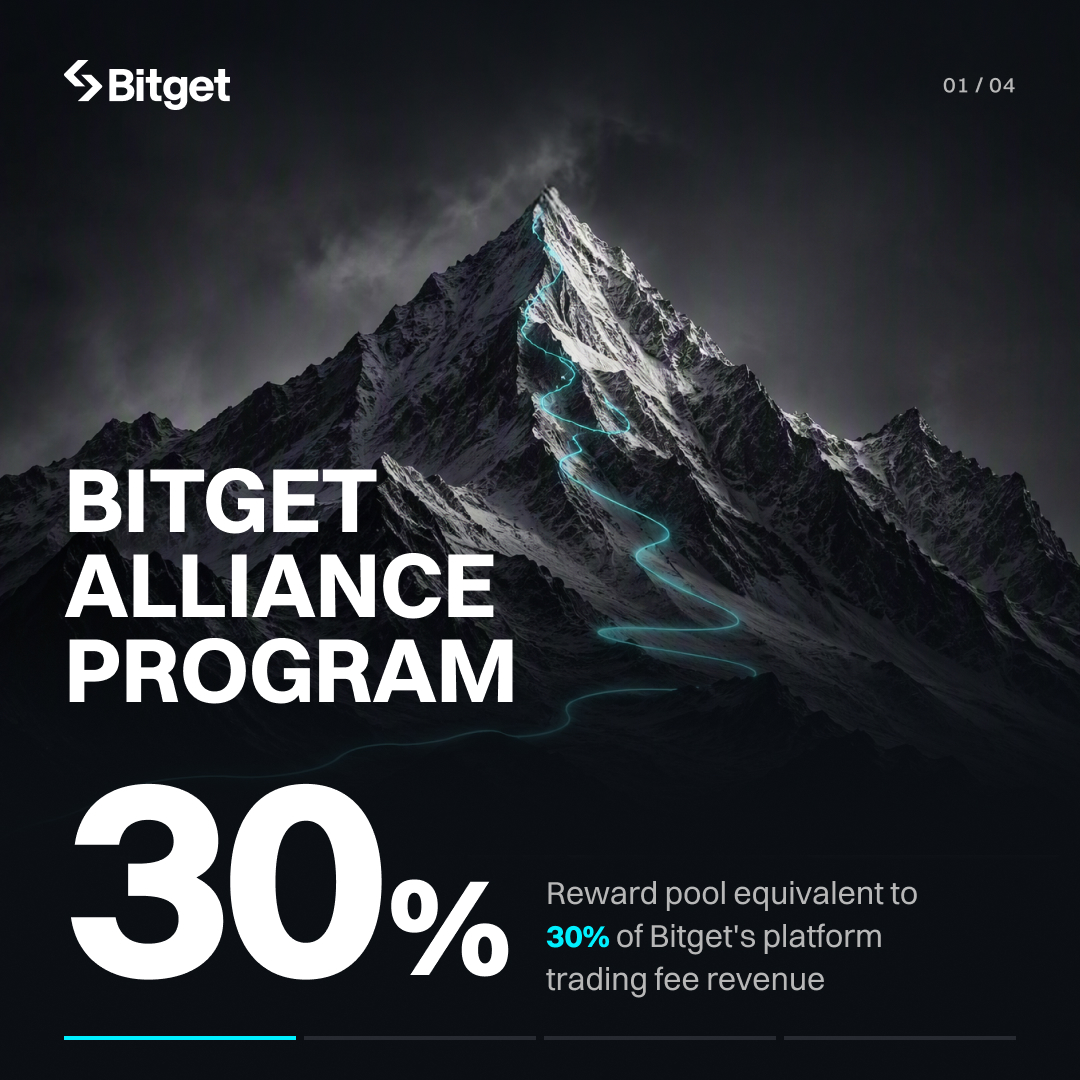
In recognition of our community's continued trust and support, we're launching the Bitget Alliance Program to enhance the trading and asset experience on the platform.
During the promotion period, Bitget will establish an exclusive user reward pool equivalent to 30% of the platform’s transaction fee revenue.
Rewards will be distributed to eligible users based on their valid trading contributions and valid asset value.
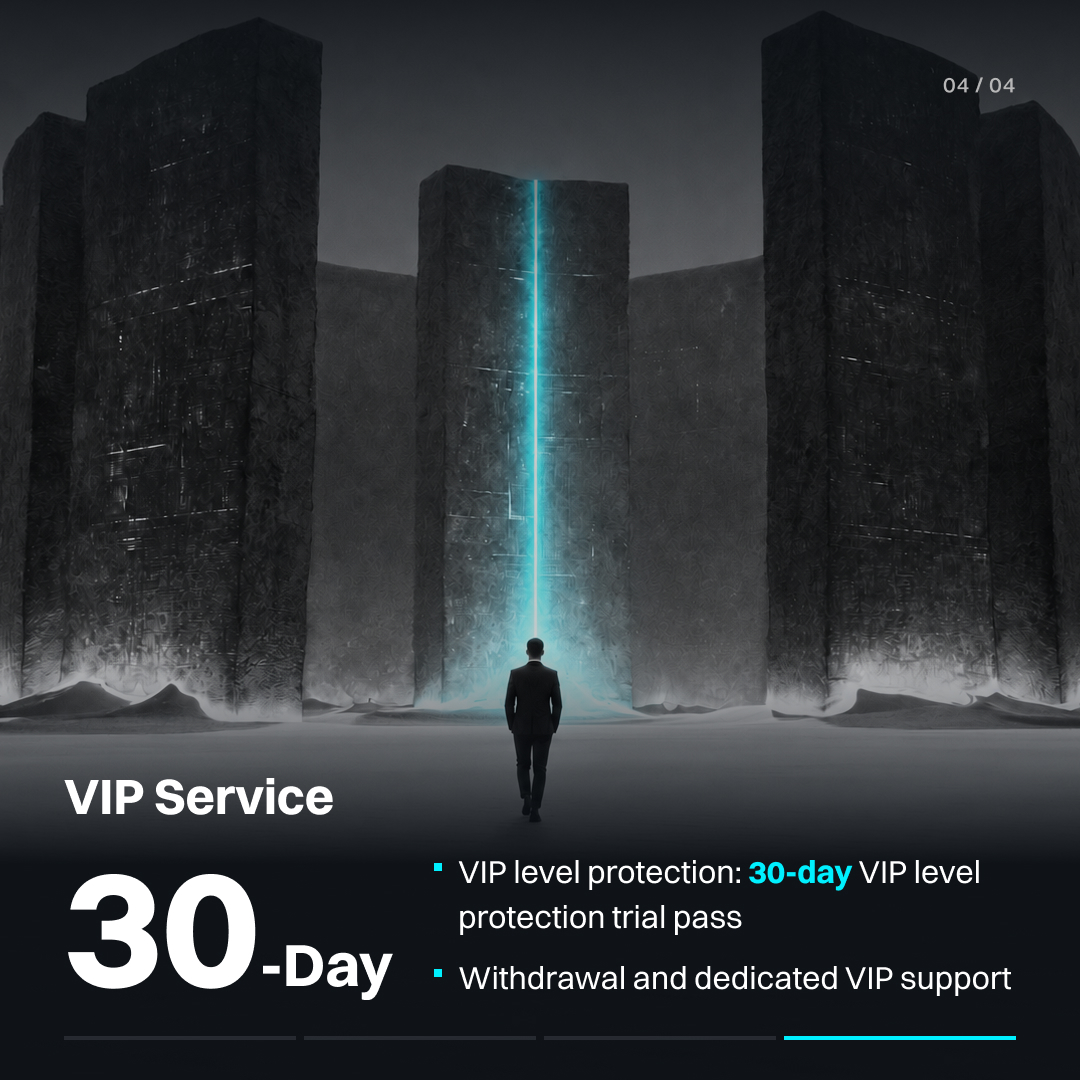
In addition, eligible VIP users will receive 30 days of VIP level protection, ensuring continued access to their existing VIP benefits while offering more tailored support across different user groups.
Friends and partners,
I wanted to personally share that our CEO, Gracy Chen, will be hosting a livestream today at 10:30 (UTC+3) to provide a direct update on the recent security incident.
She will cover the investigation findings, user asset protection, the withdrawal restoration timeline, recovery efforts, and the steps we are taking going forward.
I know you may have questions, so I wanted to make sure you have the opportunity to hear the latest information directly from our CEO.
You can join here:
https://t.co/0R80iwv9UW
https://t.co/s28ECxCuzr
Bitget will begin resuming withdrawals in orderly phases following the security incident identified on September 24.
The vulnerability involved in the incident has been identified and remediated.
Bitget's security and technical teams have since been conducting additional validation and security checks across the withdrawal infrastructure, while independent cybersecurity experts Mandiant and SlowMist continue to support the investigation.
The temporary withdrawal pause remains a security measure and is not related to the availability of user assets. User account balances remain unaffected, and Bitget's Protection Fund covers the financial impact of this platform-wide incident.
Withdrawals will resume in an orderly manner once these security checks are completed.
The current withdrawal resumption schedule is as follows:
> Sep 28, 8:00 (UTC): BTC (Bitcoin Network)
> Sep 29, 8:00 (UTC): ETH (Ethereum, BSC, Arbitrum, Base, Optimism)
> Sep 30, 8:00 (UTC): USDT (Ethereum, BSC, Solana, Tron)
> Oct 2, 8:00 (UTC): Other Tokens / Fiat / P2P
Our objective is to restore withdrawal services across all supported assets and networks as quickly and safely as possible.
The incident remains contained, and no further unauthorized transfers are possible. User funds are unaffected throughout this process. Trading and deposits continue to operate.
Users do not need to take any action ahead of the rollout. Withdrawal availability will be reflected directly on the Bitget platform, and users are advised to follow Bitget's official channels for updates.
We stand with @bitget and its users after the recent incident.
Our security team has been working closely with their side since it was detected, sharing intelligence, tracing funds, and supporting recovery.
In moments like this, the industry unites against the attackers. The work continues.