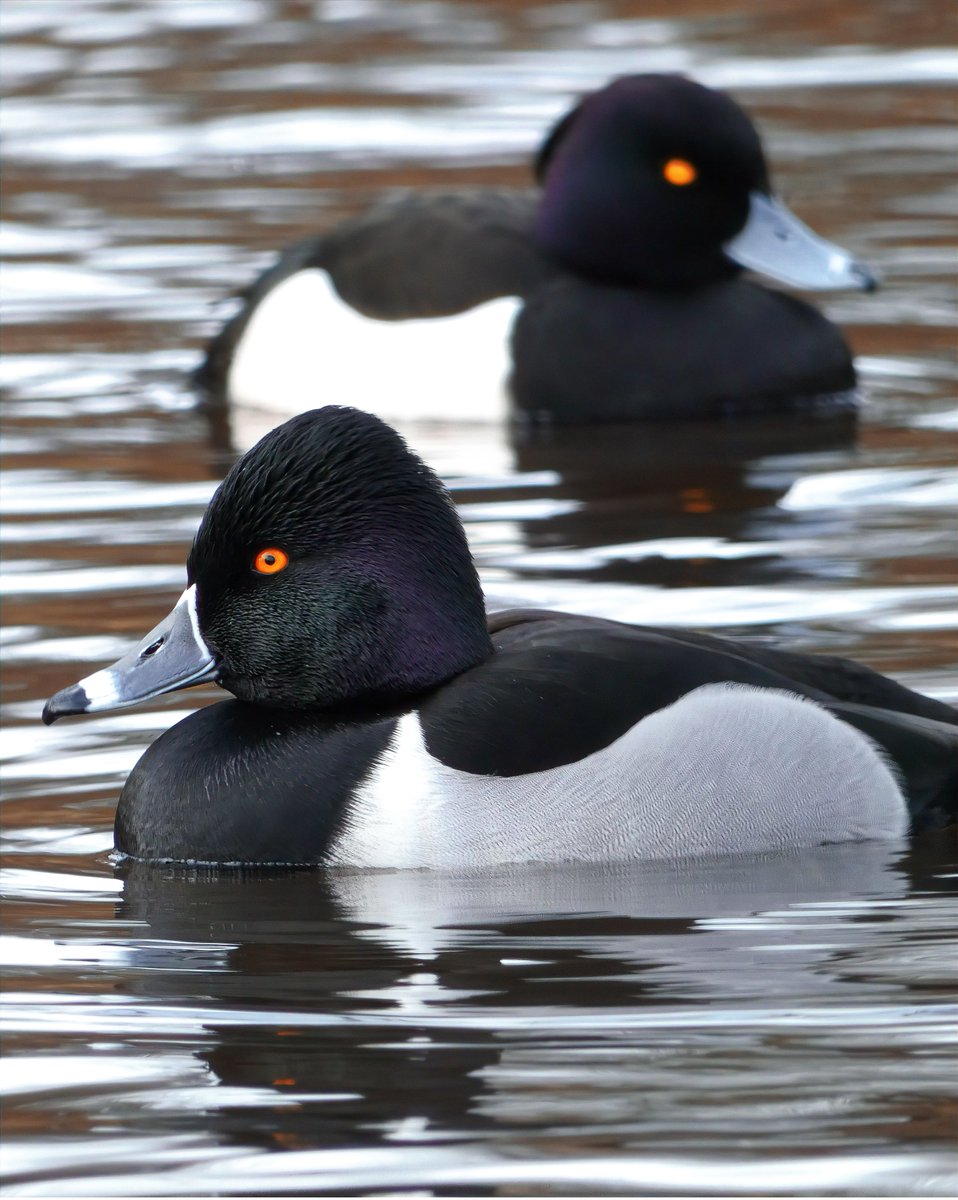
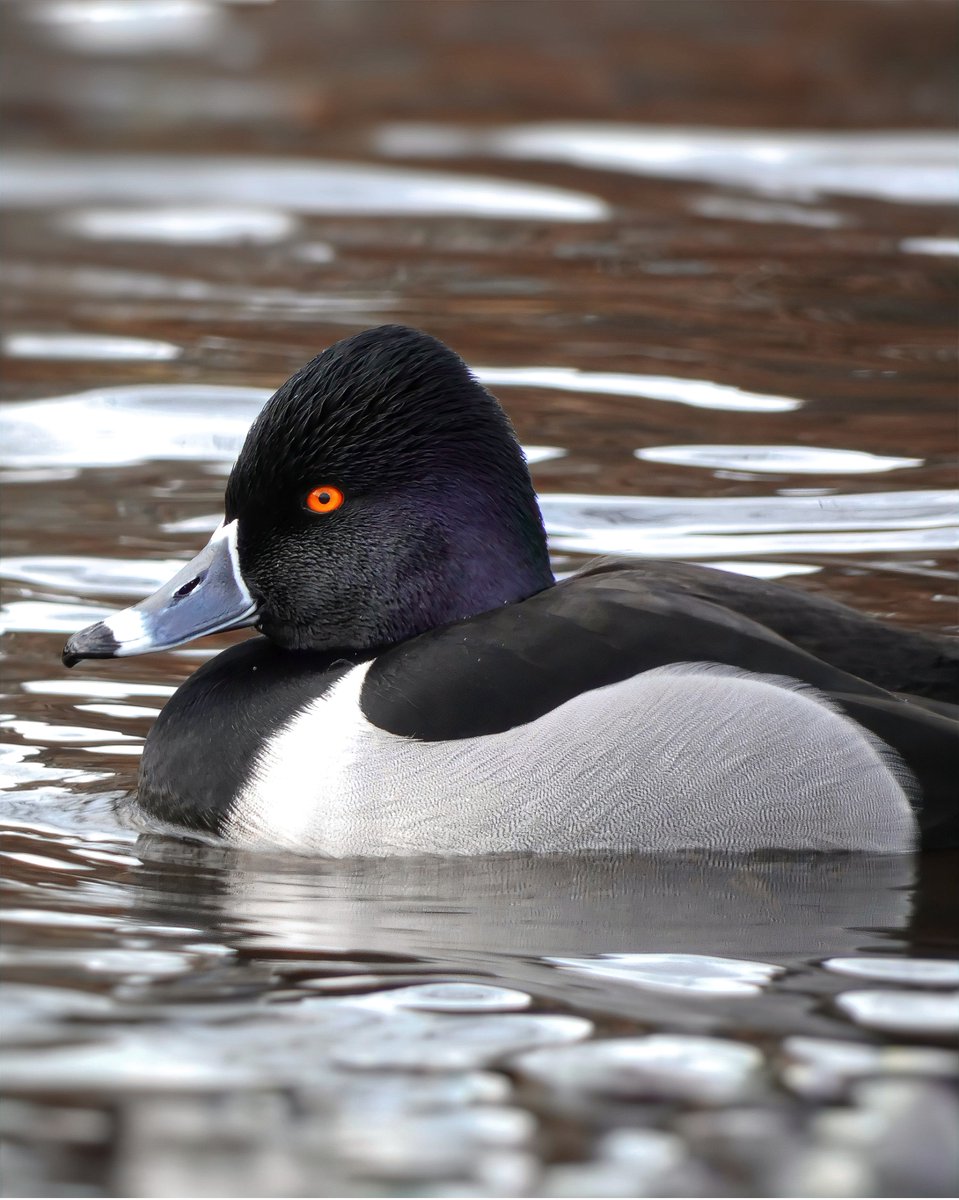
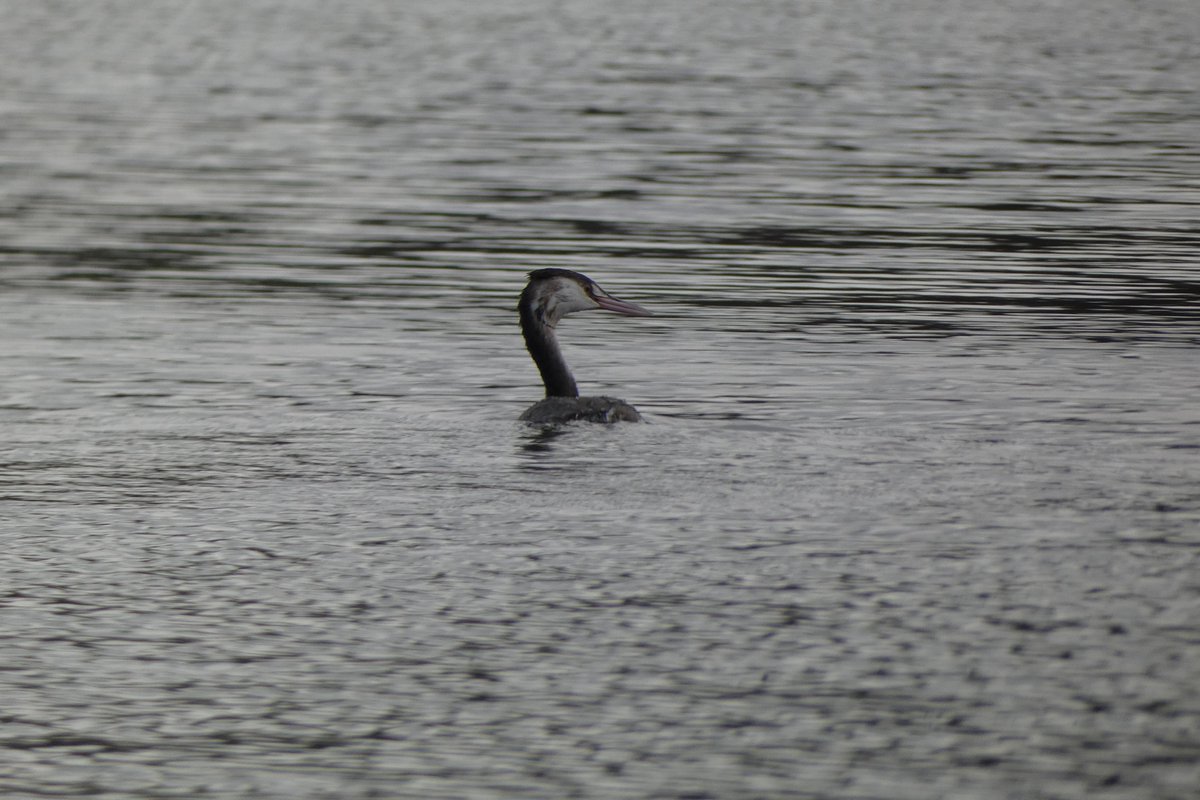
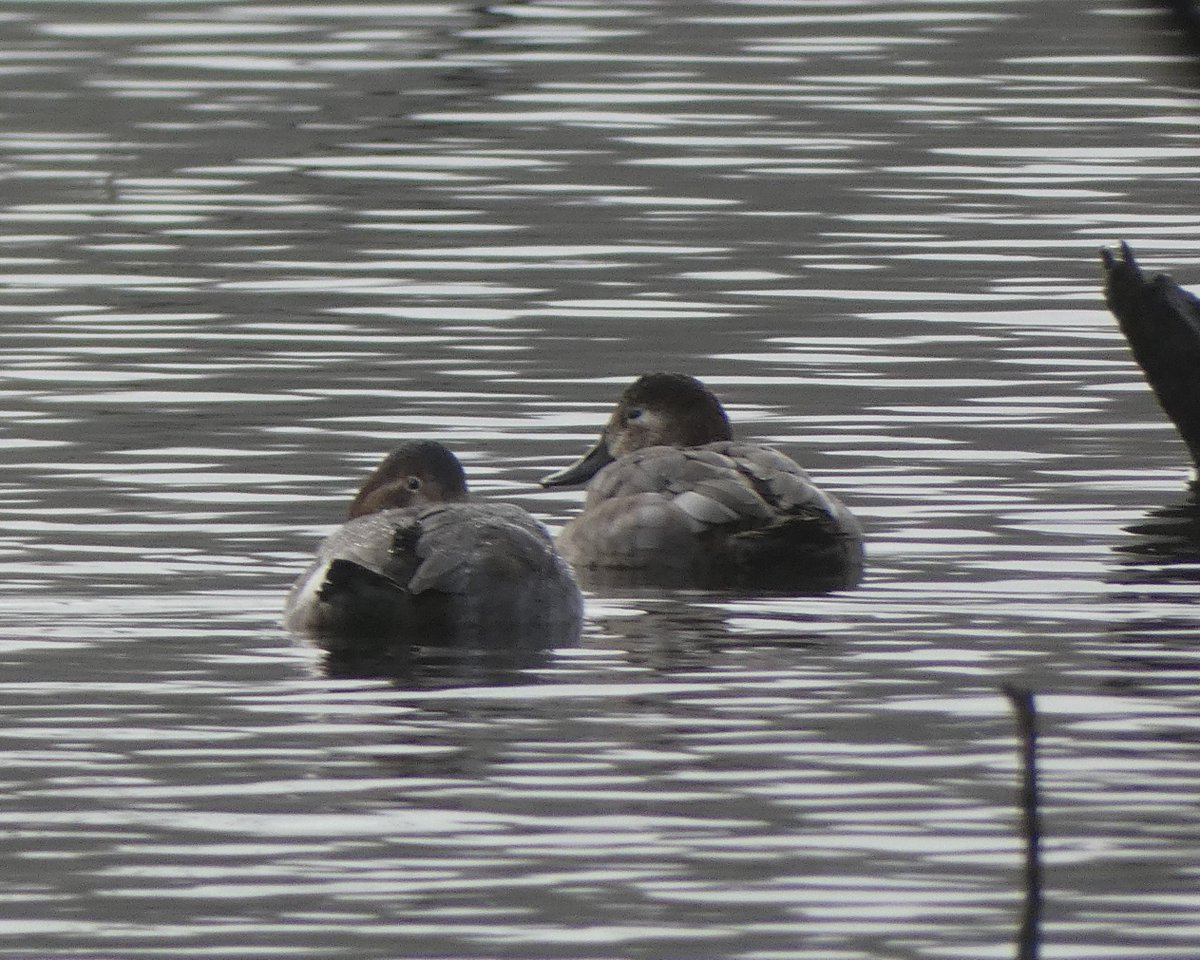
Another shot of the ring-necked duck when it was at Maxwell park, with a tufted duck in the background for comparison.
#nature#wildlife#NaturePhotography@_BTO
Drake ring-necked duck on Maxwell pond this morning. Cracking looking bird and great to see it still going strong (presuming it's the same bird that visits every year).
@Clydebirding@RSPBScotland#nature#naturep
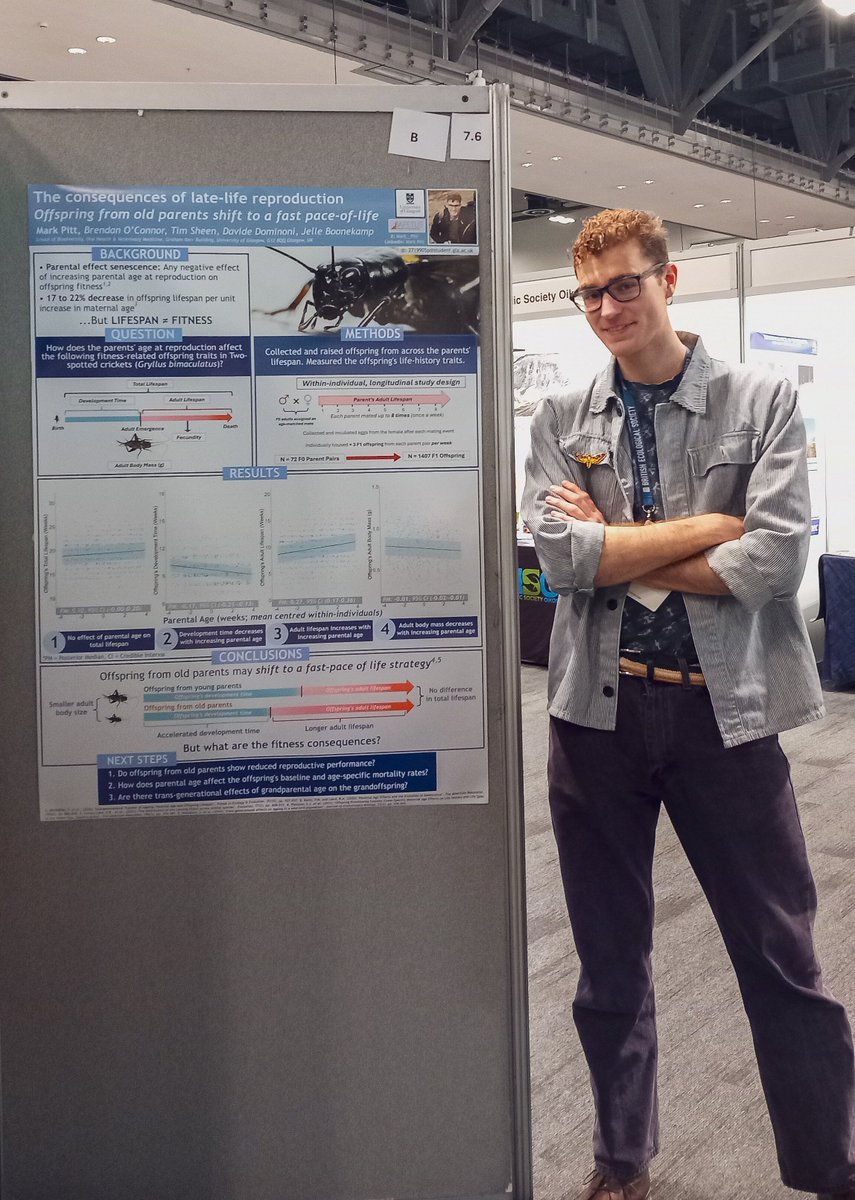
Had an amazing time at the
@BritishEcolSoc conference in Liverpool. Great to hear about the fascinating work being undertaken by so many ecologists. Feeling quite inspired!
#nature#ecology#science@UofGSBOHVM
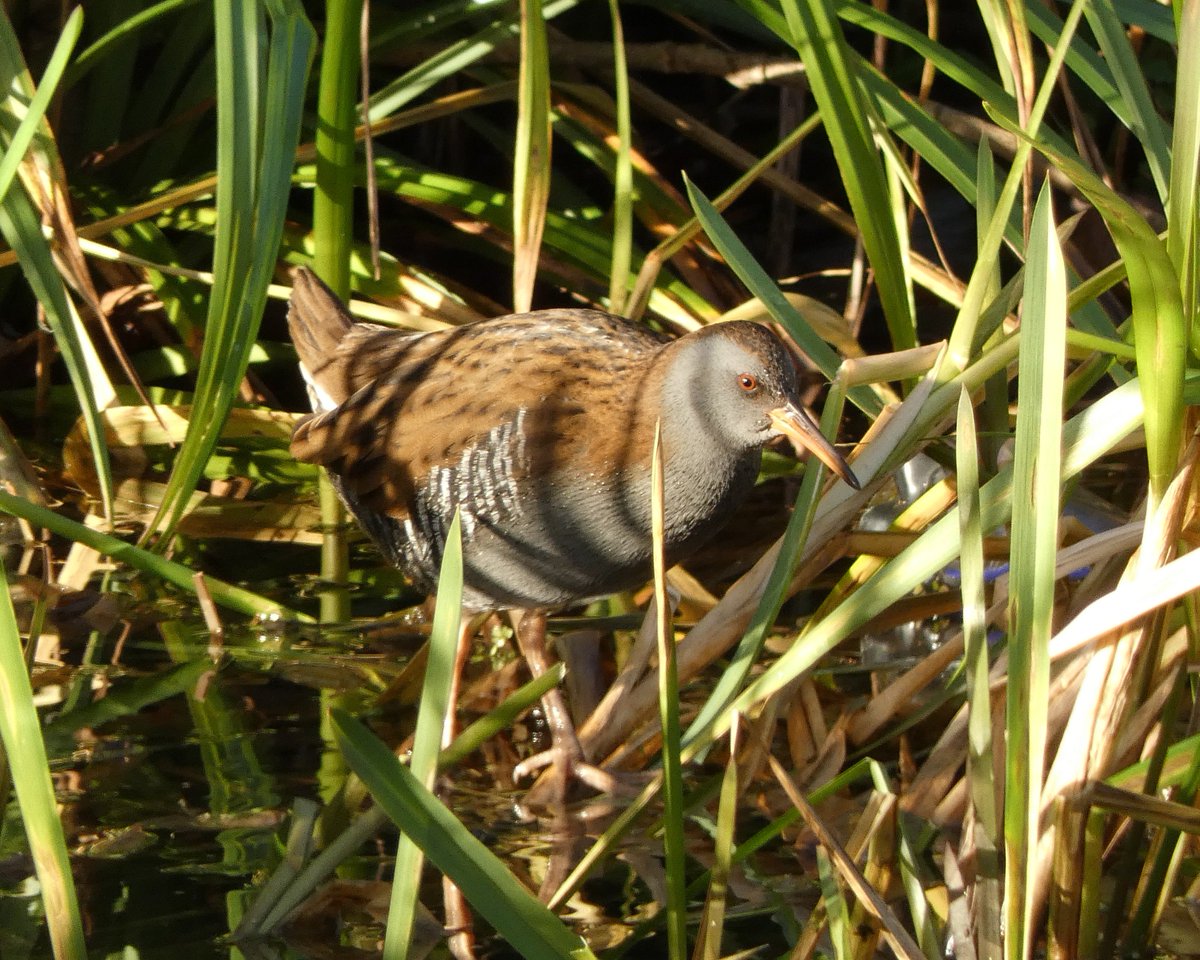
Great day along the Forth and Clyde canal and the kelvin walkway. Spotted a couple of kingfishers and a water rail. Also an unusual duck, I'm assuming an intersex mallard??
@Clydebirding@BirdHybrids@BTO_Scotland
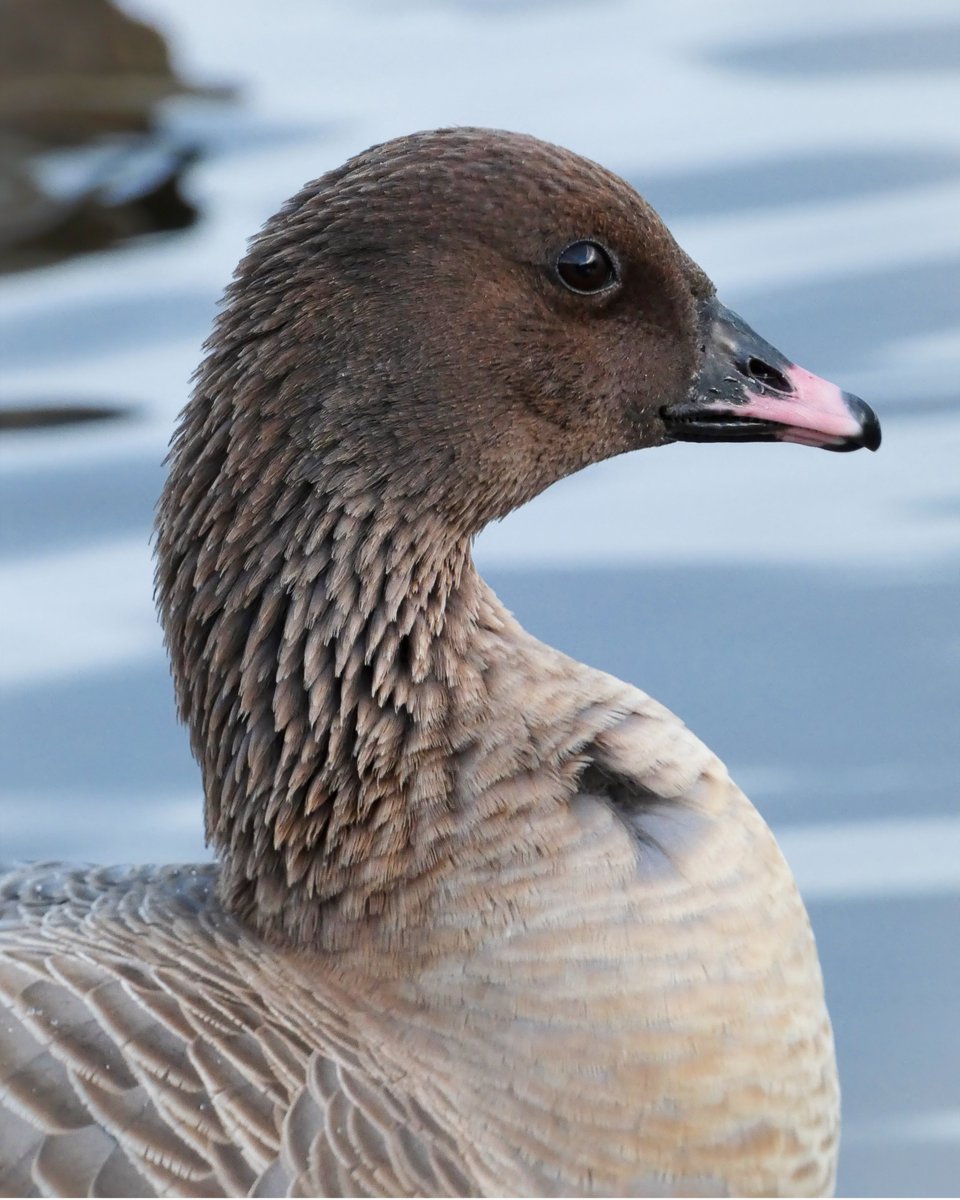
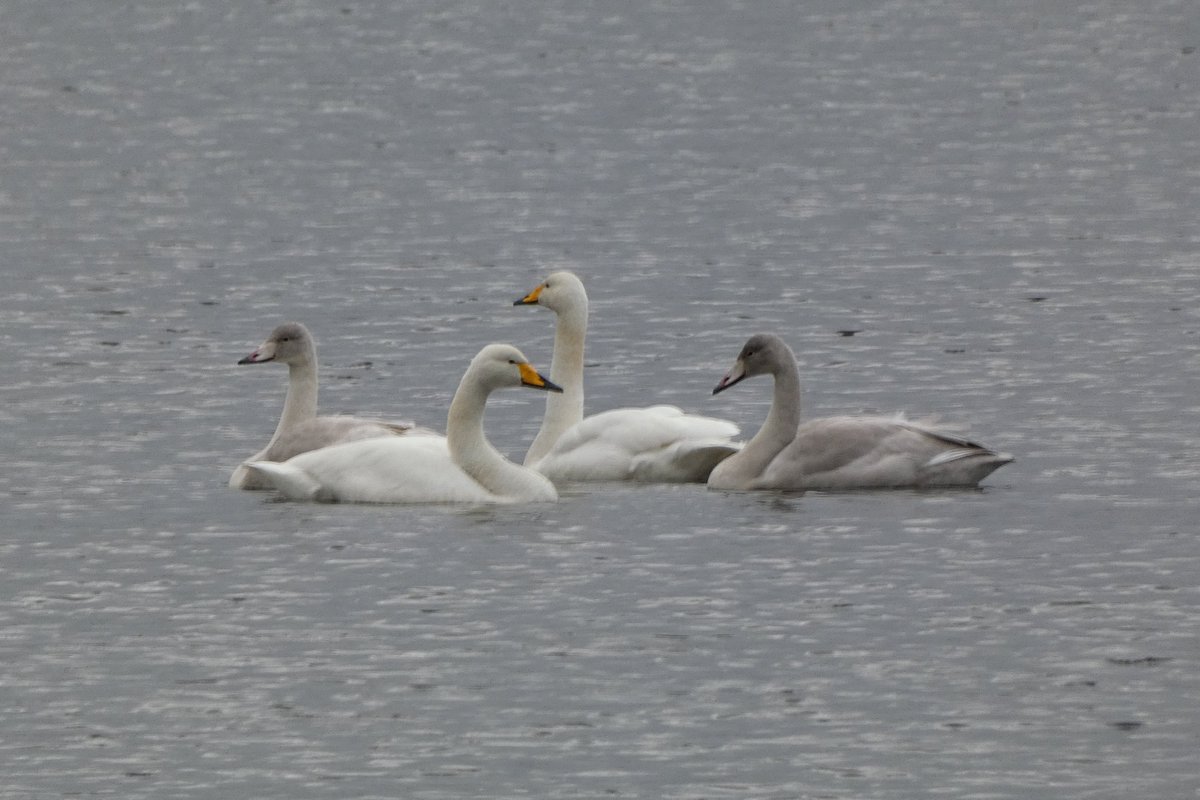
Nice to get out to Lochwinnoch to do some birdwatching. Spotted a couple of pink-footed geese at Castle Semple. Also nice to see the whoopers have returned. @Clydebirding
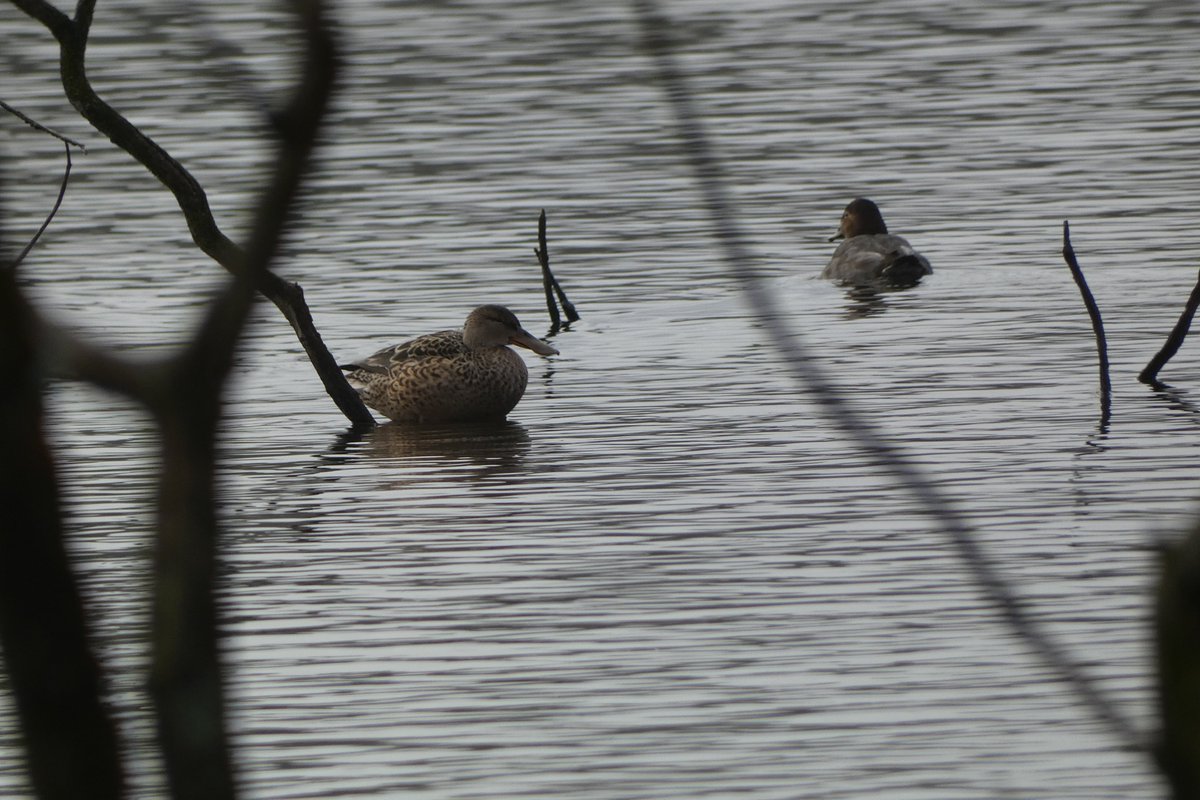
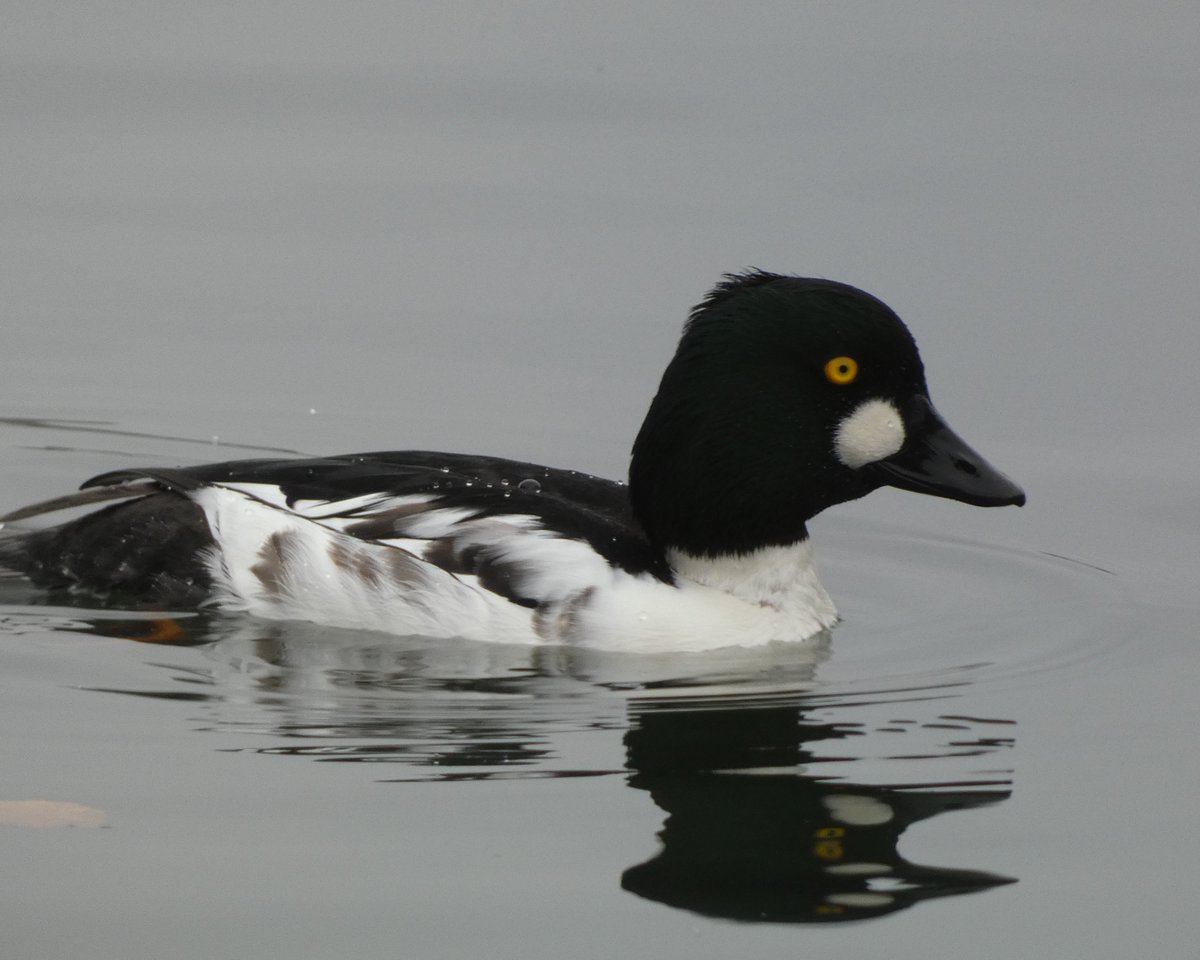
Finally managed to get out to do some birding today. Spotted four pochards on Frankfield Loch, along with six shoveler. A few Goldeneyes on Hogganfield loch as well. @Clydebirding
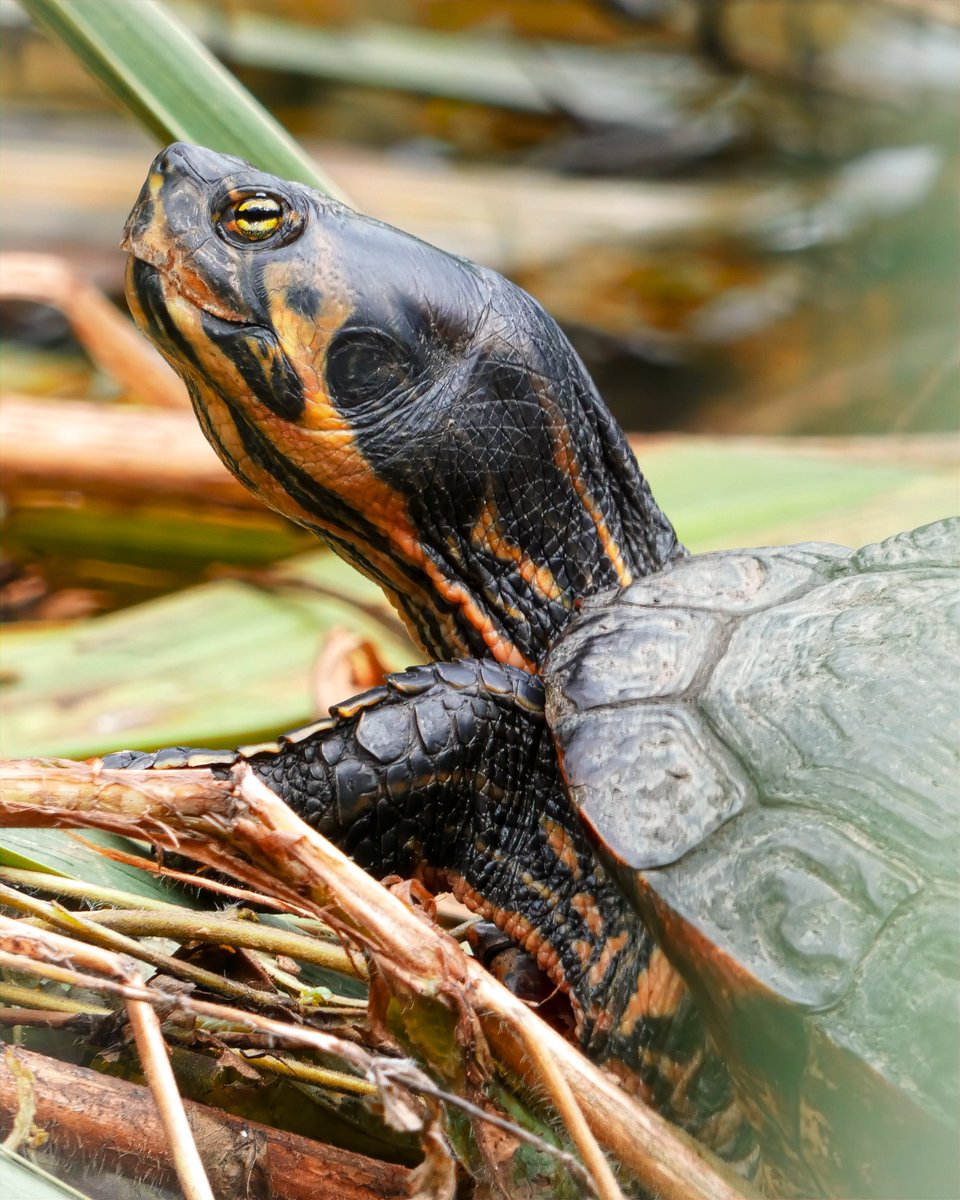
Was not expecting to find a terrapin in Maxwell park, Glasgow. I knew there were a few in the city, but this is the first time I've seen one myself.
#nature#photography@RSPBScotland@WildlifeTrusts
New research suggests that environmental constraints could limit the number of eggs that urban female birds lay. 🐦⬛ @Mark__Pitt
Read the full paper here: https://t.co/T0AoDwusEI
Excited to see this work be published! Our study attempted to understand why urban blue tits produce smaller clutches than their non-urban counterparts. Is this a result of environmental constraints? Or is it an adaptative response to the urban habitat? https://t.co/OQRSZDapnS
Interested in what we found out? Make sure to give our paper a read! A huge thank you goes out to everyone who helped with this, including @p_capi, @ClaireBranston, @carlon3o, @dmdominoni and to @sceneUofG and @UofGSBOHVM for facilitating/supporting this work.
If the small clutches of urban blue tits are a result of environmental constraints (due to nutrient/energetic constraints in the urban habitat), we predicted that, following egg removal, they would not lay new eggs as they are already laying their maximum number of eggs possible.