@KymMcDoNZF You have outlined how the India Free Trade Agreement will create uncapped immigration. Given this, when will you campaign to cancel the agreement? And will it be a non-negotiable policy?
𝐖𝐚𝐭𝐭𝐬 𝐦𝐚𝐤𝐞𝐬 𝐛𝐚𝐝 𝐥𝐨𝐜𝐚𝐥 𝐠𝐨𝐯𝐞𝐫𝐧𝐦𝐞𝐧𝐭 𝐁𝐢𝐥𝐥 𝐰𝐨𝐫𝐬𝐞
The Taxpayers’ Union is welcoming the Government’s move to strip unelected Independent Māori Statutory Board members of voting powers, but says its latest Amendment Paper will kill off councillors’ ability to govern effectively.
Taxpayers’ Union spokesman James Ross said:
“Council voting rights should belong to people elected by ratepayers. The Government is right to fix the IMSB mess, although why basic democratic accountability needs a six-month transition is anyone’s guess.”
“But the real rot in local government is councillors having to resort to LGOIMA requests just to access information. It beggars belief the Government has somehow found a way to make that broken system worse by giving chief executives a veto.”
“Watts told ratepayers he was increasing the rights of councillors to access information. Now he’s set to pass a law that does the opposite and hands even more power to council bosses. He’s literally making the problem worse.”
“At least the previous version of this Bill let the council as a whole overrule obstructive chief executives. Watts is now scrapping even that flawed safeguard.”
“If unelected officials get the final say over what elected councillors are allowed to know, then the tail is well and truly wagging the dog. Watts is killing any pretence that democratically elected representatives run local government.”
The headline story is Labour trying to sneak an "online safety regulator" into their AI policy earlier in the week - which, if Australia is anything to go by, would have a significant chilling effect on adults speaking freely online.
However, we also note that their policy document and media release (which came out the same day) contradict one another regarding where the department will sit.
It is hardly reassuring when a major party puts forward an regulator with sweeping powers over the internet, yet doesn't know who will be in charge of ensuring it doesn't violate our rights.
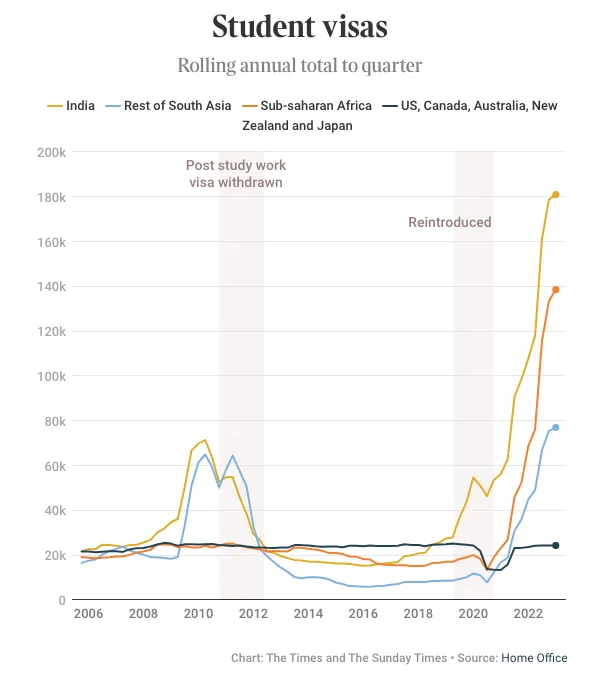
@BillyBrown1983 "As is well documented, the policy change had the largest impact in South Asia and particularly India and Pakistan where there was a significant drop in the flow of students coming to the UK."
@BillyBrown1983 The universities will fight tooth and nail against this policy. When it happened in the UK, the number of international students cratered because many were not coming for education but for the visa. https://t.co/Jg6kVUXBoE
@MHReddell The History of Money (I think the correct title) by Niall Ferguson is pretty good, but I don't remember such innovative solutions for poor monetary policy!
@Charteddaily More coal consumption = lower energy prices (provided it is not penalised with green taxes) and lower energy prices would help our economy grow and lower bills for consumers.
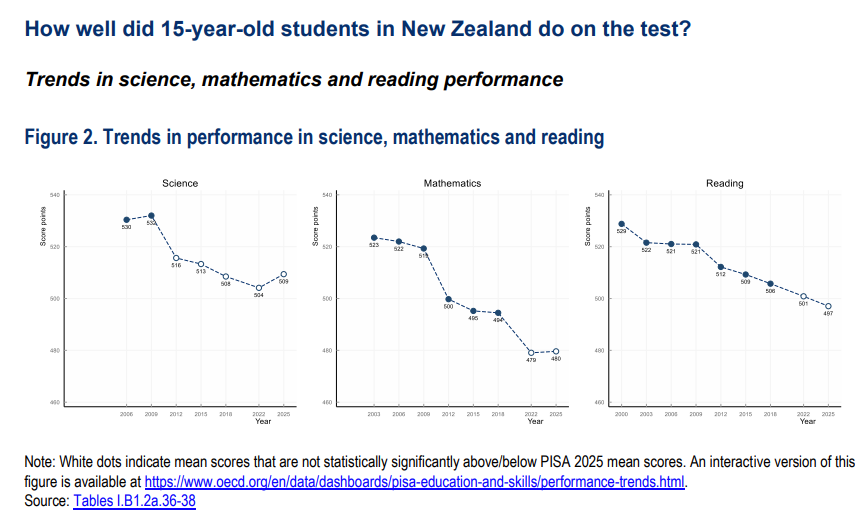
@MHReddell I didn't take much comfort in the first place, and even less now. Even without the dodgy engagement in NZ, the results were not good. One area saw a small uptick, one was flat, and one was still in decline. https://t.co/uR1t62oWcG
@SRCHicks I 100% agree with this. The trouble is that I have seen similar articles for at least a decade and nothing changes. I am increasingly on the side of people like Peter Boghossian: the universities cannot be saved.
@caffeineworship@winstonpeters@gaye_ess Yes, there are many opportunities for collaboration whilst still remaining distinct, but their personal grievances get in the way.