If the goal is strengthening America's medical device industry, there are better tools than tariffs.
Lower taxes. Smarter regulation. Faster innovation.
Tariffs raise prices, disrupt supply chains, and ultimately leave American patients footing the bill.
https://t.co/RU0NPGThuZ
Medicare Advantage was created to give seniors more choices—not to create opportunities for wasteful spending.
Market Institute President Charles Sauer joined the Scott Sloan Show to discuss how Congress and CMS can crack down on improper payments while protecting patient choice.
🎙️ Listen here:
https://t.co/uapxpWeM8W
.@AdamMossoff: Blaming patents won’t make drugs cheaper. It will make cures harder to find.
America leads the world in medical innovation because strong IP makes risky, billion-dollar R&D possible.
Gut patents, and you don’t punish “Big Pharma.” You punish future patients.
Patents are property rights, not barriers to competition.
When Washington weakens patent protections, it doesn’t help the market. It rewards copycats, punishes inventors, and lets large companies infringe first and pay later.
Strong IP rights are how innovation becomes competition.
Too often, patent policy debates are driven by slogans instead of data. Weakening patent protections won't lower drug prices, but it could undermine the incentives that drive medical innovation. Worth reading this analysis from @AdamMossoff
https://t.co/Nr460YzXi7
Government co-ownership of private firms distorts incentives, crowds out private capital, and undermines the market conditions that made American AI competitive. Sen. Sanders' wealth fund bill would do all three.
Central planning has a track record, and it isn't good.
Illinois legislators: let's block Waymo AND force Uber & Lyft into union negotiations. Translation: more red tape, higher prices, and less competition — all at the rider's expense.
This is what happens when government picks winners.
America's first transcontinental freight railroad just cleared another hurdle.
The STB accepted the revised UP-NS merger application for consideration. A seamless coast-to-coast rail network would strengthen supply chains, reduce transportation costs, and help keep the American economy moving.
https://t.co/Cn3jBTttmd
If candidates want to talk seriously about lowering health care costs this election season, they can't ignore 340B. The program was designed to help low-income patients, but research shows it has encouraged hospital consolidation and higher spending without clear evidence of improved care. Reform is overdue.
https://t.co/hVBabbKxYA
NEW: @CharlesSauer of member @MarketInstitute applauds the @FTC’s new five-year vision focused on protecting consumers and leaving the disastrous reign of @LinaMKhan in the past. More in the @DailyFreeman: https://t.co/fQna0VbKxJ
Medicare Advantage gives seniors more choices—but its broken incentives are costing taxpayers billions.
Charles Sauer explains how inflated risk scores and upcoding are driving wasteful spending and why Congress should pass reforms like the NO UPCODE Act.
https://t.co/7srMP2QUvG
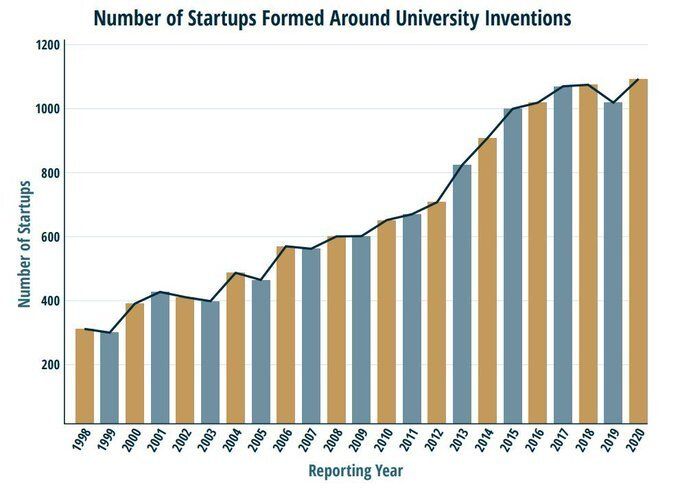
Bayh-Dole is a reminder that innovation doesn’t happen by accident. Strong property rights, clear incentives, and private-sector risk-taking turn federally funded research into startups, jobs, and real-world breakthroughs.
That’s how America leads.
One of America's greatest strengths is forming startup companies that drive economic growth and innovation -- thanks in part to the Bayh-Dole Act! https://t.co/rZMclmajog
Price controls are how politicians pretend to fight inflation while making the real problem worse.
They don’t lower the cost of energy, labor, or supply chains. They just tell businesses to eat the loss.
That means less investment, less supply, and eventually higher prices for everyone.
NEW: Red state real personal income has grown 71.2% since 2000, compared to just 49.2% in blue states.
That’s roughly 40% faster income growth before taxes — and the gap is even bigger after taxes.
Low taxes, less red tape, and pro-growth policies always win.