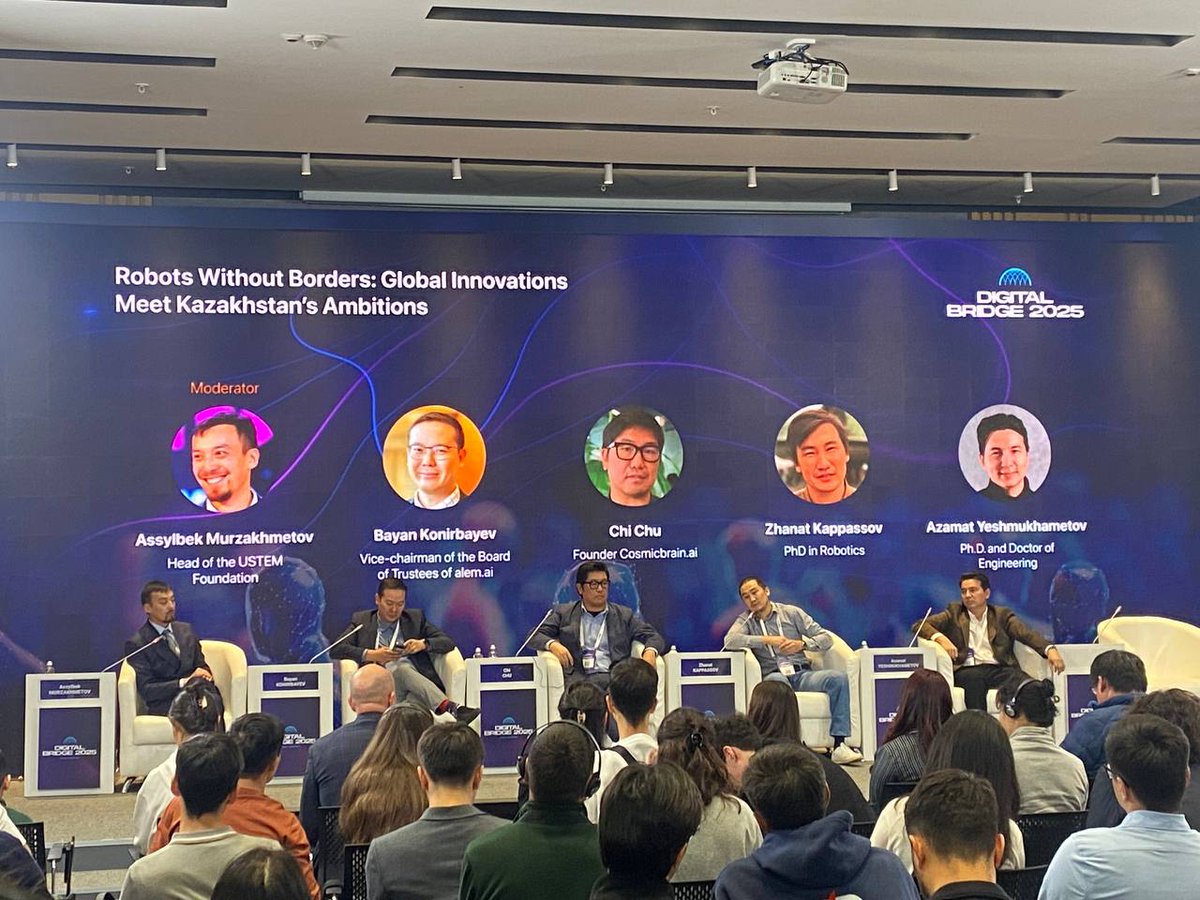
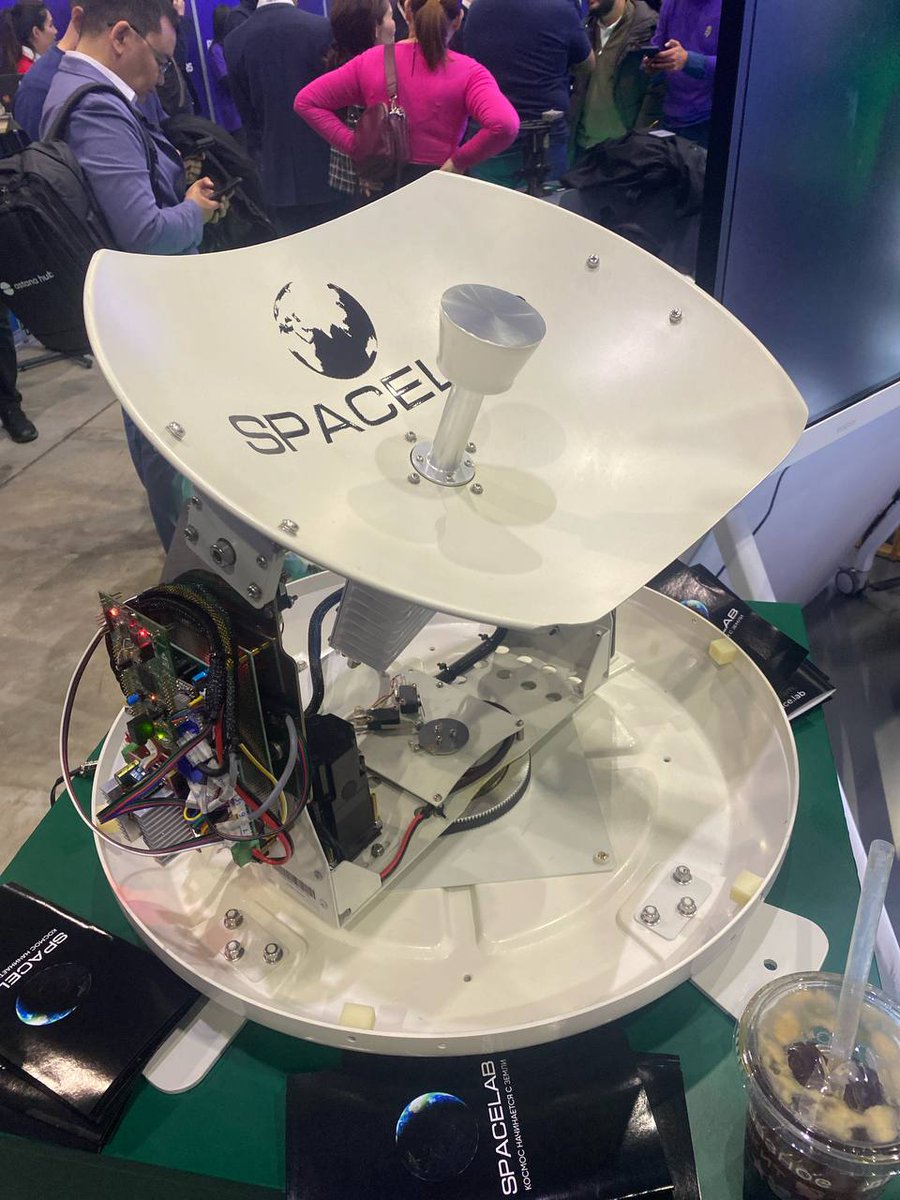
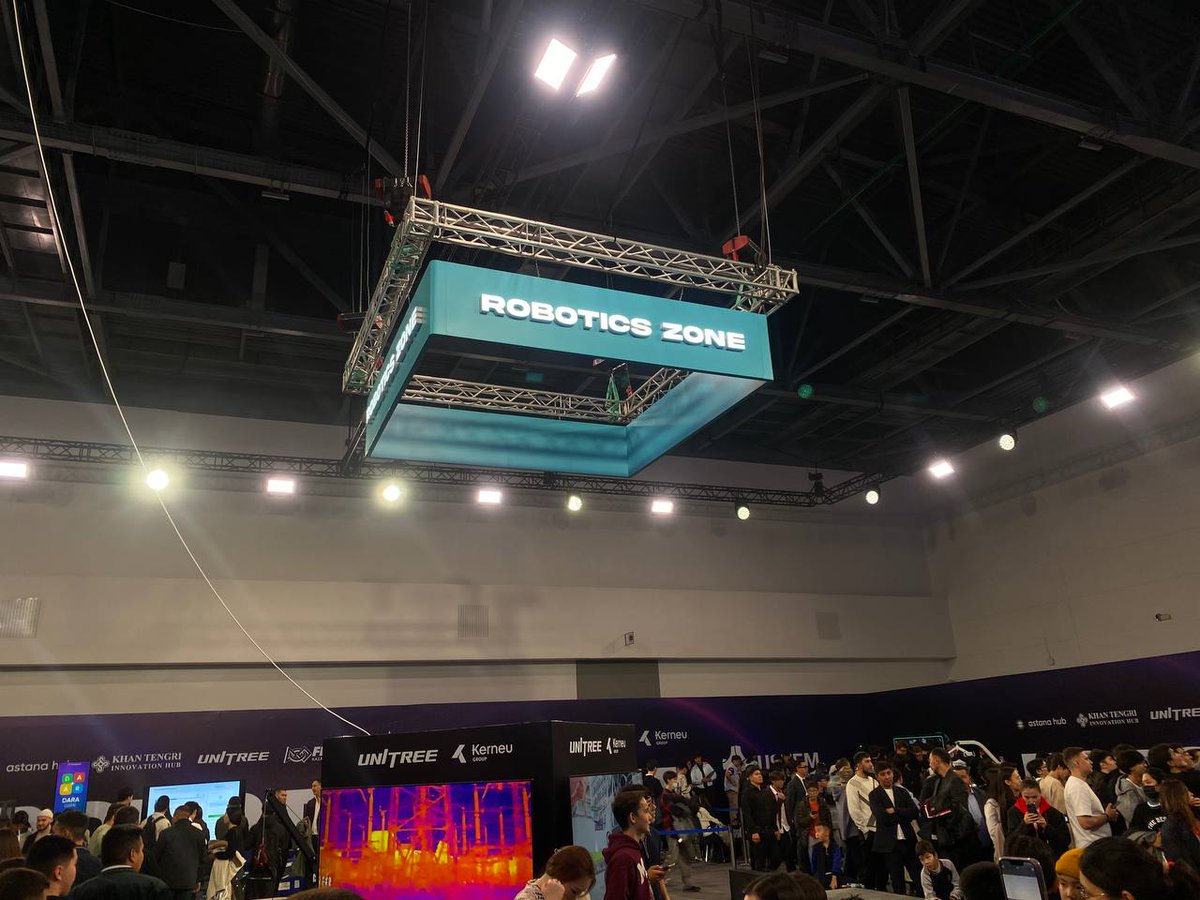
AYDO at Digital Bridge 2025 🇰🇿
Met amazing data providers — from mining and weather stations to medical and IoT networks.
Great to see traditional Web2 industries stepping into the decentralized data economy.
5/5
If DePIN is about openness, then economic accessibility has to be part of it.
A bring-your-own-device model makes contributing easier — and more realistic for most people.
Can DePIN scale without it?
1/5
DePIN has a hardware problem — and hardware costs, along with tariffs implications, are making it worse.
Most networks still expect participants to invest in expensive, often proprietary equipment just to get started.
4/5
Instead of requiring new hardware, it supports devices people already own — laptops, cameras, or general IoT devices.
This kind of flexibility lowers entry barriers and makes participation more practical.
3/4
With DePIN gaining traction across various industries - compute, storage, and now wireless - the shift toward decentralized infrastructure is becoming more tangible. The challenge now is scaling these networks efficiently while ensuring long-term sustainability.
Similar to how cryptocurrencies saw a shift from Web3.0 to decentralized finance, the introduction of Decentralized Physical Infrastructure Networks, or DePIN, seeks to decentralize control of technical resources such as computational power and wireless networks. Leveraging this technology, the platform AYDO bridges the IoT and blockchain technologies by enabling data streaming from IoT devices to DePINs.
Wevolver sat down with @AYDO_AI CEO @Markinlink to discuss the company's mission and impact on the IoT landscape.
Full interview here: https://t.co/hkAUwaXmy2
#blockchain #engineering #technology #defi #depins #iot
AYDO Testnet Is Live!
Explore AYDO: connect IoT devices, earn from your data, and get $AYDO Points.
👉 Join now: https://t.co/06HIEpT6W9
👉 Learn more in Discord: https://t.co/XKK0bB6wy9
#JointheAYDO
🧵4/4
@iotex_io
• A DePIN-focused chain built specifically to support decentralized physical infrastructure networks.
• Provides tools and modules designed for projects without forcing them into rigid structures.
• One of the earliest proponents of DePIN, offering affordable transactions and unmatched industry expertise.
Listen: https://t.co/M8eKQvVcsa
🧵1/4
Exploring Blockchain Networks: @partisiampc, @SolanaFndn, and @iotex_io
Recently, I hosted AMA sessions with Partisia, Solana Foundation, and IoTeX to discuss the key features of their networks. Each blockchain shared their approach, challenges, and how they contribute to decentralized infrastructure.
🧵3/4
@SolanaFndn
• With one of the largest developer ecosystems, Solana is powering innovation across the DePIN space.
• Known for fast and affordable transactions, Solana’s mature network supports a growing number of DePIN projects.
• By project count, it’s one of the largest DePIN ecosystems today.
Listen: https://t.co/czulcRhxj6
4/4
The challenge lies in balancing supply and demand of data. But the potential is massive: a future where data isn’t a limitation but a shared resource driving AI innovation forward.
What role do you think decentralized solutions will play in advancing data-driven innovation?
1/4
Companies like OpenAI and other major players in the AI industry are now facing a pressing challenge: the scarcity of accessible, high-quality data.
Data sources are depleting, harder to scale, and the cost of maintaining proprietary datasets is skyrocketing.
3/4
With blockchain-powered microtransactions, DePIN creates a marketplace where data providers and buyers can seamlessly interact. This system isn’t just scalable — it’s dynamic, adaptive, and far more cost-effective than traditional methods.