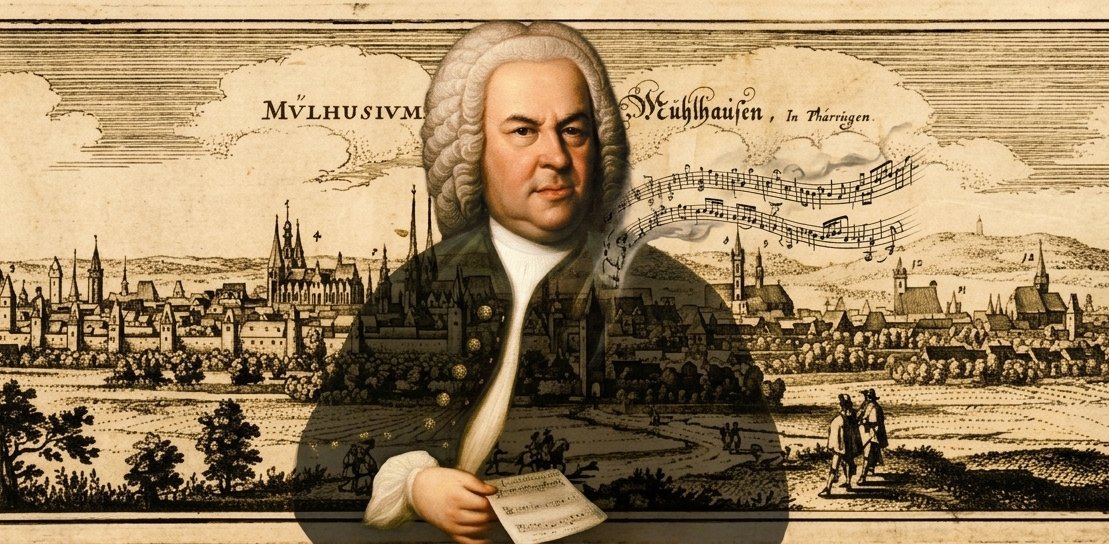
Our most vivid musical memories are never just about sound. They come wrapped in images, smells, emotions, and places. What a student's notes about candlelit streets in 1734 Leipzig reveal about how music works on us: https://t.co/RlF5i68Y8K
#MusicAndMemory#CulturalHistory#Bach
The separation of church and state feels like a given. But it wasn't always. For most of history, sacred music and political power were playing the same tune. What happens when religion is pressed into the service of power:
https://t.co/bahnvytlyh
#ChurchAndState#Music#Bach
History is never just a record of what happened. It is always a story told by someone, ideas and their blind spots. What Bach's biography teaches us about who gets to write the past, and why it matters: https://t.co/SbnWo40ZDw
#History#CulturalHistory#Bach
Every inauguration, every coronation, every ceremony: music is never just background. It is making power visible. What Bach's rooftop trumpets teach us about the politics of sound.
https://t.co/gobtml3Ivj
#MusicAndPower#CulturalCommentary#Bach
We like to think great art transcends politics — that genius rises above power and money. But what if that idea is itself a myth? What Bach's career teaches us about art, power, and the world that makes both possible: https://t.co/iBtJxSUWE6
#ArtAndPower#CulturalHistory#Bach
Auch die Rezeption ist eine Kunst und auch darin gibt es Genies – wie Jürgen Kesting. Er war das phonographische Gedächtnis der Gesangskunst. Ein Nachruf https://t.co/ioitTaW19a
Elgar concerto without conductor with fantastic Festival Strings Lucerne at KKL Luzern tonight. When a concerto becomes a chamber music piece - so much fun!
We like to think great art transcends politics — that genius rises above power and money. But what if that idea is itself a myth? What Bach's career teaches us about art, power, and the world that makes both possible: https://t.co/iBtJxSUWE6
#ArtAndPower#CulturalHistory#Bach
Many hear “organ music” and think Bach/Baroque. That sound world had a theological foundation: a 1597 Wittenberg statement affirming instruments in worship. I translate/analyze it in the Yale Journal of Music & Religion.
https://t.co/3WGkNXXjOV
#OrganMusic#SacredMusic#Yale
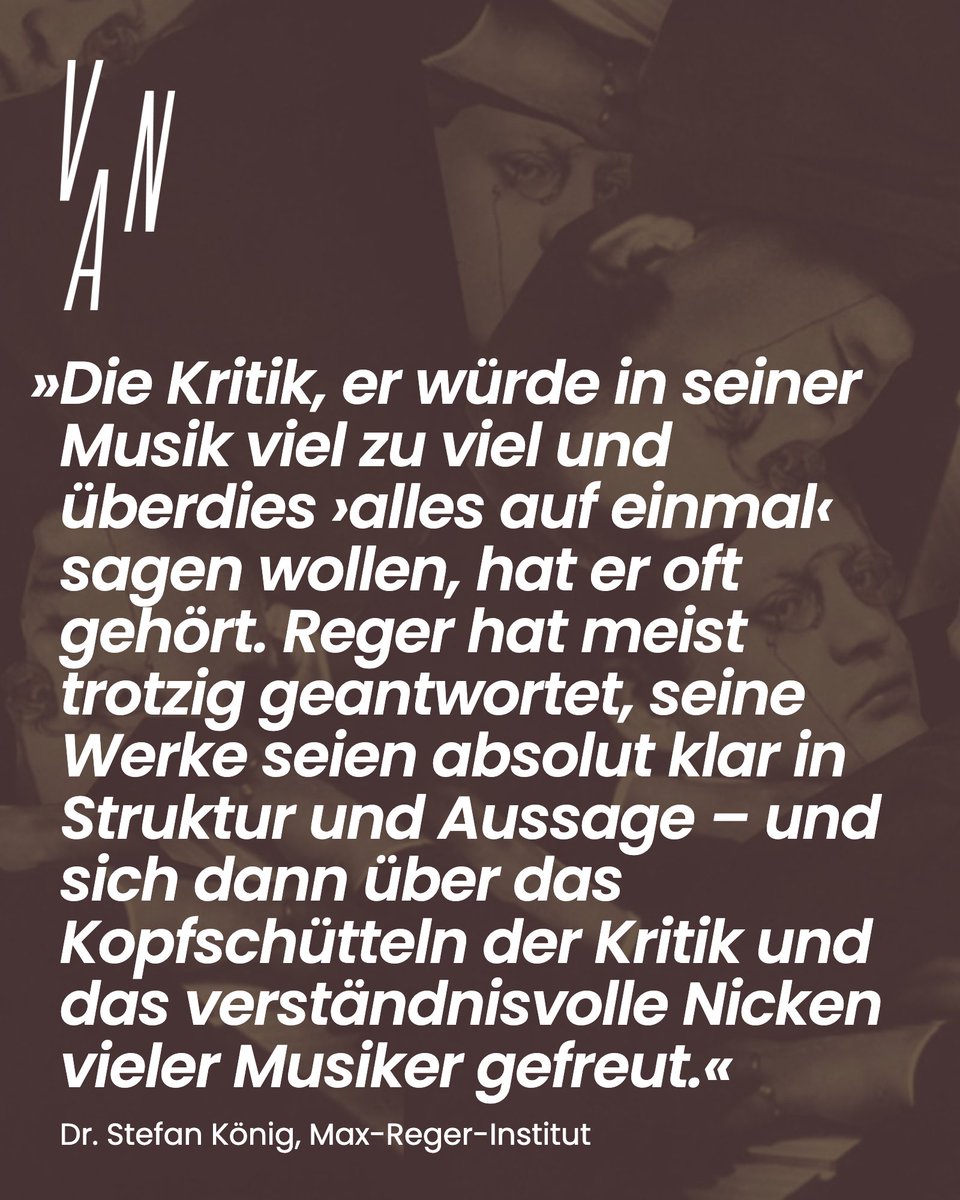
Vor 110 Jahren starb Max Reger im Alter von 43 Jahren in Leipzig. Musikwissenschaftler Stefan König vom Max-Reger-Institut in Karlsruhe über den aktuellen Forschungsstand und das Gefühl, nichts verstanden zu haben. https://t.co/1lIj7JRyGL
Johann Sebastian Bach’s Sinfonia No. 8 in F major, BWV 794 (1723): from the second section onward, the piece tightens its weave with subtle stretti—rare in these Sinfonias—while even the episodes draw their material from the very head of the subject. A miniature masterpiece of concentration and clarity.
https://t.co/R2kLmqBBHR
#Bach #BWV794 #JSBach #ClassicalMusic
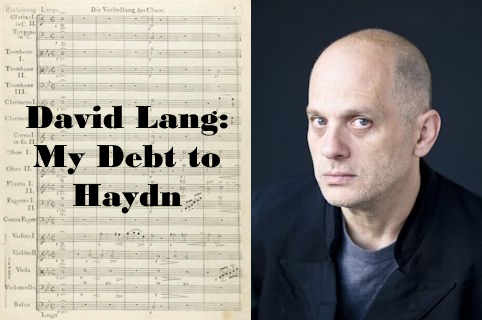
In a fascinating new lecture, composer David Lang re-examines Haydn's "Creation." Composed during the Industrial Revolution, how does this masterpiece resonate in the era of climate change? Now online: https://t.co/DqBWB7JDxE #DavidLang#Haydn#ClassicalMusic#Yale
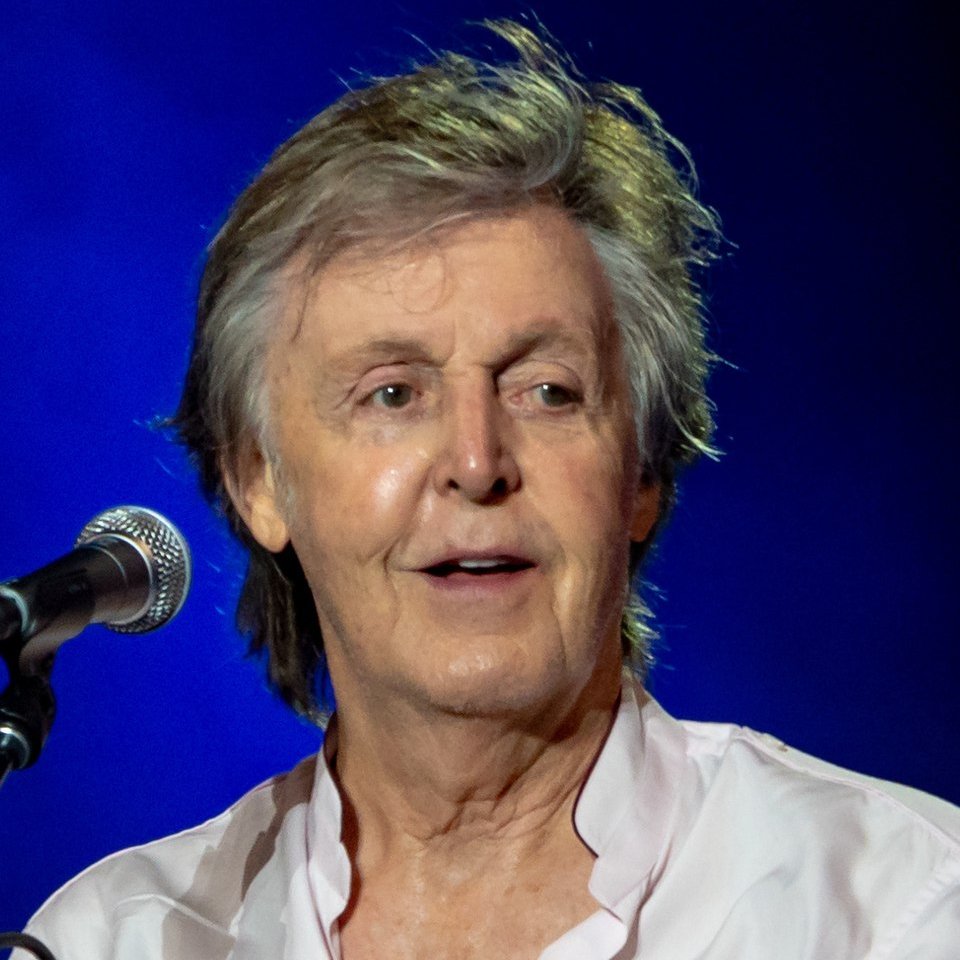
"Bach was always one of our favorite composers; we felt we had a lot in common with him. For some reason we thought his music was very similar to ours and we latched on to him amazingly quickly. We also liked the stories of him being the church organist and wopping this stuff out weekly, which was rather similar to what we were doing". Paul McCartney.
#Bach #Beatles
In a fascinating new lecture, composer David Lang re-examines Haydn's "Creation." Composed during the Industrial Revolution, how does this masterpiece resonate in the era of climate change? Now online: https://t.co/DqBWB7JDxE #DavidLang#Haydn#ClassicalMusic#Yale
Culture doesn’t color within borders.
See my new essay in the Boston Musical Intelligencer: https://t.co/hHepF8oXwi
I trace Bach’s life through the lens of migration. A reminder: great art depends on movement.
#Migration#Music#CulturalDiversity#Bach#Yale
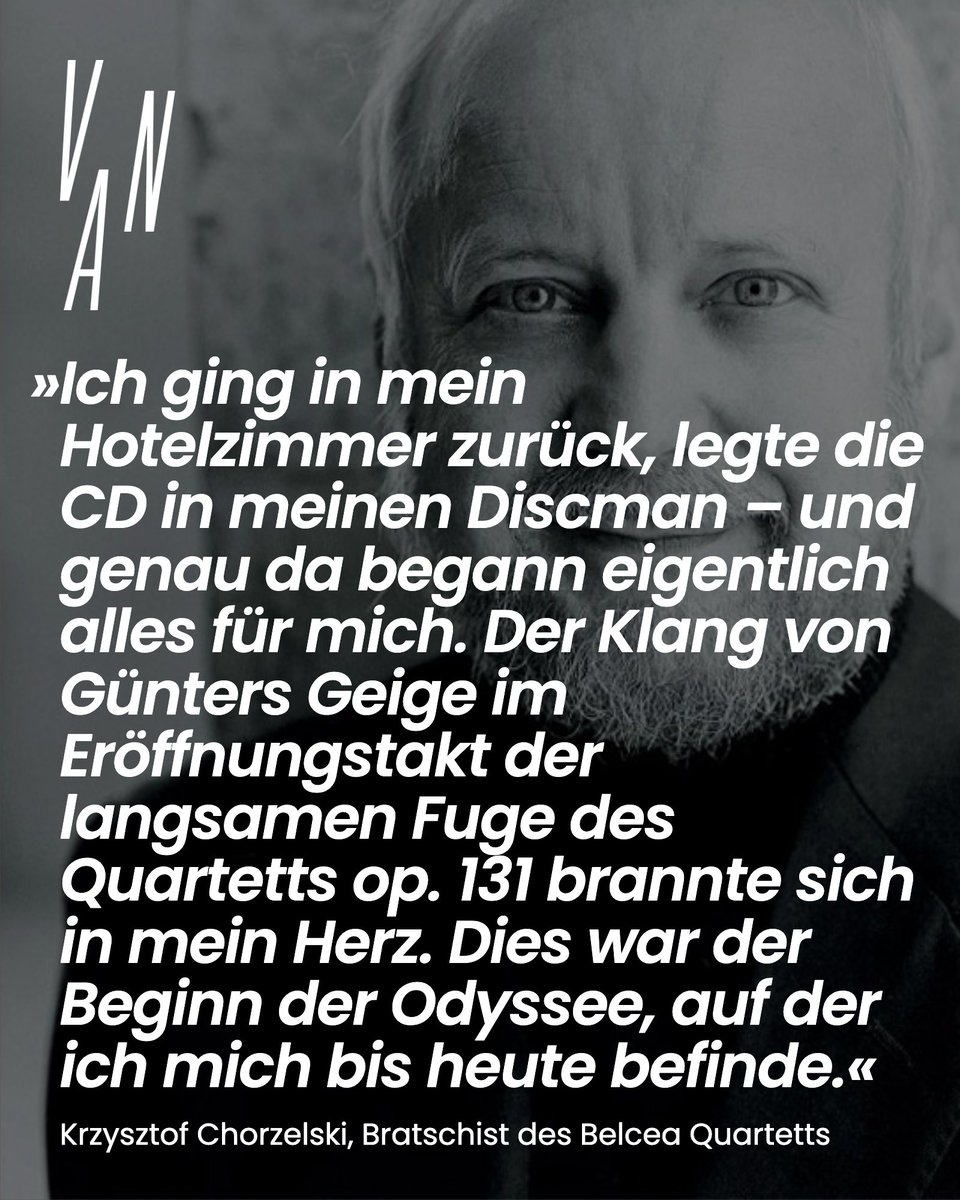
Wenige haben die Kammermusiklandschaft so geprägt wie der Geiger Günter Pichler – als Primarius des Alban Berg Quartetts sowie als Lehrer ganzer Ensemblegenerationen. In VAN erinnern sich acht ›seiner‹ Quartette an den Menschen, Musiker und Lehrer. https://t.co/9RhS9tkj7k
The Wonderful Word of Louis Armstrong was recorded live over six nights, December 26–31, 2012, at Dizzy’s Club.
This gallery takes you inside those sessions: rehearsal moments, the bandstand, and the spirit behind the music.
(Photos by: Luigi Beverelli)
Explore the album and read the full liner notes:
https://t.co/wJK0UqMB2R
—
From the liner notes by Wynton Marsalis:
Louis Armstrong is the American persona at its best. His extraordinary combination of artistic and human virtuosity resulted in an irresistible genius that he purposed to heal and enlighten our world for more than five decades. With a career that took him from the deep poverty of the post-Reconstruction South to the heights of international fame, Armstrong remained the greatest ambassador for the unruly city of New Orleans and for the colorful characters that populated his storied upbringing. The great trumpeter Doc Cheatham, who subbed for Louis at the Vendome Theater in 1920s Chicago, said it best: “He was just an ordinary-extraordinary” man.
Mr. Armstrong’s impact on the lives of those he touched was meaningful and unforgettable. Decades later, many of his contemporaries insisted that I understand who he was as a person. Without exception, they distilled their experiences with him down to one common sentiment: his presence was as powerful as his playing.
Arvell Shaw, the youngest member of Mr. Armstrong’s 1940s All Stars, called me when he became terminally ill.
“Hey, son, why don’t you come on over so I can tell you the truth about Pops?” he said. “I’m blind now, but my memory is strong. People from everywhere just fell all over themselves about him. Man, he was treated with such love and reverence. You have to tell folks when I’m gone. Keep the truth of him alive.”
Dizzy Gillespie once told me he moved around the corner from Pops just to be near him and to see him whenever he could: “I knew someone like that would never happen again.” And McCoy Tyner told me about the night Pops came to hear the John Coltrane Quartet in the 1960s at the height of the social conflict (for Black folks) between old school acquiescence and the new revolution. He said the entire club fell silent “like a chapel,” and Trane, who was not given to much, if any, public speaking, made a reverent salutation from the bandstand. Mayhem and excitement ensued as all the patrons went over to see Pops. “They got that man wrong,” McCoy recollected, “he was a king!”
Louis Armstrong was a true trumpeter: assertive and insistent. But he was also a crooner: heartbreakingly humble and endearingly vulnerable. Witty, gravelly, and absolutely unscriptable, even a cursory examination of Pops’ example encourages us to chart our own unique paths through the ever changing landscape of American possibilities.
In this time of deep confusion and conflict over American identity and direction, there is a perfect Louis Armstrong story to raise our understanding. It demonstrates the range and insight of his democratic overview. He was, at this point, the most recognizable man in the world, living in a working-class community in Queens, New York. When he decided to put a brick front on his home, longtime neighbor Selma Heraldo recalled, “Louis was such a modest man that he offered to build brick walls for his neighbors because he didn’t want his house to stand out.” That offering is in the spirit of leveling that gives the American Constitution, however compromised it may be in this moment of pervasive corruption, its momentum, its forever contemporary relevance. And momentum, swing, was Louis Armstrong’s business. In that, he is without peer.
Of course, there were critics of Armstrong, as there are for all figures of consequence. But time has a way of clarifying what matters. Duke Ellington called him an American standard, an American original: “Pops was Mr. Jazz, the epitome of jazz for all times.” Cannonball Adderley gave us information: “He was the first to show us that we needn’t just play pretty embellishments on a melody, but we could go in a completely different and more creative direction.” Leonard Bernstein spoke about his belief saying, “Every time this man puts his trumpet to his lips… he does it with his whole soul.” And Ella Fitzgerald spoke about his grace under pressure: “It never seemed like we were really recording, because he was always so happy… He came in like it was nothing to it—just gonna have a ball.”
That joy was hard-earned. Pops was indefatigable and resilient. Clarinetist Barney Bigard spent several decades on the road with both Ellington and Armstrong. He observed, “I don’t know of anyone who has worked harder in this business. I remember one period—must have been in the late ’40s or early ‘50s—we were working at the Blue Note in Chicago. Louis worked so hard that his lip just gave out, just like that. It lasted for about two weeks, and he got mighty worried. But you know him, he just went along, did a lot of singing, and eventually his lip got back into shape. That’s the way Louis is, [he] always comes back stronger.”
Yet what people remembered most was not just the artistic greatness, but the humanity. As trombonist Tyree Glenn said, “[He was] one of the greatest cats I ever worked with—as a man and as a human being. He is for real, and he will tell it for real wherever he is.”
Yes, this is not the smiling and chuckling Louis Armstrong whose public personality was shaped to accommodate the reductive and withering Confederate narrative that is still allowed to co-opt our definition of patriotism and to drag the national agenda through the mud of avarice, exploitation, and inequity. They are speaking the facts of the real Armstrong who traveled the world, inviting people of all beliefs and proclivities on and off bandstands into the deepest feeling of a music and philosophy that was his unquestioned domain. On any bandstand, he was always the best option for soloing, yet he developed a most patient way of listening and of encouraging others to join. With one of the most unerring ears for music and for the human condition that the world has ever seen or will ever see, Louis Armstrong conquered every corner of this earth with understanding and with love. And in the end of it all, he still believed.
To honor that spirit, Vince Giordano and his group joined us to ignite the bandstand in the cause of Pops. We hope you get a sense of how much we enjoyed playing this music and playing it together. I loved performing with Jon-Erik Kellso, and as trumpeters, we understood the call and were honored to “be in that number.”
According to New Orleans drummer Zutty Singleton, who grew up with Pops and was his drum brother (which all jazz trumpet players must have), he kept an inscription Armstrong wrote in 1929, which says: “May we never part. From your boy Louis.” Forty years later, Pops saw him again and said, “Zutty, we’re going to pick up where we left off.”
Yeah, man, let’s keep the truth of him alive.
Vince and I dedicate this album to the memory of the great Phil Schaap.
– Wynton Marsalis
Pulitzer Prize winning composer DAVID LANG on Haydn's CREATION.
Don't miss the online conversation on April 29, 2026, at 7 PM ET:
https://t.co/fFADKV3xg7
#DavidLang#Haydn#Yale


![wyntonmarsalis's tweet photo. The Wonderful Word of Louis Armstrong was recorded live over six nights, December 26–31, 2012, at Dizzy’s Club.
This gallery takes you inside those sessions: rehearsal moments, the bandstand, and the spirit behind the music.
(Photos by: Luigi Beverelli)
Explore the album and read the full liner notes:
https://t.co/wJK0UqMB2R
—
From the liner notes by Wynton Marsalis:
Louis Armstrong is the American persona at its best. His extraordinary combination of artistic and human virtuosity resulted in an irresistible genius that he purposed to heal and enlighten our world for more than five decades. With a career that took him from the deep poverty of the post-Reconstruction South to the heights of international fame, Armstrong remained the greatest ambassador for the unruly city of New Orleans and for the colorful characters that populated his storied upbringing. The great trumpeter Doc Cheatham, who subbed for Louis at the Vendome Theater in 1920s Chicago, said it best: “He was just an ordinary-extraordinary” man.
Mr. Armstrong’s impact on the lives of those he touched was meaningful and unforgettable. Decades later, many of his contemporaries insisted that I understand who he was as a person. Without exception, they distilled their experiences with him down to one common sentiment: his presence was as powerful as his playing.
Arvell Shaw, the youngest member of Mr. Armstrong’s 1940s All Stars, called me when he became terminally ill.
“Hey, son, why don’t you come on over so I can tell you the truth about Pops?” he said. “I’m blind now, but my memory is strong. People from everywhere just fell all over themselves about him. Man, he was treated with such love and reverence. You have to tell folks when I’m gone. Keep the truth of him alive.”
Dizzy Gillespie once told me he moved around the corner from Pops just to be near him and to see him whenever he could: “I knew someone like that would never happen again.” And McCoy Tyner told me about the night Pops came to hear the John Coltrane Quartet in the 1960s at the height of the social conflict (for Black folks) between old school acquiescence and the new revolution. He said the entire club fell silent “like a chapel,” and Trane, who was not given to much, if any, public speaking, made a reverent salutation from the bandstand. Mayhem and excitement ensued as all the patrons went over to see Pops. “They got that man wrong,” McCoy recollected, “he was a king!”
Louis Armstrong was a true trumpeter: assertive and insistent. But he was also a crooner: heartbreakingly humble and endearingly vulnerable. Witty, gravelly, and absolutely unscriptable, even a cursory examination of Pops’ example encourages us to chart our own unique paths through the ever changing landscape of American possibilities.
In this time of deep confusion and conflict over American identity and direction, there is a perfect Louis Armstrong story to raise our understanding. It demonstrates the range and insight of his democratic overview. He was, at this point, the most recognizable man in the world, living in a working-class community in Queens, New York. When he decided to put a brick front on his home, longtime neighbor Selma Heraldo recalled, “Louis was such a modest man that he offered to build brick walls for his neighbors because he didn’t want his house to stand out.” That offering is in the spirit of leveling that gives the American Constitution, however compromised it may be in this moment of pervasive corruption, its momentum, its forever contemporary relevance. And momentum, swing, was Louis Armstrong’s business. In that, he is without peer.
Of course, there were critics of Armstrong, as there are for all figures of consequence. But time has a way of clarifying what matters. Duke Ellington called him an American standard, an American original: “Pops was Mr. Jazz, the epitome of jazz for all times.” Cannonball Adderley gave us information: “He was the first to show us that we needn’t just play pretty embellishments on a melody, but we could go in a completely different and more creative direction.” Leonard Bernstein spoke about his belief saying, “Every time this man puts his trumpet to his lips… he does it with his whole soul.” And Ella Fitzgerald spoke about his grace under pressure: “It never seemed like we were really recording, because he was always so happy… He came in like it was nothing to it—just gonna have a ball.”
That joy was hard-earned. Pops was indefatigable and resilient. Clarinetist Barney Bigard spent several decades on the road with both Ellington and Armstrong. He observed, “I don’t know of anyone who has worked harder in this business. I remember one period—must have been in the late ’40s or early ‘50s—we were working at the Blue Note in Chicago. Louis worked so hard that his lip just gave out, just like that. It lasted for about two weeks, and he got mighty worried. But you know him, he just went along, did a lot of singing, and eventually his lip got back into shape. That’s the way Louis is, [he] always comes back stronger.”
Yet what people remembered most was not just the artistic greatness, but the humanity. As trombonist Tyree Glenn said, “[He was] one of the greatest cats I ever worked with—as a man and as a human being. He is for real, and he will tell it for real wherever he is.”
Yes, this is not the smiling and chuckling Louis Armstrong whose public personality was shaped to accommodate the reductive and withering Confederate narrative that is still allowed to co-opt our definition of patriotism and to drag the national agenda through the mud of avarice, exploitation, and inequity. They are speaking the facts of the real Armstrong who traveled the world, inviting people of all beliefs and proclivities on and off bandstands into the deepest feeling of a music and philosophy that was his unquestioned domain. On any bandstand, he was always the best option for soloing, yet he developed a most patient way of listening and of encouraging others to join. With one of the most unerring ears for music and for the human condition that the world has ever seen or will ever see, Louis Armstrong conquered every corner of this earth with understanding and with love. And in the end of it all, he still believed.
To honor that spirit, Vince Giordano and his group joined us to ignite the bandstand in the cause of Pops. We hope you get a sense of how much we enjoyed playing this music and playing it together. I loved performing with Jon-Erik Kellso, and as trumpeters, we understood the call and were honored to “be in that number.”
According to New Orleans drummer Zutty Singleton, who grew up with Pops and was his drum brother (which all jazz trumpet players must have), he kept an inscription Armstrong wrote in 1929, which says: “May we never part. From your boy Louis.” Forty years later, Pops saw him again and said, “Zutty, we’re going to pick up where we left off.”
Yeah, man, let’s keep the truth of him alive.
Vince and I dedicate this album to the memory of the great Phil Schaap.
– Wynton Marsalis](https://pbs.twimg.com/media/HHVjrxxXkAAXrJu.jpg)
![wyntonmarsalis's tweet photo. The Wonderful Word of Louis Armstrong was recorded live over six nights, December 26–31, 2012, at Dizzy’s Club.
This gallery takes you inside those sessions: rehearsal moments, the bandstand, and the spirit behind the music.
(Photos by: Luigi Beverelli)
Explore the album and read the full liner notes:
https://t.co/wJK0UqMB2R
—
From the liner notes by Wynton Marsalis:
Louis Armstrong is the American persona at its best. His extraordinary combination of artistic and human virtuosity resulted in an irresistible genius that he purposed to heal and enlighten our world for more than five decades. With a career that took him from the deep poverty of the post-Reconstruction South to the heights of international fame, Armstrong remained the greatest ambassador for the unruly city of New Orleans and for the colorful characters that populated his storied upbringing. The great trumpeter Doc Cheatham, who subbed for Louis at the Vendome Theater in 1920s Chicago, said it best: “He was just an ordinary-extraordinary” man.
Mr. Armstrong’s impact on the lives of those he touched was meaningful and unforgettable. Decades later, many of his contemporaries insisted that I understand who he was as a person. Without exception, they distilled their experiences with him down to one common sentiment: his presence was as powerful as his playing.
Arvell Shaw, the youngest member of Mr. Armstrong’s 1940s All Stars, called me when he became terminally ill.
“Hey, son, why don’t you come on over so I can tell you the truth about Pops?” he said. “I’m blind now, but my memory is strong. People from everywhere just fell all over themselves about him. Man, he was treated with such love and reverence. You have to tell folks when I’m gone. Keep the truth of him alive.”
Dizzy Gillespie once told me he moved around the corner from Pops just to be near him and to see him whenever he could: “I knew someone like that would never happen again.” And McCoy Tyner told me about the night Pops came to hear the John Coltrane Quartet in the 1960s at the height of the social conflict (for Black folks) between old school acquiescence and the new revolution. He said the entire club fell silent “like a chapel,” and Trane, who was not given to much, if any, public speaking, made a reverent salutation from the bandstand. Mayhem and excitement ensued as all the patrons went over to see Pops. “They got that man wrong,” McCoy recollected, “he was a king!”
Louis Armstrong was a true trumpeter: assertive and insistent. But he was also a crooner: heartbreakingly humble and endearingly vulnerable. Witty, gravelly, and absolutely unscriptable, even a cursory examination of Pops’ example encourages us to chart our own unique paths through the ever changing landscape of American possibilities.
In this time of deep confusion and conflict over American identity and direction, there is a perfect Louis Armstrong story to raise our understanding. It demonstrates the range and insight of his democratic overview. He was, at this point, the most recognizable man in the world, living in a working-class community in Queens, New York. When he decided to put a brick front on his home, longtime neighbor Selma Heraldo recalled, “Louis was such a modest man that he offered to build brick walls for his neighbors because he didn’t want his house to stand out.” That offering is in the spirit of leveling that gives the American Constitution, however compromised it may be in this moment of pervasive corruption, its momentum, its forever contemporary relevance. And momentum, swing, was Louis Armstrong’s business. In that, he is without peer.
Of course, there were critics of Armstrong, as there are for all figures of consequence. But time has a way of clarifying what matters. Duke Ellington called him an American standard, an American original: “Pops was Mr. Jazz, the epitome of jazz for all times.” Cannonball Adderley gave us information: “He was the first to show us that we needn’t just play pretty embellishments on a melody, but we could go in a completely different and more creative direction.” Leonard Bernstein spoke about his belief saying, “Every time this man puts his trumpet to his lips… he does it with his whole soul.” And Ella Fitzgerald spoke about his grace under pressure: “It never seemed like we were really recording, because he was always so happy… He came in like it was nothing to it—just gonna have a ball.”
That joy was hard-earned. Pops was indefatigable and resilient. Clarinetist Barney Bigard spent several decades on the road with both Ellington and Armstrong. He observed, “I don’t know of anyone who has worked harder in this business. I remember one period—must have been in the late ’40s or early ‘50s—we were working at the Blue Note in Chicago. Louis worked so hard that his lip just gave out, just like that. It lasted for about two weeks, and he got mighty worried. But you know him, he just went along, did a lot of singing, and eventually his lip got back into shape. That’s the way Louis is, [he] always comes back stronger.”
Yet what people remembered most was not just the artistic greatness, but the humanity. As trombonist Tyree Glenn said, “[He was] one of the greatest cats I ever worked with—as a man and as a human being. He is for real, and he will tell it for real wherever he is.”
Yes, this is not the smiling and chuckling Louis Armstrong whose public personality was shaped to accommodate the reductive and withering Confederate narrative that is still allowed to co-opt our definition of patriotism and to drag the national agenda through the mud of avarice, exploitation, and inequity. They are speaking the facts of the real Armstrong who traveled the world, inviting people of all beliefs and proclivities on and off bandstands into the deepest feeling of a music and philosophy that was his unquestioned domain. On any bandstand, he was always the best option for soloing, yet he developed a most patient way of listening and of encouraging others to join. With one of the most unerring ears for music and for the human condition that the world has ever seen or will ever see, Louis Armstrong conquered every corner of this earth with understanding and with love. And in the end of it all, he still believed.
To honor that spirit, Vince Giordano and his group joined us to ignite the bandstand in the cause of Pops. We hope you get a sense of how much we enjoyed playing this music and playing it together. I loved performing with Jon-Erik Kellso, and as trumpeters, we understood the call and were honored to “be in that number.”
According to New Orleans drummer Zutty Singleton, who grew up with Pops and was his drum brother (which all jazz trumpet players must have), he kept an inscription Armstrong wrote in 1929, which says: “May we never part. From your boy Louis.” Forty years later, Pops saw him again and said, “Zutty, we’re going to pick up where we left off.”
Yeah, man, let’s keep the truth of him alive.
Vince and I dedicate this album to the memory of the great Phil Schaap.
– Wynton Marsalis](https://pbs.twimg.com/media/HHVjpapWgAAAC3Q.jpg)








![wyntonmarsalis's tweet photo. The Wonderful Word of Louis Armstrong was recorded live over six nights, December 26–31, 2012, at Dizzy’s Club.
This gallery takes you inside those sessions: rehearsal moments, the bandstand, and the spirit behind the music.
(Photos by: Luigi Beverelli)
Explore the album and read the full liner notes:
https://t.co/wJK0UqMB2R
—
From the liner notes by Wynton Marsalis:
Louis Armstrong is the American persona at its best. His extraordinary combination of artistic and human virtuosity resulted in an irresistible genius that he purposed to heal and enlighten our world for more than five decades. With a career that took him from the deep poverty of the post-Reconstruction South to the heights of international fame, Armstrong remained the greatest ambassador for the unruly city of New Orleans and for the colorful characters that populated his storied upbringing. The great trumpeter Doc Cheatham, who subbed for Louis at the Vendome Theater in 1920s Chicago, said it best: “He was just an ordinary-extraordinary” man.
Mr. Armstrong’s impact on the lives of those he touched was meaningful and unforgettable. Decades later, many of his contemporaries insisted that I understand who he was as a person. Without exception, they distilled their experiences with him down to one common sentiment: his presence was as powerful as his playing.
Arvell Shaw, the youngest member of Mr. Armstrong’s 1940s All Stars, called me when he became terminally ill.
“Hey, son, why don’t you come on over so I can tell you the truth about Pops?” he said. “I’m blind now, but my memory is strong. People from everywhere just fell all over themselves about him. Man, he was treated with such love and reverence. You have to tell folks when I’m gone. Keep the truth of him alive.”
Dizzy Gillespie once told me he moved around the corner from Pops just to be near him and to see him whenever he could: “I knew someone like that would never happen again.” And McCoy Tyner told me about the night Pops came to hear the John Coltrane Quartet in the 1960s at the height of the social conflict (for Black folks) between old school acquiescence and the new revolution. He said the entire club fell silent “like a chapel,” and Trane, who was not given to much, if any, public speaking, made a reverent salutation from the bandstand. Mayhem and excitement ensued as all the patrons went over to see Pops. “They got that man wrong,” McCoy recollected, “he was a king!”
Louis Armstrong was a true trumpeter: assertive and insistent. But he was also a crooner: heartbreakingly humble and endearingly vulnerable. Witty, gravelly, and absolutely unscriptable, even a cursory examination of Pops’ example encourages us to chart our own unique paths through the ever changing landscape of American possibilities.
In this time of deep confusion and conflict over American identity and direction, there is a perfect Louis Armstrong story to raise our understanding. It demonstrates the range and insight of his democratic overview. He was, at this point, the most recognizable man in the world, living in a working-class community in Queens, New York. When he decided to put a brick front on his home, longtime neighbor Selma Heraldo recalled, “Louis was such a modest man that he offered to build brick walls for his neighbors because he didn’t want his house to stand out.” That offering is in the spirit of leveling that gives the American Constitution, however compromised it may be in this moment of pervasive corruption, its momentum, its forever contemporary relevance. And momentum, swing, was Louis Armstrong’s business. In that, he is without peer.
Of course, there were critics of Armstrong, as there are for all figures of consequence. But time has a way of clarifying what matters. Duke Ellington called him an American standard, an American original: “Pops was Mr. Jazz, the epitome of jazz for all times.” Cannonball Adderley gave us information: “He was the first to show us that we needn’t just play pretty embellishments on a melody, but we could go in a completely different and more creative direction.” Leonard Bernstein spoke about his belief saying, “Every time this man puts his trumpet to his lips… he does it with his whole soul.” And Ella Fitzgerald spoke about his grace under pressure: “It never seemed like we were really recording, because he was always so happy… He came in like it was nothing to it—just gonna have a ball.”
That joy was hard-earned. Pops was indefatigable and resilient. Clarinetist Barney Bigard spent several decades on the road with both Ellington and Armstrong. He observed, “I don’t know of anyone who has worked harder in this business. I remember one period—must have been in the late ’40s or early ‘50s—we were working at the Blue Note in Chicago. Louis worked so hard that his lip just gave out, just like that. It lasted for about two weeks, and he got mighty worried. But you know him, he just went along, did a lot of singing, and eventually his lip got back into shape. That’s the way Louis is, [he] always comes back stronger.”
Yet what people remembered most was not just the artistic greatness, but the humanity. As trombonist Tyree Glenn said, “[He was] one of the greatest cats I ever worked with—as a man and as a human being. He is for real, and he will tell it for real wherever he is.”
Yes, this is not the smiling and chuckling Louis Armstrong whose public personality was shaped to accommodate the reductive and withering Confederate narrative that is still allowed to co-opt our definition of patriotism and to drag the national agenda through the mud of avarice, exploitation, and inequity. They are speaking the facts of the real Armstrong who traveled the world, inviting people of all beliefs and proclivities on and off bandstands into the deepest feeling of a music and philosophy that was his unquestioned domain. On any bandstand, he was always the best option for soloing, yet he developed a most patient way of listening and of encouraging others to join. With one of the most unerring ears for music and for the human condition that the world has ever seen or will ever see, Louis Armstrong conquered every corner of this earth with understanding and with love. And in the end of it all, he still believed.
To honor that spirit, Vince Giordano and his group joined us to ignite the bandstand in the cause of Pops. We hope you get a sense of how much we enjoyed playing this music and playing it together. I loved performing with Jon-Erik Kellso, and as trumpeters, we understood the call and were honored to “be in that number.”
According to New Orleans drummer Zutty Singleton, who grew up with Pops and was his drum brother (which all jazz trumpet players must have), he kept an inscription Armstrong wrote in 1929, which says: “May we never part. From your boy Louis.” Forty years later, Pops saw him again and said, “Zutty, we’re going to pick up where we left off.”
Yeah, man, let’s keep the truth of him alive.
Vince and I dedicate this album to the memory of the great Phil Schaap.
– Wynton Marsalis](https://pbs.twimg.com/media/HHVjuV-WMAAf6E_.jpg)


