@DiscoOrpheus Life can't be fooled. Seeking immortality by tecnological means will eventualy go bad.
If humanity ever ceases to exist, it will be so because it couldn't contemplate beauty.
@FullVerity Also, the "look from within a feverish circuit of light" is a reference to the myth of Shani blinding his father Surya.
Serrano also talks about the principle present in this myth in Nos when he says "Only when the 'ego' is dead can he live."
Today, yoga is peddled as therapy for the anxious and maladjusted: a spiritual balm for bourgeois neurosis. But this is a grotesque inversion. As Evola makes clear, true yoga begins after health, not before; it is not a cure for the fractured ego, but the forging of a divine body and the ascent beyond the human condition:
“Psychoanalysis reaches its most absurd conclusions when, in the person of Jung, it presumes to indicate the positive, 'scientific' content of yoga and of related disciplines. Psychoanalysis claims that these Eastern disciplines merely attempt to heal neurotic and sick individuals who are plagued and torn by conflicts and by the divisions between the conscious and unconscious. Yoga does not purport to heal sick, neurotic, and tormented individuals, however. On the contrary, it presupposes a healthy, balanced person, to whom it will indicate the way to eventually overcome the human condition."
“In kundalini yoga, also called laya yoga, this process seems to take place sub specie interioritatis. Kundalini "awakens" various chakras, but this, per se, is not enough, and we should not consider only the awakening and the attainment of spiritual corporeity. Each of the first six chakras is also seen as the seat of a god and of his shakti. Their awakening is achieved though their sexual union (which clearly corresponds to the gradual removal of the dualistic law of maya-shakti). This means that the yogic process involves the transformation of the Shaktic element into Shiva. Likewise, in the ascending phase of the manifestation, or to be precise, at its peak, which corresponds to the seventh chakra, a reference is made to the supreme union of Shiva and Shakti, at a transcendental level. When Tantric Buddhism talks about "allowing various buddhas to enter into the body's chakras" (this is the equivalent of a mating between a god and a goddess in each of these chakras), it obviously agrees with the Tantric Hindu perspective, since a buddha corresponds to the Shaivist luminous element. In Vajrayana the realization of the chakras corresponds to supernatural experiences and to the creation of various limbs of the so-called diamond body (vajra-rupa).” - Julius Evola
Moderns degrade everything they touch, especially the sacred.
To Jung, yoga was therapy. To the ancients, it was the path beyond man.
Kundalini is not a tool for integration but a fire that consumes. Each chakra, a throne of divine polarity: god and goddess in sexual union for the purpose of transfiguration. As the Shakti rises, she is not merely “awakened;” she is sacrificed, sublimated into Shiva, the still flame at the crown.
In both Shaivism and Vajrayana, the yogin forges a new body, the vajra-rupa, indestructible and luminous. To mistake this for psychology is to mistake the sword for a bandage.
And that is what terrifies the modern:
that man was never meant to be adjusted; he was meant to be overcome.
—Evola on what Modern Man should do:
1/ One must stop: like someone who, realizing they are running breathlessly under the heat, says to himself, “What if I slowed down?”—and, slowing down: “What if I stopped walking?”—and, stopping: “What if I sat down?”—and, sitting down:
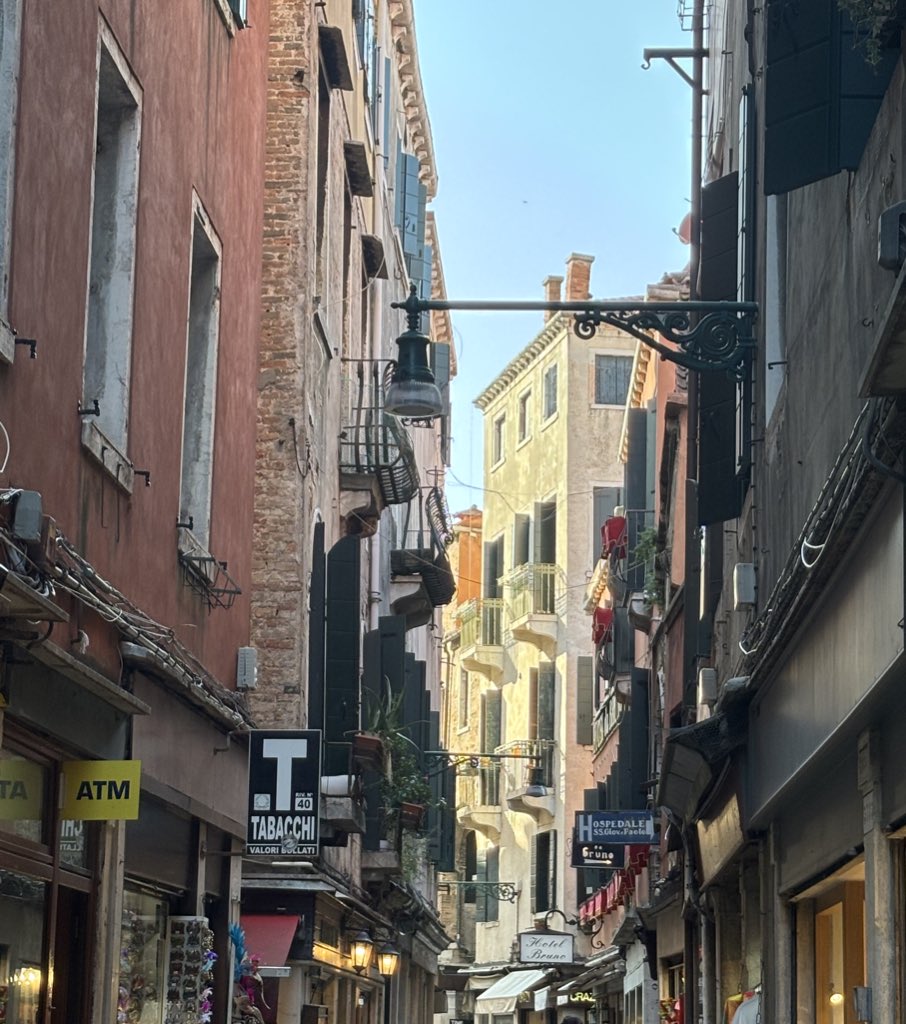
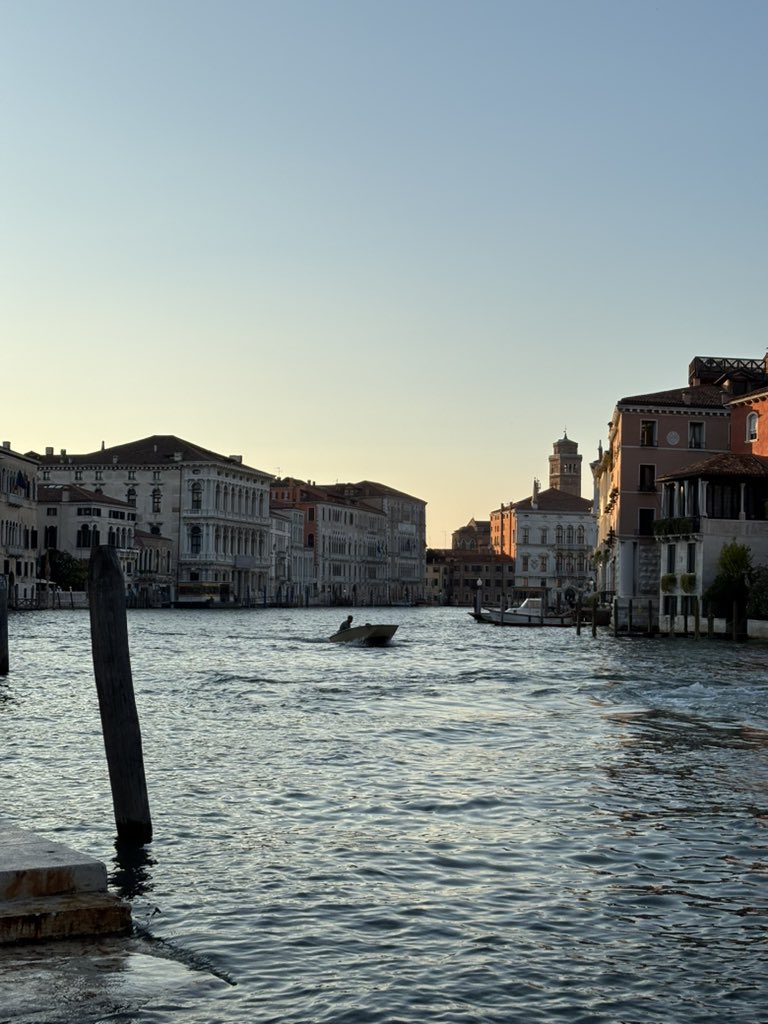
Spent few days in Venice, it became easily my favorite city. Architecture is beautiful, the whole city is magnificent and if you’re not around the main attractions there’s literally no one around. Total Venice Nationalism
When Rome was collapsing, 12 noble families fled to the safety of the marshes in northeastern Italy.
They waited out the storm, taking in kin evading the Visigoths ravaging the country.
This small band of refugees became the glorious Venetian Empire.
Never blackpill.
When it is asked if the Awakened One exists after death, the answer is: No. Does not he, then, exist after death? The same answer. Does he both exist and not exist after death? Again, No. Does he neither exist nor not exist after death? Once more, the reply is: No.
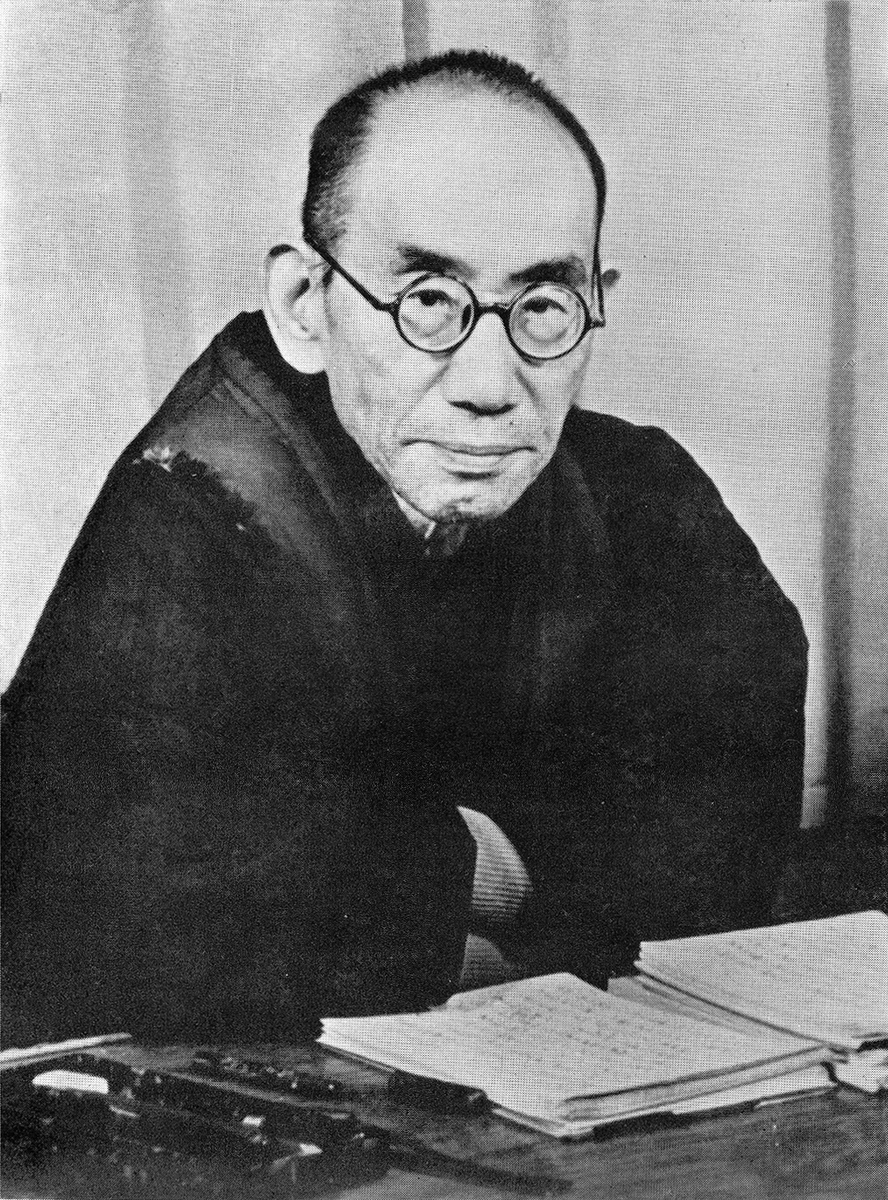
Nishida Kitarō distinguishes sunyata from nihilism, revealing that its final stage does not lead to non-being, but to absolute being, resonating with Heidegger’s influence. The opposition between being and non-being is a mirage, born of an ego yet to dissolve into self-negation.