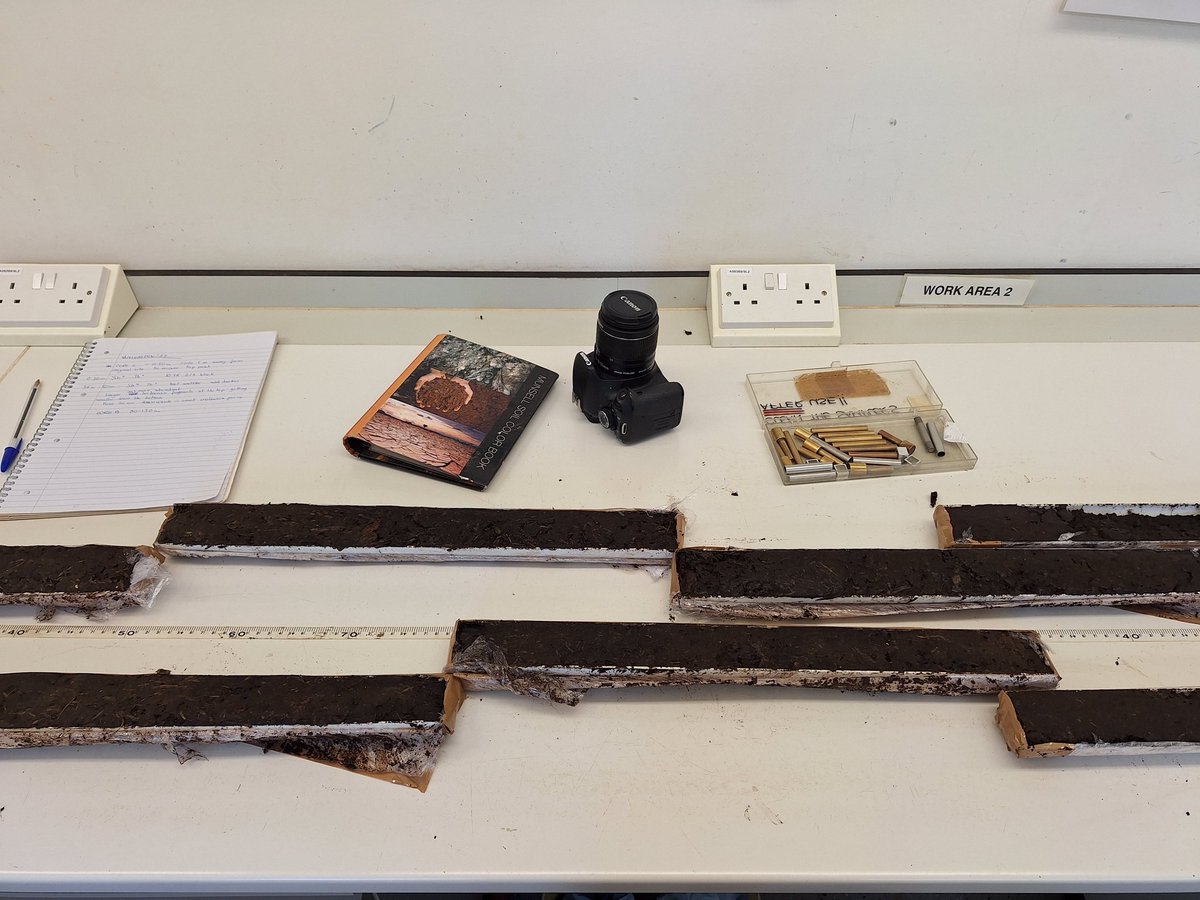
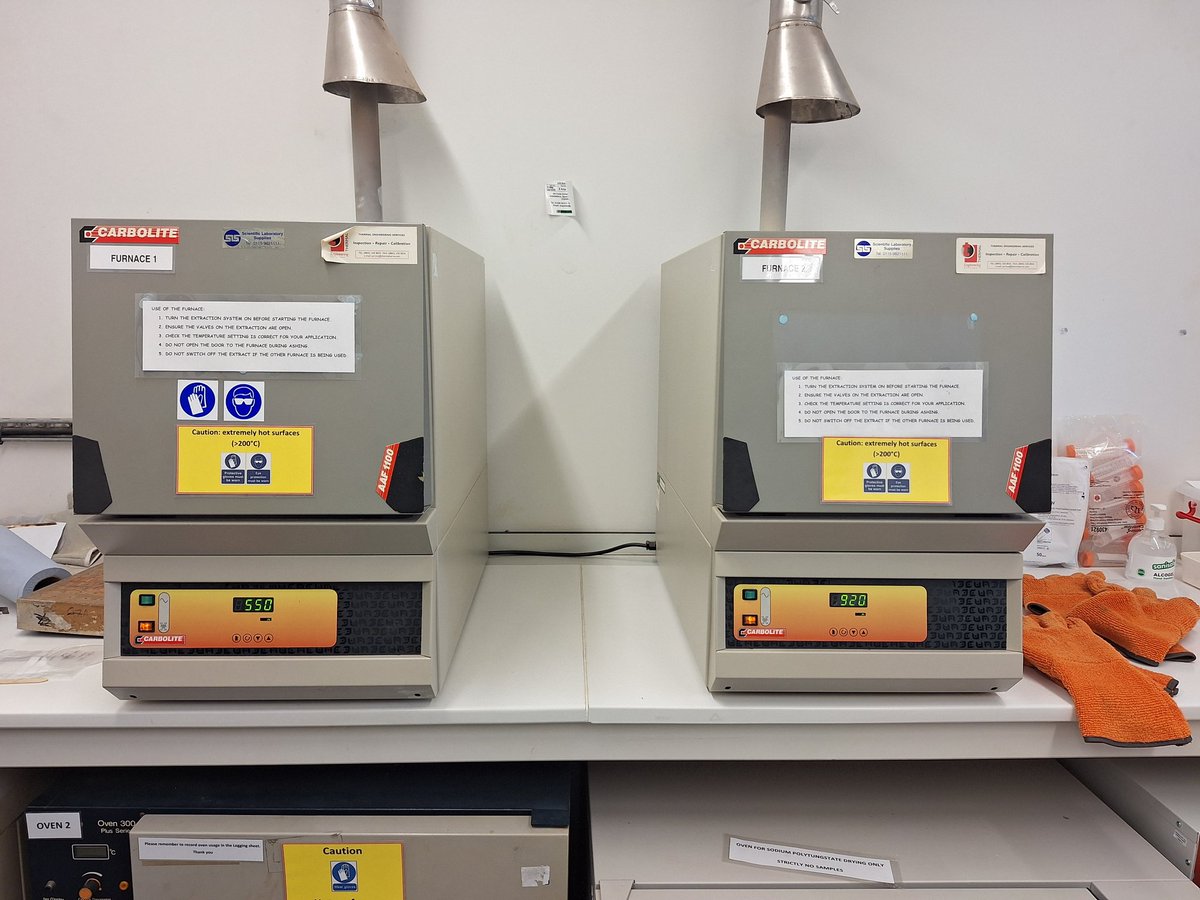
Finishing the summer analysing peat. By analysing cores in a continuous and systematic manner, it is possible to measure the amount of carbon storaged and understand how different environmental conditions affected carbon sequestration rates.
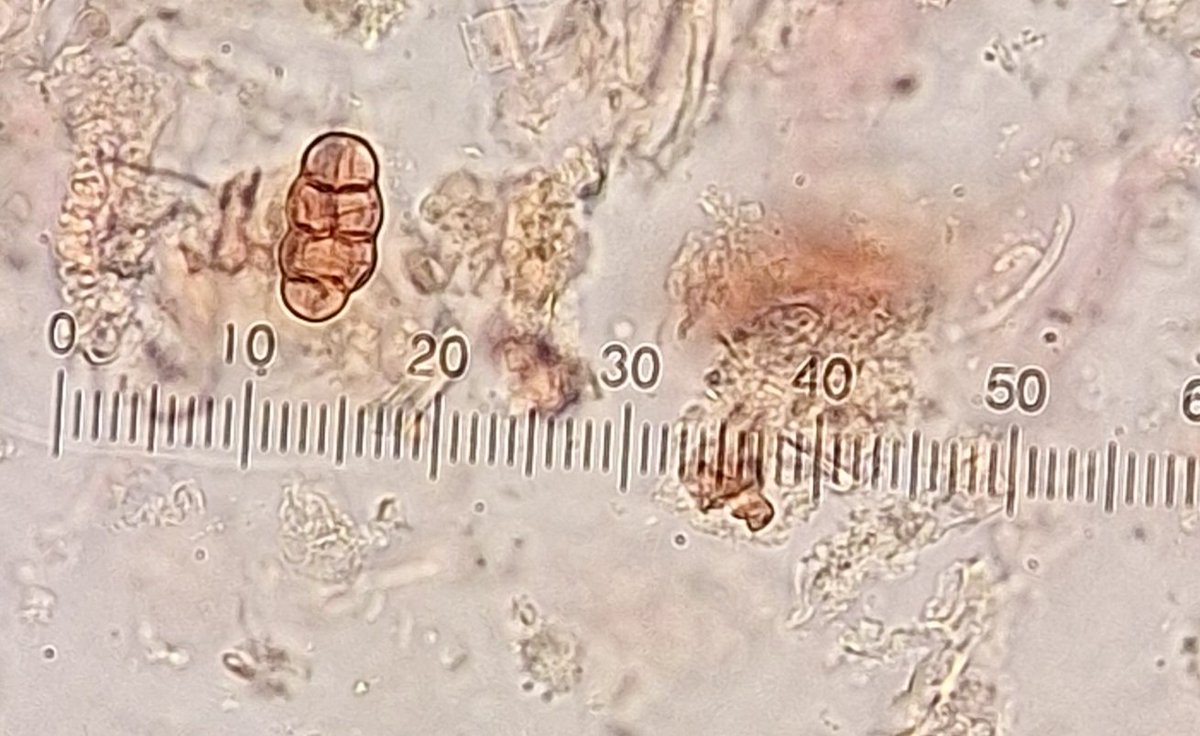
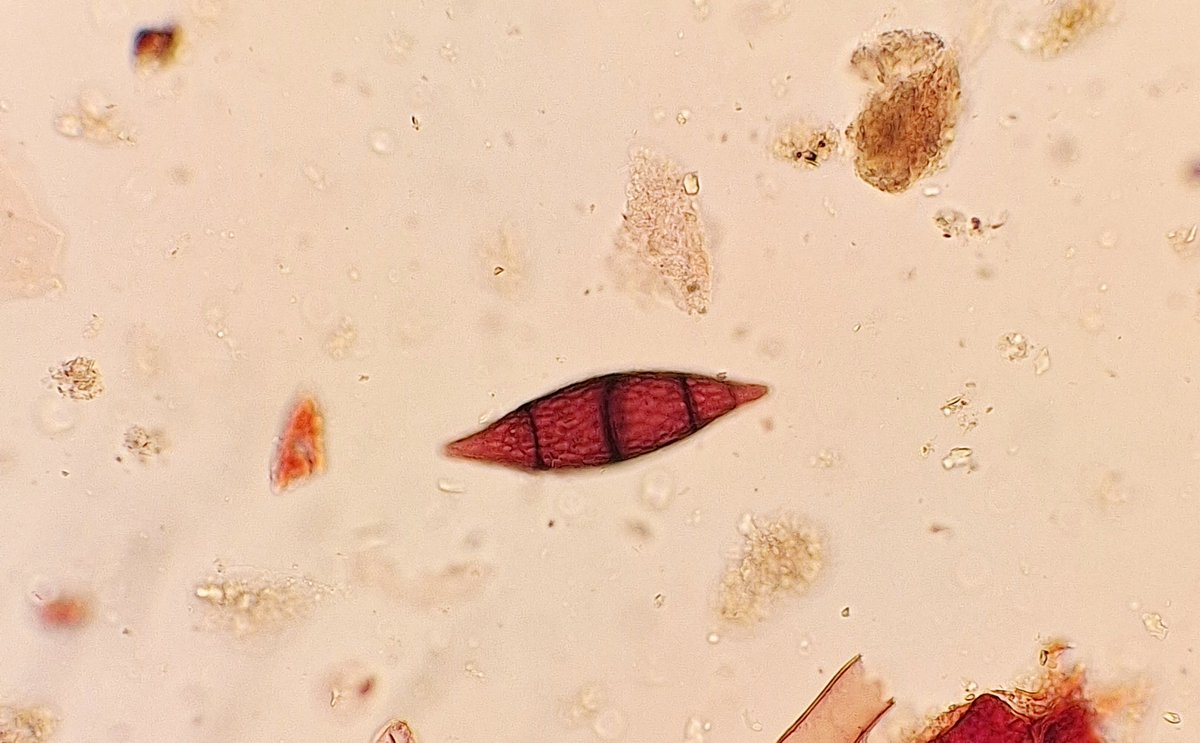
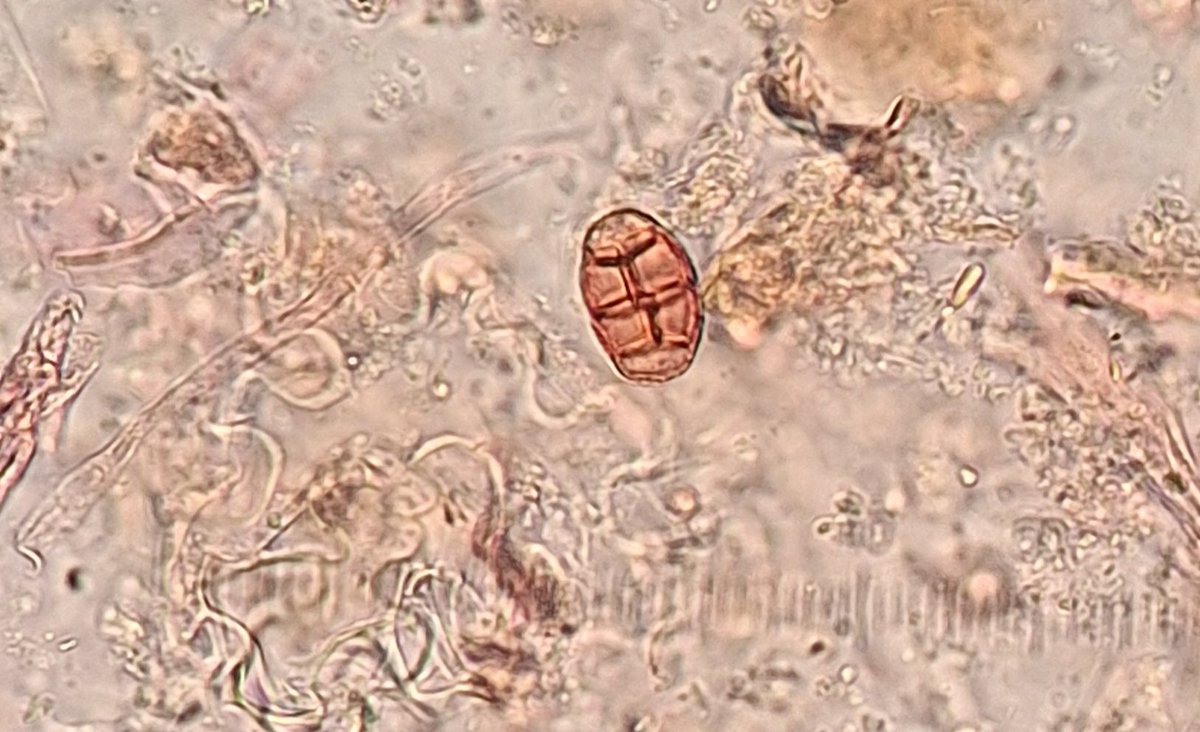
Hello. Please, I need help identifying this spore. I have seen it before but I can't find the reference. It was found in a sample from an Early Holocene UK. #pollen and spores
All ready for the Royal Holloway Sciences festival. The kids will learn how lake sediments are formed and how pollen and other palaeo indicators are deposited. They can make their own varved core.@RHULGeography@CQRRHUL
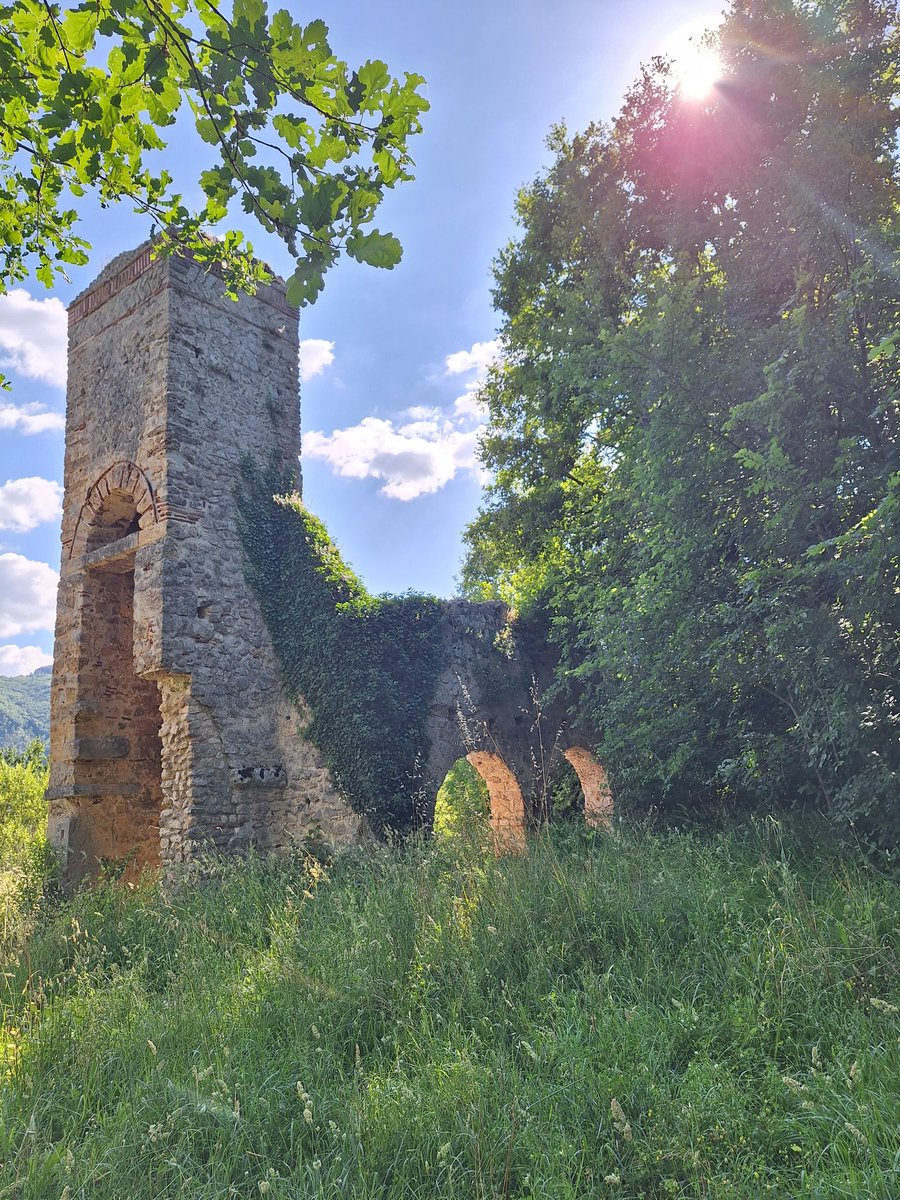
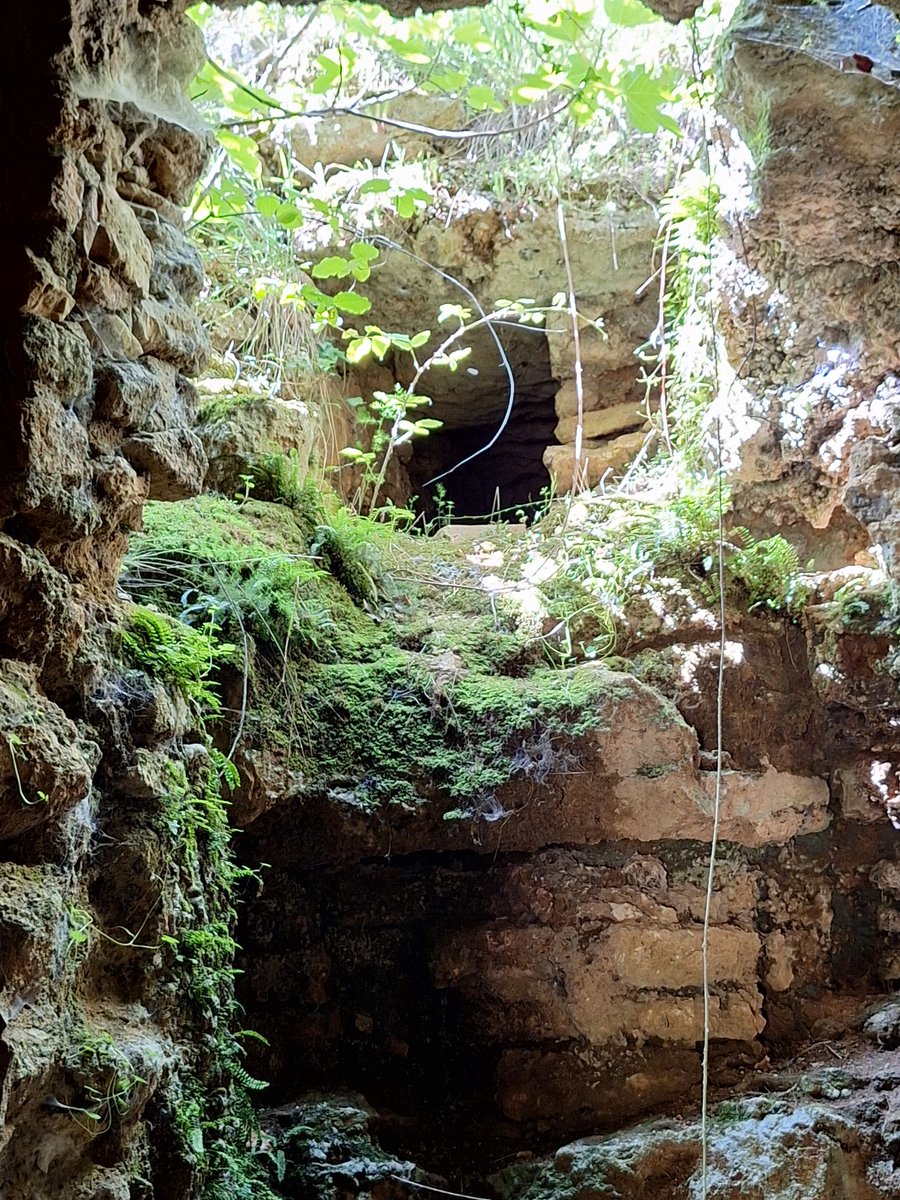
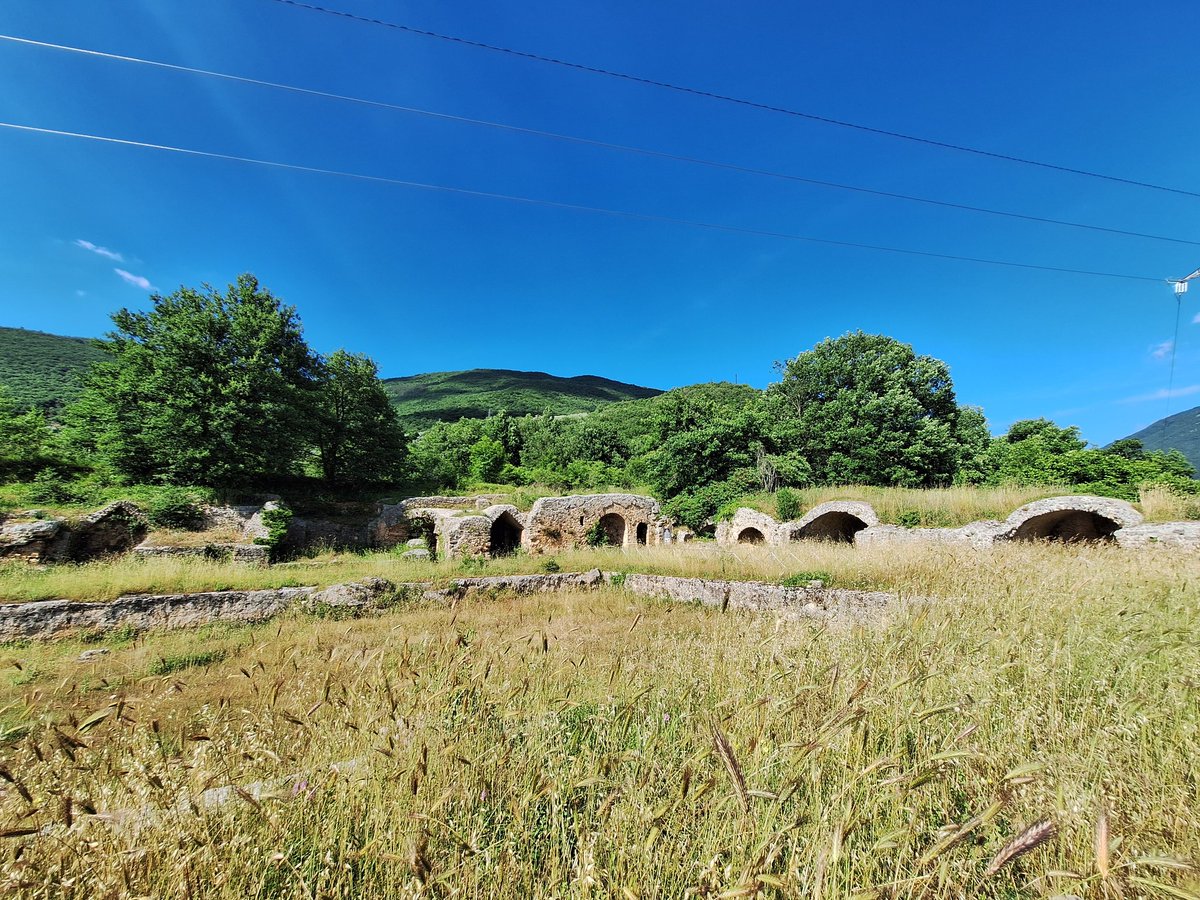
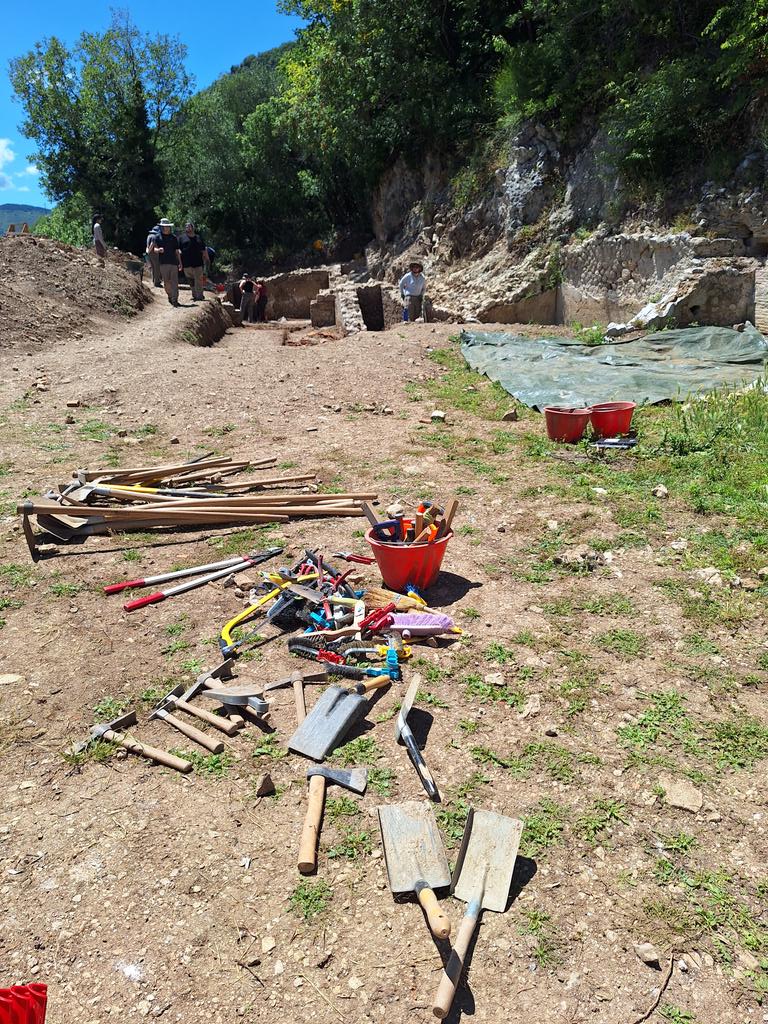
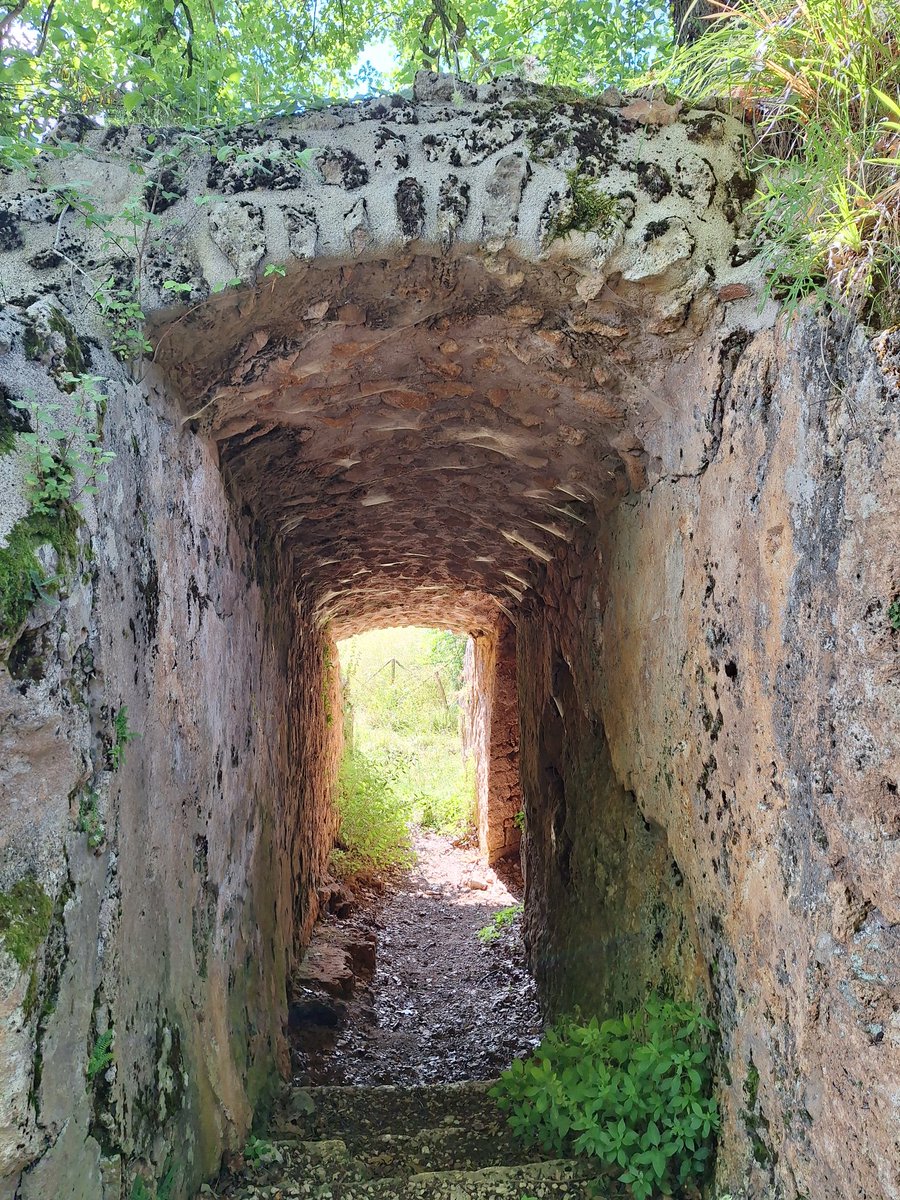
Vespasiano's Thermal Baths, 2nd Century BC, and St Maria dei Cesione Church (Middle Ages). Impressive monument probably dedicated to the Goddes Vacuna, with a pool, a Nymphaeum, some niches and part of the Via Salaria. Alway time for archeology during a fieldtrip.
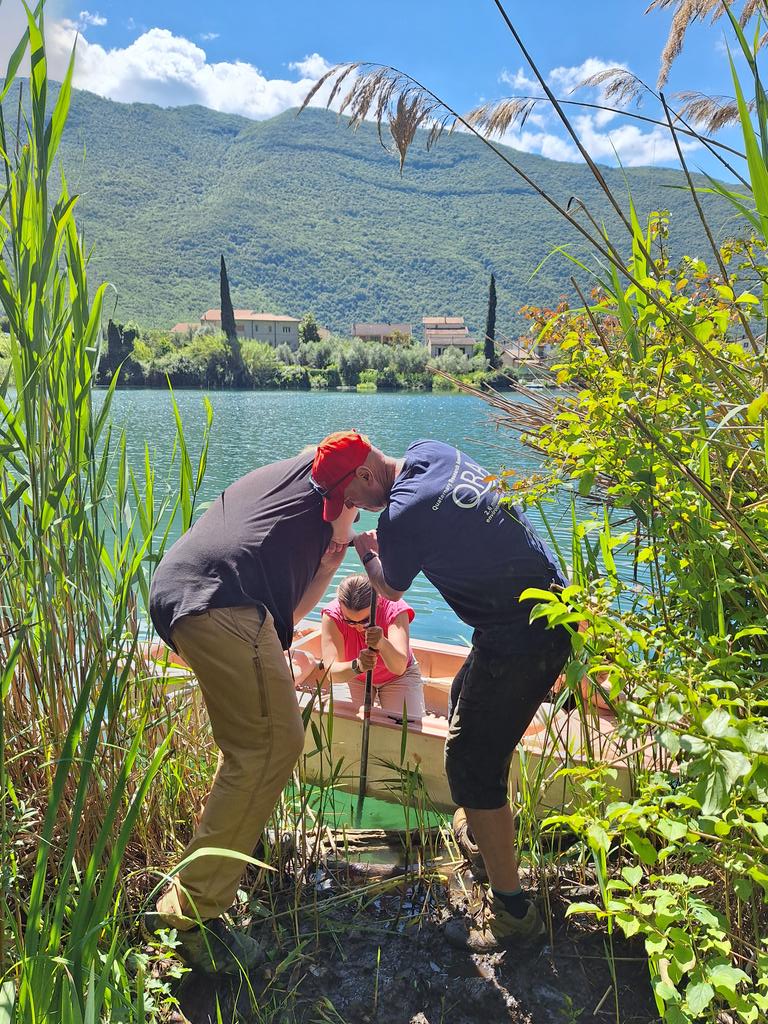
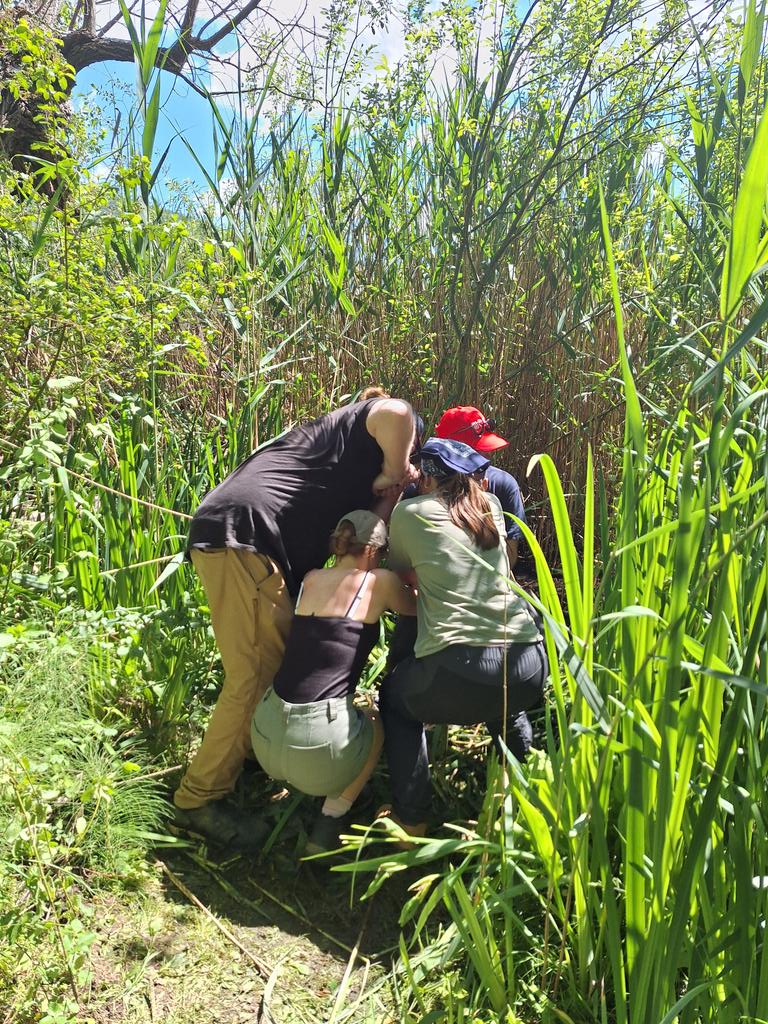
Coring day, very challenging, and with some improvisation, but good cores at the end; can't wait for their analysis. What we do for science and students dissertations! We also visited Titus Villa (1st century BC-1st century AD). Great archaeology and spectacular view of the lake
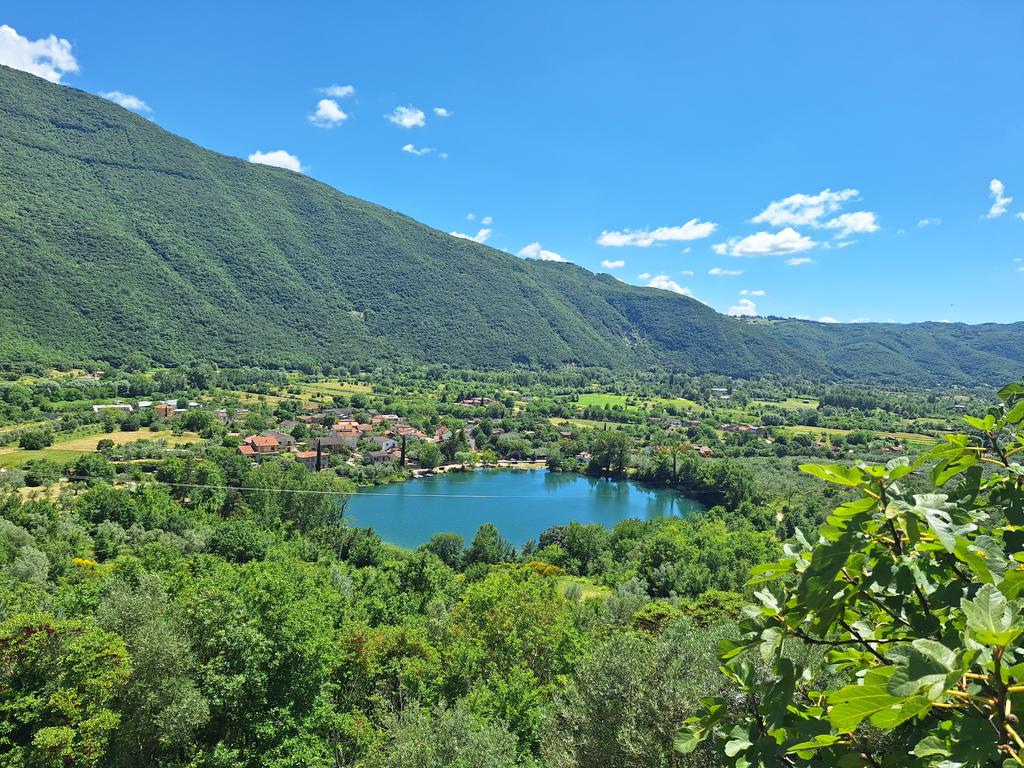
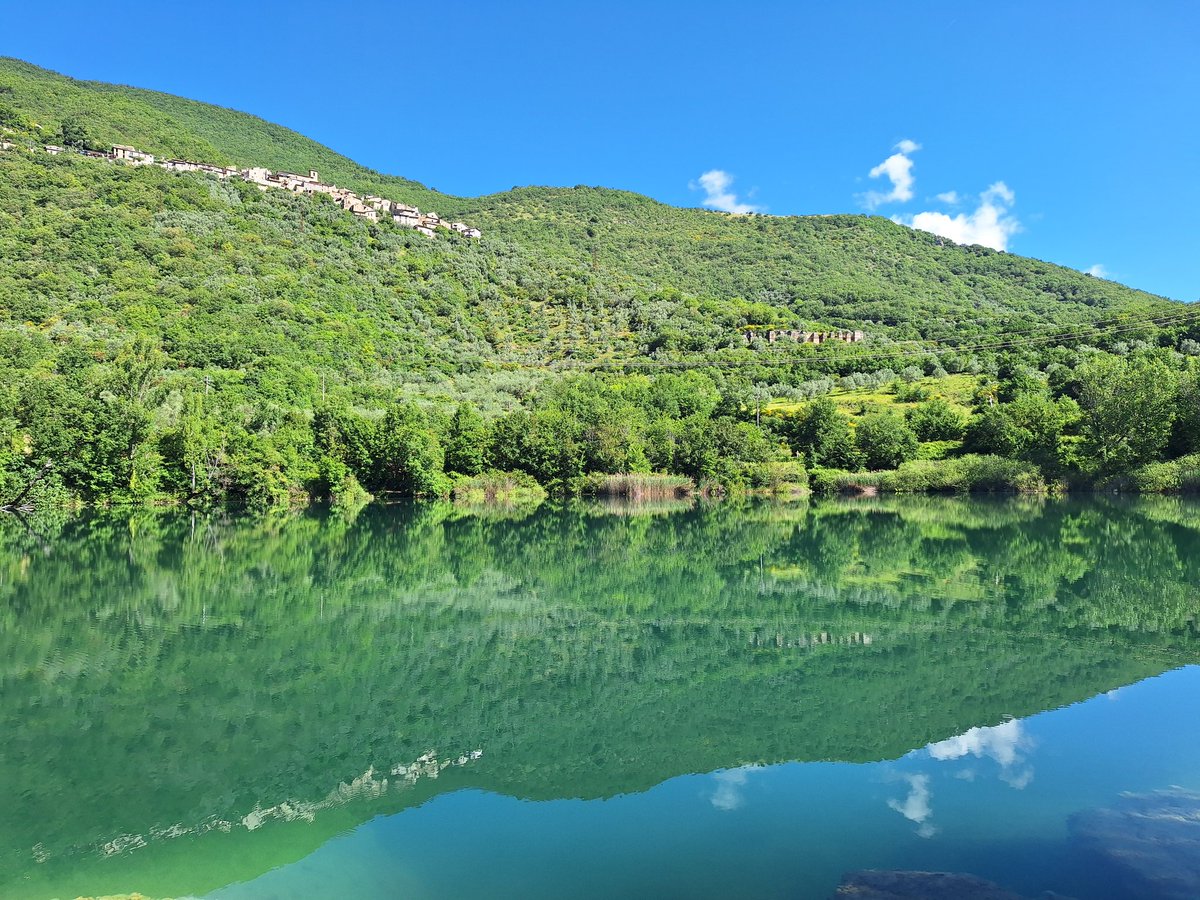
There are worst places to core. This is Lake Paterno, near Rieti. That tradition says that this town is the geographical center of Italy and it is known as Umbilicus italae (the navel of Italy). Between lake and the town Paterno Titus Roman Villa (Villa di Tito) is visible .
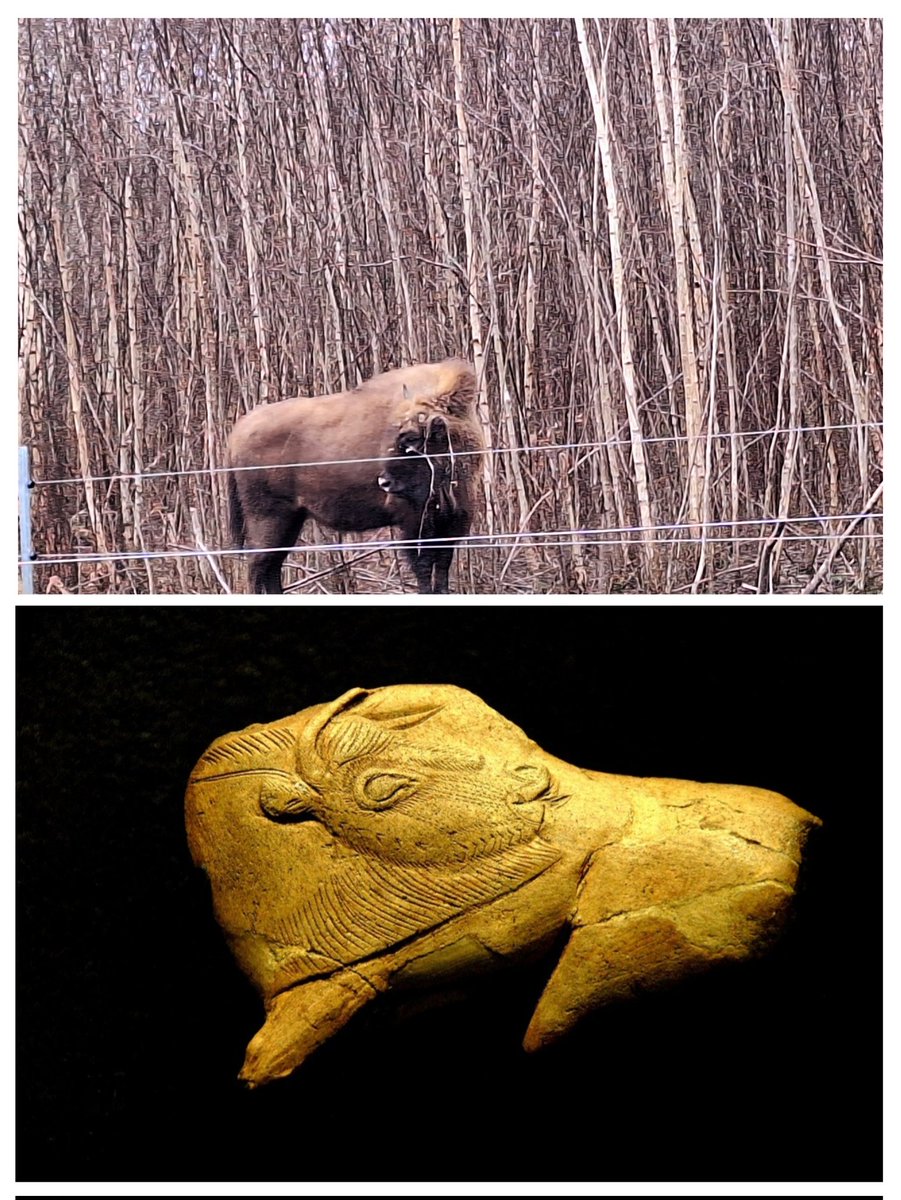
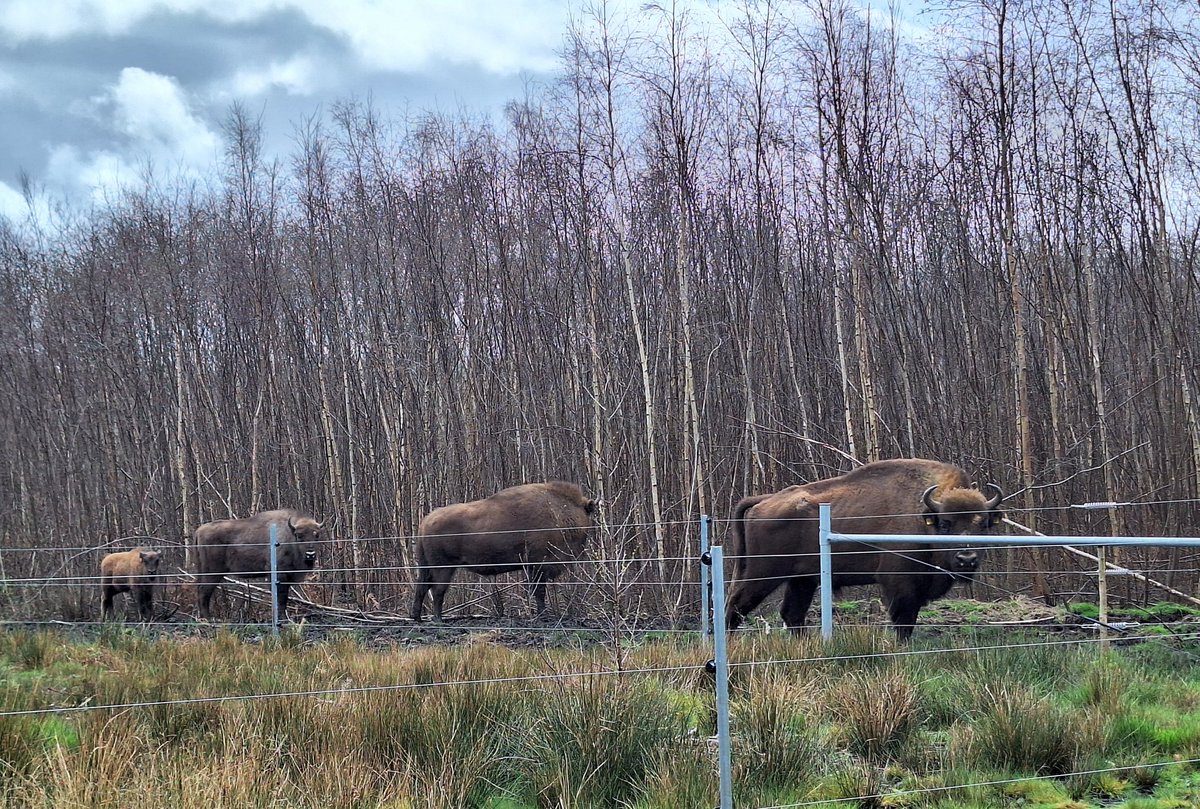
One of the Bison dung slides that I am analysing contains a number of Pithomyces spores. These are parasites found in grasses and cereals (Shumilowskikh etc al, 2021). They produce a mycotoxin toxic specially to sheep and cattle. This is the only time that I encountered them.
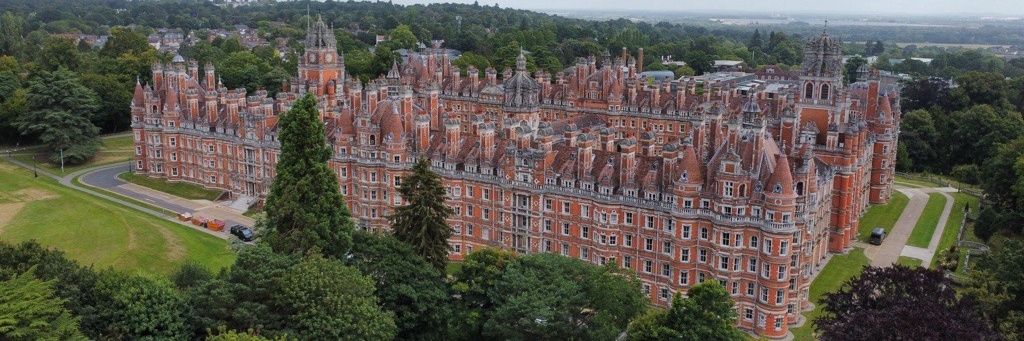
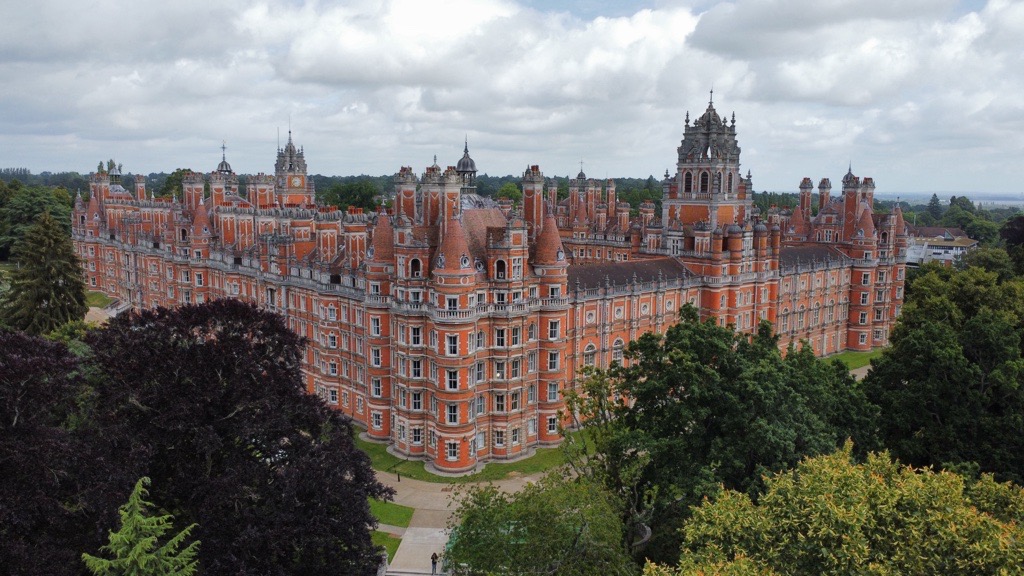
Spectacular evening. Last night RHUL hosted a remarkable exhibition by Prof Danielle Schreve and Sean Harris. The event featured stunning animations set against the beautiful Founders building. We were also treated to engaging talks and insightful conversations. @RHULGeography
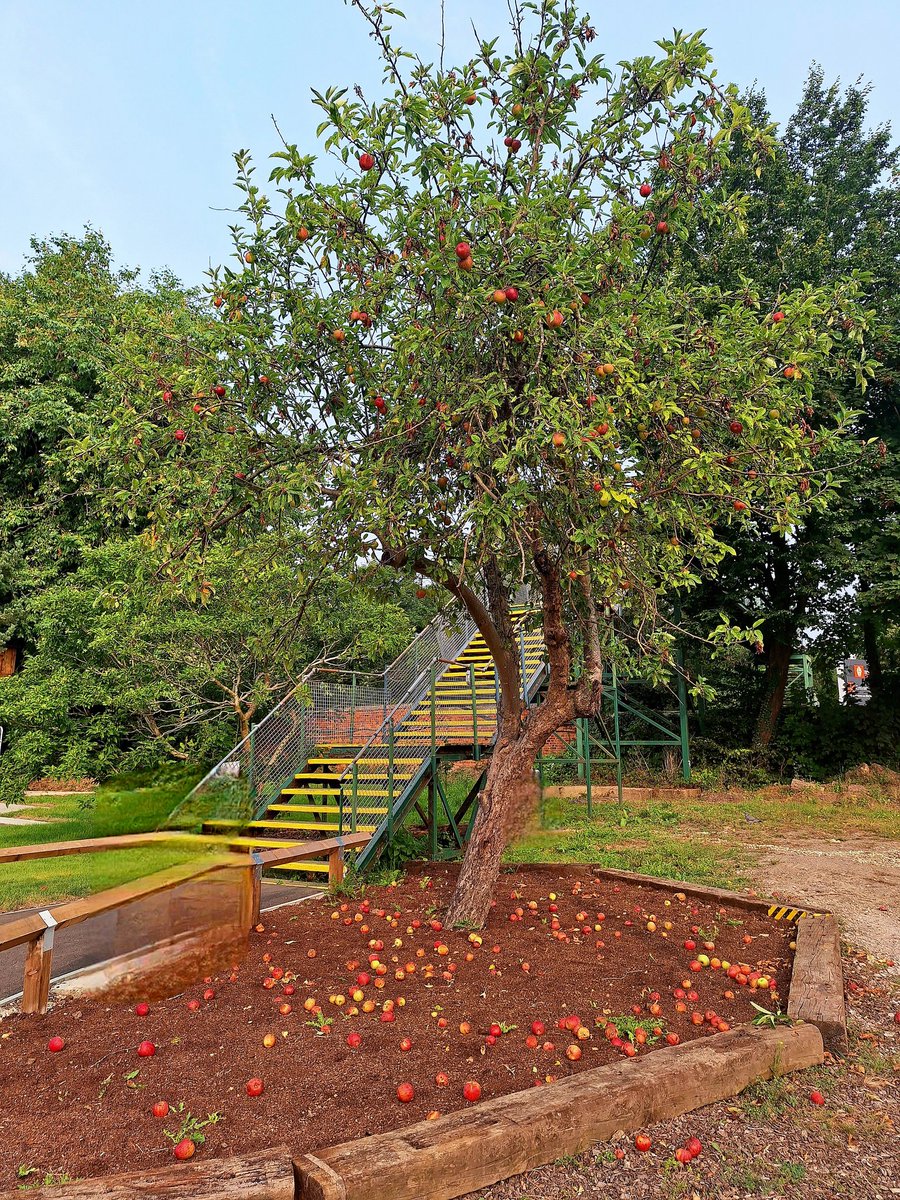
@KorichevaLab@RoyalHolloway We are doing a bit of monitoring (water, soil and vegetation) in the campus, working with the gardeners. I have set some pollen traps where the changes are happening and control areas. In a couple of years, with enough data, it could be a good student dissertation.
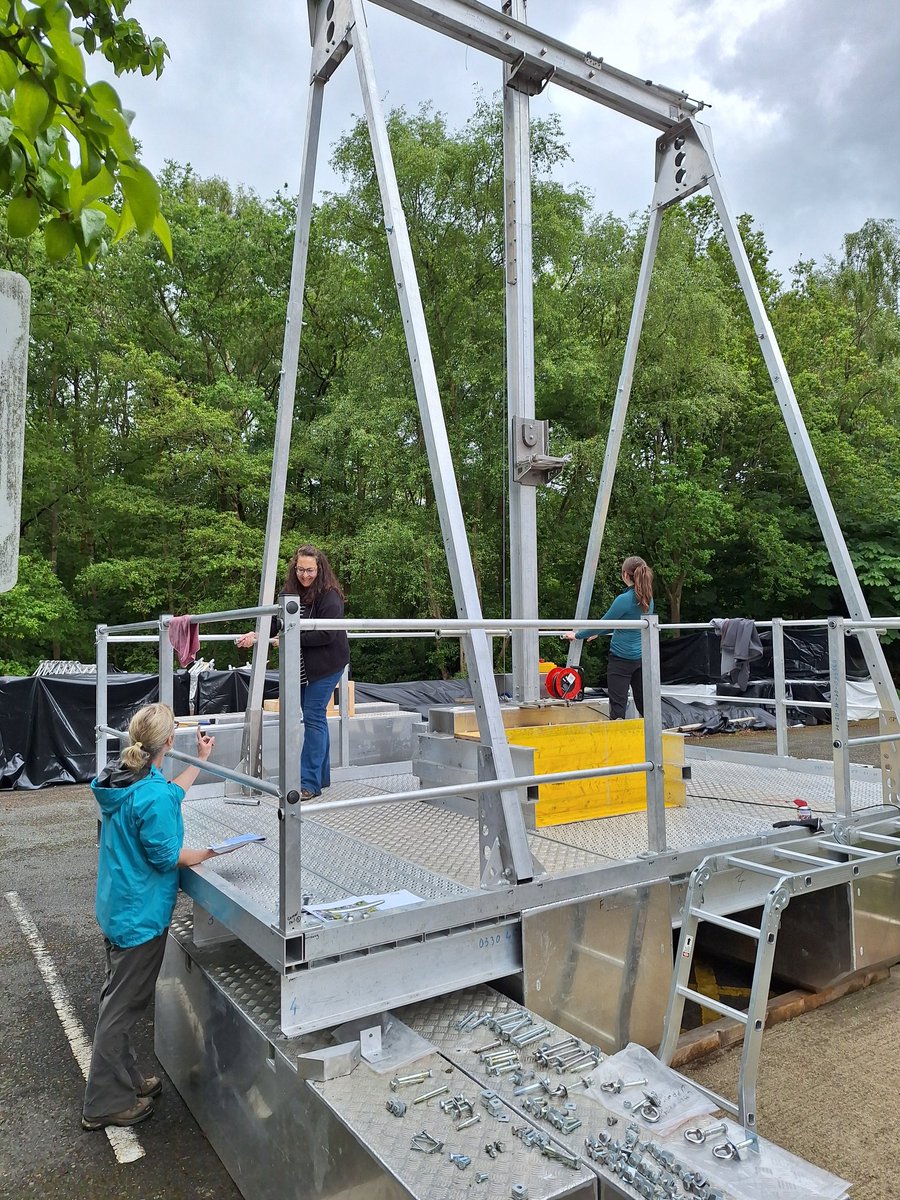
Nice day out the labs and the office. We practised how to set the coring platform up. At the end of a very successful day, it worked, and now everything is packed and labelled to make it easier when we go to the next lake. Impresive, right? @RHULGeography@CQRRHUL
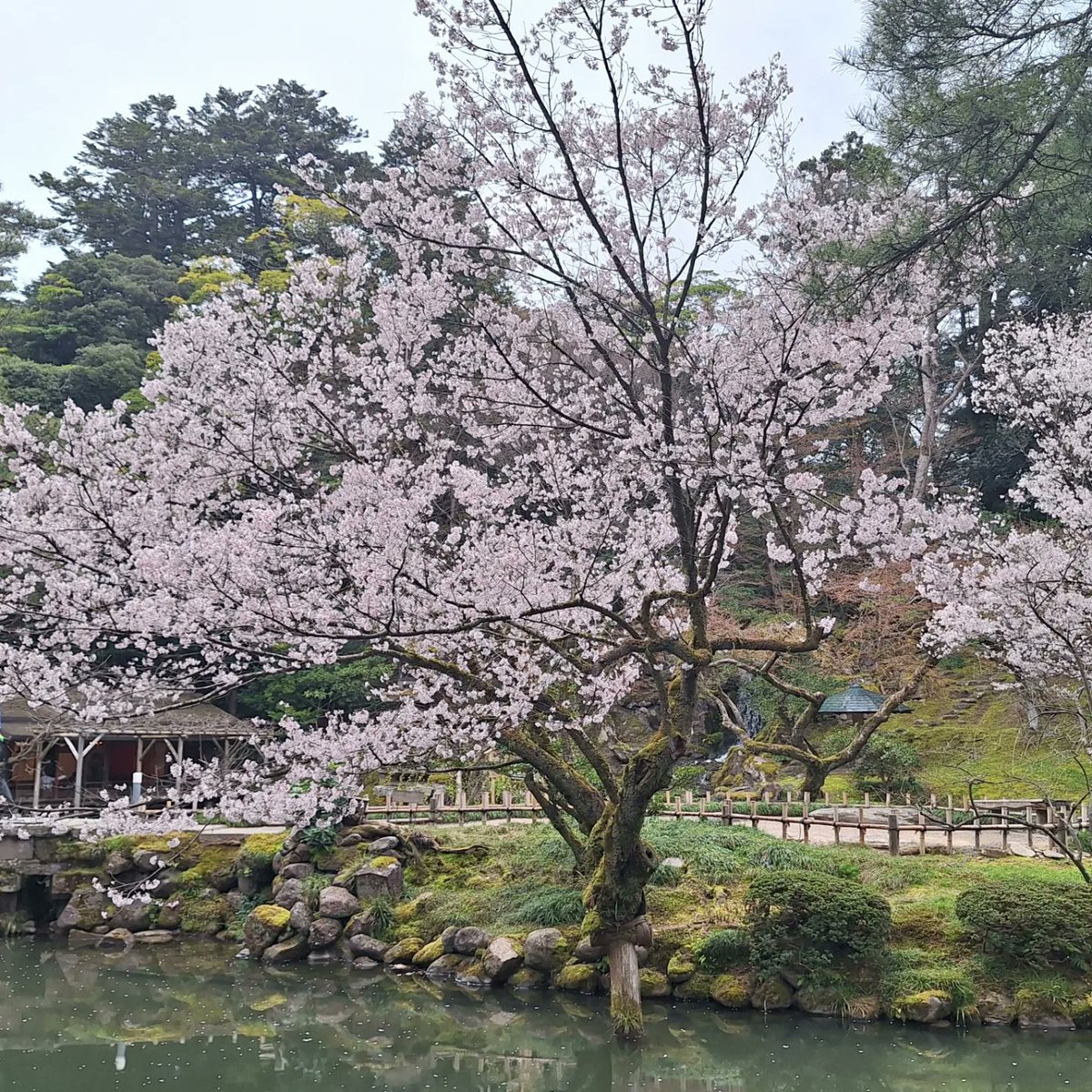
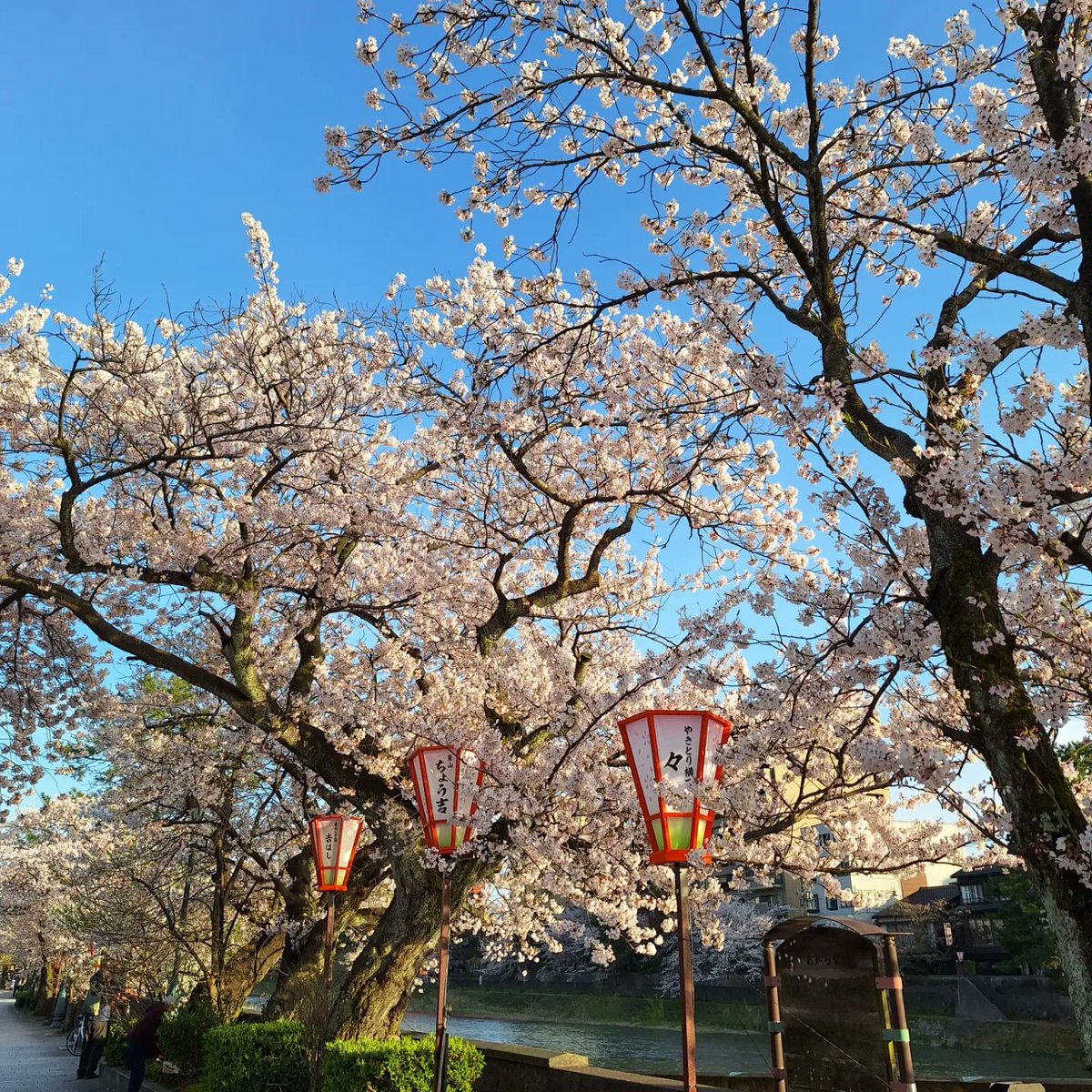
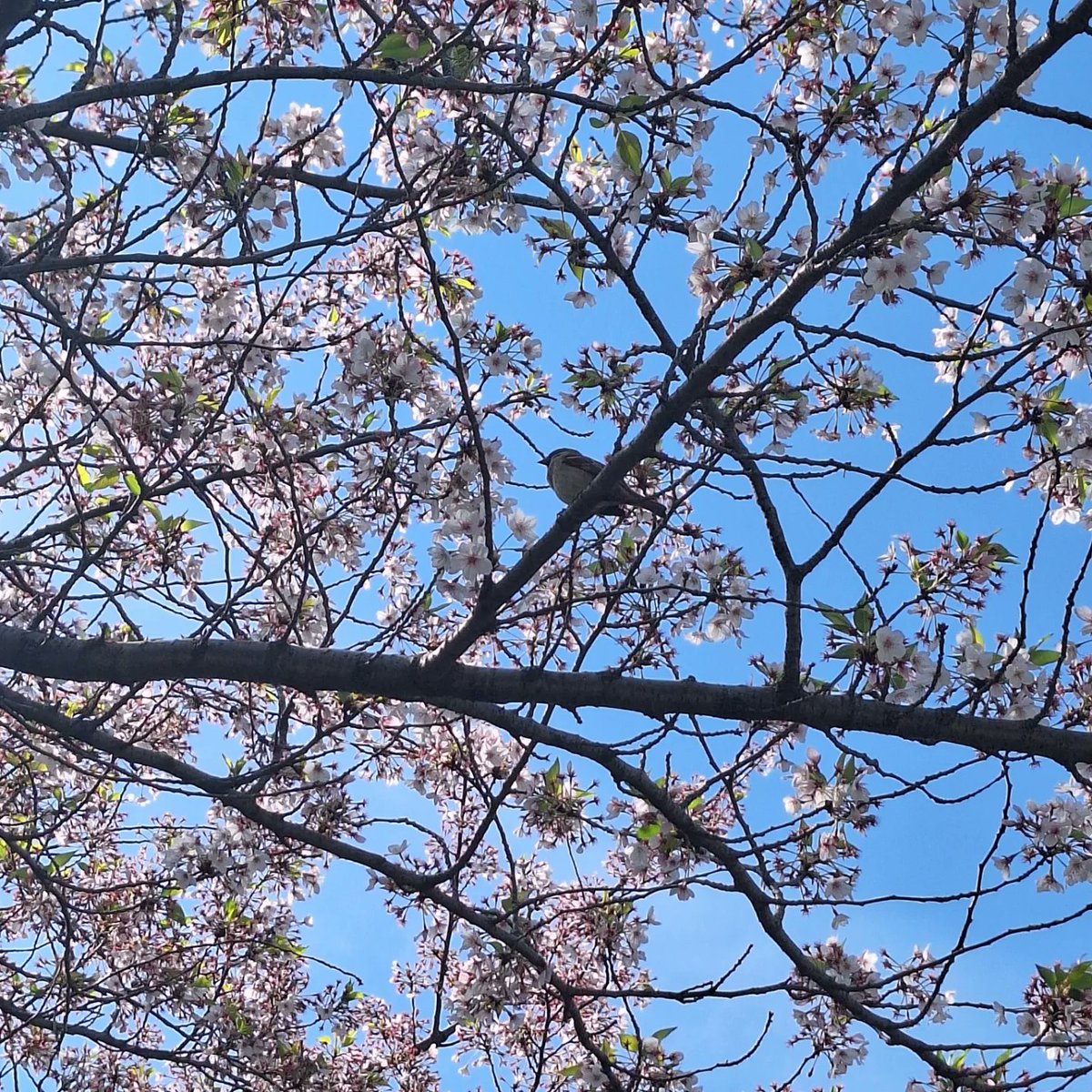
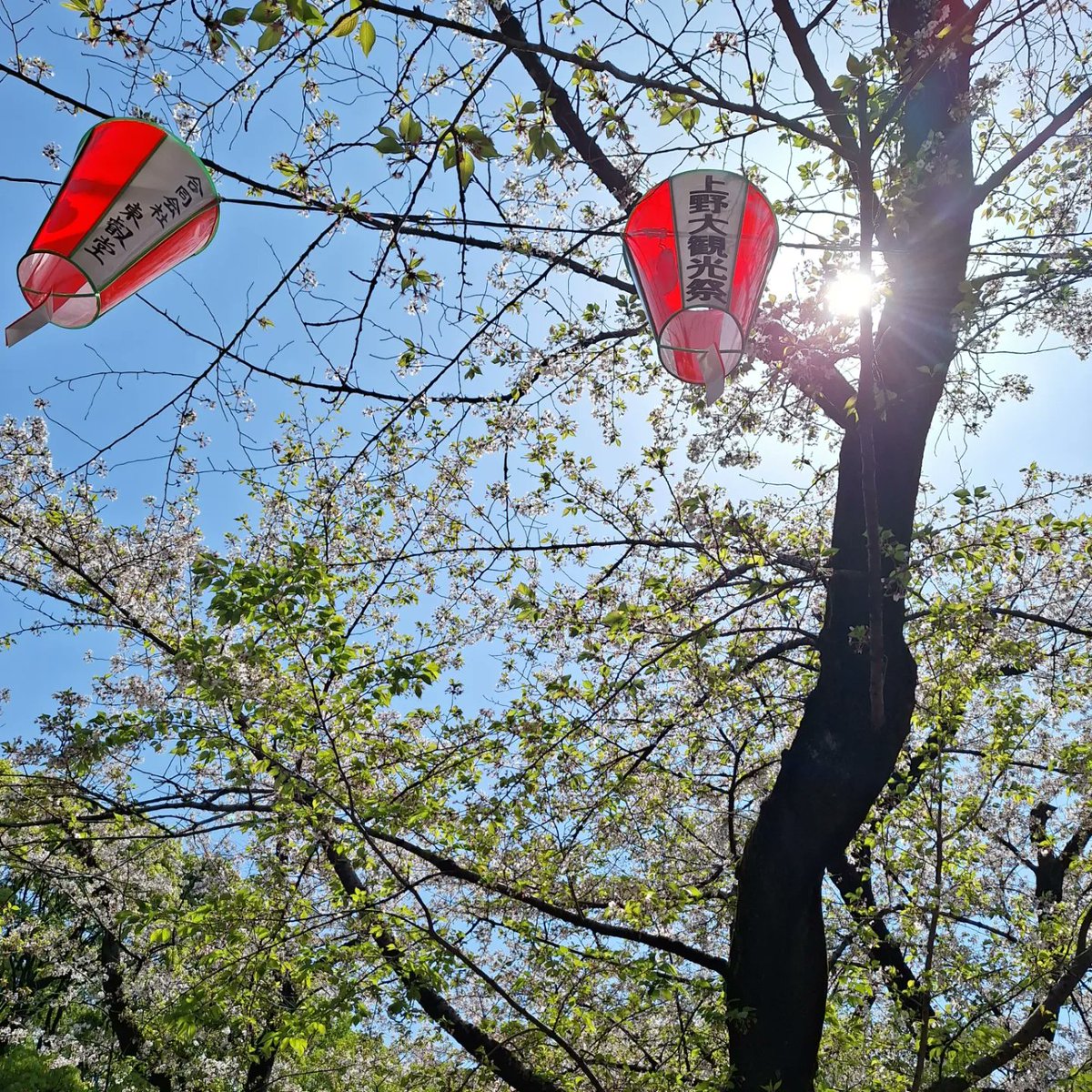
I was very lucky to be in Japan during the brief and beautiful Sakura season. The blooming symbolizes the fleeting nature of life and both life and death, beauty and violence.
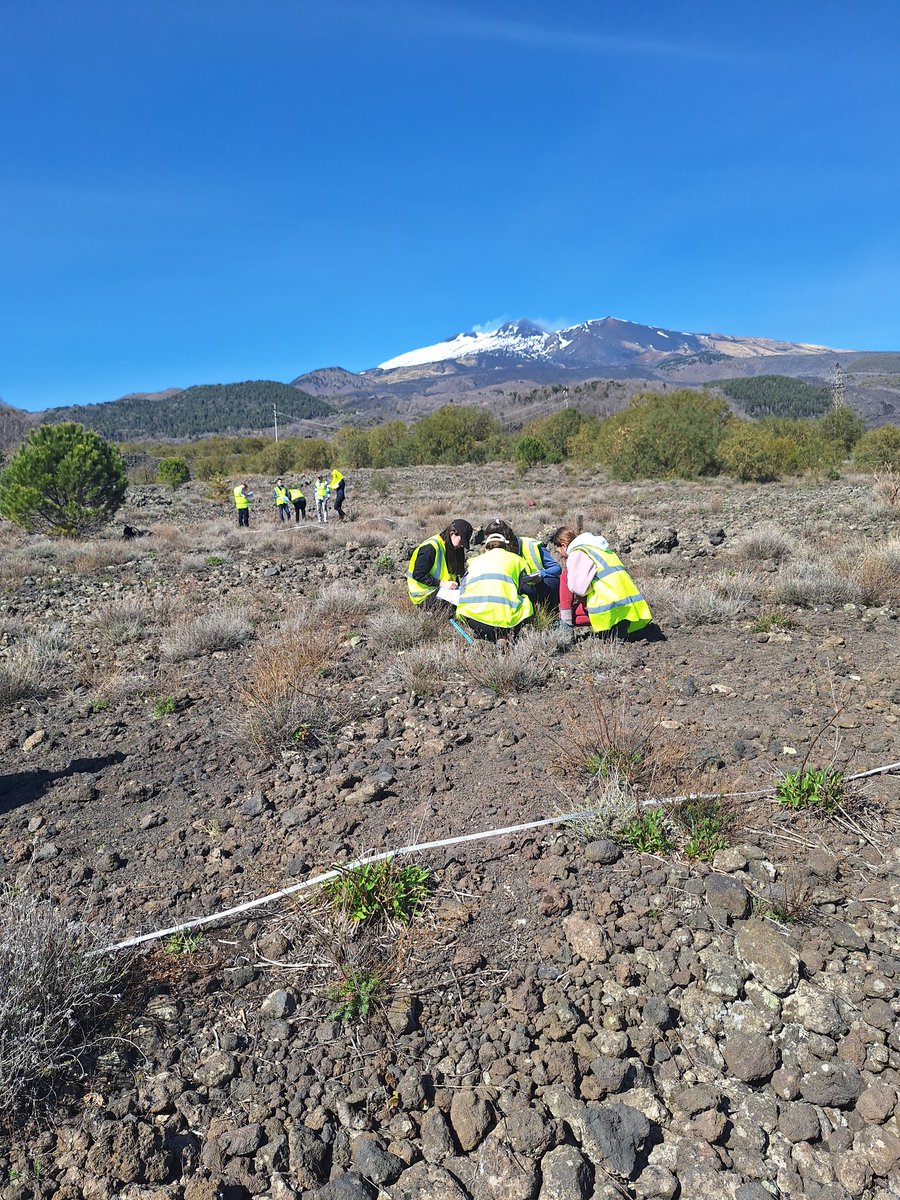
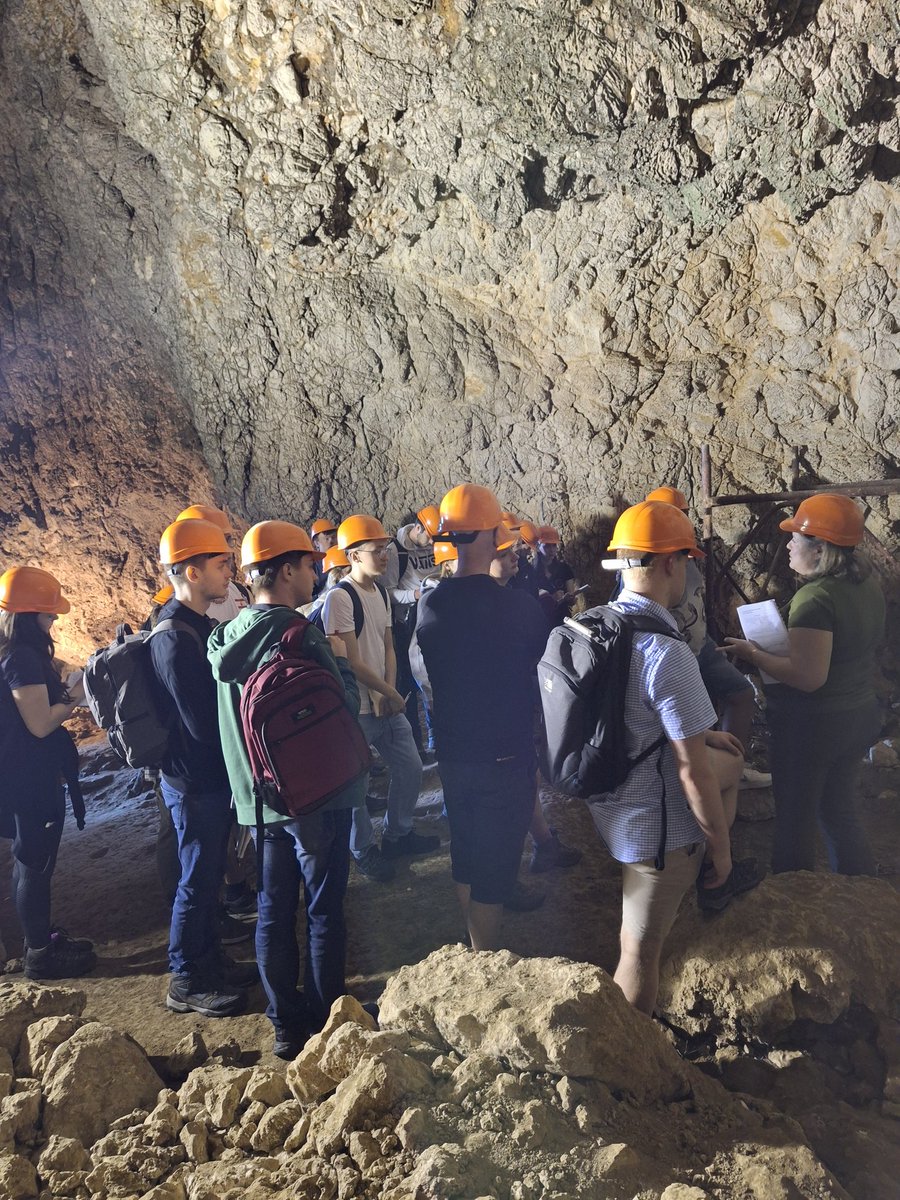
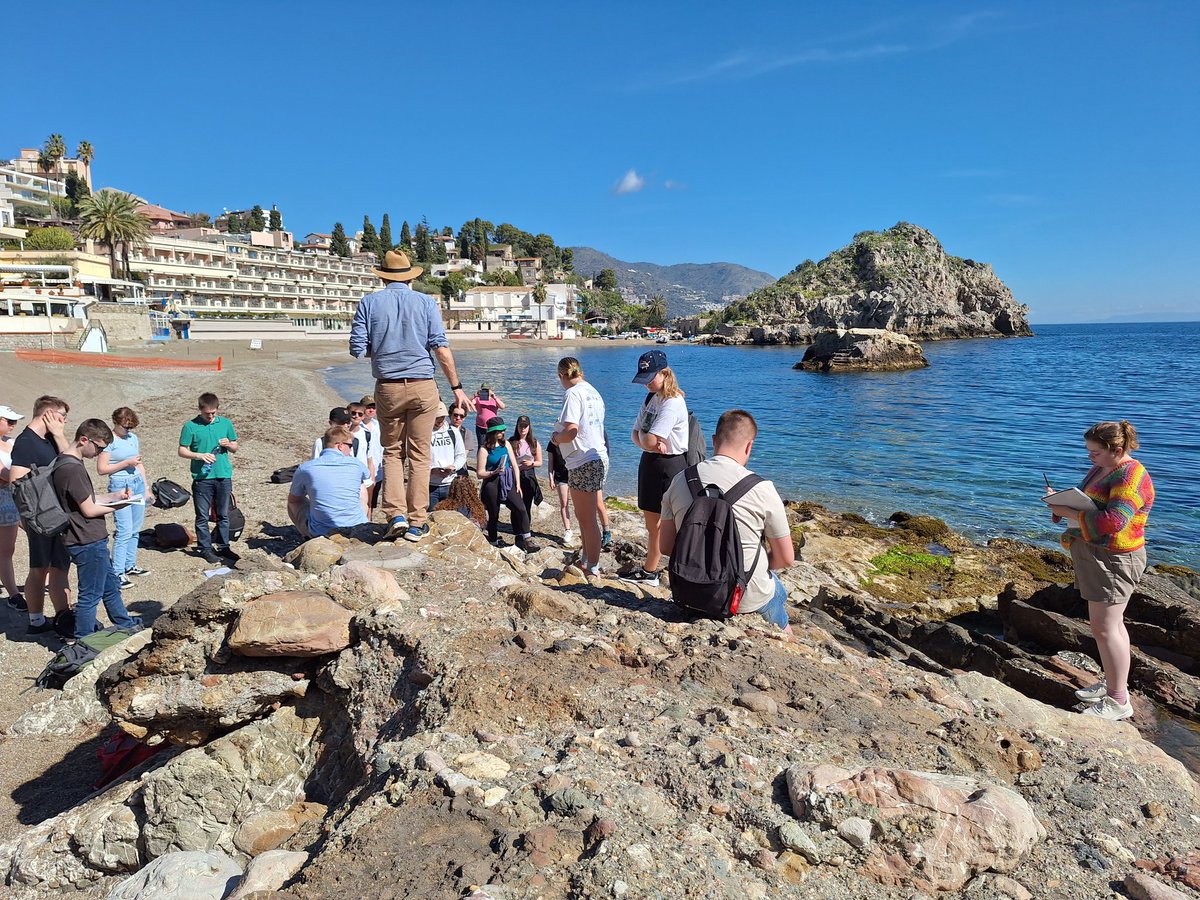
Another successful year in Sicily. Great students, amazing weather, and beautiful settings. We learnt about volcanos, tectonics, sea level, vegetation, fauna in islands and rivers. @CQRRHUL@RHULGeography
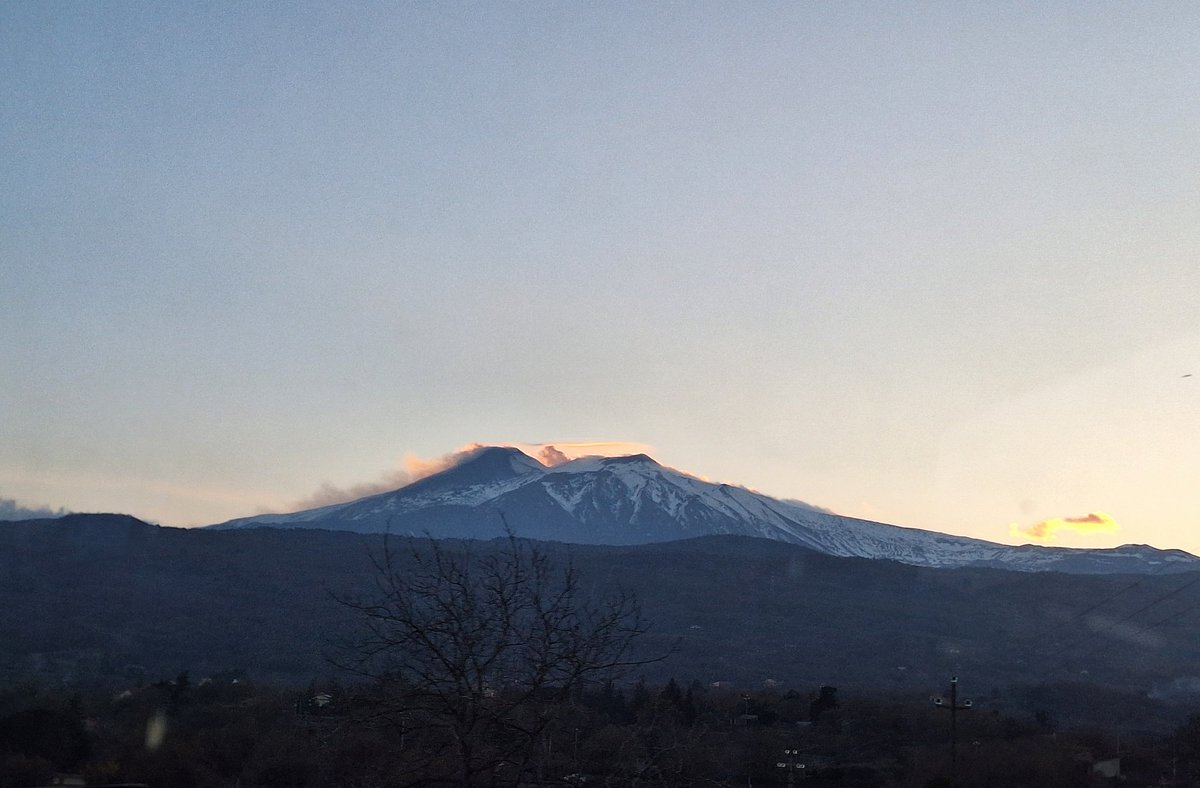
Another year back in Sicilly for the Geography second year. Today, visiting Etna (beautiful and smoky) to learn about volcanos y lavas. Finish the day in Pietradolce vineyard tasting wine produced in Etna and other local specialities. @RHULGeography@CQRRHUL
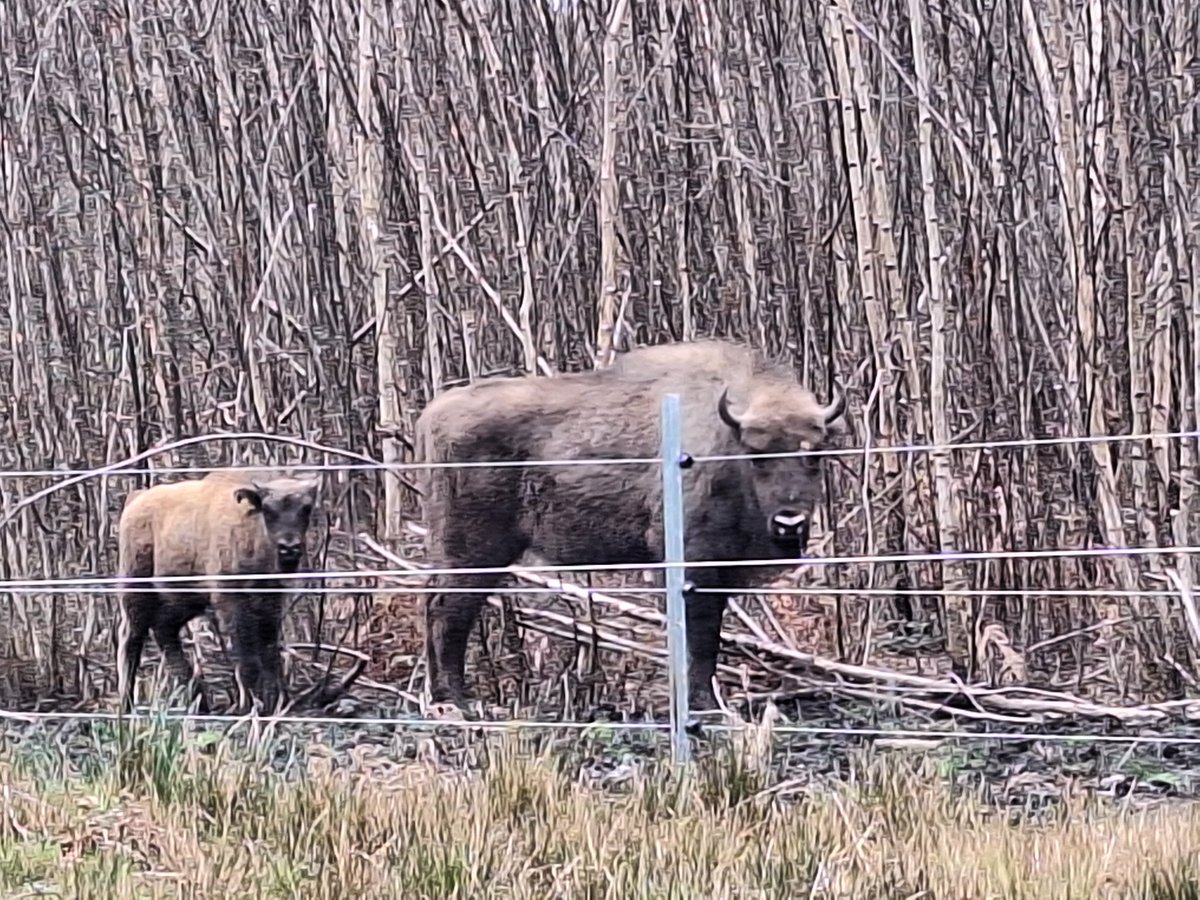
That time of the year again, heading off to Wildwood to change the pollen traps. It was a very wet and soggy day but greatly improved by the sighting of the bisons. So beautiful and majestic. One of the females reminded me of one of my favourite Paleolithic art.