I am hiring 2 postdocs to work on parasitic and endosymbiotic fungi associated with Hemiptera insects!
Ideal candidates will have experience working with symbionts, dissecting insects, meta/phylogenomics and confocal/FISH techniques (or some of these). Info below.
Please RT.
As part of FunDive, a Europe-wide collab project targeting understudied fungi, we’re looking for more data on Hesperomyces, a parasite on ladybirds – and you can help! I made a video together with
@INBOVlaanderen explaining everything you need to know.
https://t.co/wJBQb2yh2n
Call for Papers: Genomics in Symbiosis
We are excited to invite you to contribute to the special collection of #BMC Genomics: Genomics in Symbiosis. We welcome manuscripts that explore the genomics of symbiotic interactions across all domains of life!
https://t.co/QZJPWRfdxj
ZOOLOGY JOB ALERT!🚨🪱
Are you interested in microscopic worms, asexual reproduction, or EvoDevo?
We are hiring a post-doc (18 months) in our newly established group @IBE_Warszawa@BiolUW funded by @NAWAPoland
Apply by 15.12.24
More details here: https://t.co/BKx63JyWVc
Let me introduce the new governing board of the Polish Mycological Society: @MartaTischer (president), Katarzyna Patejuk (vice-president), Sebestrian Piskorski (treasurer), and Marta Kujawska (secretary). Congratulations!🥳🍄#PTMyk
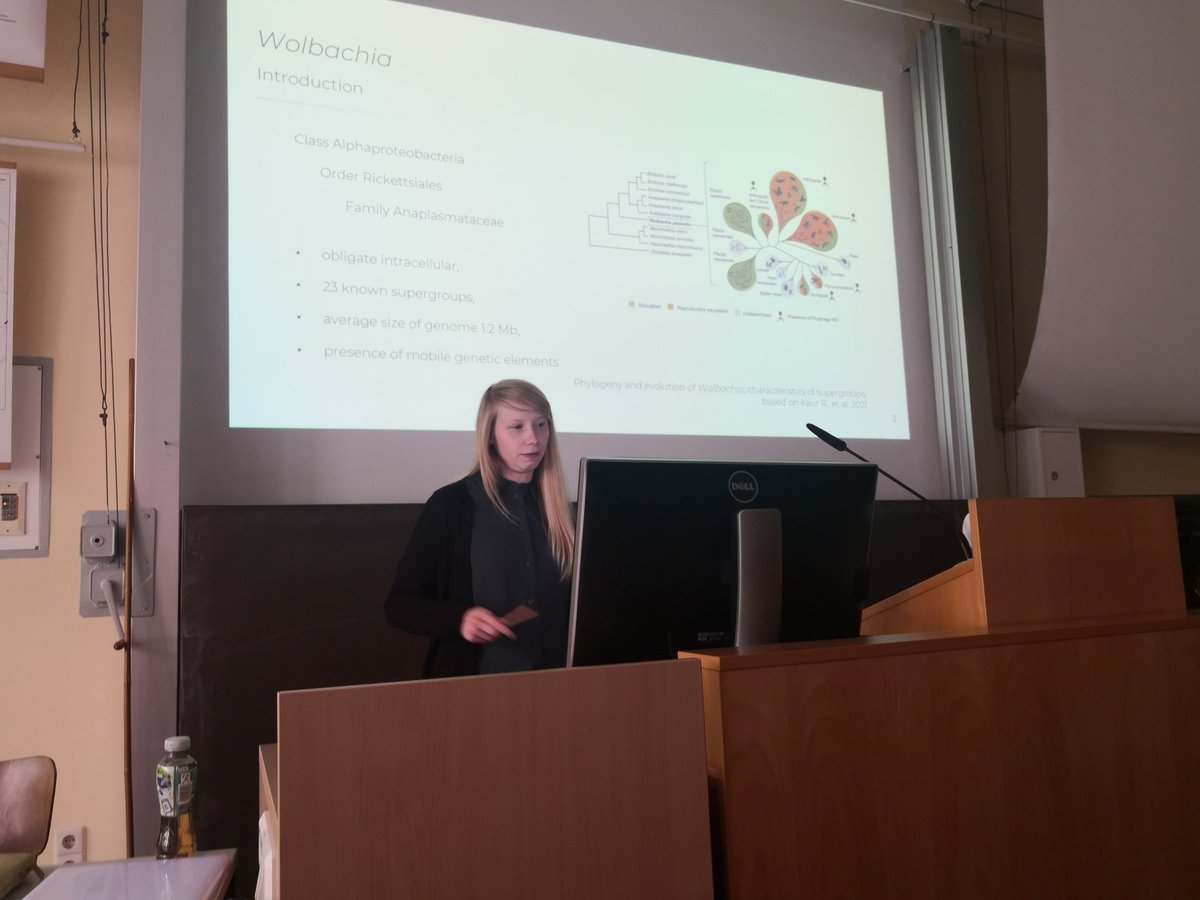
Check out our (with @MartaTischer ) new paper on Wolbachia infections in soil arthropods. We find a lower infection frequency compared to other ecosystems, but higher supergroup diversity @uniGoettingen https://t.co/E63w3P6o3H
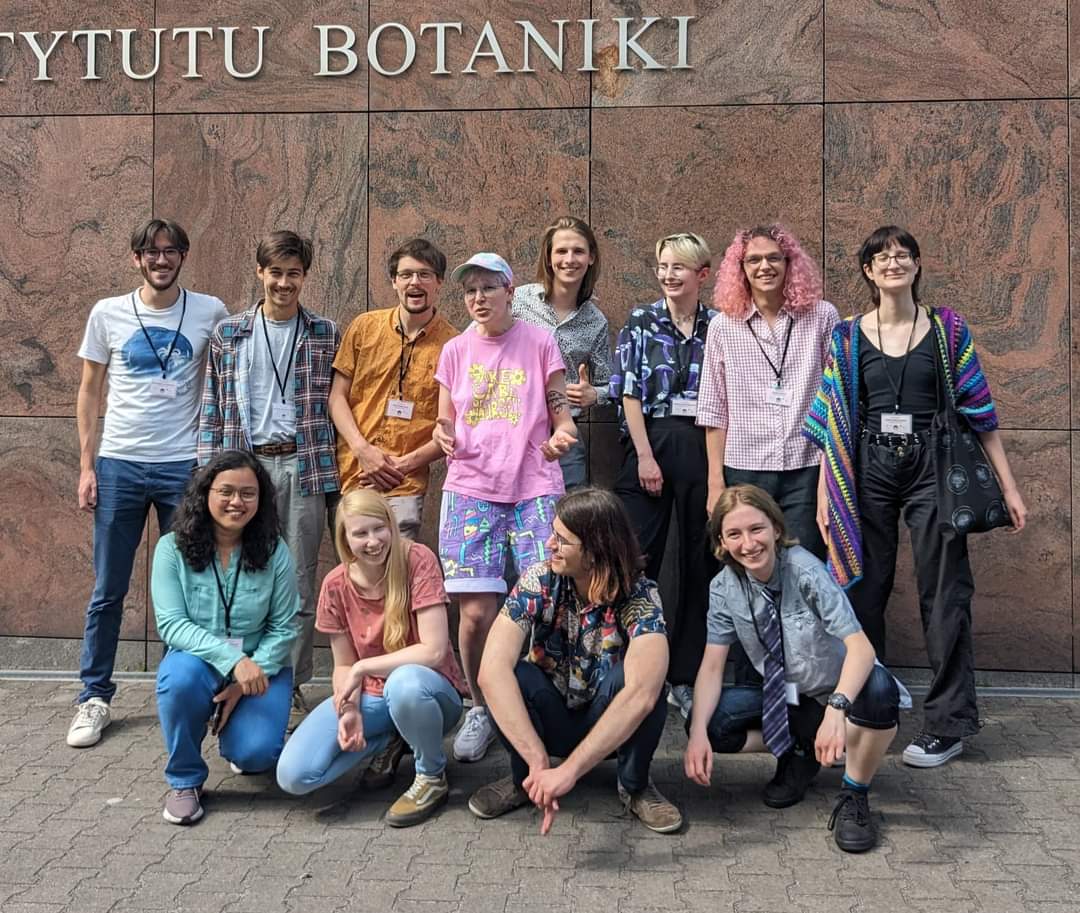
Last weekend, the #Mycology crew from IBE, OBUW & PAN Institutes of #Zoology, #Biochemistry & #Biophysics enjoyed the MycoRise Up student conference!
Congratulations to Olsza Borys & Benjamin Abranczyk for your oral presentation awards & to Amelia Ploch for your poster award! 🥳
Super-amazing work by Takanori Nishino, Hiromi Mukai, Minoru Moriyama and other colleagues on a novel insect-microbe symbiosis is now available as preprint
Defensive fungal symbiosis on insect hindlegs https://t.co/VSmvB8OFa1
Leafhoppers are known to transmit serious diseases to a variety of crops worldwide. However, very little about the diversity of fungal parasites associated with them. Here we see one e.g., that once infecting the insect, it covers a large part of the leaf, increasing transmission
Today a paper from a very nice collaboration with Charlotte Hopfe @unibt was published in @CurrentBiology: Impact of environmental factors on spider silk properties. @UGoe_AEB@uniGoettingen Free access under: https://t.co/38J8G4s504
We have described new fungal species (and genus) Formicomyces microglobosus from infrabuccal pellets of Formica polyctena ants! It is a representative of Trichomeriaceae, in which many strains have already been ant-isolated!
https://t.co/GKhYynMe36