DESDE HOY LA EUTANASIA RIGE EN URUGUAY: QUIÉNES PUEDEN PEDIRLA
Desde este martes 21 de abril quedó vigente en Uruguay la Ley de Eutanasia, tras la reglamentación aprobada por el MSP. Solo podrán acceder mayores de edad, psíquicamente aptos, con enfermedad grave e incurable y bajo un proceso médico controlado.
Dos situaciones previstas
La normativa contempla a pacientes en etapa terminal y también a personas que, aun sin estar en esa fase, sufran un deterioro avanzado de su calidad de vida con padecimientos físicos o psíquicos insoportables.
Residencia en el país
Además de las condiciones médicas, se exige ciudadanía uruguaya o residencia habitual en Uruguay. Así, el acceso queda limitado al sistema nacional de salud.
Pedido por escrito
El trámite comienza con una solicitud expresa y escrita de la persona interesada, en presencia de un médico. Desde ahí se activa una evaluación para verificar que se cumplen todos los requisitos y que la decisión es libre e informada.
Controles obligatorios
La reglamentación prevé nuevas instancias de control, confirmación de la voluntad, evaluaciones complementarias y procedimientos estandarizados. El objetivo es asegurar que cada caso tenga trazabilidad y garantías dentro del sistema de salud.
Puede desistir
La voluntad del paciente puede revocarse en cualquier momento del proceso. La persona puede desistir sin dar explicaciones, incluso después de haber iniciado el trámite.
Aplicación regulada
Si se cumplen todos los pasos, la eutanasia debe realizarse de forma indolora, apacible y respetuosa de la dignidad de la persona. El procedimiento queda integrado al sistema asistencial, registrado en la historia clínica y sujeto a controles posteriores.
Cómo sigue
La reglamentación del MSP fija registros, criterios técnicos y mecanismos de supervisión para aplicar la ley. El sistema busca equilibrar el derecho individual a decidir sobre el final de la vida con la protección estatal ante situaciones de vulnerabilidad.
(+) en Montevideo Portal: https://t.co/eFl67KtqQ1
Got a fascinating message about healthcare in...
🇺🇾 URUGUAY 🇺🇾
"I'll start with the structural stuff: Uruguay has a mixed, integrated system called the National Integrated Health System (SNIS). It's not a disconnected scenario of "poor public health" on one side and "rich private health" on the other. It works through a common pool fund (FONASA) funded by workers, employers, and the State. The logic is universal coverage: practically the entire population is in the system.
What does this mean in practice?
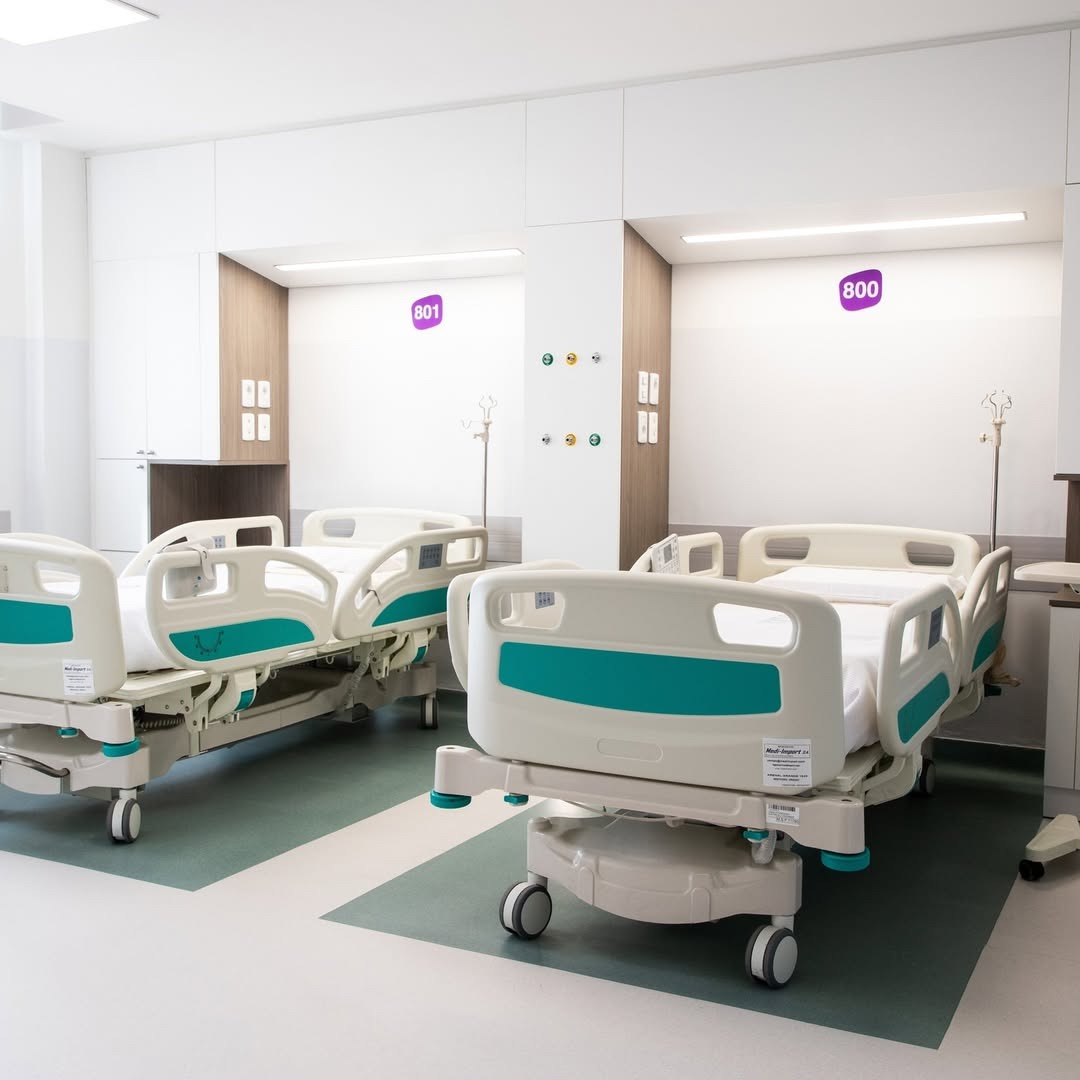
A formal worker contributes a percentage of their salary and gets access to a private, non-profit provider (called a mutualista) with comprehensive coverage: consultations, hospitalization, surgeries, ICU, mental health, maternity—everything. And if someone lacks resources, the State covers them through the public provider (ASSE). Coverage doesn't depend on going bankrupt paying for insurance; it's a solidarity-based scheme.
But the real crown jewel is the National Resources Fund (FNR). If you need a complex transplant or extremely high-cost oncology medication, the State covers it. That kind of stability is incredibly rare in Latin America.
Just to show you these are hard facts, not just a narrative:
-> Doctor density: We have about 5 doctors per 1,000 inhabitants nationwide (in Montevideo, it's over 7). For context, the OECD average for first-world countries is 3.5.
-> Total infrastructure: You have to scale this to a country of just 3.4 million people. For that population, the public network (ASSE) alone has over 40 hospitals and around 900 local and rural clinics. That’s a massive per-capita density that literally covers every single corner of the territory.
-> Infant mortality: At historic lows (around 5 per 1,000), which are European country numbers.
-> Life expectancy: Almost 78 years, top of the region.
-> Electronic medical records: Nationwide and 100% interoperable.
And I'll move to something rarely mentioned: real innovation.
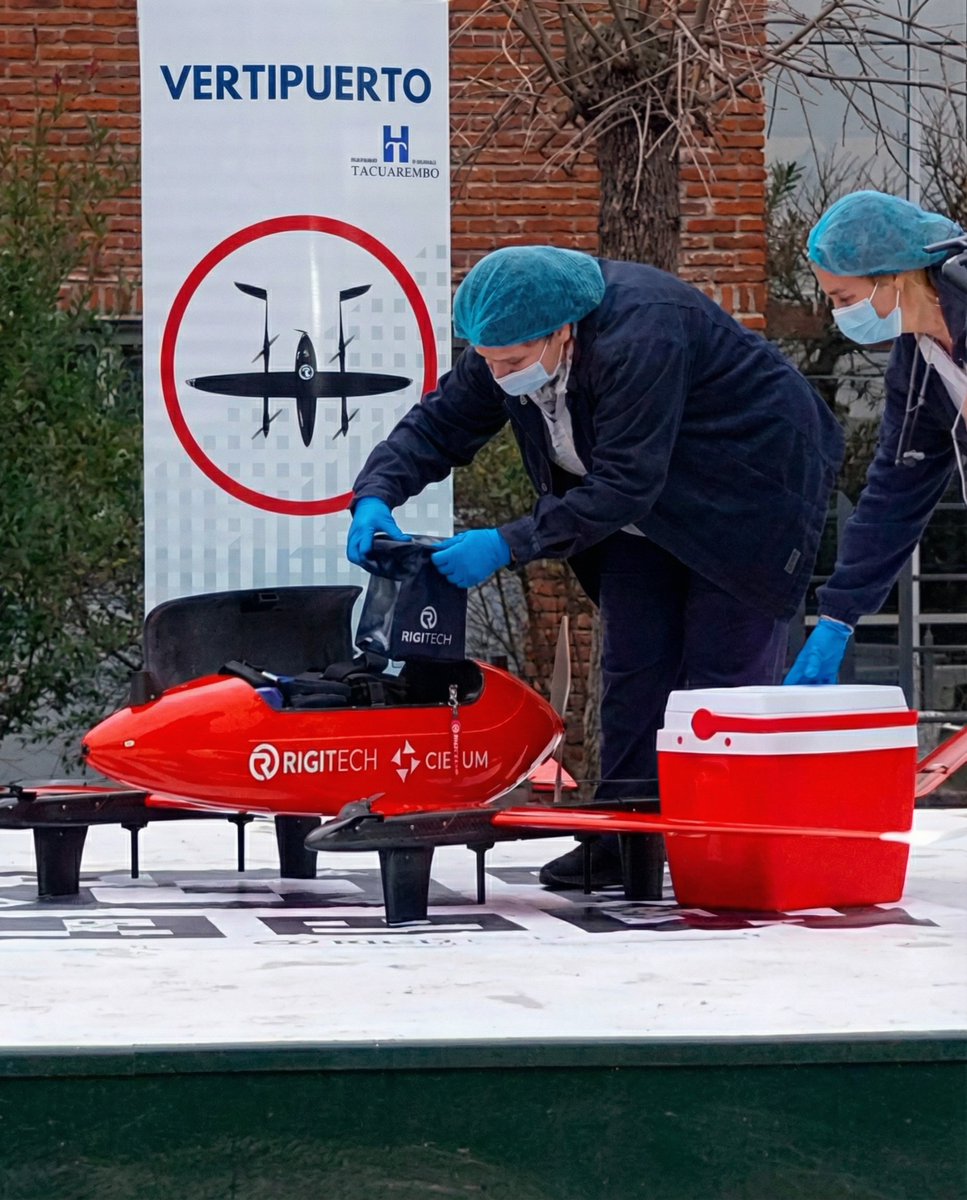
To give you an example that makes sense from the outside: in rural areas of the interior, the public hospital set up a drone network for the rapid transport of breast milk, biological samples, and meds. A massive logistical leap to ensure equity.
Plus, Uruguay has been developing:
-> Telemedicine formally integrated into the system, not just as a quick fix.
-> Total digitization of prescriptions and medical tests.
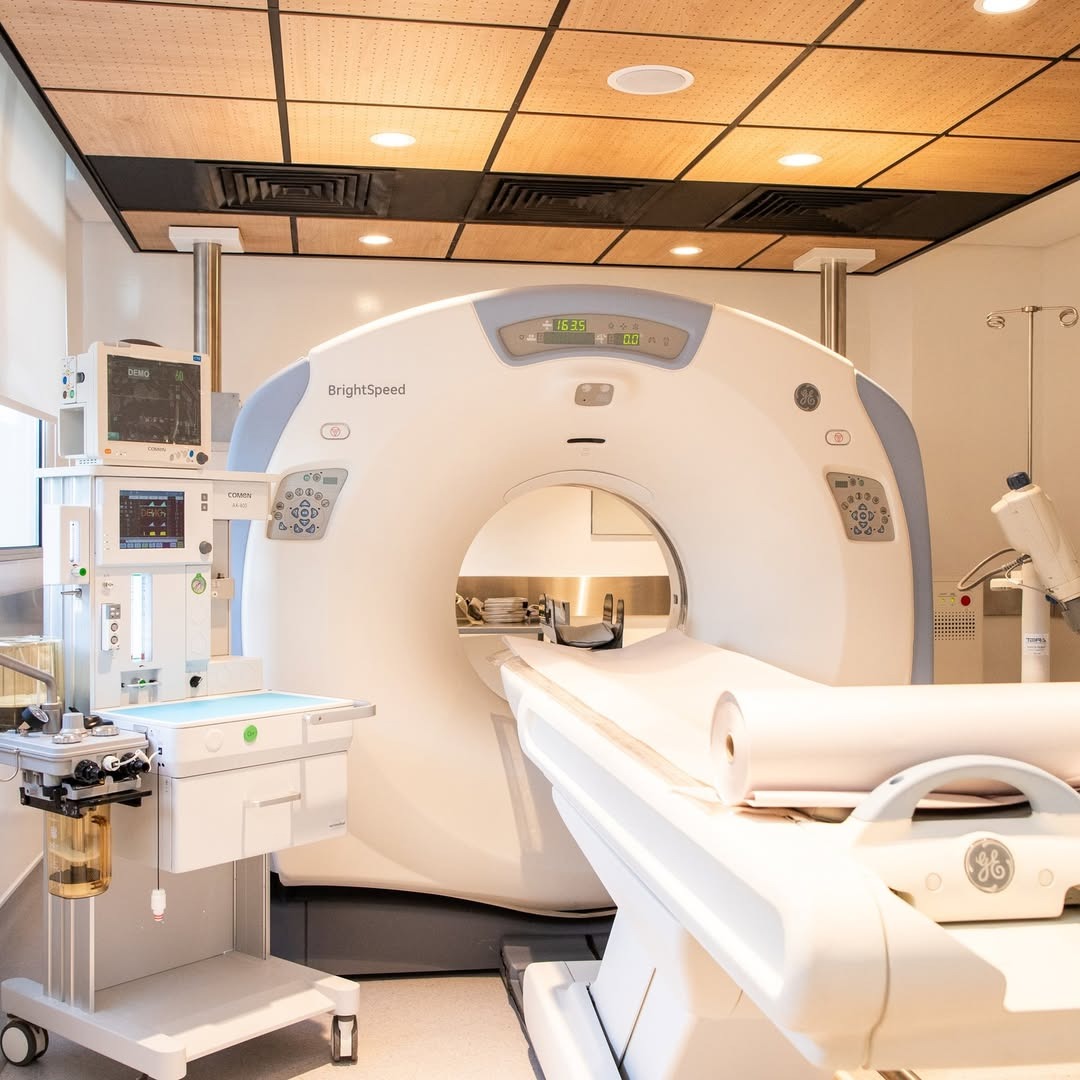
-> Oncology centers with next-gen radiotherapy equipment.
Now, if we talk about the elite sector, the picture is even more interesting...
In Montevideo and Punta del Este, there are top-tier private institutions with modern infrastructure, premium medical hospitality, robotic surgery, and specific services for international patients. The Punta del Este area has been capturing a lot of investment to position itself as a regional hub for premium services. It’s not just beaches; it’s targeting an international, high-purchasing-power audience.
What sets Uruguay apart here isn't just the luxury, but the combination:
You can have a solid, universal, and stable public system, while simultaneously having a highly competitive premium medical segment at a regional level."
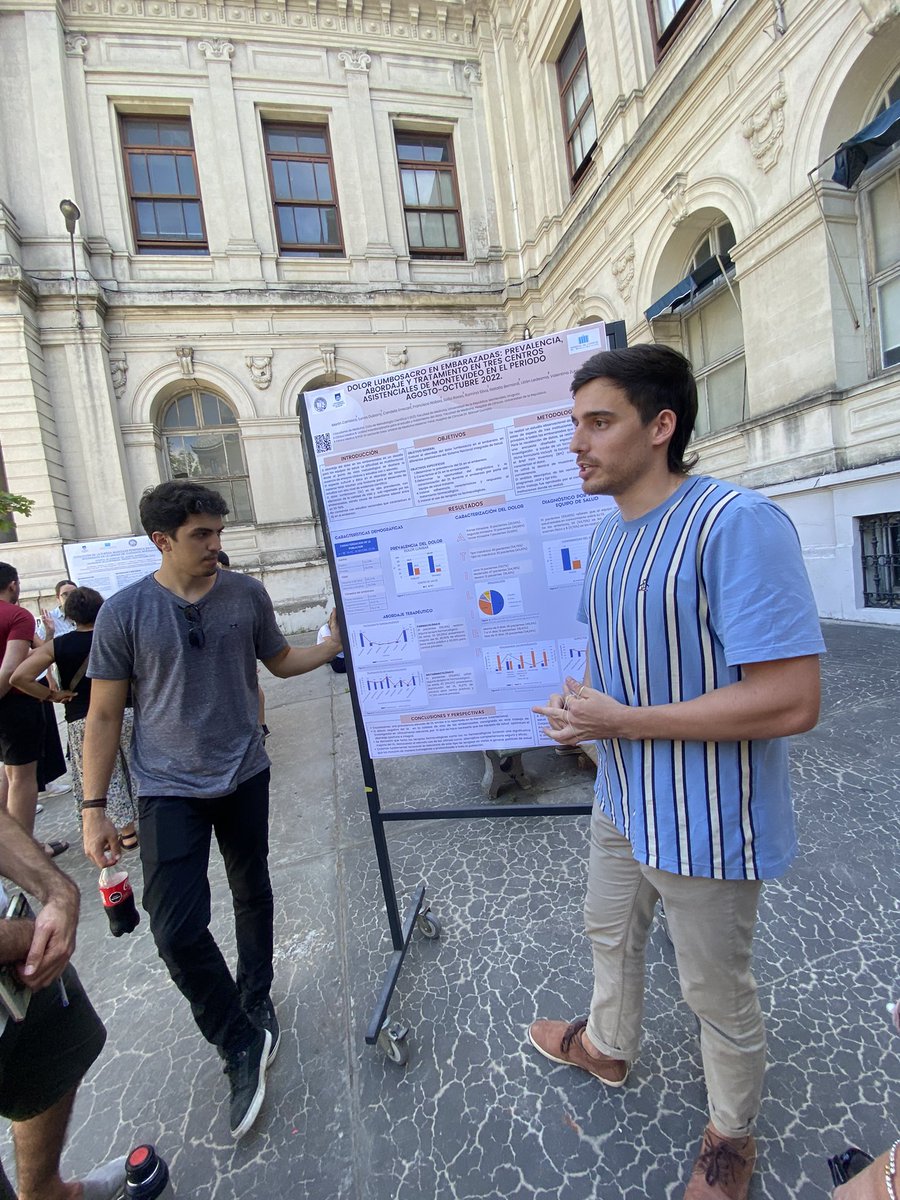
Jornadas académicas Metodología Científica II 2022. Por 4to año consecutivo tengo el gusto de acompañar a los estudiantes en este camino de la investigación clínica. Mucho aprendizaje siempre
@LiliLilitaLilo @fmedoficial@sbartesa
Atilio, Codo, Delgado y la Abdon SALIÓ TODO ABSOLUTAMENTE PERFECTO. Un recibimiento soñado, con la hinchada cantando la canción justa, porque éste amor va más allá de la vida misma.
GRACIAS @7411Hinchada, SIMPLEMENTE GRACIAS
¡Goleros GIGANTES! 🧤
Mauri y el Chino pudieron conocerse y compartír un partido único. #NacionalTVPlus estuvo con ellos y te muestra este desde adentro 100% Tricolor 🔵⚪️🔴
Registrate en 👉🏼 https://t.co/fN0bl3holY y mira el contenido completo.
#ElClubGigante