For the International Criminal Court (ICC) in The Hague:
Russian propagandist Solovyev says that Russia’s goal is to kill all residents of Ukrainian cities:
"And to those Kyiv residents who are still there, I repeat for the hundredth time: leave the city. You are doomed. To the residents of Odesa and Mykolaiv: you’ve had your laugh. When people ask, 'Do we really have to think about them at all?' Yes. We are thinking about where to bury all of you."
Calls for the mass murder of civilians are classified under international law and national legislation as among the gravest international crimes and criminal offenses and may fall under several key categories:
• direct and public incitement to genocide;
• instigation of war crimes and crimes against humanity;
• war propaganda and incitement to hatred.
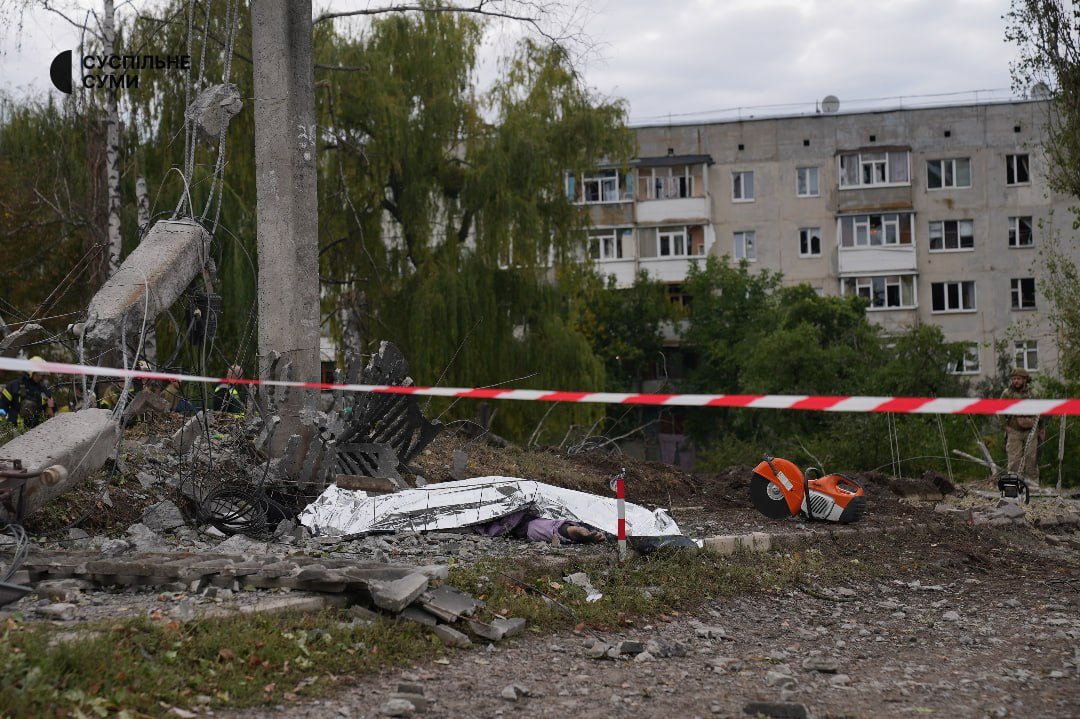
Trois corps de bébés d’un an et un enfant de 8 ans tués ce matin à Prylouky, petite ville ukrainienne, en cadeau d’anniversaire pour Putin, le meurtrier de Moscou.
Vingt autres victimes civiles innocentes décédées dans la même attaque.
Je ne sais pas comment on peut continuer à soutenir ce régime criminel.
Russia’s invasion of Ukraine is a textbook colonial war, yet international discourse rarely frames it as such.
Based on Ewa Thompson’s Imperial Knowledge, this explainer reveals why Russian imperialism remains overlooked.
By @yevkopiika
🧵 1/7 ⬇️
Ukrainian teacher Nazar Stepanov: During my lesson, an 8-year-old student learned that Russians killed his father, a soldier. 2 minutes earlier, he had been happily singing with the class. Then he came back in tears.
I froze. I didn’t know what to say — Ukrainska Pravda. 1/
Oleshky is why Ukraine cannot surrender an inch of territory.
It’s a European town where civilians are starving to death & being hunted by russian drones.
Now imagine condemning millions more Ukrainians to that fate. That’s what would happen.
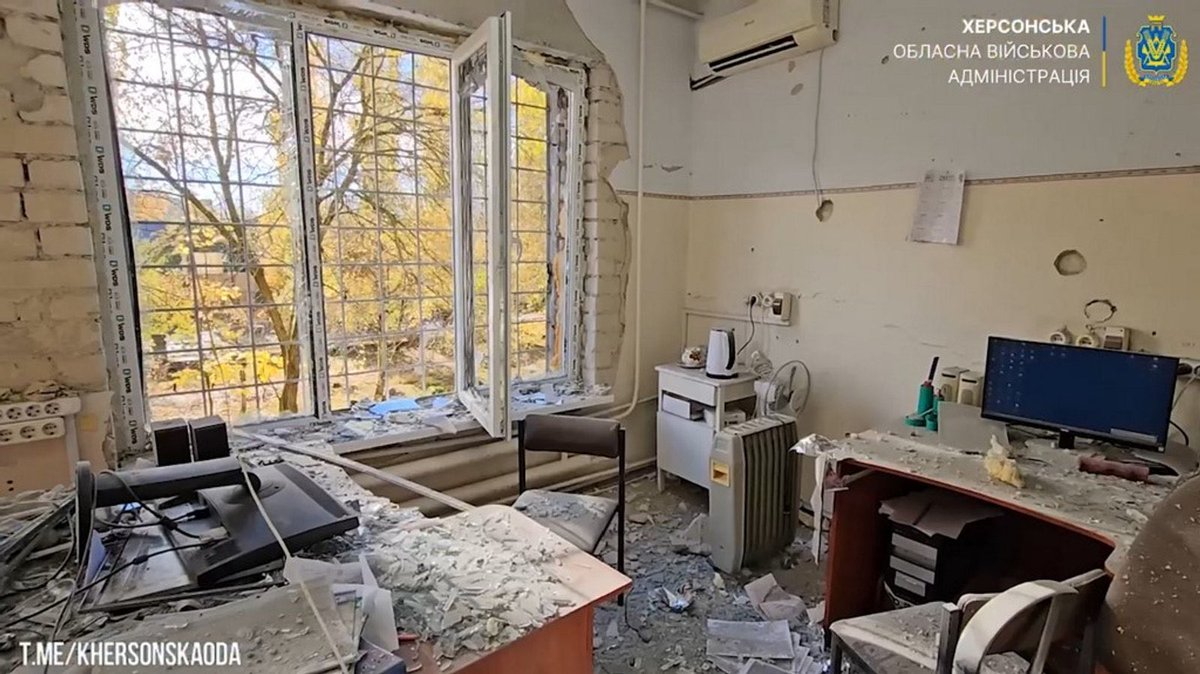
Nearly 2,700 healthcare facilities in Ukraine have been damaged or destroyed since the start of Russia’s full-scale invasion. Of these, 340 have been completely destroyed. The most extensive damage has been recorded in the Kharkiv, Donetsk, Dnipropetrovsk, Kherson, Mykolaiv and Kyiv regions. At the same time, 752 facilities have already been fully restored. Of these, 95 were hit again by Russian attacks after being restored. Hospitals continue to operate amid the war, while Ukraine’s healthcare infrastructure remains under constant threat of further attacks.
#InternationalCrimes
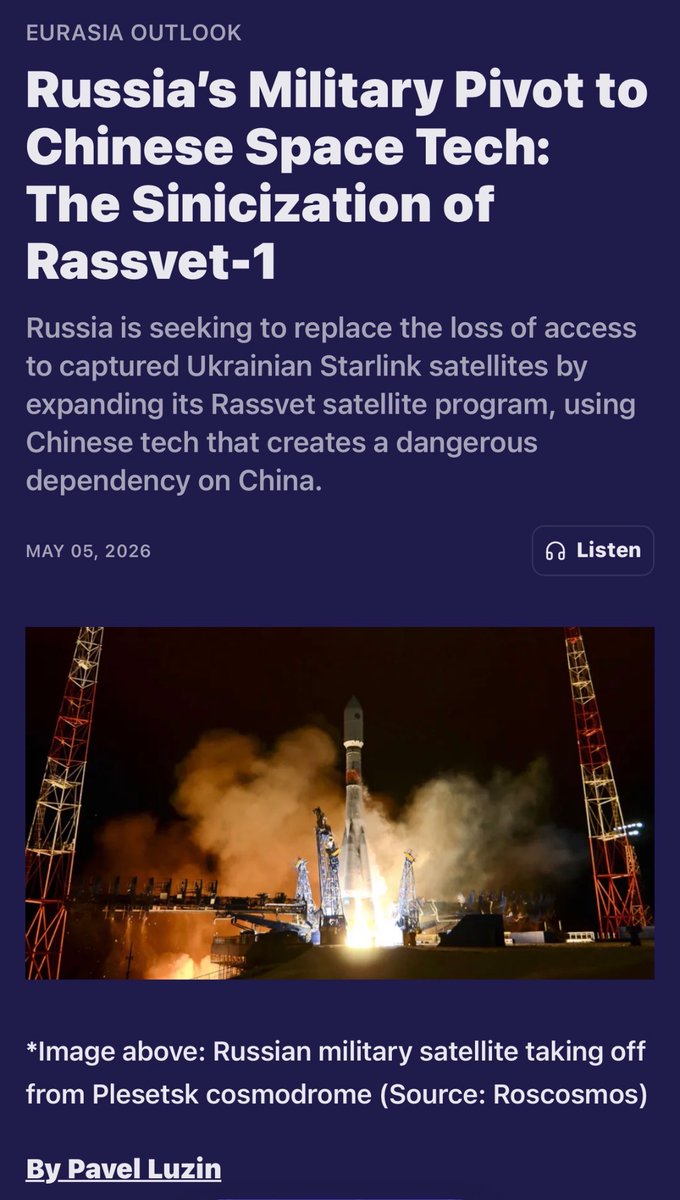
As early as next year, Russia could make a new technological leap that would give it an advantage in the war. And China is helping it with this.
We see serious signs of cooperation between Chinese companies in the design of Russia’s “Rassvet” network. “Rassvet” is being built specifically for war, even if officially it is presented as a commercial satellite internet system. It is being developed by Moscow-based Bureau 1440, which is part of IKS Holding. The system is being built in low Earth orbit at around 800 km and is intended to provide high-speed, low-latency communications, inter-satellite laser links, 5G NTN, and connectivity with moving platforms. This is exactly the set of capabilities needed by UAVs, maritime drones, military vehicles, and mobile command posts.
Russia has already moved from experiments to serial deployment of “Rassvet.” After two experimental groups of satellites in 2023 and 2024, 16 RASSVET-3 or Rassvet Gen1 spacecraft were launched in March 2026. Moscow plans to create a constellation of several hundred spacecraft.
China is one of the key sources of technologies without which it would be significantly more difficult for Russia to deploy such a system. The Russian side itself acknowledged this even before the serial “Rassvet” appeared. In January 2023, then-head of Roscosmos Yury Borisov directly stated that after the end of Western supplies, Russia had reached an agreement with China to purchase electronic components for rocket and space technology. He called Russian electronics the industry’s “Achilles’ heel” and said that Chinese partners had “lent a helping hand.” In other words, Chinese technological support for Russia’s space sector is an established fact.
Rassvet’s dependence on the Chinese technological environment can already be traced at the level of specific supplies. According to an investigation by the Center for Defense Reforms, in 2025 Bureau 1440 paid about $1.42 million to the company Materik, with almost the entire amount denominated in yuan. Materik imported SMA-D-6 attitude-control reaction wheels manufactured by Shanghai Modern Aerotech from China. Their specifications are very similar to the German Vectronic Aerospace VRW-D-6. Researchers suggest that the Chinese product may be a localized or adapted version of German technology.
The scale of contacts between Bureau 1440 and China is also striking. Throughout 2025, Bureau 1440 employees traveled to China practically every month, with around 90 people taking part in these business trips overall. Their destinations included Chinese commercial space centers, satellite manufacturing facilities, and satellite internet companies. It was during this period that Russia made a sharp transition from experimental spacecraft to the new serial generation, RASSVET-3 (Rassvet Gen1).
Pavel Luzin, an expert at the Saratoga Foundation, draws attention to the extremely rapid transition from Rassvet-2 to the new flat Rassvet Gen1 and its similarity to China’s Qianfan. The most likely explanation is close cooperation between Bureau 1440 and Shanghai Spacecom Satellite Technology - SSST, which is developing the Chinese Qianfan/SpaceSail constellation. Under this model, Russia could have gained access to a Chinese hardware platform, adapted it to its needs, and added its own software.
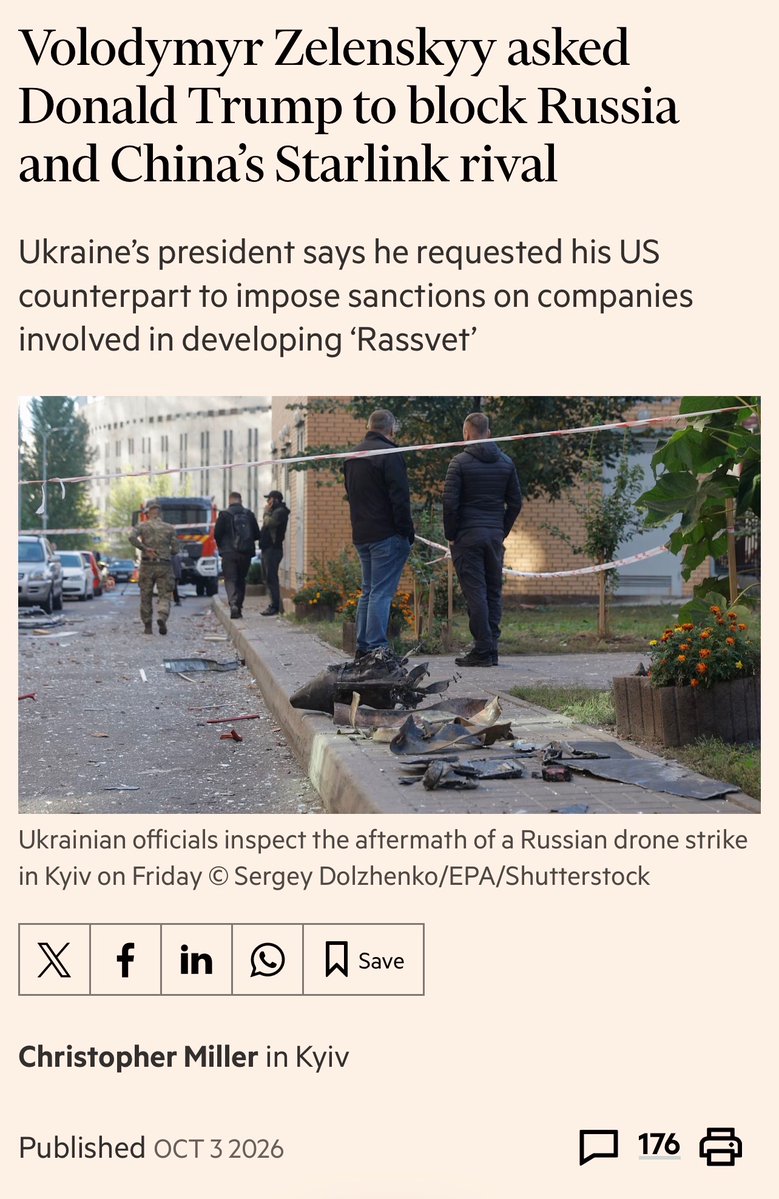
Zelenskyy’s statement strengthens this version, as Ukraine is now talking about specific Chinese companies rather than simply Russia’s general dependence on Chinese goods. Zelenskyy told the FT that China is working with Russia on technologies that could help create an analogue of Starlink, and that he had asked Donald Trump to impose sanctions on the Russian and Chinese entities involved. According to him, “Rassvet” could begin operating as early as late 2026 or early 2027.
No less importantly, China could help Russia obtain satellite communications even without the completion of “Rassvet.” China is already building its own low-Earth-orbit system, Qianfan/SpaceSail - effectively a Chinese analogue of Starlink. Its orbits physically allow it to cover Russian territory. If Beijing provides Moscow with authorized terminals, access to the network, and the necessary ground infrastructure, Russia could theoretically obtain Chinese LEO connectivity earlier than it can independently deploy a fully operational “Rassvet.”
If Russia obtains stable satellite communications and installs such terminals on drones, maritime drones, vehicles, and command posts, this could indeed mean a new stage of the war. Russian drones would be able to operate at significantly greater distances, transmit video in real time, receive new commands after launch, and change their routes and targets. This would make Russian strikes more precise. The risk for Europe is particularly serious: the operator could be sitting in Russia while the drone or another platform operates in another country. This could facilitate attacks and sabotage against military factories, airfields, ports, warehouses, energy infrastructure, and other critical infrastructure.
For now, “Rassvet” is not ready for this level of use: Russia has only 32 serial satellites, coverage is unstable, and mass production of compact terminals has not been confirmed. It is most realistic to expect a noticeable military effect in 2027, and a more stable system in 2028 or later. But China could significantly accelerate this process if it helps not only with components, but also with terminals, antennas, or access to its Qianfan network. Therefore, 2027 looks like the most dangerous period: this is when Russia could move from individual experiments to the systematic use of satellite communications for the war and for operations against European countries.
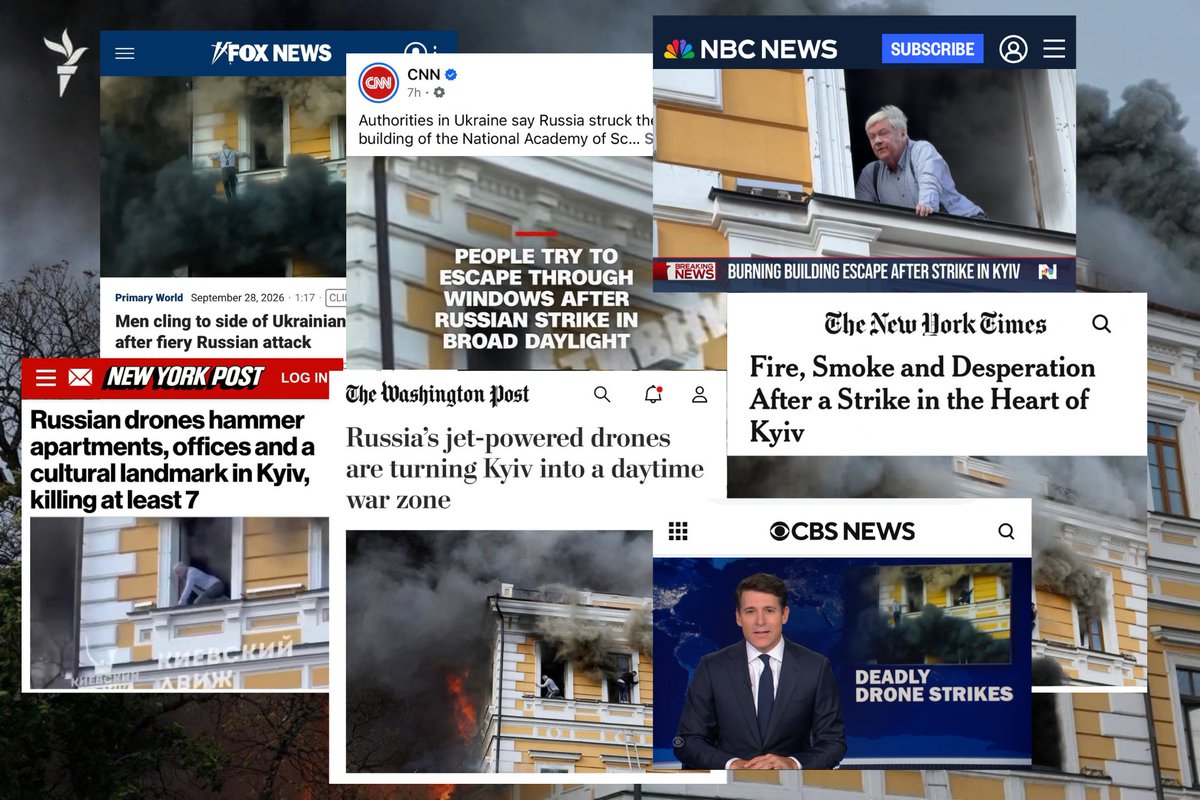
В останні пару років кадри щоденних обстрілів Росією українських міст потрапляють в американські медіа все рідше. Війна для новинного циклу стала буденністю, і щоб потрапити в новини, а з новин - в алгоритми соцмереж, інформація тепер має бути або ексклюзивною, або вражати і викликати сильну емоцію.
Вчорашні відео з Києва, де працівники НАН намагались врятуватись через вікна палаючої будівлі, для багатьох людей у США стали саме такими. Ці кадри облетіли усі великі американські медіа, телеканали, і що дуже важливо - зʼявились у смартфонах американців у їхніх новинних стрічках.
Новини про вчорашню атаку на Київ дійшли до людей з різними політичними поглядами. Про це говорили на ліберальних та консервативних платформах.
На сторінках одного лише FOX News відео зібрало тисячі коментарів і сотні поширень, а кількість переглядів, за приблизними підрахунками, сягнула кількох мільйонів. З високою ймовірністю, ці кадри побачили навіть ті американці, які за міжнародними новинами особливо не стежать і споживають ту інформацію, яку їм принесе Твіттер, Інстаграм чи Фейсбук.
Російські дрони прорвалися і в їхню інформаційну бульку.
Kramatorsk is living through hell right now.
russians just dropped a KAB on a residential building.
russia is killing civilians, destroying homes, and tearing Ukrainian cities apart.
The world must not normalize terror on this scale.
"Russia’s turning abducted Ukrainian children into Russian soldiers."
Reporter @KathrynDiss traveled to Ukraine for ABC’s Foreign Correspondent to expose this devastating reality. After years of indoctrination and militarization, kidnapped kids are being forced to sign contracts and fight against their own country.
Save Ukraine helped the journalist embed with our rescue missions and speak with youth who have just escaped occupation.
Thank you, Kathryn Diss, for bringing the global mission to bring Ukraine’s kids home to a wider audience.
📺 Watch the full report Tuesday, September 29, at on @abcnews and ABC iView. And you can also see it on YouTube.
Cari @GiuseppeConteIT, @NFratoianni e sedicenti pacifisti, sarei onorato se qualcuno di voi per una volta rispondesse a queste semplici domande.
Nei giorni scorsi il Consiglio D’Europa ha pubblicato un documento nel quale viene descritto con raccapricciante chiarezza cosa accade nei territori occupati, tra torture sistematiche, rapimenti di bambini, violenze, esecuzioni sommarie, processi pilotati, sparizioni forzate, detenzioni arbitrarie, negazione di ogni libertà, soppressione dell’identità ucraina, arruolamento coatto e militarizzazione dei minori. Quando parlate di pace avete già deciso che a pagarne il prezzo dovranno essere i 3,5 milioni di ucraini che vivono nelle regioni sotto occupazione russa e che ogni giorno subiscono tutto questo?
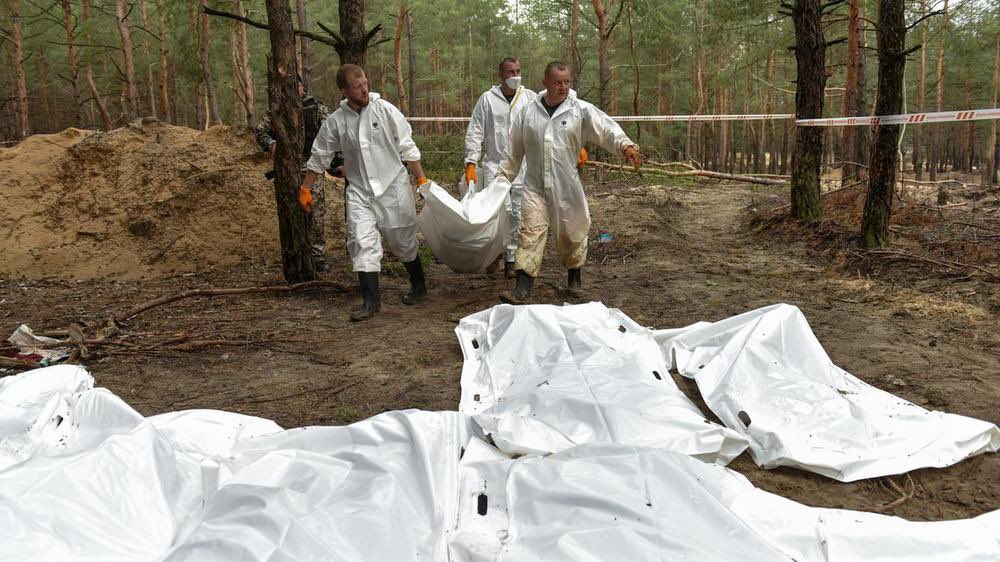
A Bucha, Irpin, Mariupol e altre località si erano già riempite di fosse comuni dopo un solo mese di occupazione. Come potete non chiedere voi per primi la liberazione di ogni centimetro di terra ucraina per impedire che questo orrore si ripeta e perché ogni vittima abbia un nome e ottenga giustizia?
L’Ucraina nel 1994 cedette il terzo più vasto arsenale nucleare al mondo in cambio di assicurazioni sull’integrità territoriale, la sovranità e l’astensione dalla coercizione economica. La Russia, cofirmataria del memorandum, ha violato tutte e tre le promesse. Quale insegnamento credete che trarrebbe il mondo se oggi rinunciassimo, come voi chiedete ogni giorno, alla difesa dell’Ucraina, se non che le armi nucleari valgono più dei trattati e che quindi l’unica difesa è costruirsi un proprio arsenale atomico? È questa la vostra idea di disarmo?
Dei 4 trattati sottoscritti con l’Ucraina tra il 1994 ed il 2015 la Russia non ne ha rispettato neanche uno. In alcuni ha persino finto di non essere parte in causa mentre armava separatisti e mandava truppe in segreto. Quello in discussione in Turchia ha provato ad imporlo massacrando civili, pretendo che Kyiv accettasse con una pistola puntata alla testa di disarmarsi, rimanere fuori dalla NATO e dare al suo invasore il diritto di veto sull’eventuale soccorso in caso di nuova invasione. Come fate a ritenere che disarmare l’Ucraina possa portare ad un accordo equo che la Russia rispetterebbe, visto che intendete mettere la vittima anziché l’aggressore in una condizione di svantaggio e renderla incapace di reagire?
Le cessioni territoriali violano i trattati dell’ONU e le convenzioni internazionali, che tutelano sovranità, rispetto dei confini e autodeterminazione. Putin ha violato questi principi in Cecenia dal 1999, in Georgia dal 2008, in Ucraina dal 2014 e di nuovo dal 2022. Cedere per l’ennesima volta alle pretese di un dittatore a cosa porterà se non alla prossima guerra? Cosa non avete capito dalla lezione della conferenza di Monaco del 1938 e della guerra mondiale che ne è derivata?
Putin tenta da 22 anni di controllare l’Ucraina politicamente, 18 anni fa ha iniziato a dire che non esiste, da 12 anni cerca di destabilizzarla e da 5 di cancellarla. Cosa credete che farà Putin se non continuare a provarci? Alla luce della miseria di aiuti che abbiamo inviato finora, i vostri saldi principi vi portano veramente a sostenere che la sopravvivenza di un intero popolo valga meno di un caffè al mese?
La Russia spende in armi, a parità di potere d’acquisto quanto l’intera Europa. Nelle tv russe si parla a giorni alterni di come nuclearizzare le nostre capitali. Nelle chiese si definisce santa la guerra contro l’Occidente. Nelle scuole si coltiva l’odio verso di noi e si insegna ad usare droni e armi. A cosa serve il disarmo che proponete se non a lasciarci indifesi davanti ad un pericolo esistenziale?
Ecco. Se non sapete rispondere a tutto questo, non rompete più i coglioni con le malefatte di Trump, con i doppi standard su Gaza, con il patriarcato, il femminicidio, la giustizia, il diritto e Bella Ciao. Perché il mondo in cui si legittima la sopraffazione l’avrete voluto voi.
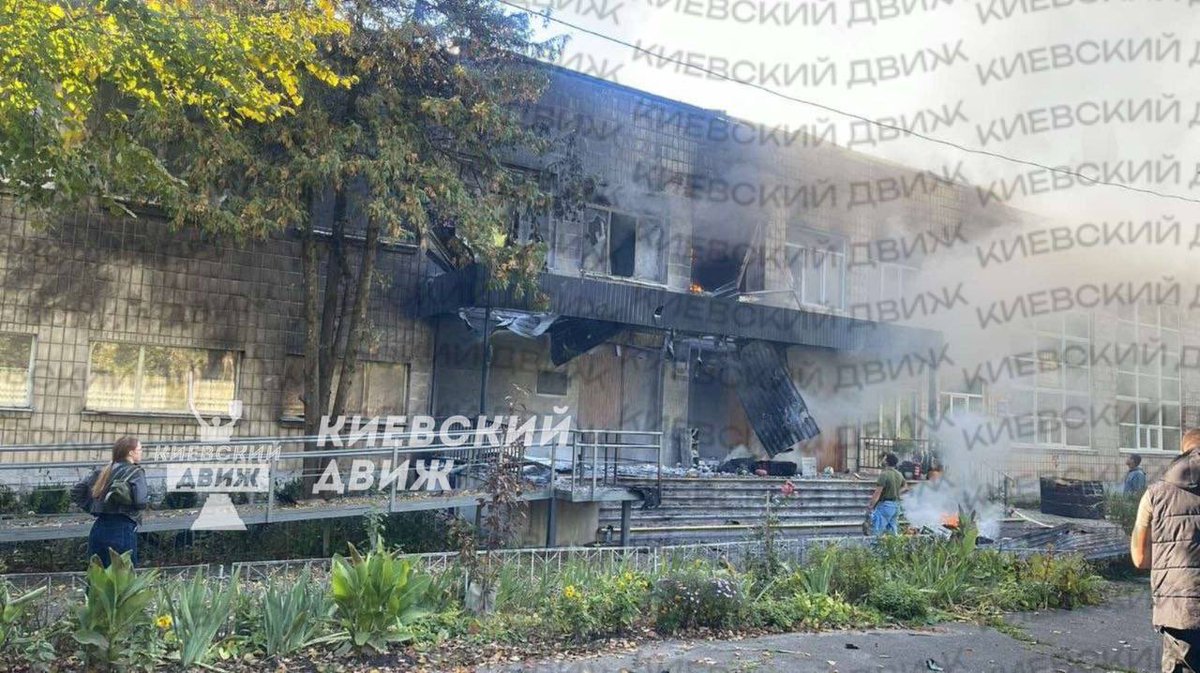
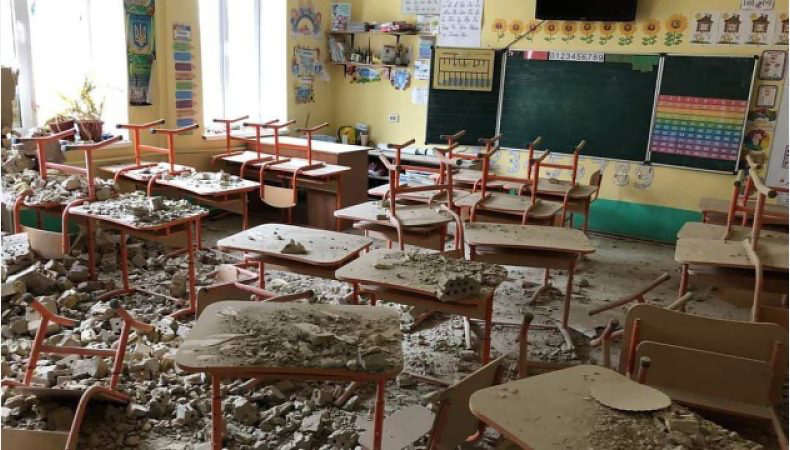
Les forces russes viennent de frapper encore une école à Kyïv.
Les enfants ne pourront plus suivre leurs cours.
Le Kremlin perd sur le front et s’acharne sur les civils : la stratégie criminelle des perdants.
La russie de poutine devrait être battue et sévèrement punie.
#RussiaIsATerroristeState
Terwijl Kyiv🇺🇦 non stop wordt bestookt, begint maandag 28sept. in moskou de beurs Agroprodmash. Machinebouwer @OttevangerME uit Moerkapelle met vestigingen in heel NL staat er met een stand alsof er niks aan hand is. Vertrek uit rusland, annuleer uw deelname aan Agroprodmash.🧵1/
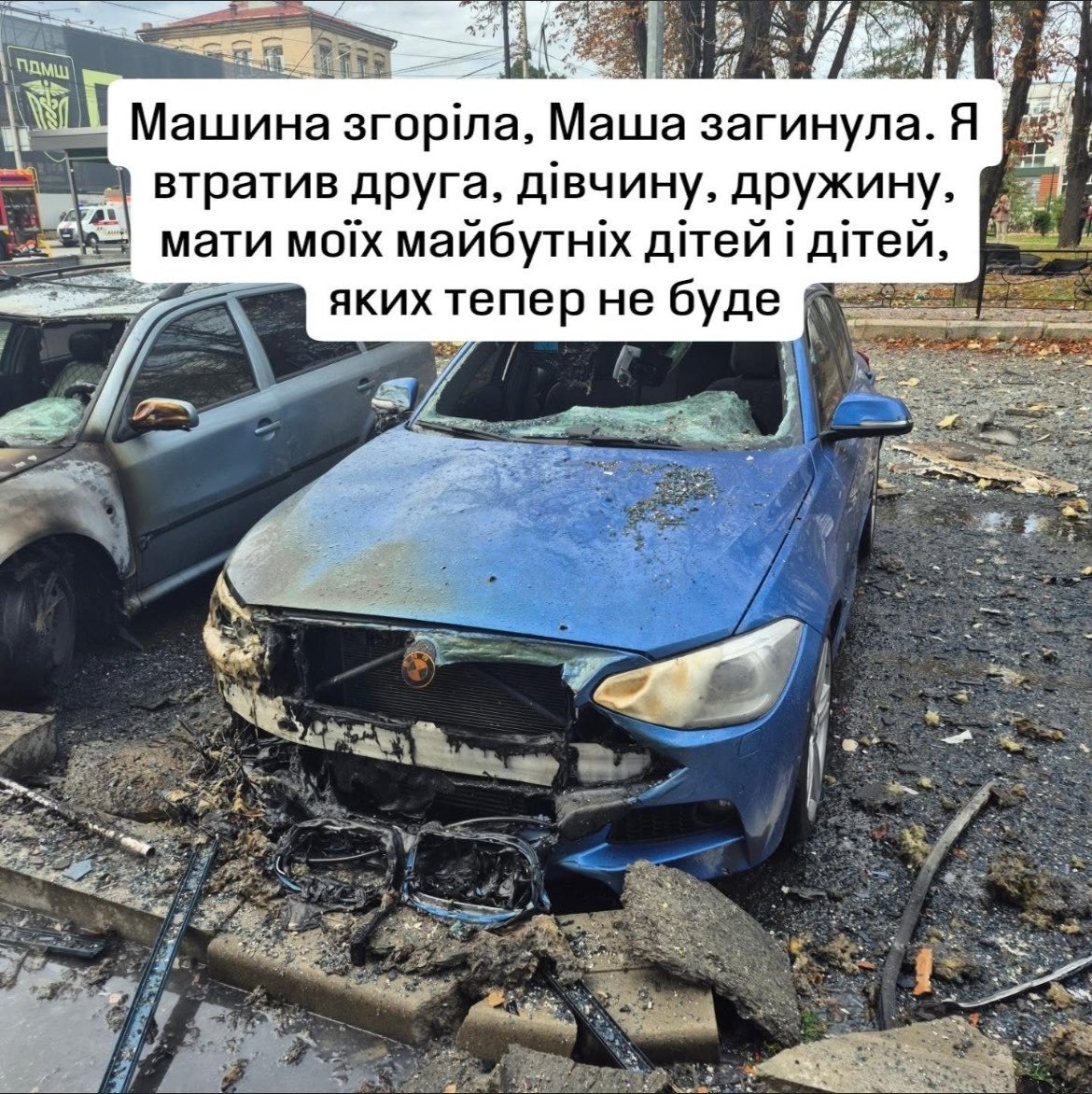
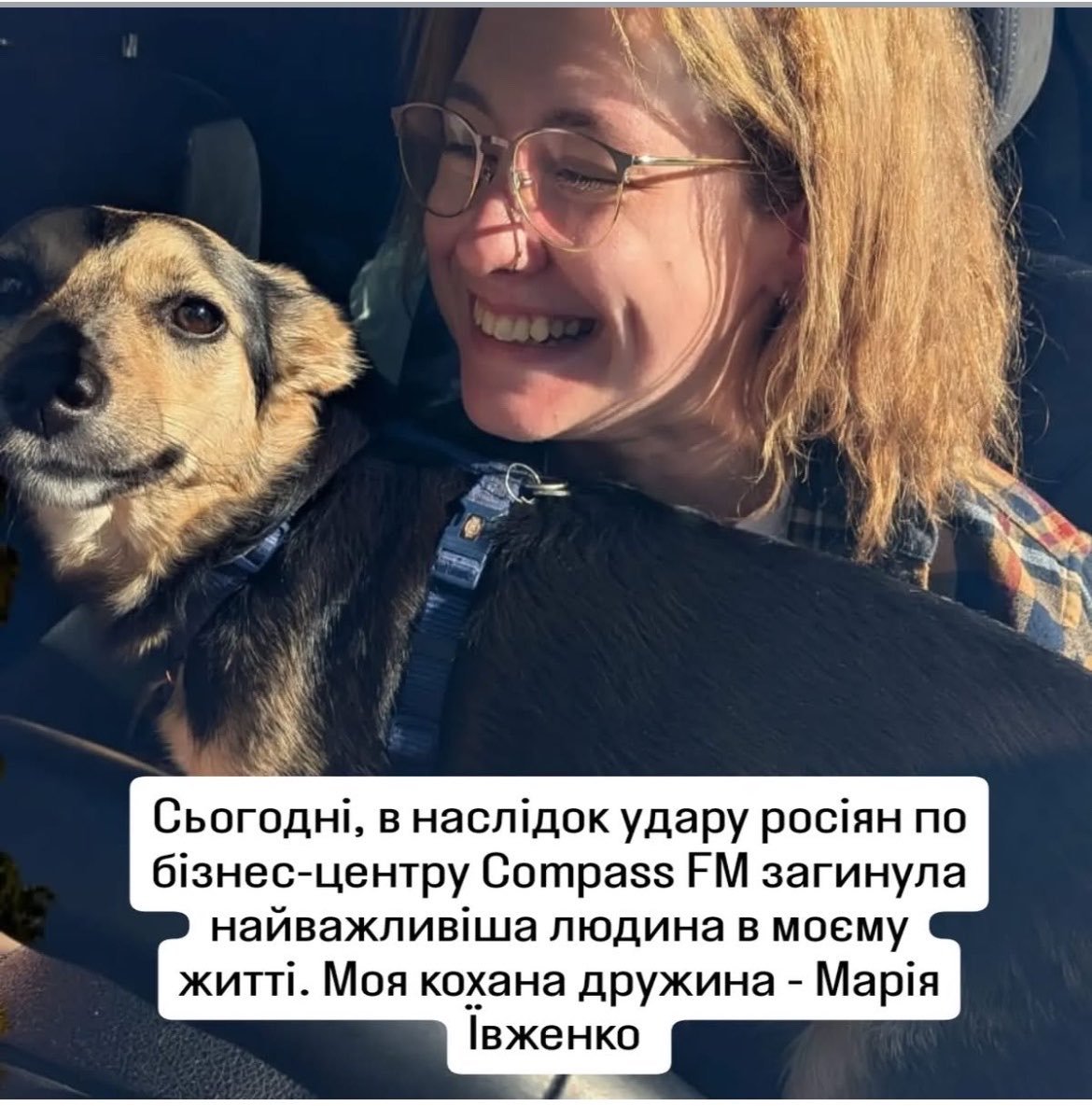
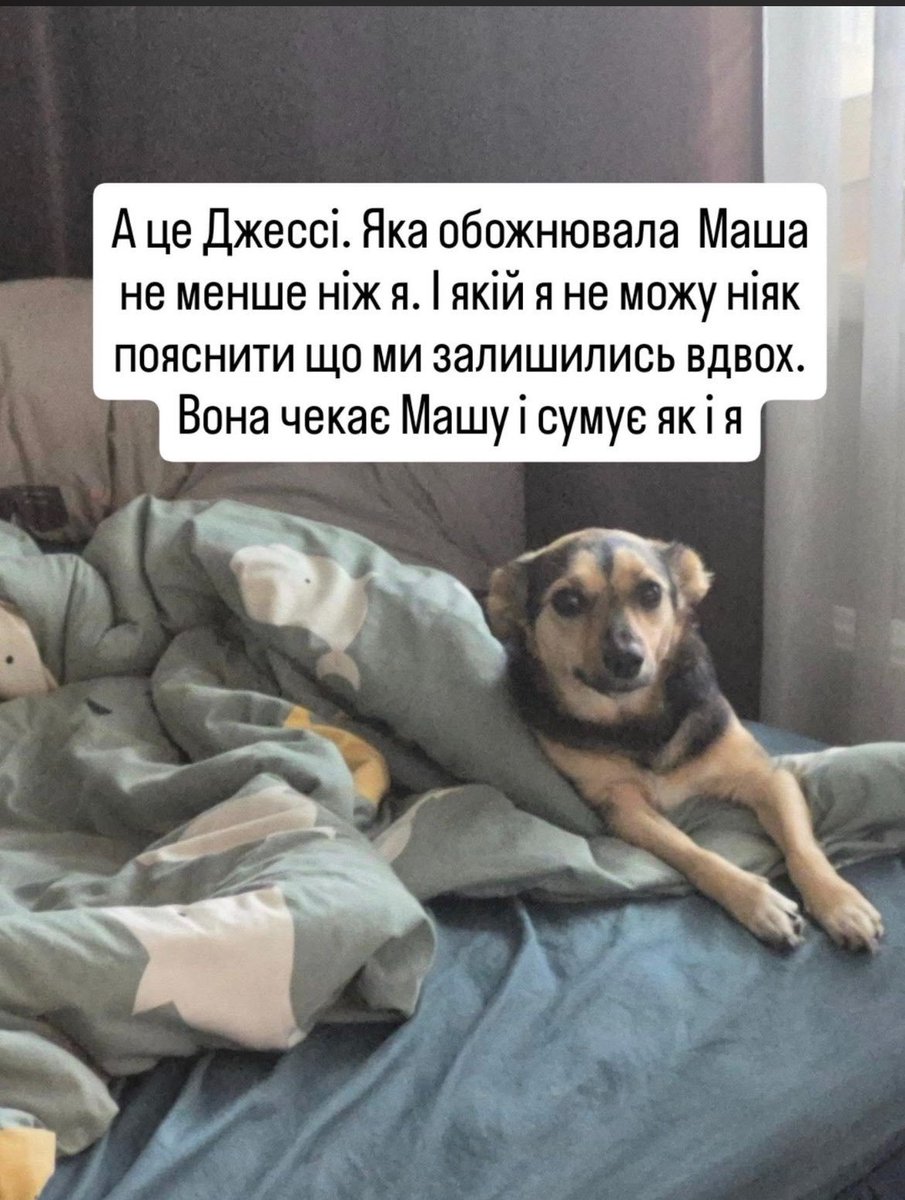
Ukrainian defender Danylo Ivzhenko posted a heartbreaking tribute to his wife.
"Today, a russian attack on a business center killed the most important person in my life. My beloved wife, Maria Ivzhenko.
Masha was so wonderful and clever. She was my best friend, my wife, the voice of wisdom and my care.
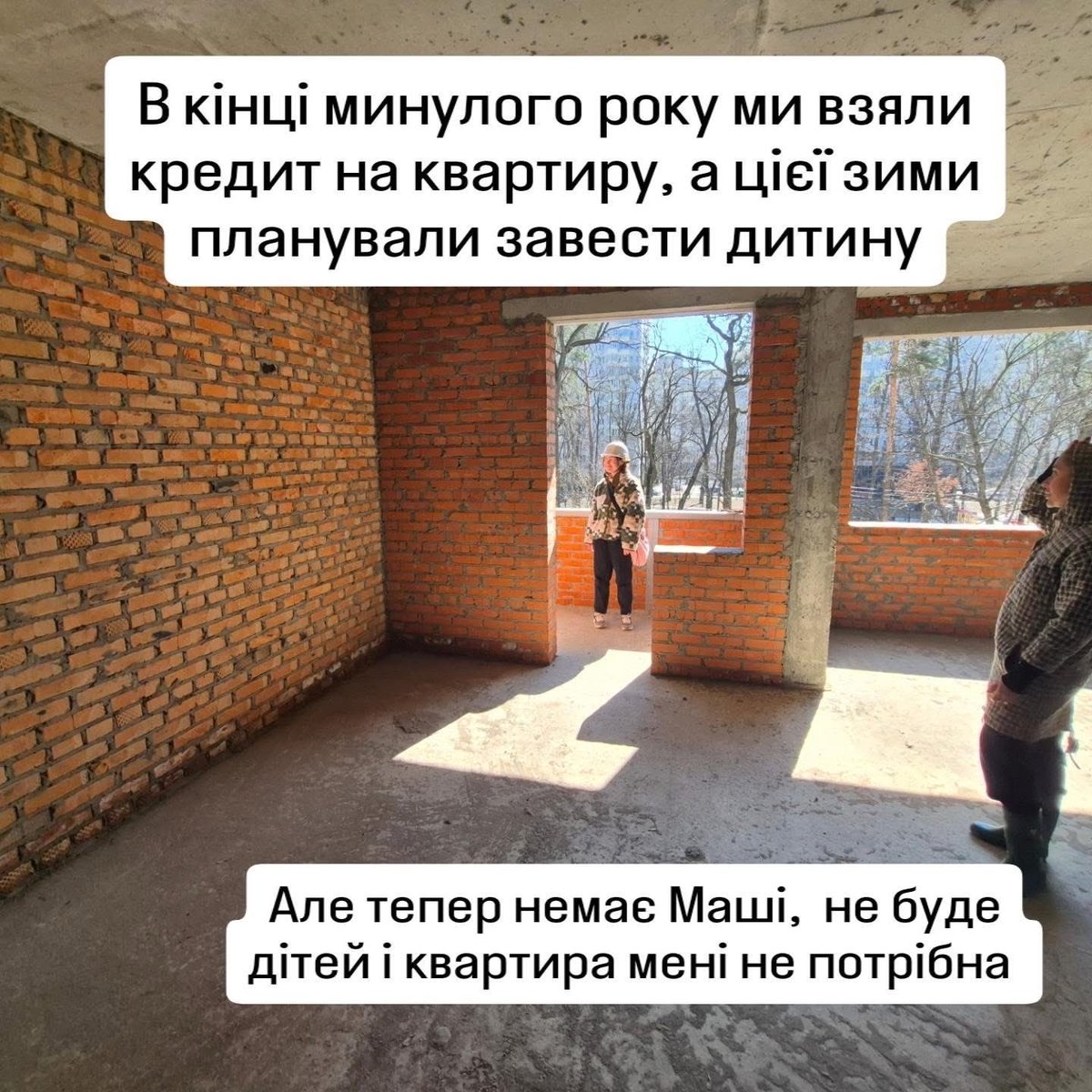
Last year, we took out a mortgage and planned to have a baby this winter. Now Masha is gone. There will be no children, and I don't need this apartment anymore.
The car burned down. Masha was killed. I lost my friend, my girl, my wife, the mother of my future children — children we will never have.
This is Jessy. She loved Masha no less than I did. And now I can't explain to her that it's just the two of us left. She is waiting for Masha and misses her just as much as I do."
💔
Via @shodyvyshsia.
Circa 49.000 bambini provenienti dai territori ucraini temporaneamente occupati sono stati arruolati nell'"Esercito Giovanile" russo, di cui 36.000 in Crimea.
Il numero di partecipanti al "Movimento dei Primi", il programma attraverso il quale vengono anche russificati e militarizzati i minori ucraini, è passato da 12.000 nel 2023 a 185.000 oggi.
Continuate pure ad applaudire chi parla di compromessi territoriali con la Russia, anziché pretendere il rispetto del diritto internazionale. Poi però ricordatevi che una volta stabilito quel principio, quello vale per tutti. Se un giorno doveste trovare la vostra casa occupata con i vostri figli dentro, non pretendete che qualcuno si senta obbligato a salvarli. Quel qualcuno potrebbe anche decidere che quei figli siano un prezzo adeguato per ottenere la loro “pace”, così come ora voi pensate di costruire vostra sacrificando terre e figli che non vi appartengono.
I want to write about what life is like right now for millions of people in Kyiv, living under constant air-raid sirens, Russian attacks, and threats.
The alerts have been going on for more than a month without a break. The danger is constant. There are explosions every day, with no real respite. Here’s how this affects the daily lives of Kyiv residents:
• Children: Kids have to spend hours in shelters at schools and kindergartens (not all of them have shelters). There is often not enough space or the necessary facilities to hold regular classes. There is no ventilation. Online learning is not always possible either, because children at home also have to move to shelters constantly. Poor sleep makes it harder for children to absorb information and for teachers to work with them. At kindergartens and schools, children cannot go outside, have regular activities, or even eat properly because it is often impossible to organize full meals in shelters.
• Parents: For many parents, it is extremely difficult to balance work with caring for school-age or preschool children. If there is an air raid alert in the morning, for example, schools and kindergartens may not open, meaning parents cannot take their children there and go to work. If a child studies online, this often requires one of the parents to be present. Given the large number of displaced families and families in which at least one parent is defending Ukraine, it is especially difficult for mothers to combine motherhood and work because there is often no one to help.
• Elderly people: If they have limited mobility or cannot move around easily, they may be unable to reach shelters even with the help of relatives. Access to medical care is more difficult. Calling an ambulance is harder because the system is overwhelmed with the number of injured people. Buying food and essential goods becomes more difficult as well. During power, water, and heating outages, elderly people living alone, especially on upper floors, are left in an extremely vulnerable situation.
• Pets: They are terrified by explosions, often run away and get lost during air raid alerts, live under constant stress, and become ill more often.
• Public transport and getting around the city: Kyiv lies on both banks of the Dnipro River. Traditionally, much of the business activity is concentrated on the right bank, while many residential districts are on the left bank. One of Kyiv’s metro lines, which helps hundreds of thousands of residents get to work and back home, is closed during air raid alerts because part of it runs above ground across a bridge, where passengers could not be safely evacuated in the event of a drone strike.
As a result, when air raid alerts last for hours in the morning or evening, hundreds of thousands of Kyiv residents have to take much longer routes, getting stuck in massive traffic jams. This also makes it difficult for parents to pick up their children from schools or kindergartens.
GPS is another problem. During air raid alerts - which are now constant - location services do not work properly, making it very difficult for drivers to navigate unfamiliar routes. Kyiv and Kyiv region cover a huge area. Mobile networks and internet service also experience disruptions.
• Government services: Although some government services continue operating when "only" drones are heading toward Kyiv, getting services, certificates, or documents still becomes more difficult and takes longer. People have to spend much more time on these things, and delays are common.
• Logistics: Postal services are slower. Nova Poshta, a private Ukrainian postal company, has suffered numerous Russian attacks on its warehouses and distribution centers. Large numbers of parcels have been destroyed by fire, and deliveries that once took one or two days can now take a week.
• Food and goods: Because of Russia's strikes on warehouses, some products are temporarily unavailable in many stores. The situation changes constantly, so you never know whether you will be able to buy groceries for the week or find the things you need. Many production facilities have also been destroyed by Russia, creating shortages of certain goods. Prices for food and other products are also rising because of fuel costs, destroyed warehouses, and disrupted logistics.
• Travel: Russian attacks on railway transport and infrastructure are intensifying, so train travel - once the most reliable and comfortable way to travel, including abroad - is becoming unpredictable and dangerous. Yesterday, Russia attacked Kyiv’s central railway station. If there is a threat of a Russian strike in an area where a train is traveling, it is stopped and passengers are evacuated. They have to spend hours outdoors, sometimes several times during a single journey. Trains are delayed, making it incredibly difficult to plan connections.
• Mental health: It is impossible to plan anything while living under constant attacks. People are exhausted by the endless explosions, air raid alerts, and sleepless nights.
Russia cannot break through the Ukrainian front, so it is terrorizing civilians and seeking to undermine Ukraine’s rear, force Ukrainians to leave their cities, or pressure them into demanding peace on any terms.
What is the mood in Kyiv right now? The reality is extremely difficult. Some people are adapting - as terrible as that may sound - because it's actually impossible to get used to constant attacks. Kyiv residents who have decided to spend the winter in the city are preparing for a harsh winter. Some are choosing to spend the winter elsewhere.
People are tired but determined. Everyone understands that winter will be worse. So they keep working and preparing for it. They support one another. I feel deeply sorry for the people. We did not choose this war or this life.
Honestly, I don’t know what other country or people could endure such a brutal and destructive war for this long. We have to hold on. The war will end, there will be peace, and we will live to see it.
For now, Kyiv residents drink yet another cup of coffee after a sleepless night and continue to work.
P.S. I will also write about other cities: Kherson, Zaporizhzhia, Dnipro, Kharkiv, Sumy, Odesa, Mykolaiv, Kryvyi Rih...
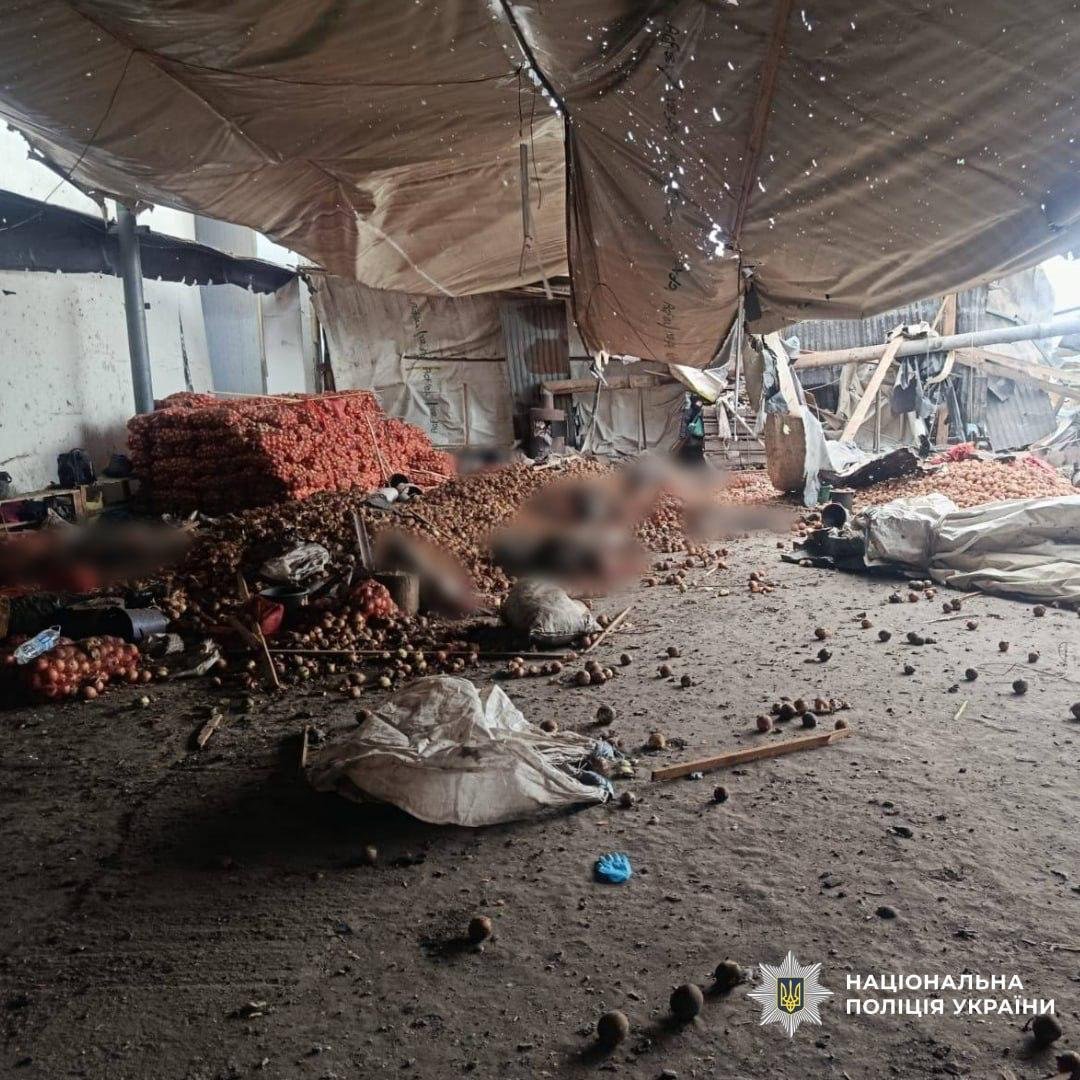
Russians killed six people at a vegetable warehouse in Stara Hnylytsia, Kharkiv Oblast: two men and four women.
They were sorting vegetables when the attack hit.