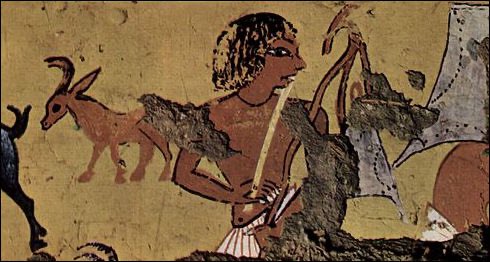
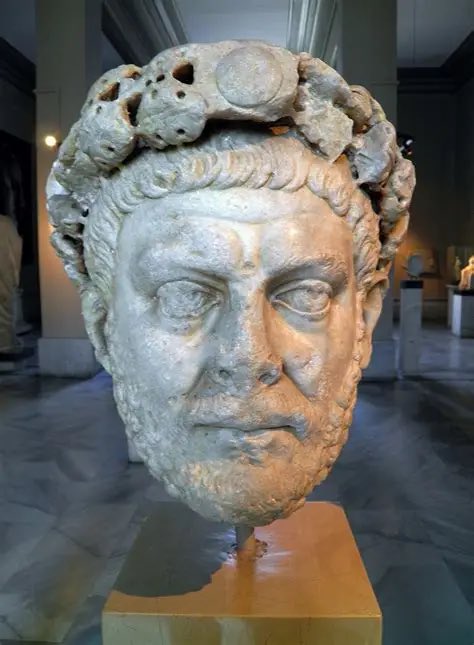
| love how in Copto-Ethiopian historiography, there's this Diocletianic expanded universe where he was actually an Egyptian shepherd. 1/
#AncientRome#Egypt#Classics
@ra_rayan53544@Dddkmy@Banaadiri0 They doesn’t mean every single black individual living in X place is a slave descendant 😭 I’ll tell you right now I know the history better than you don
its crazy how UChicago can come up with the most sane, measured, commonsense approach to AI in education on one day and then blow their entire endowment gambling on crypto on the next.
@Sahelian221 Bro you might be the goat ngl. This is an insane amount of effort, this is awesome. Good job. Genuinely. Wow. I haven’t even read it all yet and I’ve been reading threads since this morning but for every thread there’s another interesting thread 😭
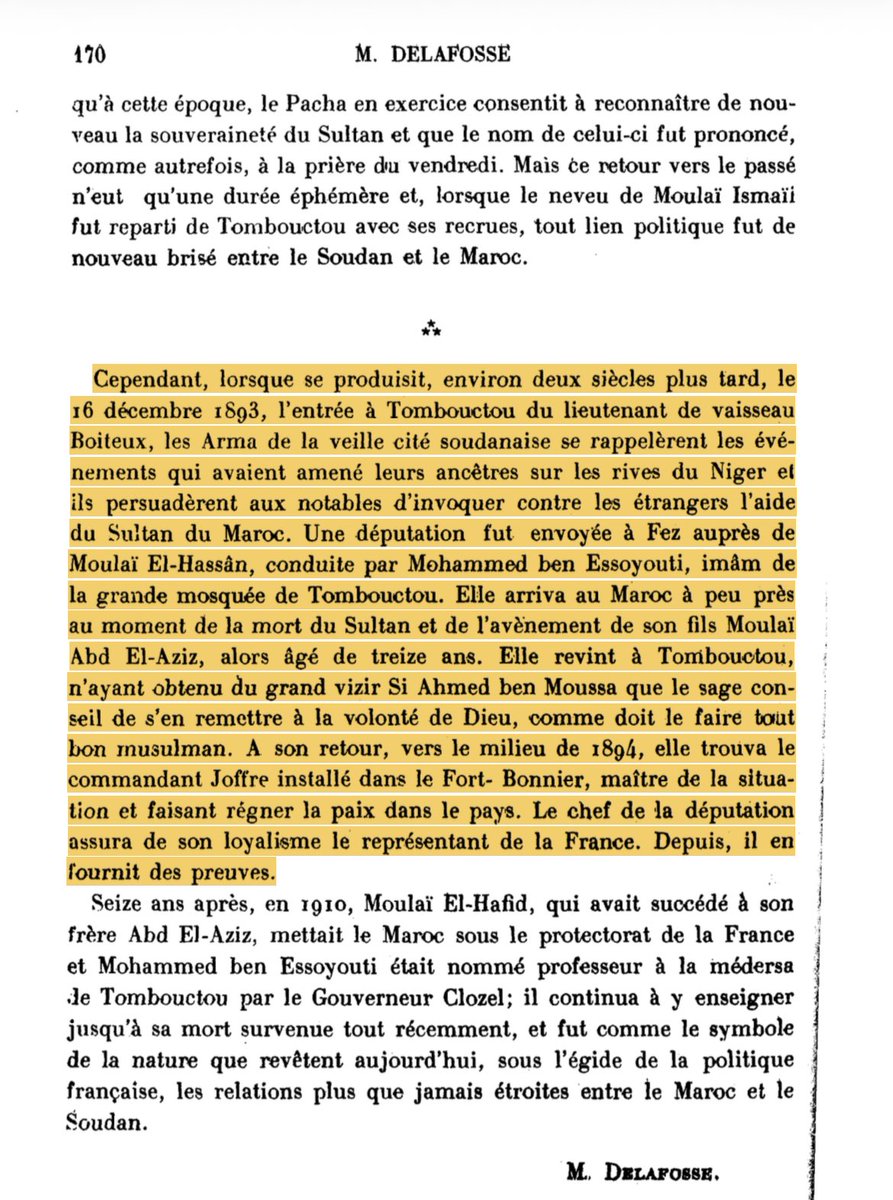
Notes:
- The delegation sought protection, not the restoration of an existing Moroccan administration.
- The Moroccan court did not send an army to recover Timbuktu.
- The delegation returned to a city where French power had already been established.
+ Delafosse explicitly described Timbuktu as being under Tuareg authority at certain periods, and he also described its rulers as alternately subordinate to Tuareg, Bambara and Fulbe powers.
👇🏿👇🏿
@Dddkmy@Banaadiri0 Because it’s insane just to assume anyone black in the ME was a slave 😭a lot of Swahili people moved to Oman, for trade or for other causes.
Independent Glass and Textiles.
Dhar Tichitt which started in 2000BC
-Cradle to the Ghana and Mali Empire, some of if not the wealthiest empire ever, Songhai Empire, Kanem-Bornu Empire (longest lasting African empire btw)
You know nothing. Shut your mouth.
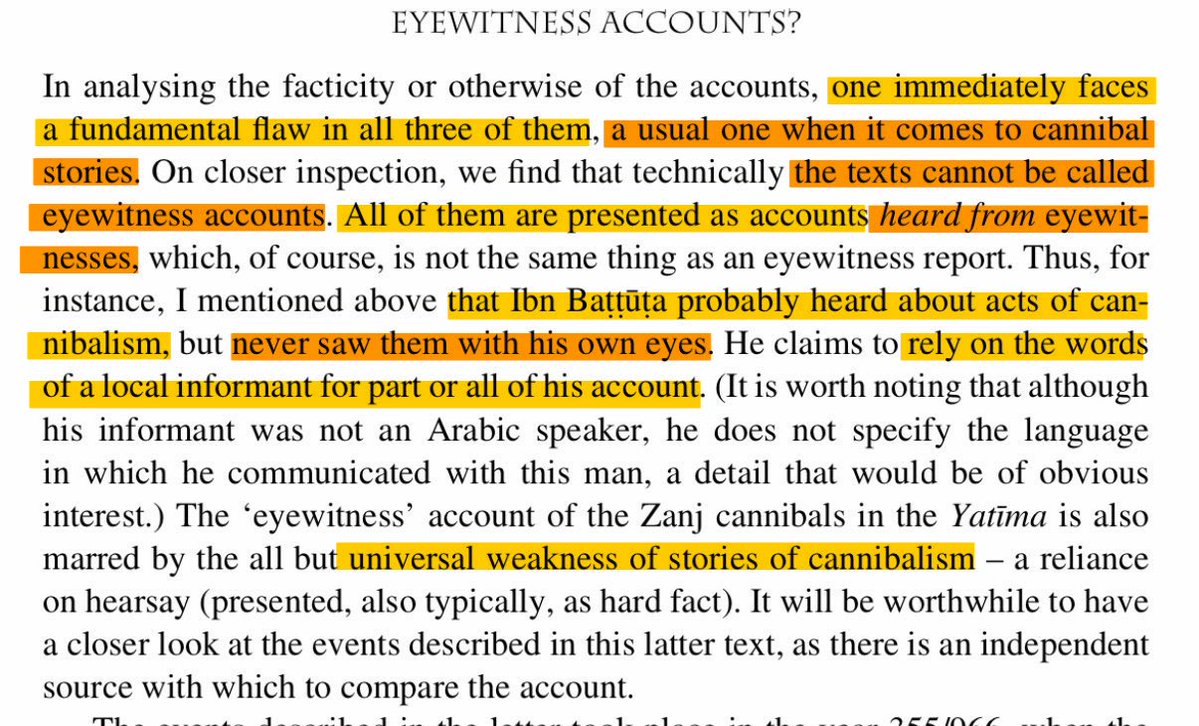
No, despite having spent 8 months in the Mali Empire, none of Ibn Battuta’s reports of cannibalism are eyewitnesses: he rather relies on second-hand stories from the Mandinka locals. Such stories are usually “universally regarded” as weak.
The first part of his account, attributed to Farba Magha (Muslim governor of a settlement between Timbuktu and Gao) recounts how Mansa Musa allegedly exiled a North African judge, Abu al-Abbas al-Dukkali, to a land inhabited by cannibals as punishment for attempting to deceive him. According to the story, the judge survived 4 years among them because they considered white people “insufficiently cooked” for consumption, whereas they regarded Black people as “properly cooked.”
The second part describes a delegation of cannibals who visited Mansa Sulayman (r. 1341–1360). The latter – conveniently – came from “the country where gold was mined.” The Malian ruler welcomed them and presented them with a female enslaved person, whom they slaughtered and ate before returning to thank him, allegedly following their “customary practice” during such visits.
However, the precise source of this second account remains uncertain: it may derive from Farba Magha or represent a separate narrative. Consequently, although the description suggests familiarity with the alleged practices and customs of the people concerned, it does not establish that Ibn Battuta personally witnessed the events.
It’s also just a matter of what survived and what we’ve been digging for to be fair. Taking the town of Arouane/Arawan in northern Mali for instance it was once a great trading entropot in northern Mali but today it’s just a sleepy town that is barely inhabited. Most of the city is lost to sand.
I suspect as the political situation in Mali becomes more stable we’ll see more