What characterizes the Masurian is mainly: his Polish origin, his German education, his Slavic customs and habits, his German tradition, his Polish family name and his German first name, his Polish language and his German script, the Polish proverb, the German song, (1/2)
przez Polaków którzy coś tam o Mazurach gdzieś kiedyś słyszeli lecz przez organizację maj��cą w swoich szeregach rodowitych Mazurów oraz dobrze znających naszą perspektywę, problemy i historie. (2/2)
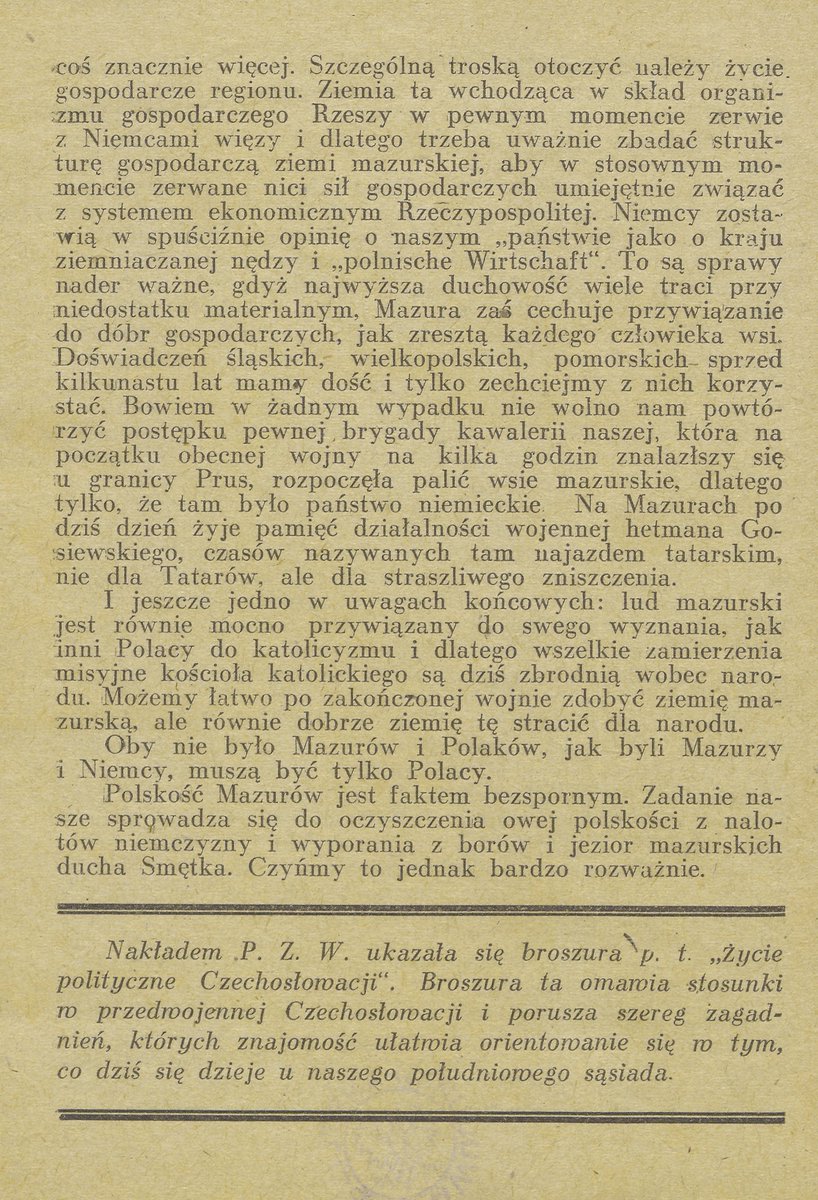
Tekst Polskiego Związku Wolności (organizacja tworzona przez lewicowych socjalistów i narodowych-socjalistów) pod tytułem "Kwestia Mazurska". Czasopismo "Radło", kwiecień 1944.
Moje postscriptum na dole.
P.S. Antoni Szadkowski przywódca organizacji (związany z PNS) był przyjacielem Fryderyka Leyka który również był członkiem PZW i często w czasopiśmie "Radło" pisał. Należy mieć to na uwadze poddając tekst analizie i krytyce gdyż nie jest on napisany (1/2)
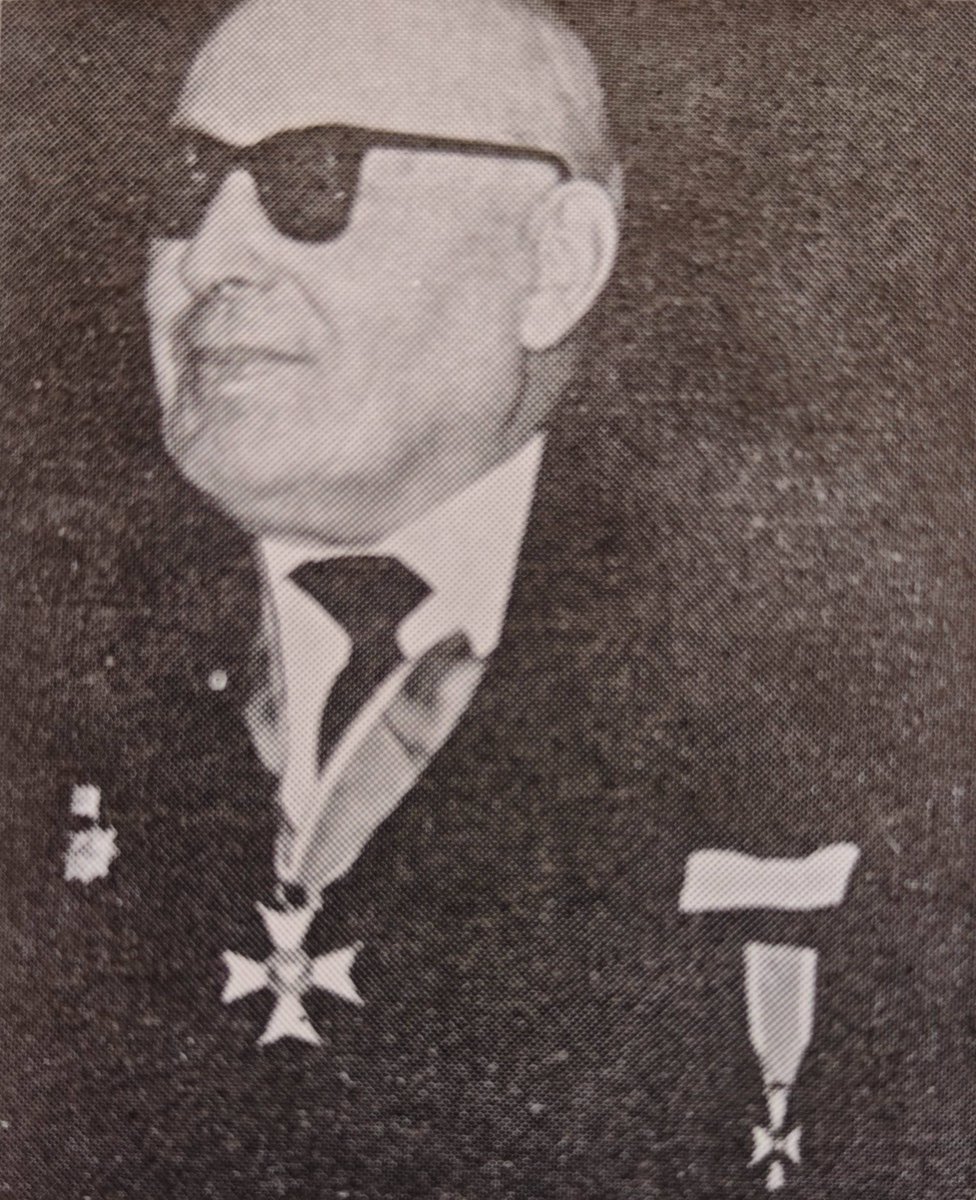
He was released in early 1949 after his case was transferred to a civil court. He was subsequently released and arrested again and again throughout all year 1949. He was not fully rehabilitated until 1957. Gustaw Leyding-Mielecki died in Szczytno on March 2, 1974. (6/6)
On 8 August 1899 Gustaw Leyding-Mielecki was born. He was an activist in numerous Masurian and Polish organizations in Germany. After the war, he ran for the Sejm in the 1947 elections as part of the Democratic Bloc (a coalition lead by communists). (1/5)
Gustaw Leyding was accused of abuses of his position and including Poles of "local origin" on the lists of Germans being deported. Despite appeals from the Masurian population, Leyding was not acquitted. (5/6)
The funeral of Paul von Hindenburg. He was buried on 7 August 1934, in one of the towers of the Battle of Tannenberg Monument near Olsztynek. Field Marshal Hindenburg was responsible for the victory over the Russian army at Tannenberg and the liberation of Masuria from occupation
@MarcvonMuellers Mazury były regionem Niemiec. Bardzo cieżko żeby w Niemczech nie było niemieckich napisów. Do tego należy dodać fakt że nawet Mazurzy piszący po polsku używali niemieckiego pisma.
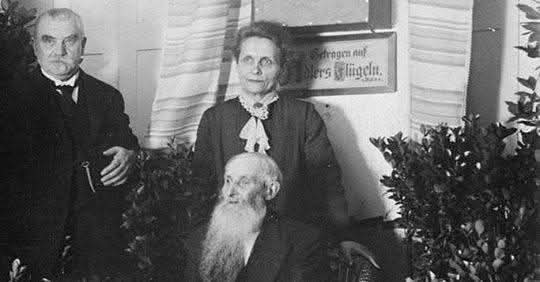
On 4 December 1936, in Niedzica die Friedrich Sadowski, a Mazur and the oldest man in Germany at the time. Mr. Sadowski lived to be 111 years old, and according to rumors, he never learned German in his entire life.
The Evangelical Church in Giżycko. After being destroyed in 1822, it was rebuilt in 1827.
In the church walls a document with the following text was embedded: (1/2)
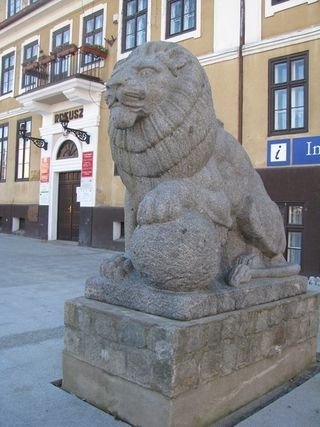
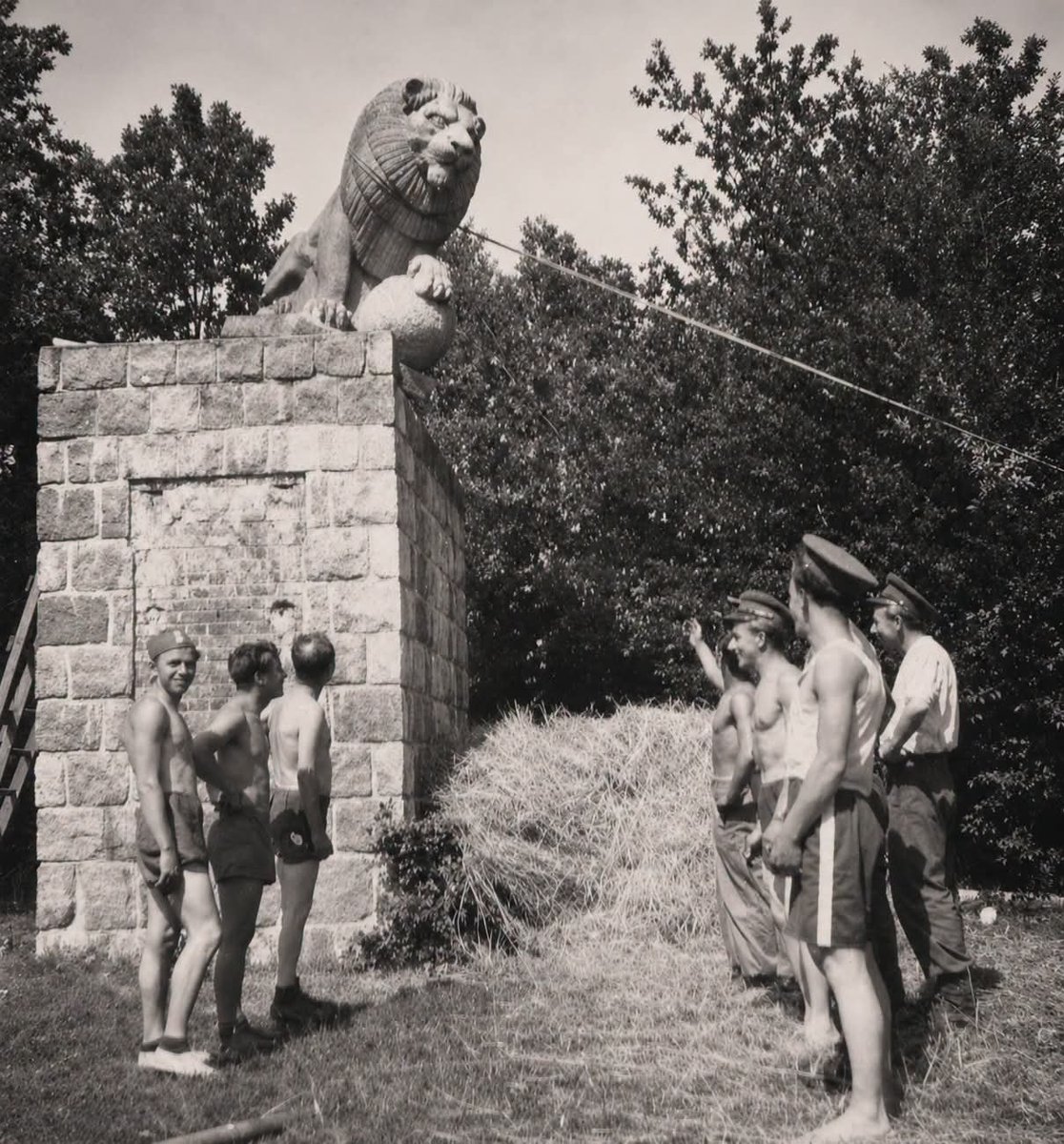
Soldiers of the Polish Army removing a granite lion from a monument dedicated to the 147th Infantry Regiment (2nd Masurian), located near the ruins of the Hindenburg Mausoleum. 1950s.
"As if there is a difference in origin between a Catholic Masurian and an Evangelical one! Both speak Polish in the Masurian dialect, both know little or no German, both are of Polish origin; why distinguish them then, after all, they consider themselves kinsmen."
-W. Barczewski
@mirzaotrus Nie. Jest to muzeum/budynek spotkań mniejszości Niemieckiej kierowane przez jedno z paru Niemieckich stowarzyszeń. I jak pisałem wcześniej nie lubię Landsmannschaft Ostpreußen a zachowanie Bąkiewicza jest tym czego stowarzyszenie oczekuje ("źli Polacy atakują biednych Niemców").
Do krytykowania Landsmannschaft Ostpreußen akurat zawsze jestem pierwszy lecz zachowanie Bąkiewicza sprawia iż w tutaj akurat staje po stronie stowarzyszenia Prus Wschodnich. Narracja Bąkiewicza zaprawia o szuryzm i kłamstwa porównywalne do stowarzyszenia z którym tak (1/2)
Oto Haus der Heimat w polskiej Gołdapi. Takie rzeczy dzieją się na naszej ziemi...
Środowiska związane z tym miejscem bezczelnie twierdzą, że tereny Warmii i Mazur są pod „polską okupacją”, propagując hasła o żyjących Prusach Wschodnich. A sprzyjający im mentalni folksdojcze? Pędzą na ich usługi tak gorliwie, że mało si�� nie potkną o własne nogi!
Nie ma naszej zgody na ten skandal i ciche oswajanie Polaków z niemiecką narracją roszczeniową.
Gołdap była, jest i będzie POLSKA! 🇵🇱✊