Twitter
Welcome to the Era of Digitally-Engineered Mat3rials!
Thank you @WSJ + @newsient for sharing the news about our $3M seed round, solid growth + how our platform accelerates #RnD of #materials and #chemicals!
https://t.co/zGkMJVlk3m
⚛️ Mat3rials 3xplorer.
𝗜𝗻𝘁𝗲𝗿𝗳𝗮𝗰𝗲 𝗯𝗲𝘁𝘄𝗲𝗲𝗻 𝗠𝗼𝗹𝘆𝗯𝗱𝗲𝗻𝘂𝗺 𝗦𝘂𝗹𝗳𝗶𝗱𝗲 𝗮𝗻𝗱 𝗠𝗼𝗹𝘆𝗯𝗱𝗲𝗻𝘂𝗺 𝗦𝘂𝗹𝗳𝘂𝗿 𝗦𝗲𝗹𝗲𝗻𝗶𝗱𝗲 (𝗠𝗼𝗦𝗦𝗲(𝟬𝟬𝟭)/𝗠𝗼𝗦𝟮(𝟬𝟬𝟭)), 𝟰𝘅𝟰𝘅𝟭 𝘀𝘁𝗿𝗮𝗶𝗻-𝗺𝗮𝘁𝗰𝗵𝗶𝗻𝗴 𝘀𝘂𝗽𝗲𝗿𝗰𝗲𝗹𝗹.
This 4x4x1 strain-matched interface model combines MoSSe and MoS2, two closely related layered materials useful for studying heterostructure behavior at the atomic scale. It can help explore interface stability, electronic structure effects, and composition-dependent properties relevant to 2D materials research.
Available online in our materials bank: https://t.co/PAxyZikQfR
#mat3rials3xplorer #materialsscience #mat3ra
⚡️ 𝗥𝗲𝗹𝗲𝗮𝘀𝗲 𝟮𝟬𝟮𝟲.𝟱.𝟮𝟴 𝗵𝗶𝗴𝗵𝗹𝗶𝗴𝗵𝘁𝘀 - 𝗦𝘂𝗿𝗳𝗮𝗰𝗲 𝗘𝗻𝗲𝗿𝗴𝘆 𝗪𝗼𝗿𝗸𝗳𝗹𝗼𝘄 𝘂𝗽𝗱𝗮𝘁𝗲𝗱.
𝗥𝗲𝘂𝘀𝗮𝗯𝗹𝗲 𝗡𝗼𝘁𝗲𝗯𝗼𝗼𝗸𝘀 𝗳𝗼𝗿 𝗦𝘂𝗿𝗳𝗮𝗰𝗲 𝗘𝗻𝗲𝗿𝗴𝘆 𝗮𝗻𝗱 𝗘𝗾𝘂𝗮𝘁𝗶𝗼𝗻 𝗼𝗳 𝗦𝘁𝗮𝘁𝗲
In scientific computing, the most valuable workflows are often not the flashy ones. They are the ones people reuse again and again.
That is why the addition of new notebooks for Surface Energy and Equation of State is more important than it may first appear. These are foundational calculations in materials modeling, and turning them into reusable notebook workflows makes them easier to teach, compare, review, and apply across multiple systems.
This becomes even more useful when workflow metadata can be reused. The update to the Surface Energy workflow, which now reuses build metadata from mat3ra-made, points in that direction.
The practical value is clear: easier comparison of related systems, more consistent reuse of setup information, better transparency for review and collaboration, and smoother transfer from one material system to another. In research, a workflow that works once is not enough. A workflow that can be repeated, adapted, and understood by others is far more valuable.
Release page: https://t.co/lW0izwdDBr
👉 Try it for free at https://t.co/PyKuoYljVO
#SurfaceScience #EquationOfState #Jupyter #DFT #MaterialsScience
⚡️ 𝗥𝗲𝗹𝗲𝗮𝘀𝗲 𝟮𝟬𝟮𝟲.𝟱.𝟮𝟴 𝗵𝗶𝗴𝗵𝗹𝗶𝗴𝗵𝘁𝘀 - 𝗽𝗿𝗲-𝗿𝗲𝗹𝗮𝘅 𝘀𝘁𝗿𝘂𝗰𝘁𝘂𝗿𝗲𝘀 𝘄𝗶𝘁𝗵 𝗠𝗟𝗙𝗙 𝗶𝗻 𝗝𝘂𝗽𝘆𝘁𝗲𝗿𝗟𝗶𝘁𝗲/𝗣𝘆𝗼𝗱𝗶𝗱𝗲
For many researchers, the hardest part of testing a new force field is not the model itself. It is everything around it: Python environments, dependencies, runtime setup, and infrastructure.
That is why a notebook showing how to use the MACE universal forcefield in Jupyter and JupyterLite is such an interesting addition. The workflow demonstrates browser-based structural pre-relaxation with no extra infrastructure required.
This is useful because it lowers the barrier to trying MLFF-based workflows, makes the setup steps visible and easier to learn, provides a lightweight path for education, testing, and early-stage validation, and creates a practical entry point before moving to larger compute environments.
In many scientific settings, reducing the startup cost of a workflow is already a major improvement. A browser-based notebook does not replace production-scale infrastructure, but it makes the workflow easier to understand, test, and share. For anyone exploring pre-relaxation workflows before DFT, this is a very practical direction.
Release page: https://t.co/lW0izwdDBr
Related webinar resource: https://t.co/89D8ln8B7j
👉 Try it for free at https://t.co/PyKuoYljVO
#materials #RnD #mat3ra #exabyteio #materialsscience #materialsdesign #materialsmodeling #science #technology
⚛️ Mat3rials 3xplorer.
𝗜𝗻𝘁𝗲𝗿𝗳𝗮𝗰𝗲 𝗯𝗲𝘁𝘄𝗲𝗲𝗻 𝗚𝗮𝗹𝗹𝗶𝘂𝗺 𝗔𝗿𝘀𝗲𝗻𝗶𝗱𝗲 𝗮𝗻𝗱 𝗛𝗮𝗳𝗻𝗶𝘂𝗺 𝗢𝘅𝗶𝗱𝗲 (𝗚𝗮𝗔𝘀(𝟬𝟬𝟭)/𝗛𝗳𝗢𝟮(𝟬𝟬𝟭)), 𝟮𝘅𝟮𝘅𝟭 𝘀𝘁𝗿𝗮𝗶𝗻-𝗺𝗮𝘁𝗰𝗵𝗶𝗻𝗴 𝘀𝘂𝗽𝗲𝗿𝗰𝗲𝗹𝗹.
This GaAs/HfO2 interface model is useful for studying semiconductor–oxide boundaries, including interface stability and electronic behavior. It can help explore effects relevant to microelectronic and optoelectronic devices.
Available online in our materials bank: https://t.co/oTqcMvOjkL"
#mat3rials3xplorer #materialsscience #mat3ra
⚡️ 𝗥𝗲𝗹𝗲𝗮𝘀𝗲 𝟮𝟬𝟮𝟲.𝟱.𝟮𝟴 𝗵𝗶𝗴𝗵𝗹𝗶𝗴𝗵𝘁𝘀 - 𝗣𝘆𝘁𝗵𝗼𝗻-𝗯𝗮𝘀𝗲𝗱 𝗠𝗟𝗙𝗙𝘀, 𝗠𝗮𝘁𝘁𝗲𝗿𝗦𝗶𝗺, 𝗚𝗣𝗨 𝘀𝘂𝗽𝗽𝗼𝗿𝘁
𝗛𝗼𝘄 𝘁𝗼 𝗠𝗮𝗸𝗲 𝗠𝗮𝗰𝗵𝗶𝗻𝗲-𝗟𝗲𝗮𝗿𝗻𝗲𝗱 𝗙𝗼𝗿𝗰𝗲𝗳𝗶𝗲𝗹𝗱𝘀 𝗣𝗿𝗮𝗰𝘁𝗶𝗰𝗮𝗹 𝗶𝗻 𝗥𝗲𝘀𝗲𝗮𝗿𝗰𝗵 𝗪𝗼𝗿𝗸𝗳𝗹𝗼𝘄𝘀: 𝗠𝗮𝘁𝘁𝗲𝗿𝗦𝗶𝗺 + 𝗚𝗣𝗨 𝗦𝘂𝗽𝗽𝗼𝗿𝘁
Machine-learned forcefields are becoming increasingly useful in computational materials research, especially in the early stages of structure preparation and screening. But in practice, their value depends less on raw speed and more on whether they fit naturally into real scientific workflows.
One of the most interesting updates in the recent platform release is a new step-by-step tutorial for using Python-based MLFF workflows to perform structural relaxation, phonon calculations, and similar tasks. The featured implementation is Microsoft’s MatterSim, with NVIDIA GPUs used for acceleration.
This matters because MLFFs are starting to play a meaningful role in pre-relaxing initial structures, screening larger candidate sets before higher-accuracy calculations, reducing the cost of DFT-heavy workflows, and connecting faster approximations with more rigorous downstream calculations.
The key question is not whether MLFFs are fast enough. It is where they fit best in a research pipeline, and how to switch from approximate models to higher-fidelity methods without breaking reproducibility. That is why tutorial-driven workflows are valuable: they turn MLFFs from an abstract capability into something researchers can evaluate, reproduce, and adapt for actual work.
Release page: https://t.co/lW0izwdDBr
Per the video tutorial below: https://t.co/Gd0iImH8nq
Also available at https://t.co/Ya2HVQtgL1.
👉 Try it for free at https://t.co/UucyEPoEqC
#materials #RnD #mat3ra #exabyteio #materialsscience #materialsdesign #materialsmodeling #science #technology
📅 𝗨𝗽𝗰𝗼𝗺𝗶𝗻𝗴 𝗘𝘃𝗲𝗻𝘁𝘀
June brings two opportunities to connect with the Mat3ra community — one in Lafayette and one online.
𝗝𝘂𝗻𝗲 𝟳 — 𝗔.𝗜. 𝟮 𝗦𝗰𝗶𝗲𝗻𝗰𝗲 𝗛𝗮𝗽𝗽𝘆 𝗛𝗼𝘂𝗿 | 𝗟𝗮𝗳𝗮𝘆𝗲𝘁𝘁𝗲, 𝗖𝗔
Join us for a casual meetup for people interested in the intersection of AI and science — from materials science and chemistry to biology and beyond. Meet researchers, builders, students, entrepreneurs, and curious minds for thoughtful conversation in a relaxed local setting.
🔗 https://t.co/w1gY2t6Qvi
𝗝𝘂𝗻𝗲 𝟮𝟰 — 𝗠𝗮𝘁𝟯𝗿𝗮 𝟮𝗗, 𝗦𝗲𝗮𝘀𝗼𝗻 𝟮, 𝗘𝗽𝗶𝘀𝗼𝗱𝗲 𝟯 | 𝗪𝗲𝗯𝗶𝗻𝗮𝗿
Learn how to compute electronic properties of 2D materials — including band gap, band structure, and density of states (DOS) — with Quantum ESPRESSO from JupyterLab notebooks on the Mat3ra platform.
🔗 https://t.co/322zaZqh6Q
Join us in Lafayette or online.
#Mat3ra #MaterialsScience #ComputationalMaterials #ScientificComputing #HPC #CloudComputing #DFT #2DMaterials
🛠️ 𝗣𝗟𝗔𝗧𝗙𝗢𝗥𝗠 𝗥𝗘𝗟𝗘𝗔𝗦𝗘 — 𝟮𝟬𝟮𝟲.𝟱.𝟮𝟴
𝗥𝗲𝗹𝗲𝗮𝘀𝗲 𝟮𝟬𝟮𝟲.𝟱.𝟮𝟴 introduces several 𝗻𝗲𝘄 𝗳𝗲𝗮𝘁𝘂𝗿𝗲𝘀 for practical simulation workflows.
𝗞𝗘𝗬 𝗛𝗜𝗚𝗛𝗟𝗜𝗚𝗛𝗧𝗦
• 𝗠𝗟𝗙𝗙 𝘁𝘂𝘁𝗼𝗿𝗶𝗮𝗹 𝗼𝗻 𝘁𝗵𝗲 𝗽𝗹𝗮𝘁𝗳𝗼𝗿𝗺
A new step-by-step tutorial shows how to use 𝗣𝘆𝘁𝗵𝗼𝗻-𝗯𝗮𝘀𝗲𝗱 𝗺𝗮𝗰𝗵𝗶𝗻𝗲-𝗹𝗲𝗮𝗿𝗻𝗲𝗱 𝗳𝗼𝗿𝗰𝗲𝗳𝗶𝗲𝗹𝗱𝘀 for structural relaxation, phonon calculations, and related workflows — with 𝗠𝗶𝗰𝗿𝗼𝘀𝗼𝗳𝘁’𝘀 𝗠𝗮𝘁𝘁𝗲𝗿𝗦𝗶𝗺 as a featured implementation and 𝗡𝗩𝗜𝗗𝗜𝗔 𝗚𝗣𝗨𝘀 as an accelerator.
• 𝗠𝗔𝗖𝗘 𝗶𝗻 𝗝𝘂𝗽𝘆𝘁𝗲𝗿 / 𝗝𝘂𝗽𝘆𝘁𝗲𝗿𝗟𝗶𝘁𝗲
A new notebook demonstrates how to use the 𝗠𝗔𝗖𝗘 universal forcefield for structural pre-relaxation directly in a web browser, with no additional infrastructure required.
• 𝗡𝗲𝘄 𝗻𝗼𝘁𝗲𝗯𝗼𝗼𝗸𝘀 𝗳𝗼𝗿 𝗺𝗮𝘁𝗲𝗿𝗶𝗮𝗹𝘀 𝗰𝗮𝗹𝗰𝘂𝗹𝗮𝘁𝗶𝗼𝗻𝘀
New Jupyter notebooks have been added for:
𝗦𝘂𝗿𝗳𝗮𝗰𝗲 𝗘𝗻𝗲𝗿𝗴𝘆
𝗘𝗾𝘂𝗮𝘁𝗶𝗼𝗻 𝗼𝗳 𝗦𝘁𝗮𝘁𝗲
𝗙𝗘𝗔𝗧𝗨𝗥𝗘𝗦
• Platform tutorial: Python-based MLFF workflows with MatterSim, including GPU acceleration
• Jupyter / JupyterLite: MACE for structure pre-relaxation
• Jupyter notebook for Surface Energy
• Jupyter notebook for Equation of State
• Webinar, Mat3ra-2D Season 2 Episode 2: Relaxation with MLFF + DFT
𝗜𝗠𝗣𝗥𝗢𝗩𝗘𝗠𝗘𝗡𝗧𝗦
• Surface Energy workflow updated to reuse build metadata from mat3ra-made
𝗙𝗜𝗫𝗘𝗦
• Fixed CLI jobs not registering in the web interface
• Fixed reuse of identical Python virtualenvs
• Fixed saving Combinatorial Set materials in MD/WA
𝗙𝗢𝗥 𝗗𝗘𝗩𝗘𝗟𝗢𝗣𝗘𝗥𝗦
• Mat3ra-2D manuscript: https://t.co/Bo8r8ffkUo
• Update publish name for https://t.co/5C2vVYBk25 to 𝗺𝗮𝘁𝟯𝗿𝗮-𝗻𝗼𝘁𝗲𝗯𝗼𝗼𝗸𝘀-𝘂𝘁𝗶𝗹𝘀
More on the highlights in the next additional posts on this topic! 🔜
👉 Try it for free at https://t.co/UucyEPoEqC
𝖶𝗁𝖺𝗍 𝖽𝗈 𝗒𝗈𝗎 𝗍𝗁𝗂𝗇𝗄 𝗈𝖿 𝗍𝗁𝖾𝗌𝖾 𝖼𝗁𝖺𝗇𝗀𝖾𝗌? 𝖲𝗁𝖺𝗋𝖾 𝗒𝗈𝗎𝗋 𝗍𝗁𝗈𝗎𝗀𝗁𝗍𝗌 𝗐𝗂𝗍𝗁 𝗎𝗌 𝖻𝖾𝗅𝗈𝗐.👇
#materials #RnD #mat3ra #exabyteio #materialsscience #materialsdesign #materialsmodeling #science #technology
💎 𝗠𝗮𝘁𝗲𝗿𝗶𝗮𝗹 𝗼𝗳 𝘁𝗵𝗲 𝗠𝗼𝗻𝘁𝗵
𝗜𝗻𝘁𝗲𝗿𝗳𝗮𝗰𝗲 𝗯𝗲𝘁𝘄𝗲𝗲𝗻 𝗺𝗲𝘁𝗮𝗹𝗹𝗶𝗰 𝗟𝗶𝘁𝗵𝗶𝘂𝗺 𝗮𝗻𝗱 𝗟𝗶𝘁𝗵𝗶𝘂𝗺 𝗢𝘅𝘆𝗰𝗵𝗹𝗼𝗿𝗶𝗱𝗲 (𝗟𝗶(𝟬𝟬𝟭)/𝗟𝗶𝟯𝗖𝗹𝗢(𝟬𝟬𝟭)), 𝘀𝘁𝗿𝗮𝗶𝗻-𝗺𝗮𝘁𝗰𝗵𝗶𝗻𝗴 𝘀𝘂𝗽𝗲𝗿𝗰𝗲𝗹𝗹
This strain-matched interface model combines metallic lithium with lithium oxychloride (Li3ClO), a promising antiperovskite solid electrolyte for next-generation solid-state batteries.
It is designed to help study how lithium metal interacts with solid electrolytes at the atomic level, including interfacial stability, charge distribution, and ion transport.
By capturing the contact between a reactive lithium anode and a solid electrolyte framework, this system provides useful insight into the design of more stable electrode–electrolyte interfaces for future energy storage technologies.
𝗔𝘃𝗮𝗶𝗹𝗮𝗯𝗹𝗲 𝗶𝗻 𝘁𝗵𝗲 𝗠𝗮𝘁𝟯𝗿𝗮 𝗽𝗹𝗮𝘁𝗳𝗼𝗿𝗺 𝗶𝗻:
https://t.co/4wgY56tA82
#MaterialOfTheMonth #Mat3ra #MaterialsScience #SolidStateBatteries #BatteryMaterials #Electrolytes #Interfaces #ComputationalMaterials
🚀 𝗝𝗼𝗯 𝗣𝗼𝘀𝘁𝗶𝗻𝗴𝘀!
We’re hiring for two roles at Mat3ra.
Open positions: 𝗵𝘁𝘁𝗽𝘀://𝗺𝗮𝘁𝟯𝗿𝗮.𝘄𝗼𝗿𝗸𝗮𝗯𝗹𝗲.𝗰𝗼𝗺/
☀️ 𝗖𝗼𝗺𝗽𝘂𝘁𝗮𝘁𝗶𝗼𝗻𝗮𝗹 𝗠𝗮𝘁𝗲𝗿𝗶𝗮𝗹𝘀 𝗦𝗰𝗶𝗲𝗻𝘁𝗶𝘀𝘁
For scientists excited about working at the intersection of 𝗺𝗮𝘁𝗲𝗿𝗶𝗮𝗹𝘀 / 𝗰𝗵𝗲𝗺𝗶𝘀𝘁𝗿𝘆, 𝗱𝗮𝘁𝗮 𝘀𝗰𝗶𝗲𝗻𝗰𝗲, and 𝗰𝗼𝗺𝗽𝘂𝘁𝗲𝗿 𝘀𝗰𝗶𝗲𝗻𝗰𝗲.
The work includes:
• nanoscale modeling across large sets of materials, surfaces, and reaction pathways
• organizing simulation and experimental validation data
• developing AI approaches on top of those datasets
🧑🤝🧑 𝗖𝗼𝗺𝗺𝘂𝗻𝗶𝘁𝘆 𝗘𝘃𝗮𝗻𝗴𝗲𝗹𝗶𝘀𝘁
For outgoing scientists and engineers who want to combine strong technical background with community building.
The work includes:
• identifying strategic pathways for community growth
• preparing case studies and technical presentations
• delivering content and measuring KPI
Let’s make 𝗜𝗿𝗼𝗻 𝗠𝗮𝗻’𝘀 𝗗𝗶𝗴𝗶𝘁𝗮𝗹 𝗠𝗮𝘁𝗲𝗿𝗶𝗮𝗹𝘀 𝗥&𝗗 experience a reality together.
🔗 Apply here: 𝗵𝘁𝘁𝗽𝘀://𝗺𝗮𝘁𝟯𝗿𝗮.𝘄𝗼𝗿𝗸𝗮𝗯𝗹𝗲.𝗰𝗼𝗺/
#Mat3ra #Hiring #JobOpenings #MaterialsScience #ComputationalMaterials #DataScience #AIforScience #CommunityBuilding
📚 𝗥𝗲𝘀𝗲𝗮𝗿𝗰𝗵 𝗣𝗮𝗽𝗲𝗿𝘀 𝘄𝗲 𝗹𝗼𝘃𝗲
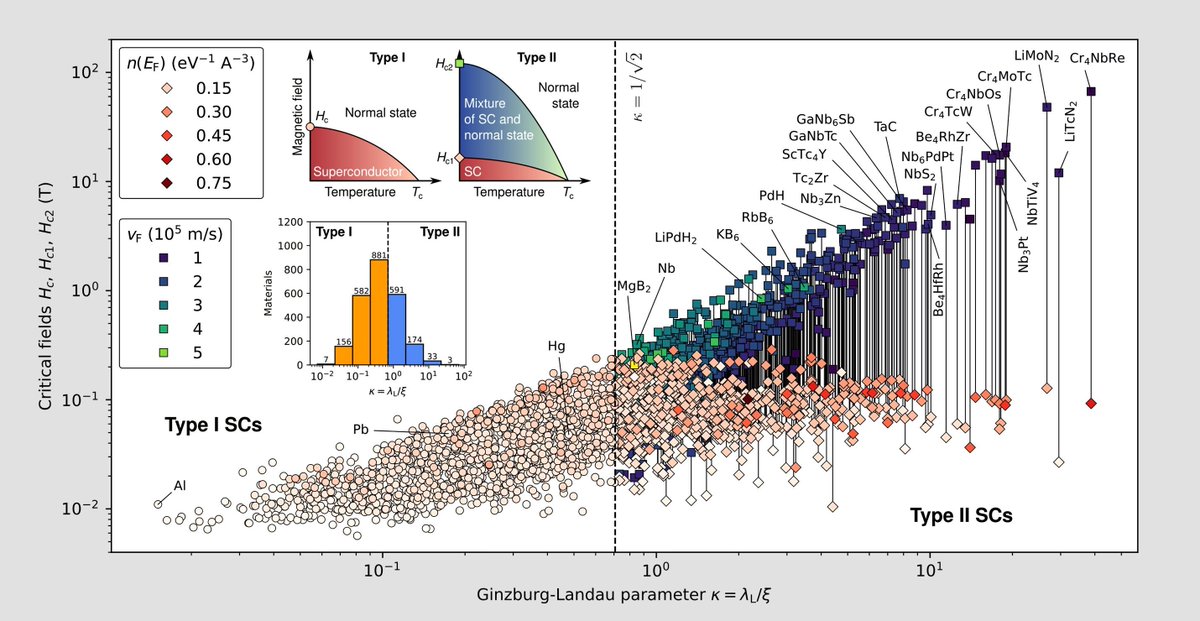
𝗧𝗼𝘄𝗮𝗿𝗱𝘀 𝘁𝗵𝗲 𝗱𝗶𝘀𝗰𝗼𝘃𝗲𝗿𝘆 𝗼𝗳 𝗵𝗶𝗴𝗵 𝗰𝗿𝗶𝘁𝗶𝗰𝗮𝗹 𝗺𝗮𝗴𝗻𝗲𝘁𝗶𝗰 𝗳𝗶𝗲𝗹𝗱 𝘀𝘂𝗽𝗲𝗿𝗰𝗼𝗻𝗱𝘂𝗰𝘁𝗼𝗿𝘀
This paper proposes a new route for superconductor discovery by focusing not only on critical temperature, but also on the often-overlooked role of the critical magnetic field. The authors present a computational database covering more than 7,300 electron-phonon superconductors and combine DFT-derived electronic structure with Eliashberg theory to predict key superconducting properties. The work points toward a more realistic framework for AI-driven inverse design of superconductors with both high (T_c) and high critical fields.
🔗 Source: https://t.co/2wuajBctJq
📄 PDF: https://t.co/rOqvw15j08
𝗟𝗮𝗿𝗴𝗲-𝗦𝗰𝗮𝗹𝗲 𝗜𝗻𝘁𝗲𝗴𝗿𝗮𝘁𝗶𝗼𝗻 𝗼𝗳 𝗘𝘅𝗽𝗲𝗿𝗶𝗺𝗲𝗻𝘁𝗮𝗹 𝗮𝗻𝗱 𝗖𝗼𝗺𝗽𝘂𝘁𝗮𝘁𝗶𝗼𝗻𝗮𝗹 𝗗𝗮𝘁𝗮 𝗳𝗼𝗿 𝟮𝗗 𝗠𝗮𝘁𝗲𝗿𝗶𝗮𝗹𝘀
This paper introduces X2DB, an open infrastructure designed to connect fragmented experimental and computational knowledge on 2D materials. The authors identify 370 experimentally realized 2D materials and link them to computational counterparts, enabling more consistent analysis across monolayer, bilayer, and bulk forms. For the materials community, the work is especially interesting as a foundation for data-driven, predictive synthesis and tighter integration between experimental results and ab initio modeling.
🔗 Source: https://t.co/5eNkIZin00
📄 Preprint/PDF: https://t.co/23QzQ69bxJ
#ResearchPapers #MaterialsScience #ComputationalMaterials #Superconductors #2DMaterials #AIforScience #DFT #Materials
📰 𝗜𝗻𝗱𝘂𝘀𝘁𝗿𝘆 𝗡𝗲𝘄𝘀
𝗡𝗩𝗜𝗗𝗜𝗔 𝗮𝗻𝗱 𝗚𝗼𝗼𝗴𝗹𝗲 𝗖𝗹𝗼𝘂𝗱 𝘁𝗮𝗿𝗴𝗲𝘁 𝗽𝗵𝘆𝘀𝗶𝗰𝗮𝗹 𝗔𝗜 𝗳𝗮𝗰𝘁𝗼𝗿𝗶𝗲𝘀
NVIDIA and Google Cloud have expanded their partnership around what they call “physical AI factories,” combining new GPU infrastructure, confidential computing, and updated enterprise AI tooling.
For the engineering community, this is more than another cloud announcement: it reflects how AI infrastructure is evolving for industrial, simulation-heavy, and performance-critical workloads. The news also points to a broader shift toward secure, deployable, and scalable AI environments for next-generation systems.
🔗 Source: https://t.co/oJAN8w9w7T
𝗜𝗤𝗠 𝗿𝗮𝗶𝘀𝗲𝘀 €𝟱𝟬𝗠 𝘁𝗼 𝗯𝗼𝗼𝘀𝘁 𝗾𝘂𝗮𝗻𝘁𝘂𝗺 𝗰𝗼𝗺𝗽𝘂𝘁𝗶𝗻𝗴 𝗿𝗼𝗮𝗱𝗺𝗮𝗽
Finnish quantum computing company IQM has secured a €50 million financing package from funds and accounts managed by BlackRock to accelerate R&D, support global expansion, and advance its quantum technology roadmap.
The funding is expected to help strengthen IQM’s superconducting quantum systems and scale development further. For the European deep-tech ecosystem, this is an important signal of growing investor confidence in quantum hardware and long-term quantum infrastructure.
🔗 Source: https://t.co/PE7bnd15op
#IndustryNews #Electronics #EdgeAI #QuantumComputing #Semiconductors #DeepTech #Engineering #AIInfrastructure
⚛️ Mat3rials 3xplorer.
Gallium Phosphide with Sulfur substitutions (GaP(S_P)), 2x2x2 unit cell.
Available online in our materials bank: https://t.co/rDPHxJXW4x
#mat3rials3xplorer#materialsscience#mat3ra
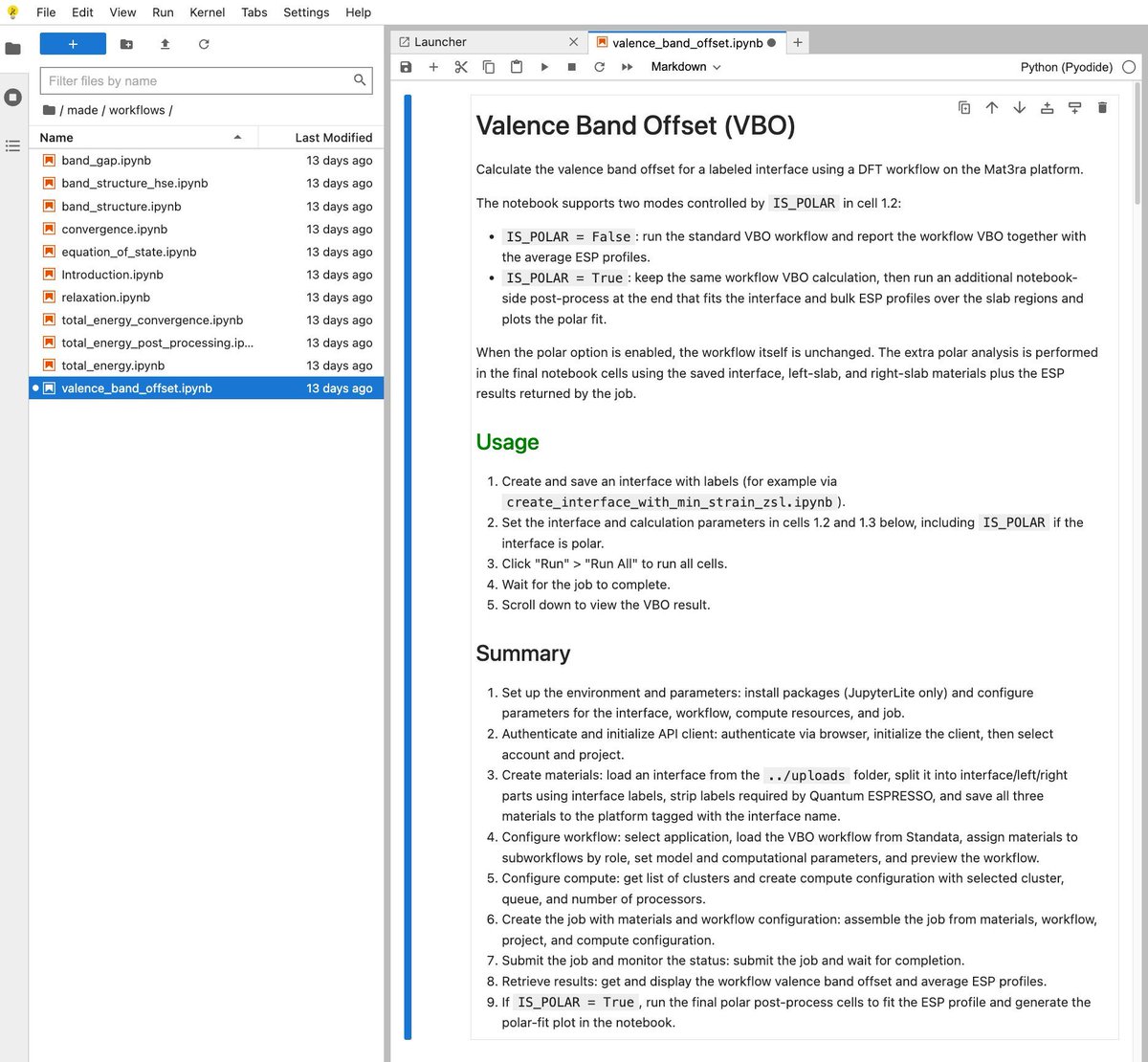
⚡️ 𝗥𝗲𝗹𝗲𝗮𝘀𝗲 𝟮𝟬𝟮𝟲.𝟯.𝟮𝟲 𝗵𝗶𝗴𝗵𝗹𝗶𝗴𝗵𝘁𝘀 - 𝗝𝘂𝗽𝘆𝘁𝗲𝗿 𝗻𝗼𝘁𝗲𝗯𝗼𝗼𝗸𝘀 𝗳𝗼𝗿 𝗰𝗮𝗹𝗰𝘂𝗹𝗮𝘁𝗶𝗼𝗻𝘀.
We started populating the api-example notebooks with example calculations.
👉 Try it for free at https://t.co/PyKuoYljVO
#materials#RnD#mat3ra #exabyteio #materialsscience #materialsdesign #materialsmodeling #science #technology
📍 𝗔.𝗜. 𝟮 𝗦𝗰𝗶𝗲𝗻𝗰𝗲 𝗛𝗮𝗽𝗽𝘆 𝗛𝗼𝘂𝗿 𝗶𝗻 𝗟𝗮𝗳𝗮𝘆𝗲𝘁𝘁𝗲 𝗼𝗻 𝗠𝗮𝘆 𝟯
On May 3, we hosted A.I. 2 Science Happy Hour in Lafayette, California — a casual gathering for people interested in the intersection of AI and science.
It was a great evening of conversations, new connections, and shared ideas across research, engineering, and innovation.
📅 Couldn’t join? Here’s your chance:
Join us at our next event —
🧪 A.I. 2 Science Happy Hour
📍 June 7 | Lafayette, CA
🔗 https://t.co/w1gY2t6Qvi
#AI #AIforScience #MaterialsScience #ScientificCommunity #Networking #Innovation #Mat3ra