In our late night deep dive into the octopus that builds a biological stroller for her kiddos-- we also found this helpful illustration on how argo mamas maintain their position in the water column carting her eggs & body around!
I've titled this phenomenon "bobbing for buoyancy" and I'm Obceph'd!!!
📚 Source: The argonaut shell: gas-mediated buoyancy control in a pelagic octopus Julian K. Finn and Mark D. Norman (doi:10.1098/rspb.2010.0155)
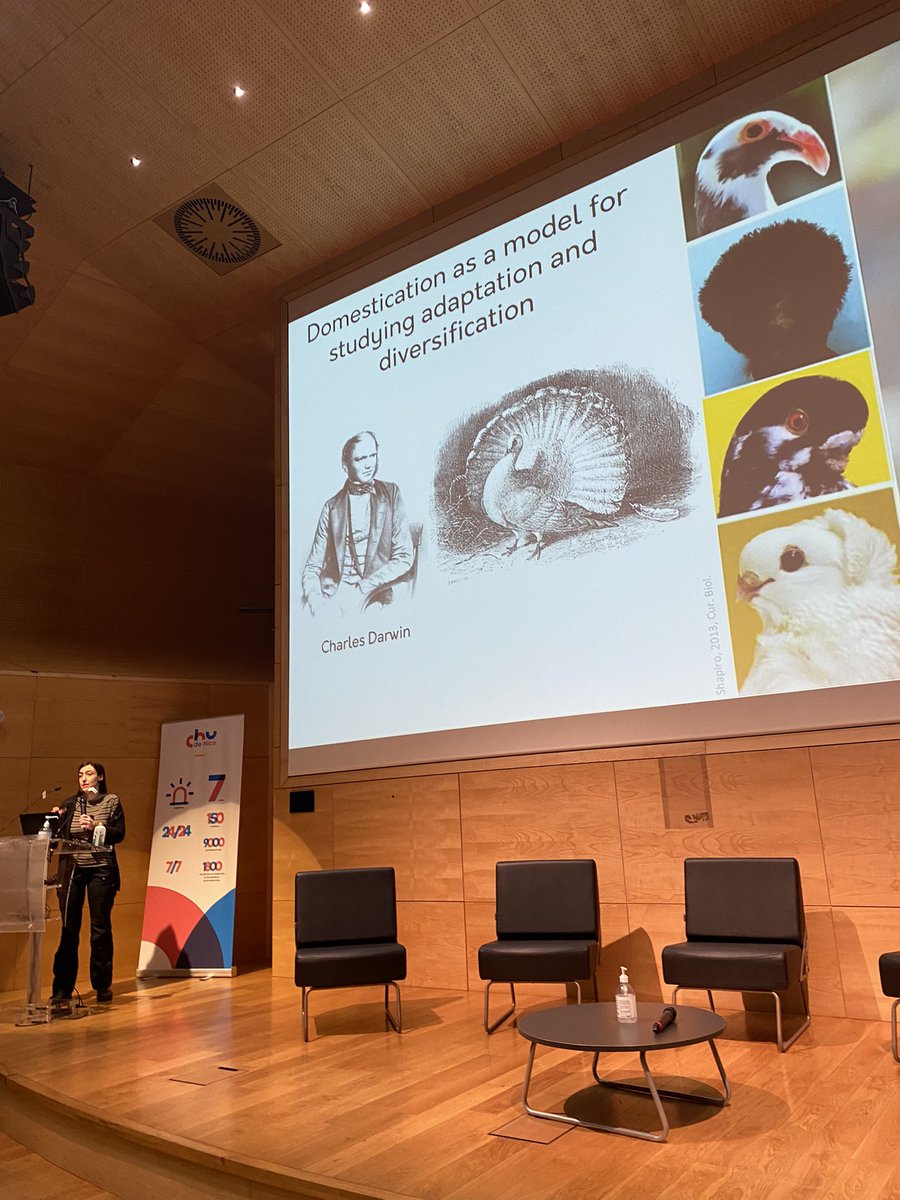
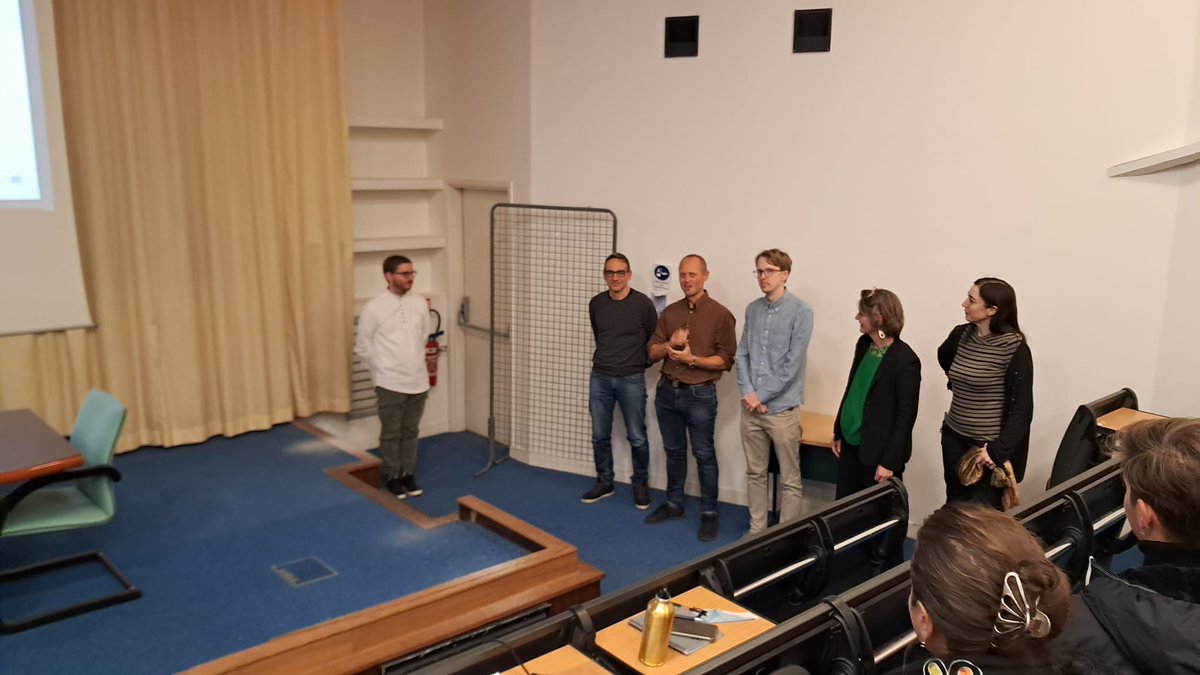
Today, we further exploit the jury and organise a @NiceSeq workshop on domestication across the tree of life, which was super interesting (someone said except for the third talk…). Thanks to @Univ_CotedAzur@ircaninstitute for support
delighted to see the ScRAP out:
https://t.co/CLELLDEbmi
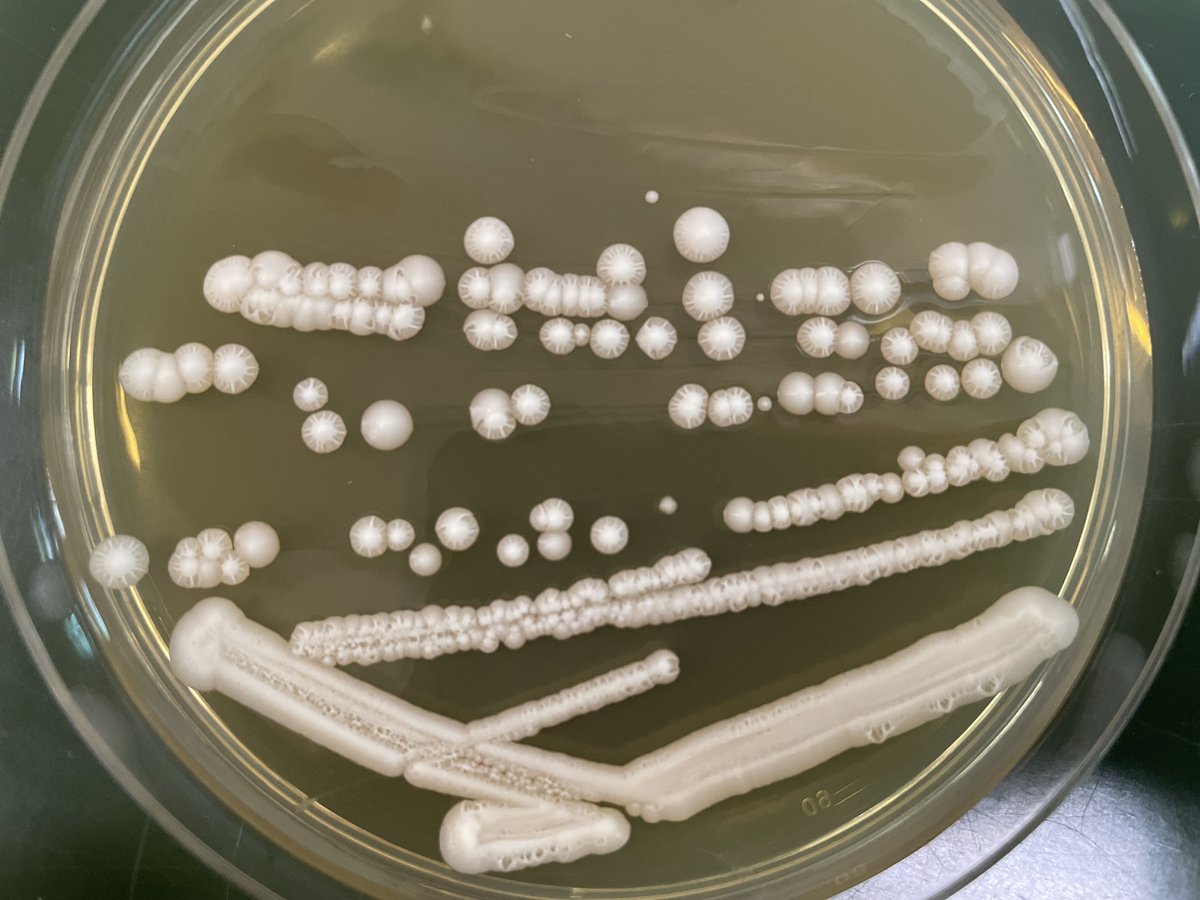
(very) long project largely founded by @AgenceRecherche#phenovar with @G__Fischer & @jo_schacherer & great interactions with many people, beyond the genome resource produced, new insights on how yeast genomes evolve
Visto che i negazionisti postano ritagli di 60 anni fa de "La Voce di Pizzighettone" per dimostrare che in estate faceva caldo, riporto i miei "ritagli" preferiti degli ultimi 100+ anni che mostrano ben altro. La selezione è arbitraria e incompleta. 🧵 1/n
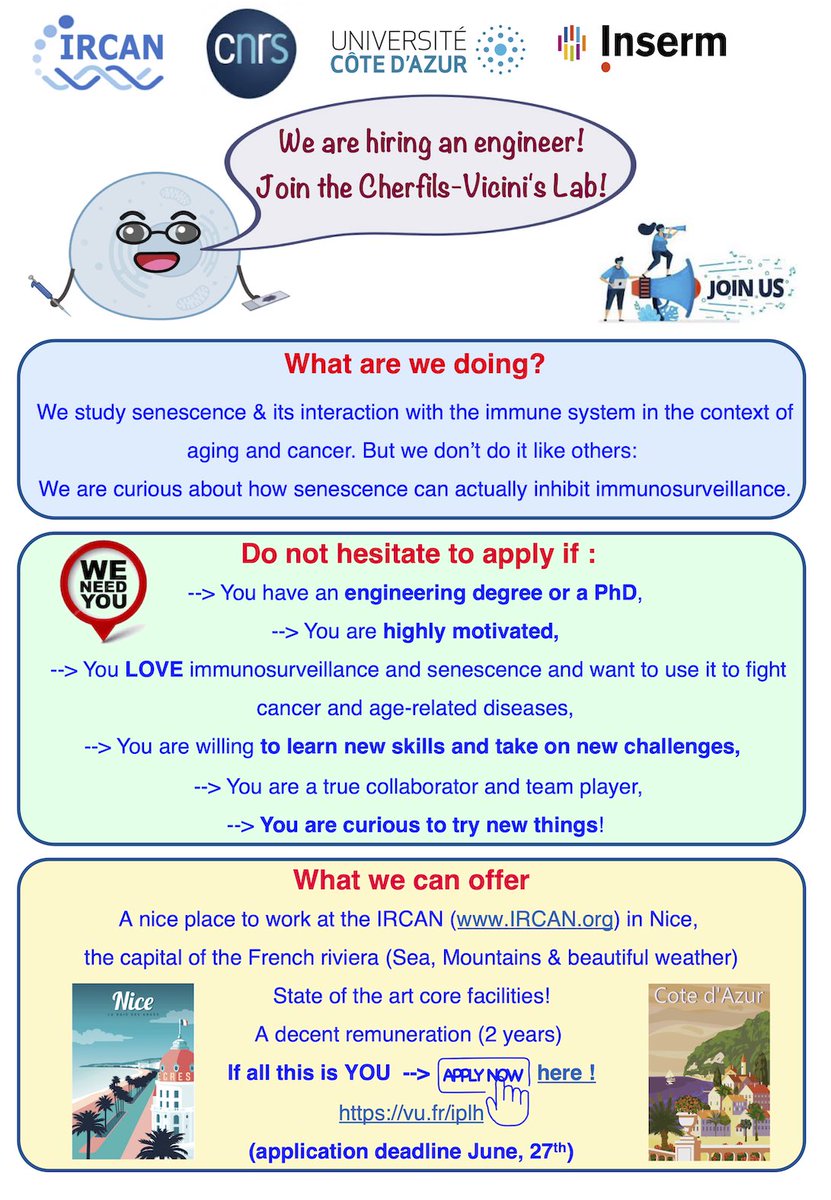
Job Alert! Staff bioinformatician needed. We are looking for skilled people who are experienced in programming, ngs data and who would like to work with large ancient metagenomic datasets. Look at this advert. Due June 20th. @SedimentaryDNA
https://t.co/4eNjqhwRgC
This paper is a lot of firsts. It is the first paper of the Evolutionary Genomics Lab, of course with the valuable input and help of Christoforos Nikolaou (@guilderstern), Nikos Vakirls' (@vakirlis) first last-author paper and my first first-author paper.
https://t.co/2smAj5bYAy
My group is hiring local (Memphis) and contracting worldwide. We focus on pangenomics, chromosome biology, sequence analysis, machine learning (language/transformer and state space models), and data visualization (static, interactive, and art/science/outreach)
Dear all, there is anyone that knows because the distances as the crows flies calculated in Google earth/maps and those calculated by R packages are like 25% off? Like: Nice Marseille is given as ~160 km by Google and 214 by all R packages. But the _driving_ distance is < 200...
@galselo@lorenzotattini But package sf, using st_distance() after st_as_sf(..., crs=4326) -thanks @nicolo_tellini- gives 159... 2/2
Thanks for the insight! :-)
@galselo@lorenzotattini In fact, the problem is the coordinate reference system. distHaversine() from geosphere use a sphere (214km), but even with distVincentyEllipsoid(), using parameters for the WGS84, result is wrong (213km). 1/2
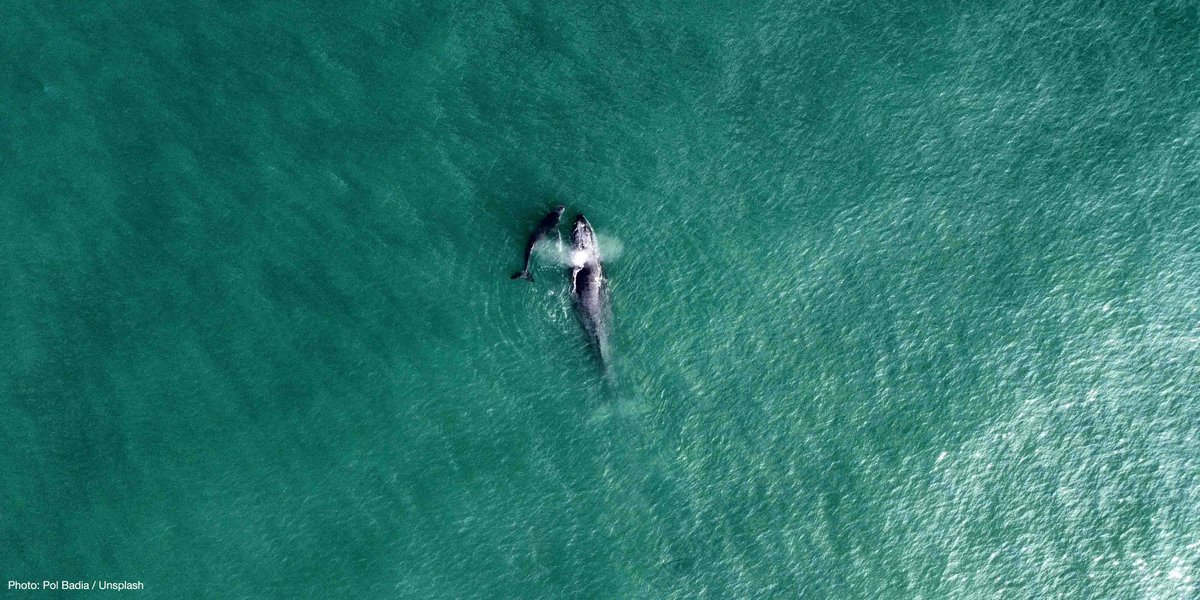
"The #HighSeas Treaty opens the path for humankind to finally provide protection to marine life across vast swathes of the ocean."
Read IUCN's full statement High Seas Treaty.
https://t.co/peDfpIXcJD #BBNJ#IGC5