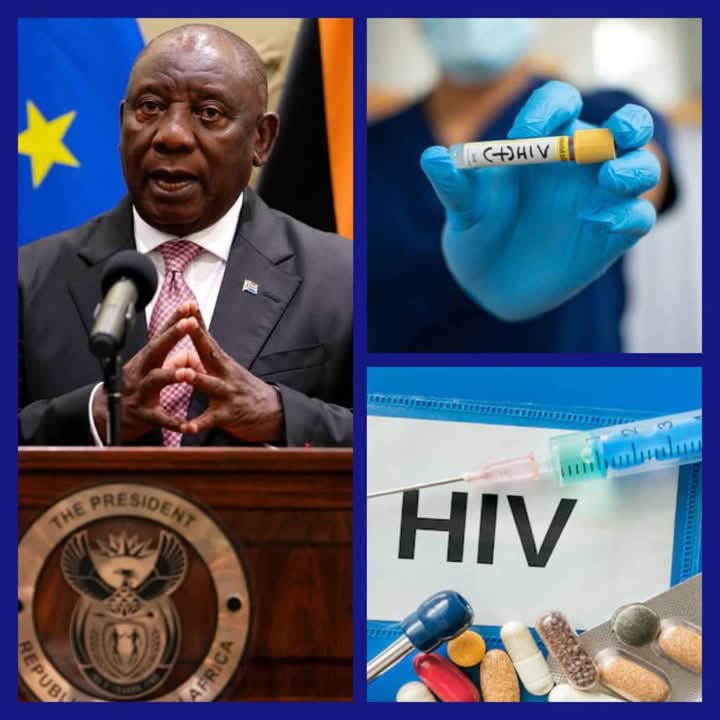
A groundbreaking HIV cure trial at the University of KwaZulu-Natal, South Africa 🇿🇦 , is delivering hope in the fight against HIV.
Led by Professor Thumbi Ndung'u, the study shows that 20% of participants have remained off antiretroviral therapy (ART) and are still virally suppressed after 1.5 years-without needing daily medication.
This breakthrough could pave the way for long-term HIV remission and a future without lifelong ART dependence.
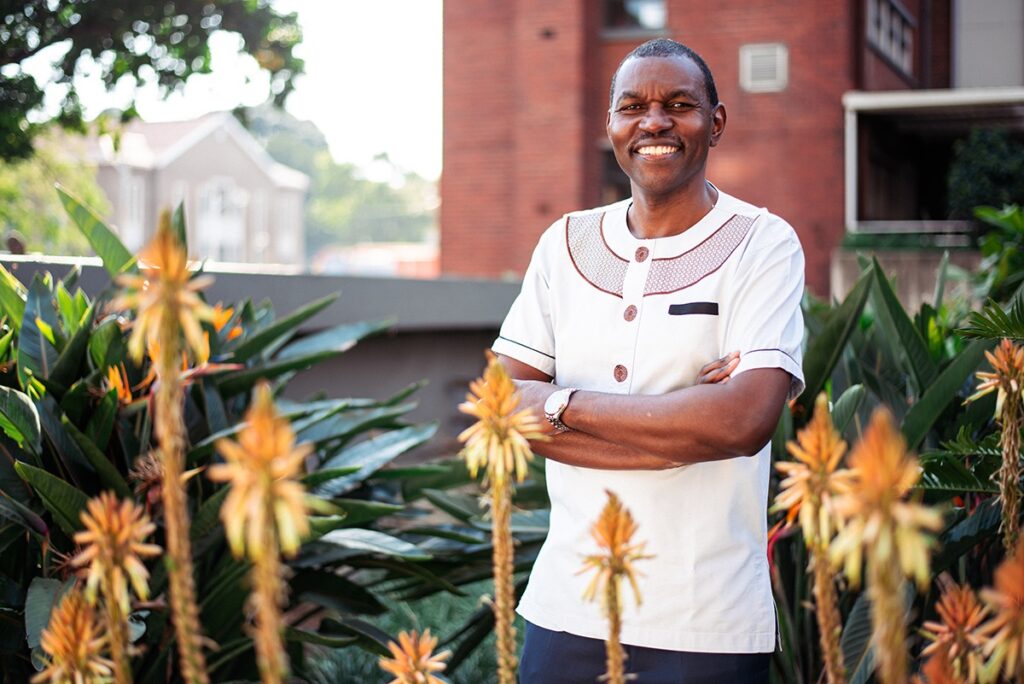
Kenya's Professor Thumbi Ndung'u is leading the trial to find a cure for HIV at the University of KwaZulu-Natal, South Africa.
It is the first HIV cure trial in Africa.
The trial shows that 20% of trial participants remain off antiretroviral therapy (ART) and virally suppressed after one-and-a-half years without medication.
South Africa is one of the few countries in the world working on a cure for HIV.
BREAKING NEWS 🚨‼️
SA has reportedly developed a potential HIV cure, Free Vîrus Control Without Medication.
The University of KwaZulu-Natal who have been researching on the HIV cure for 2-years recently conducted Africa’s first HIV cure trial&the results were very promising.
The first HIV cure trial in Africa shows that 20% of trial participants remain off ART and virally suppressed after one-and-a-half years. Results provide insights toward the development of future HIV cure approaches.
https://t.co/AhcJEyzaXL
#HIVCure
A ground-breaking HIV cure trial conducted in Durban, South Africa, has demonstrated promising results in achieving antiretroviral therapy (ART)-free virus control. A first for Africa, the HIV cure trial shows that 20% of trial participants remain off ART and are virally suppressed after one-and-a-half years. Results provide insights toward the development of future HIV cure approaches.
The results of the study were presented at the 2025 Conference on Retroviruses and Opportunistic Infections (CROI), in San Francisco, USA.
The study tested a promising HIV treatment approach called combination immunotherapy. The goal was to either eliminate or reduce hidden traces of HIV in the body so the immune system could keep the virus in check without the need for lifelong medication.
In the study, the first HIV cure clinical trial in Africa, the researchers treated participants with antiretrovirals very soon after they acquired HIV. Once the virus was controlled by ART, they administered powerful immune-boosters – which helps the immune system fight the virus more effectively. Under close medical supervision, participants then stopped ART to see if their bodies could control the virus on their own.
Twenty women were enrolled in the trial – a significant milestone because women are a group disproportionately affected by HIV yet are often underrepresented in cure-related research. The trial results show that 30% of participants (six out of 20) were able to stay off HIV treatment for nearly a year, and 20% (four participants) remained off treatment until the trial ended at 55 weeks. Even after the trial, these four individuals, who are still being closely monitored, have continued without medication for an average of 1.5 years.
UKZN’s Professor Thumbi Ndung’u who is also the director for basic & translational science at the Africa Health Research Institute, the Victor Daitz Chair and director of the SANTHE Programme, led the trial. He said, ‘While this treatment approach didn’t work for most participants, it is still a significant development in HIV cure research. Studying how the 20% managed to control the virus on their own will help scientists develop better HIV cure strategies, as well as work out ways to improve future treatments.’
‘This trial is also significant because it proves that complex HIV cure research can be successfully conducted in resource-limited settings where the need is greatest, and highlights the importance of including African populations in global scientific advancements.’
Professor Busisiwe Ncama, Deputy vice-chancellor and Head: College of Health Sciences said, ‘ Heartfelt congratulations to Professor Thumbi Ndung’u and his team on their groundbreaking achievement in HIV cure research—the first of its kind in Africa. Your pioneering study, which has shown that 20% of trial participants remain off ART and virally suppressed after one-and-a-half years, marks a significant milestone in the global fight against HIV. This extraordinary breakthrough not only brings hope to millions but also paves the way for future HIV cure strategies. Your dedication, innovation and unwavering commitment to to scientific excellence continues to inspire us all. We are immensely proud of your leadership and the impact of your work on healthcare both in South Africa and globally. On behalf of the UKZN community, I salute you for this remarkable success and look forward to seeing your research transform lives in the years to come.’
The research was led by the HIV Pathogenesis Programme at the University of KwaZulu-Natal, the Africa Health Research Institute, the Ragon Institute of Mass General, MIT and Harvard, and Gilead Sciences, Inc.
Here is a video of a young man (19) who beats up his sister. He is from Section 3 Khenana, eMadadeni.
Person who shared the video and asked to remain anonymous says this young man beats up his sisters, it is not the first time he does it and his mother defends him, "niyamhlukumeza umfana wami" as we speak this young man has a case were he schools in Bethamoya High school. The sisters are even afraid to open a case because the mother threatens that they must tell the very same police to give them a place to stay.
May Your CV reach the right hands and Your application be approved this week so that you can change your situation back home🕯🕯🕯🕯🙏🏾👷🏼
APPLY JOBS ON https://t.co/mWlayAqxmq
Thato Kegakilwe was last seen on 24 August 2023 in Phola Village near Mahikeng. She left home going to work and never returned. A case of a missing person has been opened. Anyone who might have information please contact: 0714852786
Retweet For Awareness