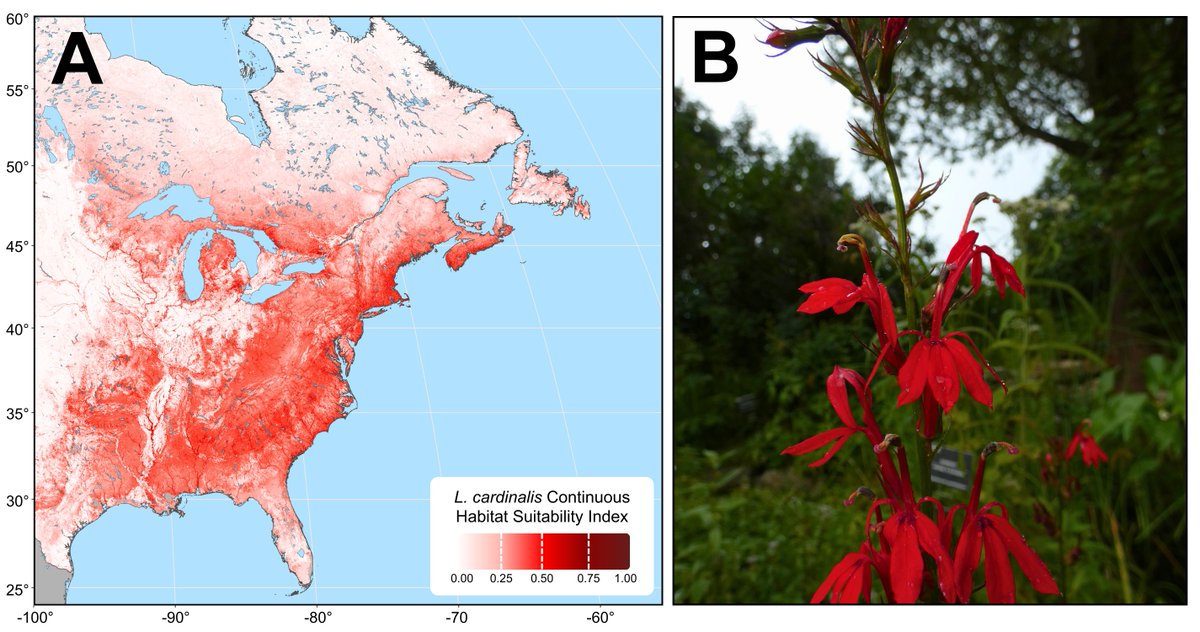
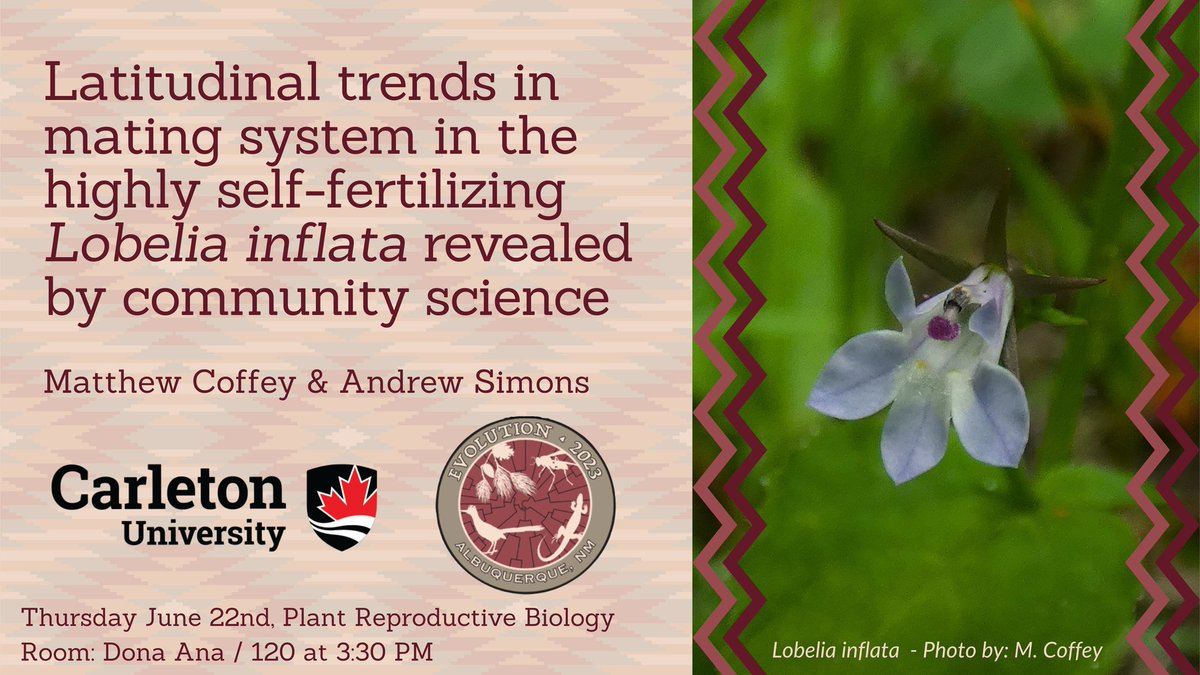
Just published new research on the importance of Ruby-Throated Hummingbird abundance on the spatial distribution of Cardinal Flower. If you like wildflowers, hummingbirds, and cool maps - check it out!
https://t.co/87iX6KALaq
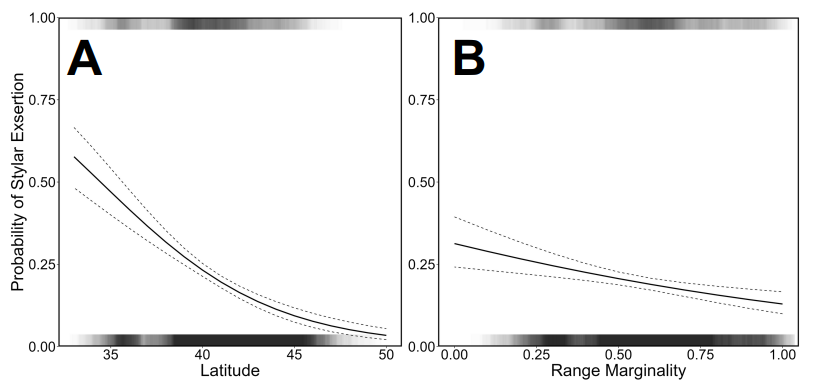
Since populations in the south and near the range centre demonstrate more frequent stylar exsertion
(a mating system trait that indicates the capacity to outcross)...
we assume that, as a result, these southern populations likely undergo greater outcrossing!
🪻🔁🪻
12/12
We also found that evidence of stylar exsertion significantly differed between Lobelia inflata and congeneric species like Cardinal Flower and Great Blue Lobelia.
10/12
We found that evidence of stylar exsertion in images of Lobelia inflata did indeed increase both in the south of the species range and close to the proportional range centre! 📈
9/12
Enter @inaturalist!
With the help of iNaturalist’s database of community science images📸, we could track evidence of stylar exsertion geographically by simply analyzing geotagged photos of Lobelia inflata. 🔎🪻
And this is exactly what we did!
8/12
It got me thinking…💭
If we had lots of similar photos and we knew where the photos were taken, we could determine whether style exserting Lobelia inflata was indeed more common in the south!
7/12
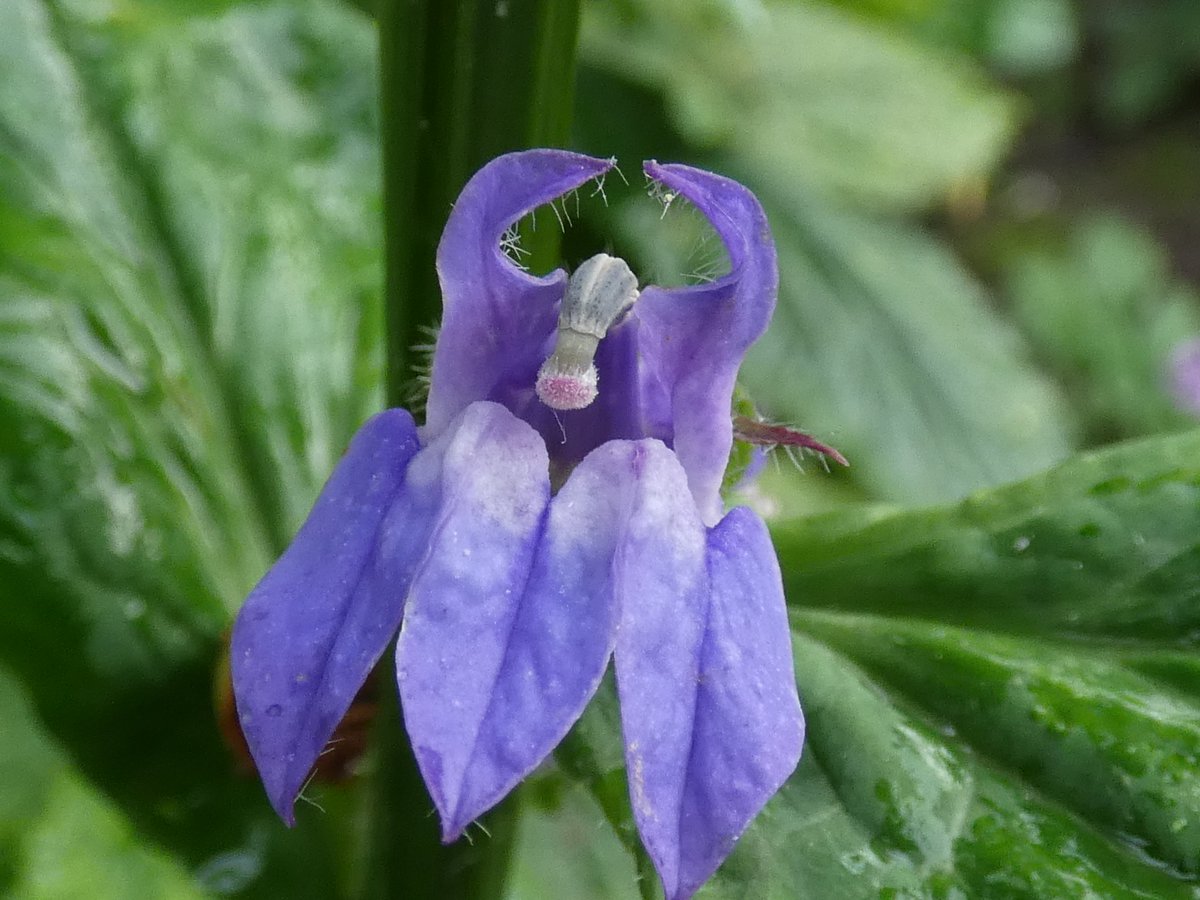
At the start of the pandemic, a previous grad student in @andrew_m_simons lab, @linalovesplants, shared a tweet with a photo📷of Lobelia inflata that showed an exserted style.
The first thought that came to my head when I saw the photo was: “Where is this plant from?”🤔
6/12
However, in other Lobelia species, like Cardinal Flower and Great Blue Lobelia, stylar exsertion is the norm - it indicates the transition point from male ♂️ to female ♀️ floral phase.
Stylar exsertion also allows the flower to accept external pollen and outcross!
5/12
One important feature of note... is that in northern Lobelia inflata populations, complete selfing occurs because each flower has a fused tube of stamens that fully encloses the style and stigma (throughout floral anthesis).
So selfing is the only option! 🔄
4/12
High selfing is thought to be more common in the north of species ranges due to selection for reproductive assurance – i.e., near range margins, potential mates may be limited, so selfing can be beneficial.
So, further south, L. inflata may lean more towards outcrossing!
3/12
Previous genetic work🧬on Lobelia inflata had found that populations are completely self-fertilized (>99%) in the north of its range.
However, whether this complete selfing is typical across the entire species range or an extreme is unknown…
2/12
Excited to announce the first publication of my PhD work in @Ecol_Evol with @andrew_m_simons !
We used @inaturalist community science data to explore latitudinal trends in mating system traits in the highly self-fertilizing Lobelia inflata
https://t.co/h9EqW9mdxF
A🧵1/12:
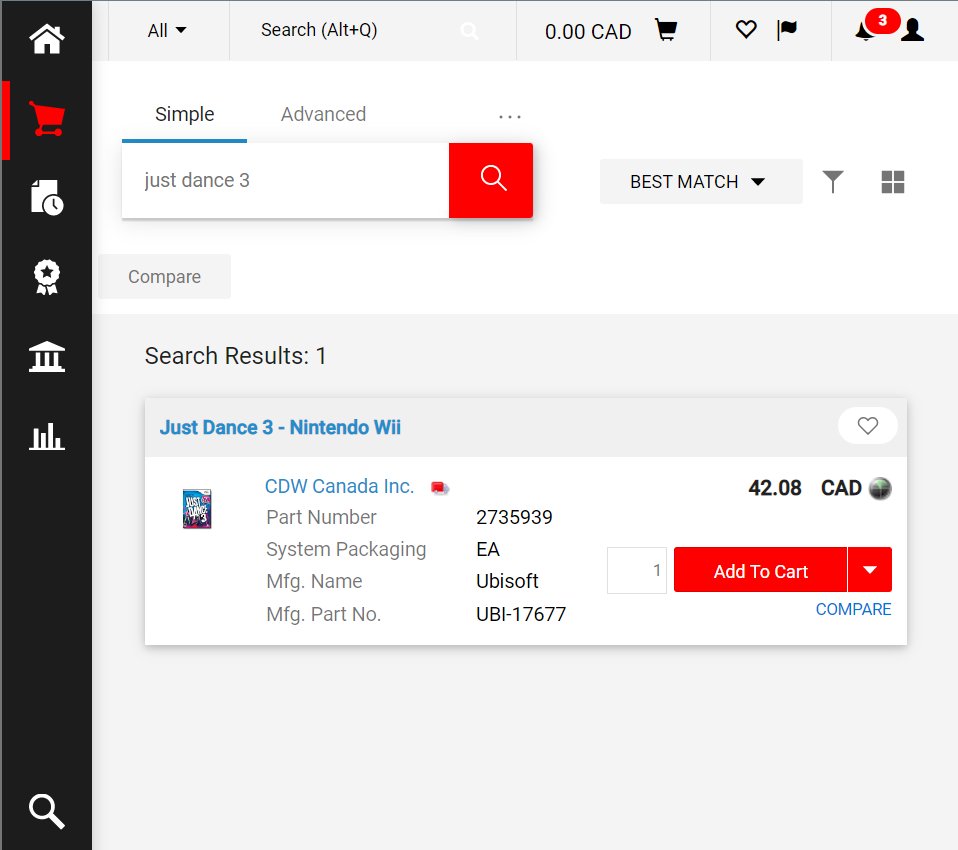
Does anyone think I'll get the go-ahead from my supervisor to spend $42.08 of research funds to buy Just Dance 3 for the Nintendo Wii from the University's eShop? #Carleton
@_Rich_Coffey@TorontoStar What other term could they have used there? I guess we'll never know... but the possibilities are wIDe oPeN. We can be fReE to wonder...but it is probably better LEft aLoNE...