I am excited and honored to start serving as the Editor-in-Chief of AJP-Renal. Together with an amazing editorial team, we will work hard to further elevate this prestigious journal and to champion physiology, the science life depends on! @AJPRenal@APSPhysiology
Very happy with how this video came out describing the Dongwon Lee and my partnership & how our labs intertwine to drive forward #kidneyomics research. Thanks to Julia Bueno, our Community Outreach Coordinator who created it @thesampsonlab https://t.co/viDgWEU2Mg
🎉 Last week, we gathered as a lab to celebrate the milestone of Choah Kim, Eric Sakkas, and Junmo Sung as they prepare for their next chapter in medicine and research.
We can’t wait to see the impact you’ll continue to make in healthcare, science, and beyond!
Collaboration, curiosity, and a shared commitment to advancing kidney genomics research. 🧬
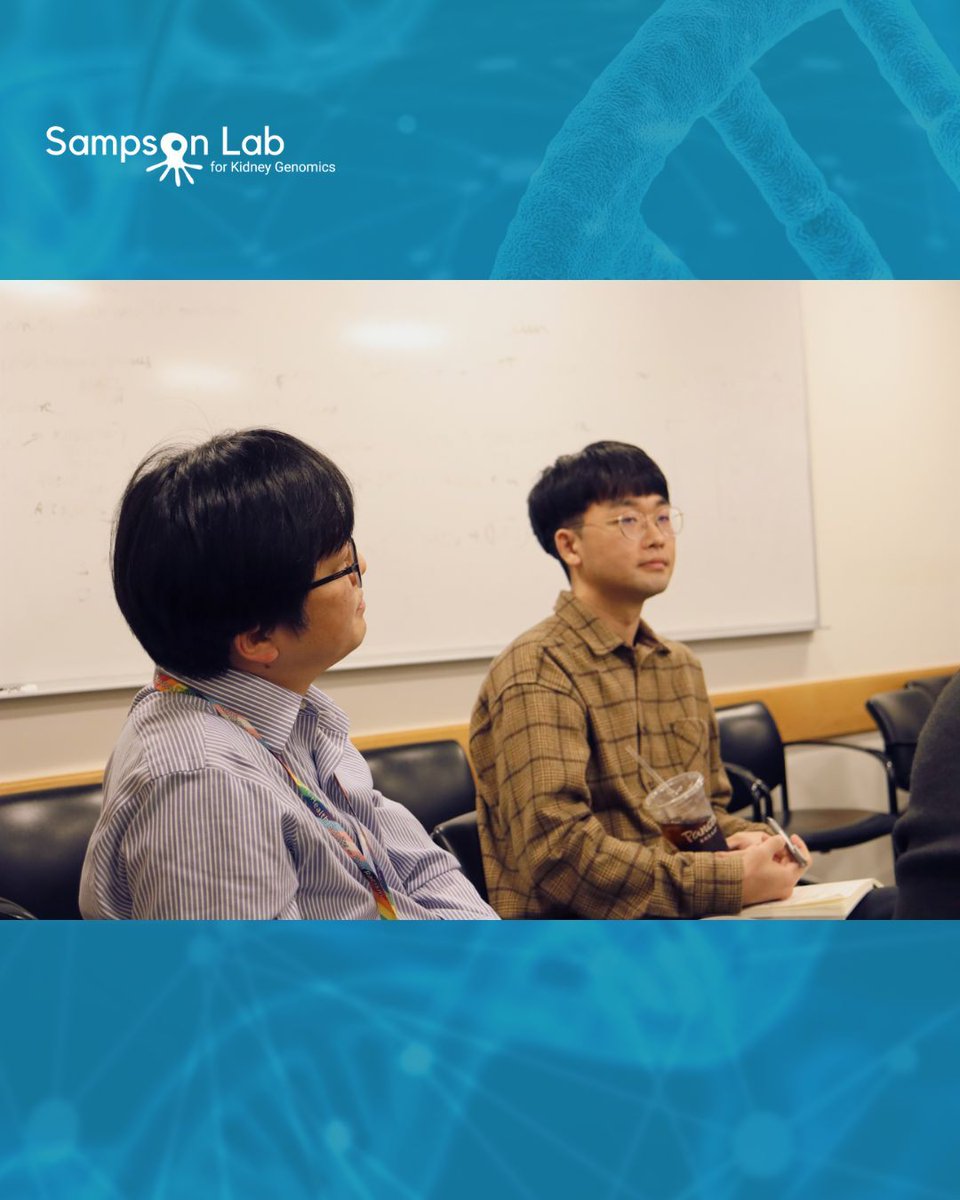
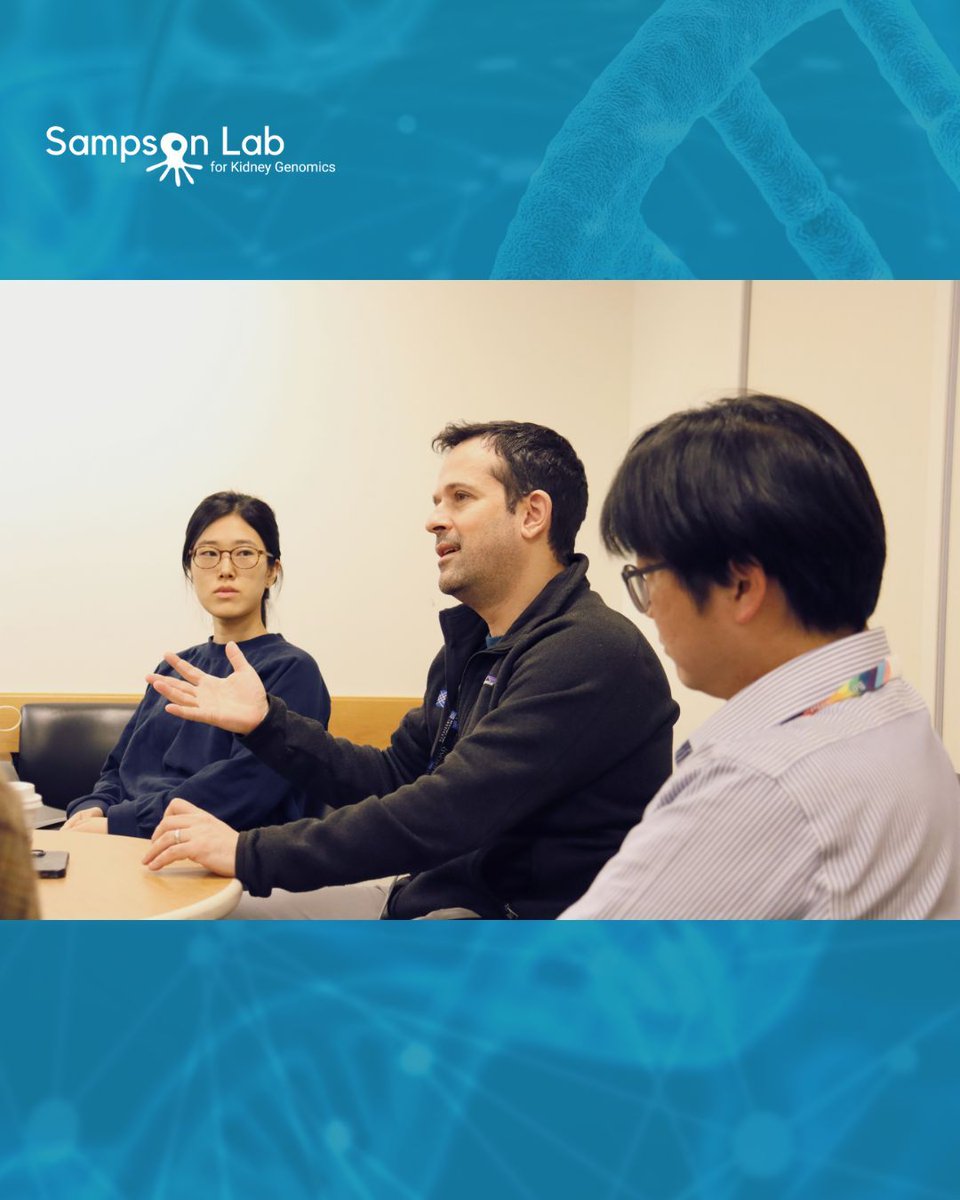
Moments from our recent lab meeting at the Sampson Lab for Kidney Genomics, as we continue working toward a better understanding of nephrotic syndrome.
#SampsonLab#KidneyGenomics
🚨Prime editing breakthrough (April 29, 2026)
Researchers at UMass Chan Medical School have developed “Prime Assembly”: a method to insert large DNA fragments (up to 11 kb) with high precision and without double-strand breaks in the genome.
They use two pegRNAs plus linear donor templates that assemble inside the cell. It works in quiescent cells and has already been demonstrated by inserting full genes such as dystrophin and CARs.
Prime Assembly (PA) perfectly complements their platform and PASSIGE technology for large insertions, opening the door to more indications (DMD, allogeneic CAR-T, etc.) with lower risk.
Another step that reinforces why prime editing remains the most versatile gene-editing technology.
Source: https://t.co/QbmNHCQGpz