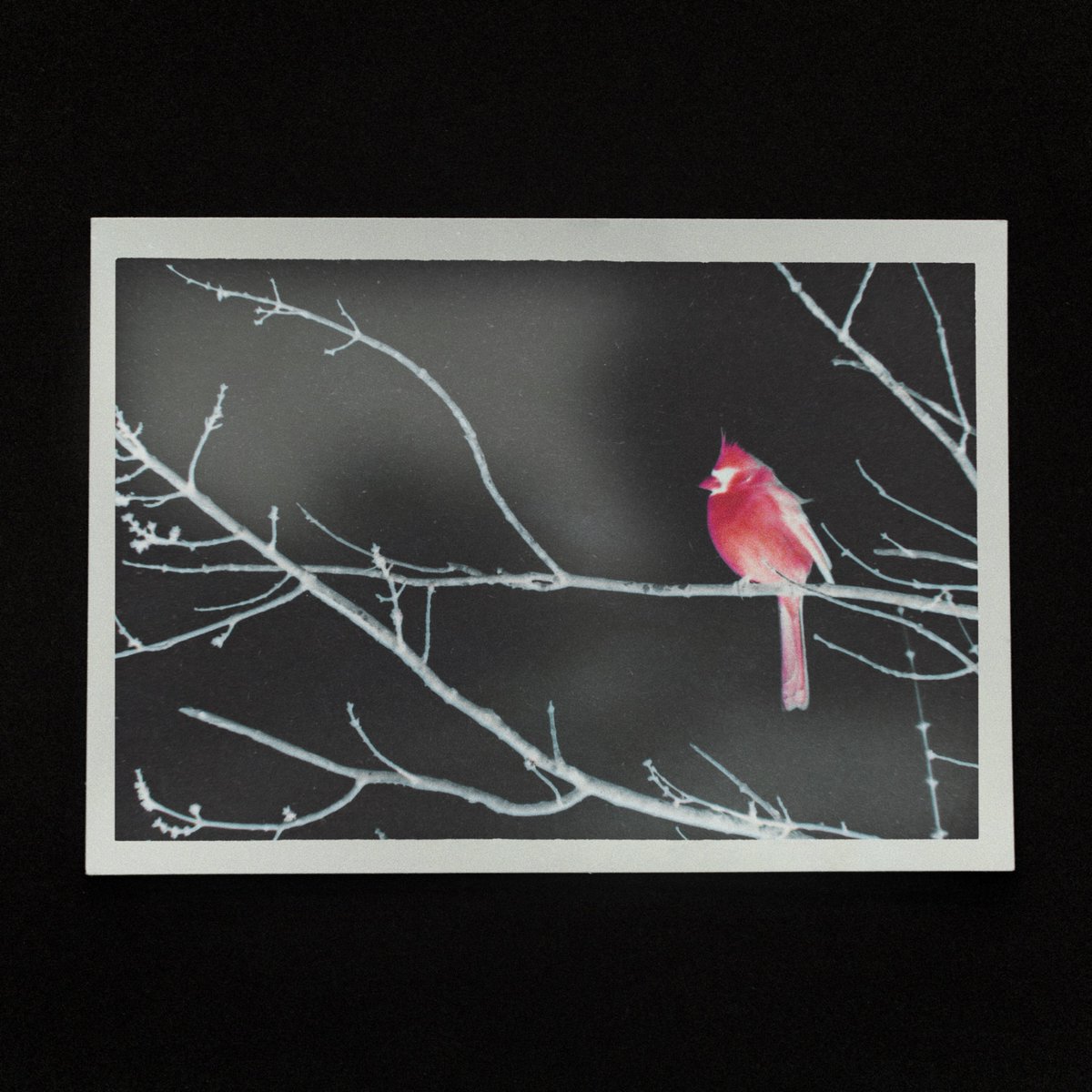
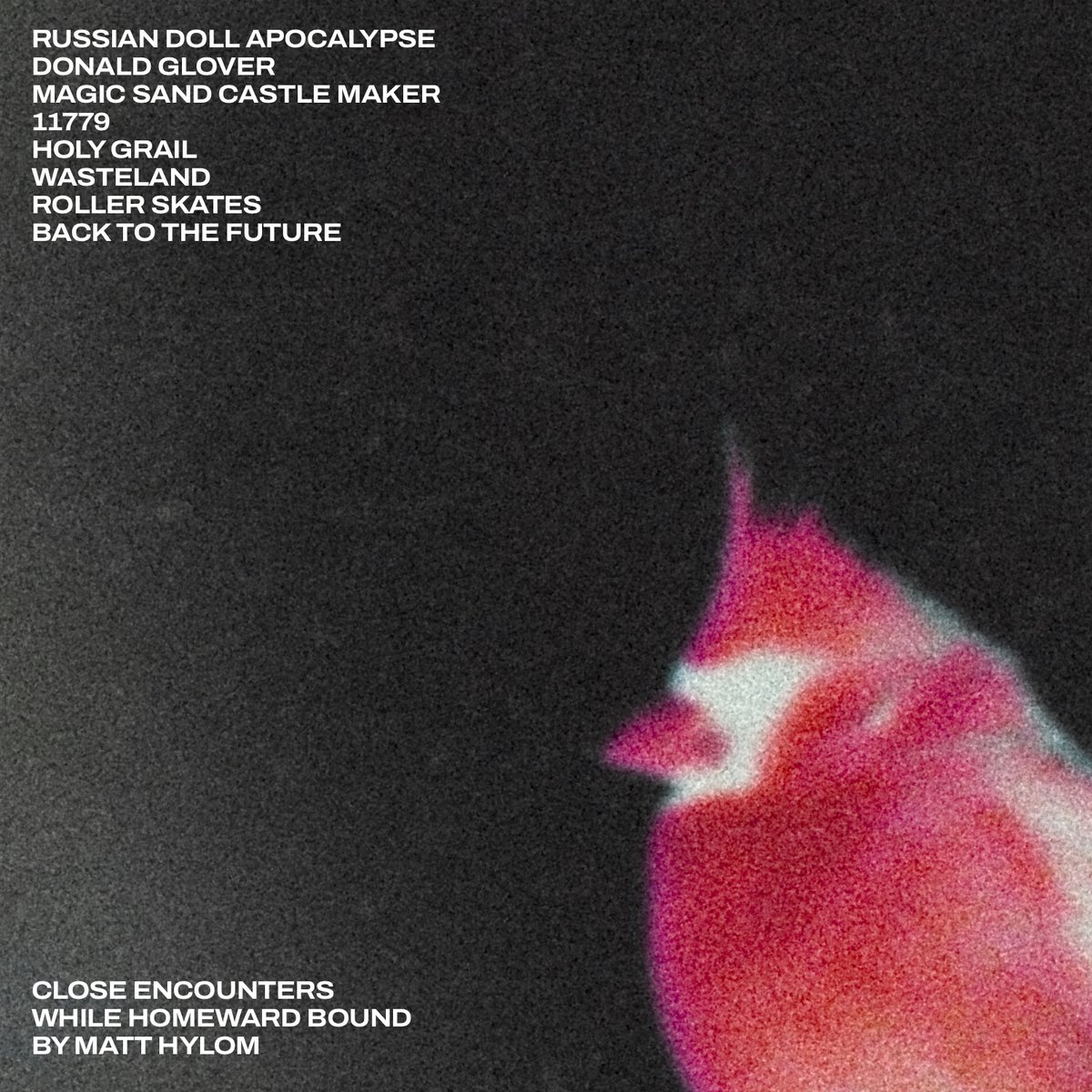
My album “Close Encounters While Homeward Bound” is out now.
I hope it means something to you.
There’s so much to say about these songs, but that’s for another time. I’ll be releasing behind the scenes videos for each one, going through lyrical concepts, production, etc.
For now, take a listen and enjoy the ride.
RUSSIAN DOLL APOCALYPSE.
The first song off my album “Close Encounters While Homeward Bound”.
Out 10/9
The album is about a journey of a man trying to learn what it means to be a husband and father. Too many men are failing to take on this quest, and the result is nothing short of apocalyptic. The songs on this album are like journal entries of encounters I’ve had both within myself, and with others, as to why the landscape is such a wasteland, and how we, as men, can navigate through it, and get back home.
Share it around, please and thank you.
@clrk_o I very much enjoyed Esolen’s translation. The original Italian is included alongside, and his commentary is included (in the back of each book). Worth reading after each canto.
I would say yes. I believe McGilchrist comments on this explicitly in The Master and His Emissary. I'd have to go back and find it though.
I noticed this crossover as well when reading Pieper. He articulates the intellectus/ratio distinction early on in his Leisure book, to set up his work/rest distinction, which maps on very nicely to the left/right brain McGilchrist thing. Part II, page 11-13 if you’re wondering.
@sympractical Where did Jonathan say this? I've been hoping to see him, or his circle of influence talk about the mcgilchrist notions of the brain/consciousness, and Barfield's final participation.
@BrantleyVosler Absolutely. Cars and planes convert space into time. We don’t usually say how far something is, we say how long it takes to get there. This is a general “techne” problem, and results in spatial disorientation (loss of meaning).
@annielcrawford Agreed. This is related to the same “temptation of esotericism” from your post a few days ago. Leaving the incarnated and embodied for some “out-there-ness”. We must remember the veil (re-cover).
@BrantleyVosler I lean more towards there being an unfitting-ness of that particular Skillet song, but not of the band as a whole. I also agree with the idea @annielcrawford mentions frequently that “the medium is the message”, but with some caveats.
Completely agree that the constant legitimizing of other perspectives is quite exhausting. Opponent processing is ultimately supposed to reveal a higher truth, and not cancel both arguments out and have us throw our hands up and say “who knows”. Sometimes it’s just best to go outside for a long walk.
@MusicaApologia @annielcrawford Dante used the vernacular Italian instead of the scholarly Latin for his Divine Comedy. I always wondered if this was frowned upon during his time as too “pop”.
I agree with this take. One of the complications that comes to mind is that there was a moment in history when a deathwork - namely Death itself, was used as an instrument to usher in a new created order. And now the Cross is the centerpiece of Christianity, on every altar, in the Holy of Holies. That doesn’t collapse the argument you laid out, but it does create the need for wisdom in discerning where these tools fit in the hierarchy. I sympathize with those trying to work it all out. Pageau’s “transgression is not transcendence” seems relevant here as well.