Quel bonheur de pouvoir sortir de chez soi et de tomber sur de tels paysages. Ce sont ces moments qui me confortent sur le fait d'avoir fait le bon choix en quittant la région parisienne pour ma campagne japonaise ❤️
#japon
@Khalee_yt@kingboo_3_ C’est un fait c’est clairement plus cher ici qu’en France mais 500 yen la banane c’est pas le prix général. Pour 300 yen j’ai 4 bananes. Et je peux trouver des pommes, cerises, kiwis, oranges, ananas etc y a plus de choix, qu’en konbini. Mais ça reste plus cher qu’en France oui
🕺 Le Moonwalk de Michael Jackson ne vient pas de nulle part.
En 1955, Bill Bailey exécutait un pas glissé ressemblant fortement au futur Moonwalk.
Mais Michael Jackson a fait quelque chose d’unique, il a perfectionné le mouvement et l’a rendu fluide…
🇫🇷🇯🇵Binationalité et loi japonaise
#FrancoJaponais
👉 Peut-on garder ses 2 nationalités ? Faut-il vraiment « choisir » à 20 ans ? Que risque-t-on concrètement ?
👉Toutes les réponses (version 2026)
→PDF (24 p.)
https://t.co/PPZjpQAg5v
→Résumé
https://t.co/nyGFExBfU7
À partager!
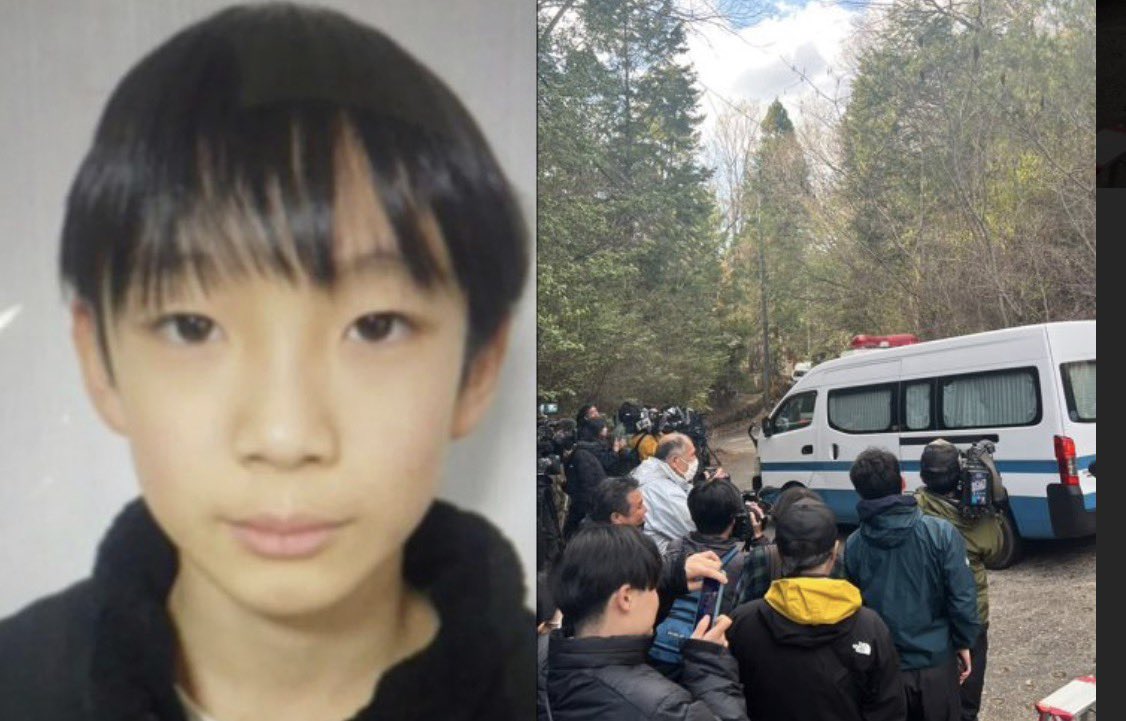
A sad thing happened in Japan
An 11-year-old boy named Yuki was reported missing in Kyoto.
His stepfather was out on the streets, handing flyers to neighbors, asking for help finding him.
This week, that same stepfather was arrested.
He has reportedly told police he “lost his temper and strangled” Yuki, then dumped the body in a mountain forest.
The boy’s mother, by every account, believed him until the end.
This is where most people will stop reading, and this is exactly where the harder conversation should start.
Japan has a quiet, persistent problem that rarely makes it into the English-language conversation about this country: children living with stepfathers or their mother’s new partners are overrepresented in serious child abuse cases.
In Japan, when child abuse crosses into criminal prosecution, around 72% of offenders are “father figures” — and within that group, over a third are stepfathers, adoptive fathers, or the mother’s live-in boyfriend.
Given that stepfamilies make up only around 7% of marriages in Japan, that share is not small.
Child welfare data tells a similar story, case after case — sustained beatings, torture, sexual abuse, disposal of bodies.
It is not that stepfathers are monsters. Most are not.
It is that a country that treats family as a private black box — where divorce still carries stigma, where mothers are often financially cornered into remarrying, where schools and neighbors are trained not to intrude — systematically fails to see the children inside those homes until it is far too late.
Yuki’s mother handed out flyers next to the man who now says he killed her son.
Japan just began allowing joint custody this month, after decades of delay.
But the harder reforms — mandatory home visits, real authority for child welfare workers, serious screening around non-biological caregivers — are still stuck.
This is not an abstract policy argument. It is the difference between an 11-year-old going to school next week, and an 11-year-old becoming a headline.
Rest in peace, Yuki.