These Athenian homes - built in partnership between the original single family home owner and the developer - have been a phenomenal model for social integration. Wealthier people on the upper floors (often the original homeowner), people who had just arrived from the countryside further down and students in the basement (which in most instances is designed to have a courtyard patio for access to significant light and open space).
Light filled, affordable and spacious, these apartments are everywhere and have stood the test of time. Owner occupied, they have not suffered the neglect we see in rental housing in North American cities, but are generally very well maintained.
That sort of vertical stratification inside a five-story building helped Athens to avoid horizontal stratification — there aren’t really neighborhoods that were only rich or only poor.
My best friend is a school teacher raising her family in one of these homes - and she has a very high quality of life. She would need to make 10x the income in Toronto to live the way she lives in Athens - because she has access to great housing, in a great neighbourhood, at a great price. (With great neighbours, I might add.)
Many factors need to align for this model to advance. Willing homeowners. Low interest rates. Low construction costs. Enabling policy from the municipality. There was a moment in Greece where the political will, the emphasis on unification and the social values came together to make this possible.
Aligning these critical success factors is tricky, but there is some inspiration in this model if we look for it.
I've just discovered Melbourne has a Nordic Policy Centre... and they're doing some interesting research.
More affordable housing with less homelessness is possible – if only Australia would learn from Nordic nations https://t.co/qbmr6ljTNM via @ConversationEDU
Come for @lifeofstuff 's easy to digest summary of our HVAC&R research, maybe stay for a while with the full paper at Energy Policy https://t.co/veuJbRGNd9
The first peer-reviewed article from our HVAC&R work is here: https://t.co/6R9CP1JQGO It's a summary of the whole project, so if there's too much going on here's the TL:DR version... @ACCESS_GEOG @AIRAHnews
The KEY question, I'm asked by students when I guest lecture about the #ClimateCrisis is 'but what can we do?'
So I recently rewrote my materials to try & tackle that question head on. Feel free to adapt them.
Buckle up - here's a LONG thread🧵about how we can fight back!
A real pleasure to share some thoughts and questions on links between the way we design, build and live in our housing the influence on loneliness and social connection last week #lesslonely@ProfAstellBurt@CohousingAus
This is the most important report I've seen for a long time - not just a fantastic source of evidence on what works to change behaviour but also of how far the government is from where it should be on climate action @CAST_Centre@TyndallCentre
The energy revolution is unfolding live, much faster than most people realize. A thread based on the insurgent view of the energy transition of @RockyMtnInst and @KingsmillBond
In short: The fight against climate change is accelerating - look at the data and do the math
🧵
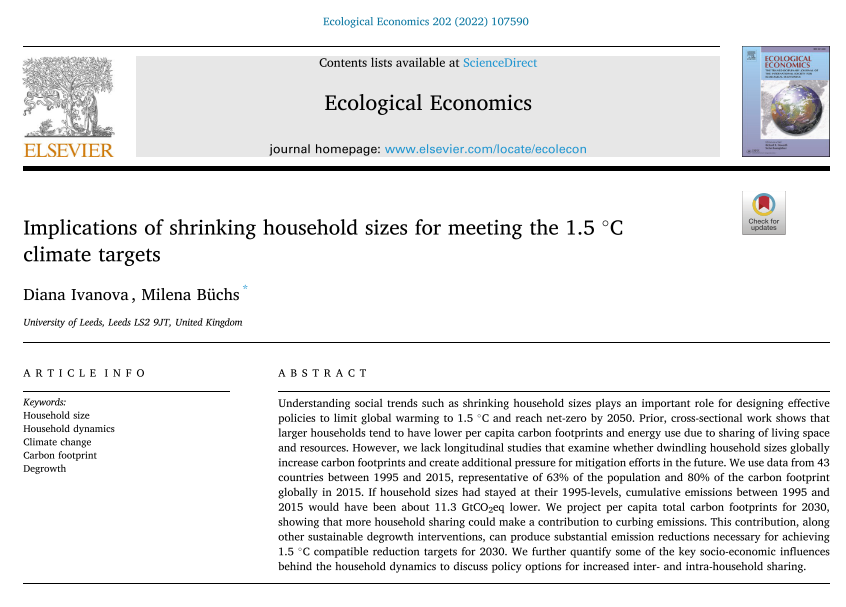
We recently published a paper on the implications of shrinking household sizes for meeting climate targets. We show that reversing the trends around household sizes and economic growth alongside other interventions will be key to reduce emissions in rich countries / thread
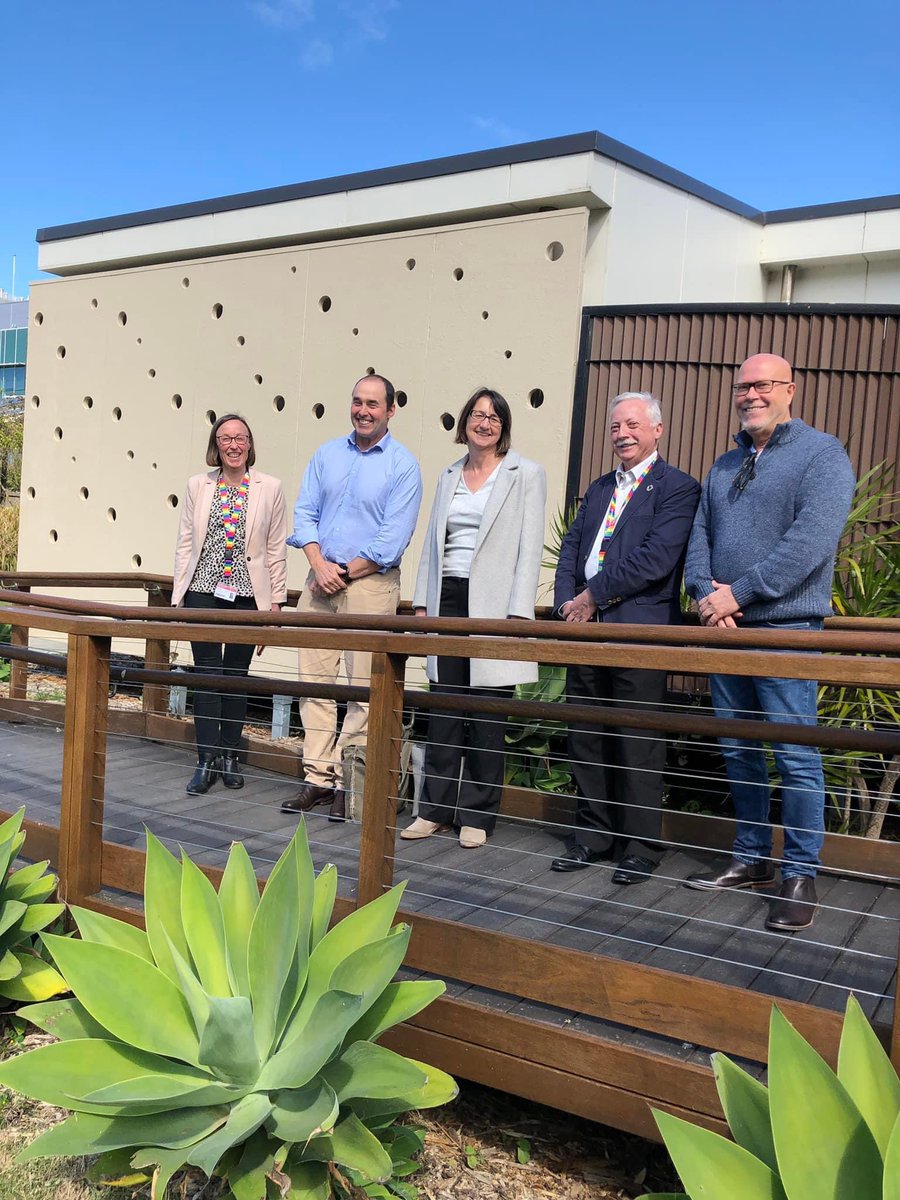
We were pleased to welcome a team from AV Jennings yesterday for a tour of #SBRC & #DesertRoseHouse to talk about sustainable homes @proftimmccarthy @uoweis
@bengroundwater@TravellerAU Oh no! Sad to see it go. You guys got me through a few travel-free years with young kids and COVID…. Any other travel pods you recommend @bengroundwater ?
Join us in Wageningen July 2023 for the joint SCORAI & European Roundtable Sustainable Production & Consumption Conference @SCPConference23. Call for sessions & papers now open! #sustainableconsumption#governance