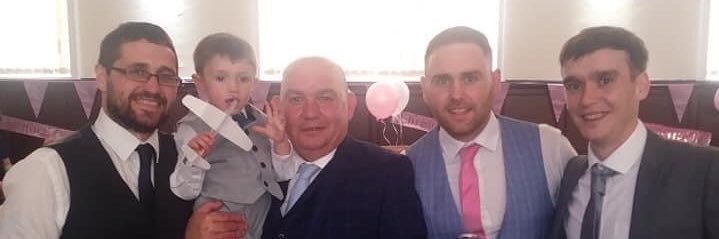
I canny shout the praises of CHRISS house enough .The people who are in this place work so hard to help everyone that goes through their doors , nothing’s stupid to them , if you’re feeling low no matter what it is they’ll take you serious and help you achieve the real you again.
Way to often we see or feel small changes in our mental health or others, but brush them aside.We need to realise our mental health can deteriorate slowly or rapidly either way it's important that the correct help is avaliable and easily accessible. #Chrisshouse#suicideawareness
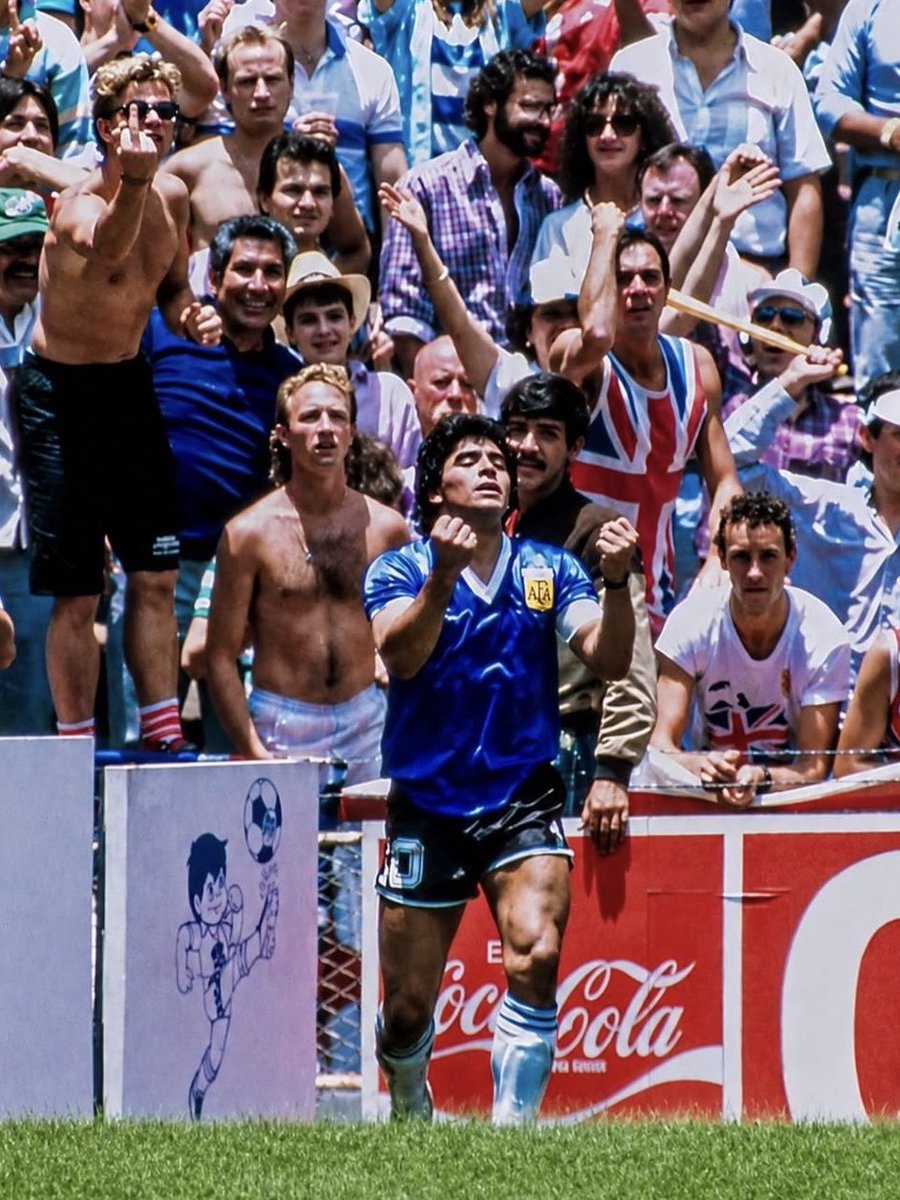
@m4ttymul@LOIFANTV I agree mate they would be praising English clubs for sure but doesn’t take away he kinda is right on this post man if you’re no a so called half decent name or came from a decent European club then you’re a few mediocre performances away from being crucified off Celtic support
On this day in 1798, in a crowded courtroom in Dublin, Theobald Wolfe Tone stood in the dock and made the speech that would outlive him. Outside, the rebellion of that summer was broken. The United Irishmen were scattered, its leaders dead or dying.
Tone had been captured in the Bay of Lough Swilly aboard the French flagship Hoche, a grand but battered vessel limping home after a failed attempt to land troops in Donegal. He had recruited French aid for Ireland, convinced that the republic born in Paris might help birth one here. A republic of Catholics, Protestants, and Dissenters united, a nation freed from the petty tyrannies of sect and crown.
Now he stood accused of treason against the King. He did not deny it.
“From my earliest youth I have regarded the connection between Great Britain and Ireland as the curse of the Irish nation, and felt convinced that, while it lasted, this country could never be free nor happy.”
Tone asked only for one thing, that he be granted the death of a soldier, to be shot, not hanged. The request was refused. The British, never slow to recognise symbolism, knew exactly what message the rope around his neck was meant to send. But Tone was not to give them that satisfaction.
In his cell in Provost’s Prison in Dublin he slit his own throat with a concealed blade. The wound did not kill him at once. It was a long death, slow and agonising, unfolding over days. He died on the 19th of November, at the age of just 35.
There is something tragic in the fact that the father of Irish republicanism, this son of a Protestant family from Dublin, died neither in battle nor even at the gallows, but alone in the dark, struggling for breath. Yet there is also something unmistakably resolute, even defiant, in his refusal to submit to the choreography of British justice.
The Protestant father of Irish republicanism is buried in Bodenstown, Co. Kildare. It has become a place of pilgrimage. Every generation has returned, in good times and bad, to stand among the yew trees and read his name. Pearse stood there. Connolly stood there. Collins stood there. Ordinary people stand there still.
Tone’s dream never quite died. It simply changed shape, split, reformed, was argued over, and reimagined. But the core of it remains. That the people of this island should govern it themselves, free of outside control. United not by creed but by common heritage and shared future.
Very proud to be making history with the BBC and a huge day for the sport of boxing. Today, BOXXER announced an exclusive free-to-air partnership with the BBC that puts boxing back on free-to-air terrestrial primetime Saturday night TV, for the first time in 25 years. Household names are needed for the sport to thrive. Thanks to every one who made it happen @boxxer 🥊