@ChrisSpalton@stevedesigner @worddoodles_EP Thanks for the callout @ChrisSpalton@stevedesigner. @worddoodles_EP it's and oldy now but I'd put together this deck on the phases, signals and implications of design maturity levels that may be relevant. Happy to chat. https://t.co/OM1SQN0zdE
🤔DM#13
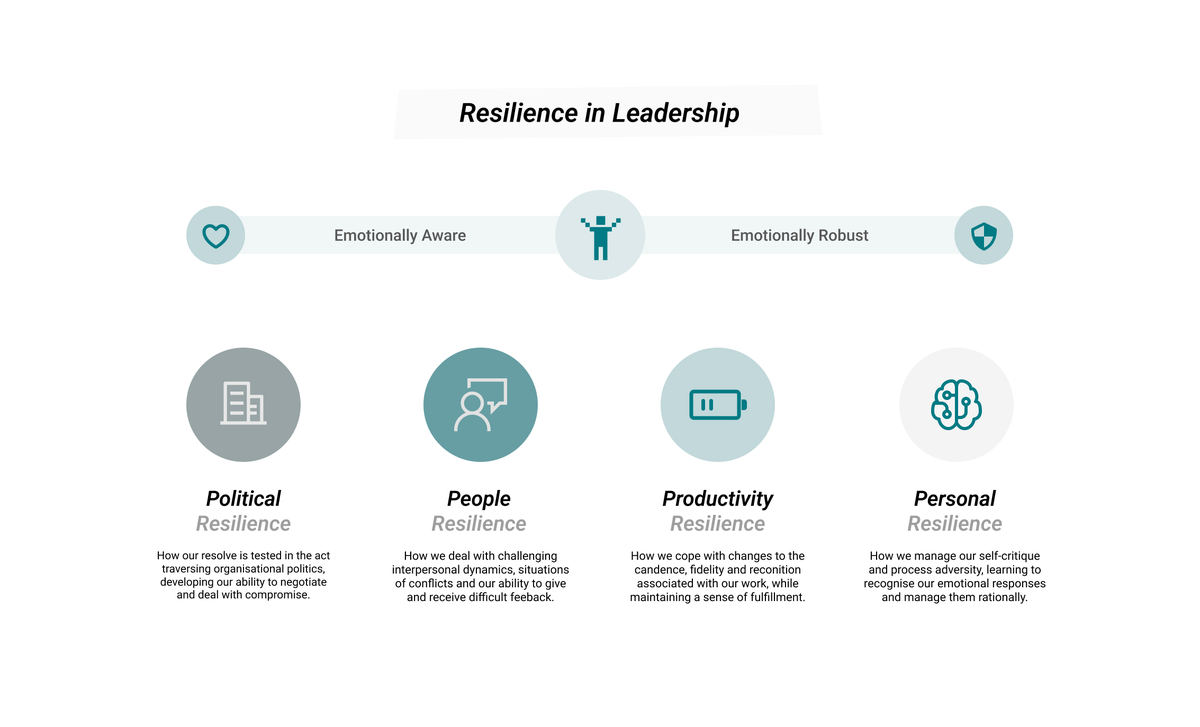
While resilience isn’t something that can be taught, as leaders we can learn to read the signals and situations in which being conscious of our emotional state better equips us to deal with the everyday challenges of leadership.
https://t.co/VWqFOHbJzK
#ux#leadership
🤔DM#12
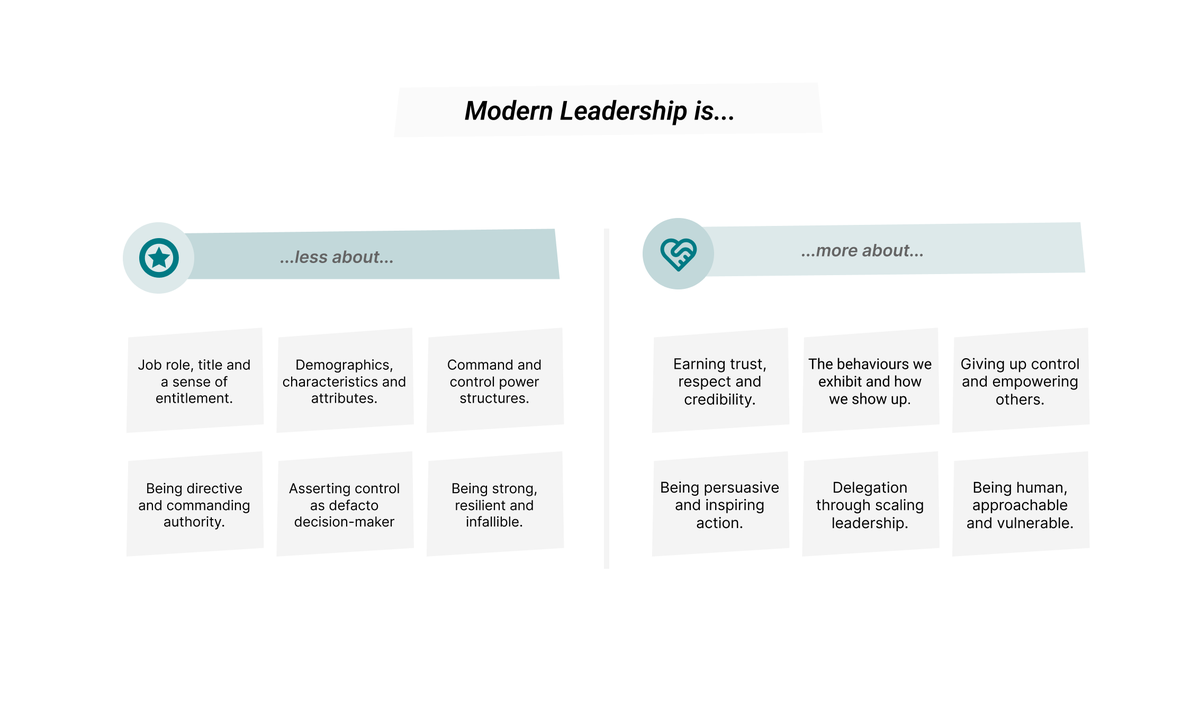
Is leadership a title? Something we are bestowed to recognise seniority? A badge declaring hierarchy in a power-based org structure. Or is it more about how we show up as individuals and the behaviours we demonstrate, that exhibit the qualities of leadership.
#ux
@PolChelpanova Thanks for sharing! Glad to hear this resonated and always pleased to see more folks in the #ux community adopting and applying the #jtbd framework.
🤔DM#11
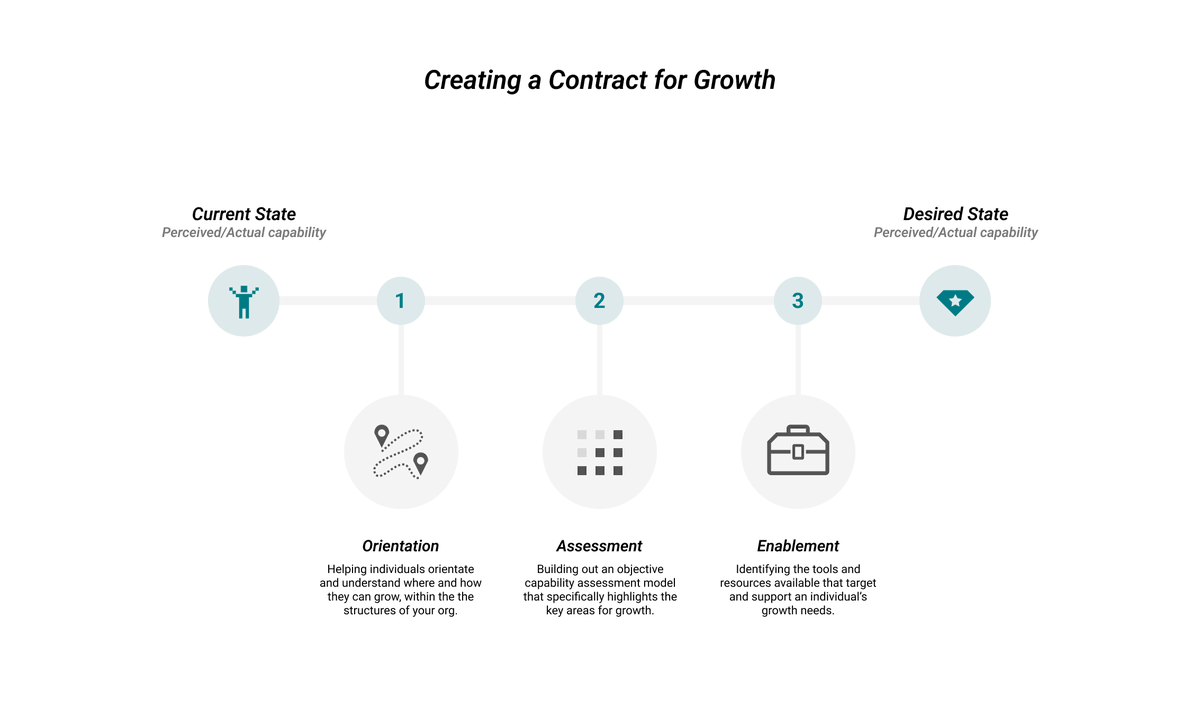
A growth plan is a contracting between design manager and line report. Here, the key is removing the vagueness and subjectivity of development discussions. Instead, ensuring that progression is a systematic process that is explicit, observable and actionable.
#ux
🤔DM#10
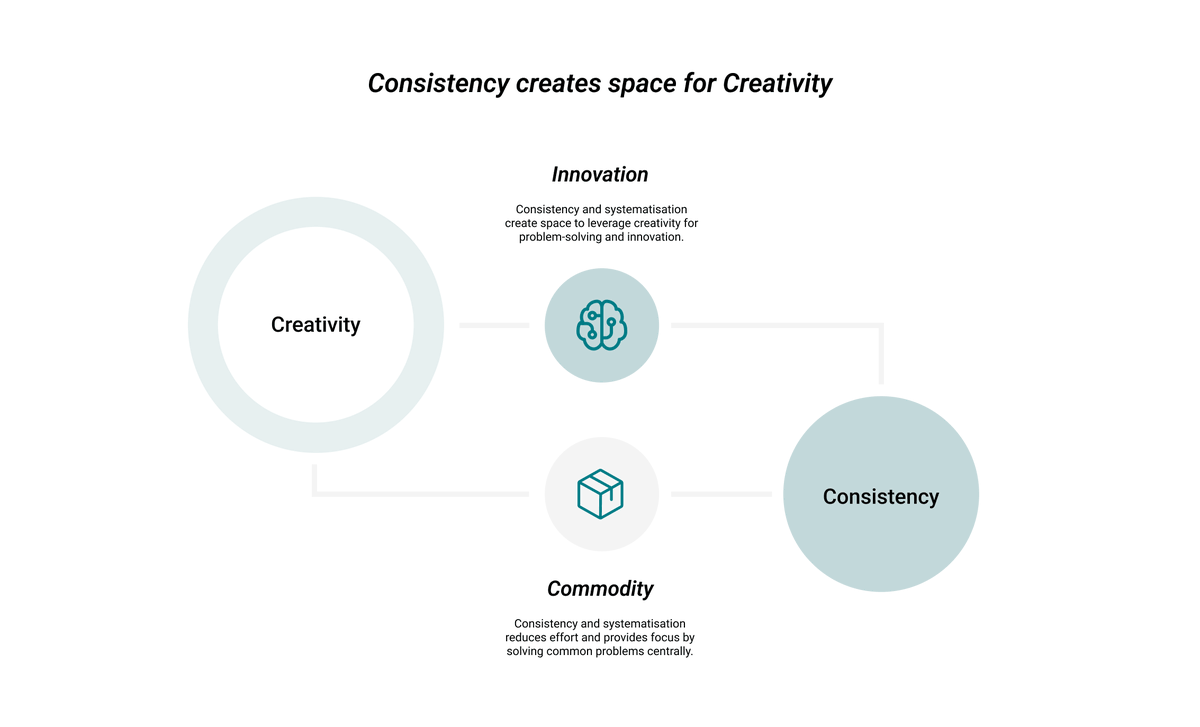
Consistency creates an opportunity to shift the relative focus of our design efforts. Where time and creativity come at a premium, we trade the inputs and outputs that can be reasonably commoditised for higher order problem-solving; creating a space for innovation.
#ux
🤔DM#9
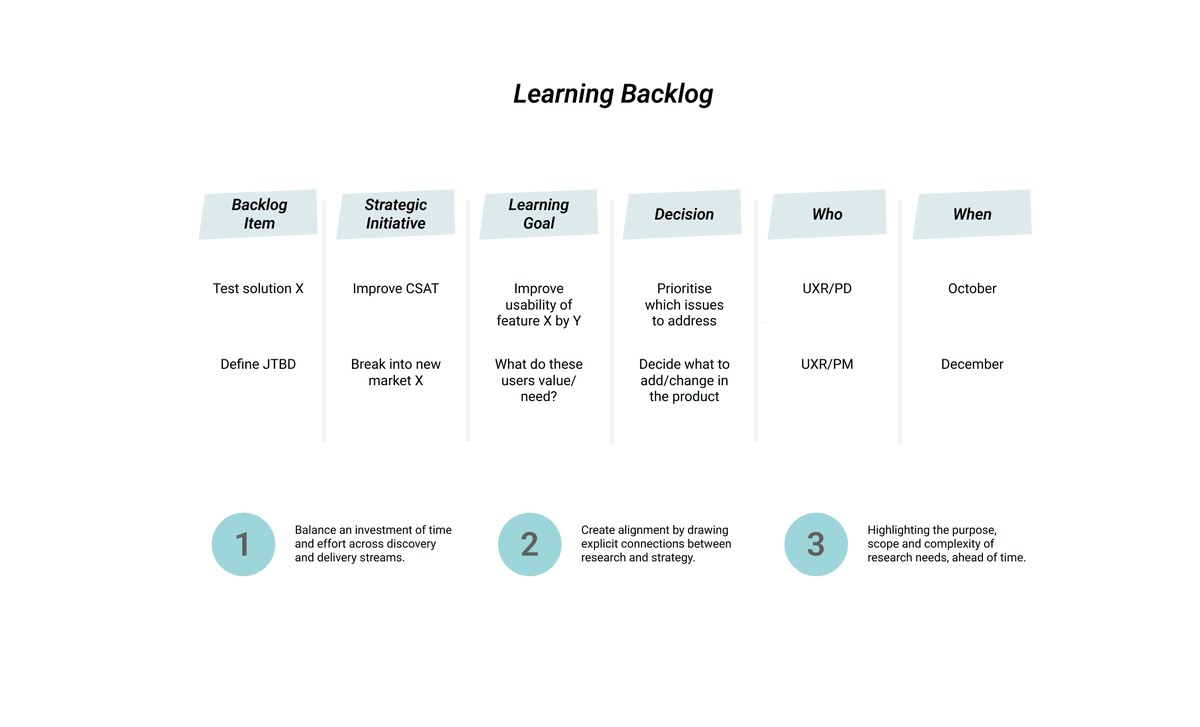
Learning Backlogs help teams to have healthier research conversations by being explicit about their investments in learning. They ensure research is continuous in nature, multi-facetted in scope and drives impact through a bias towards action.
#ux#research
🤔DM#8
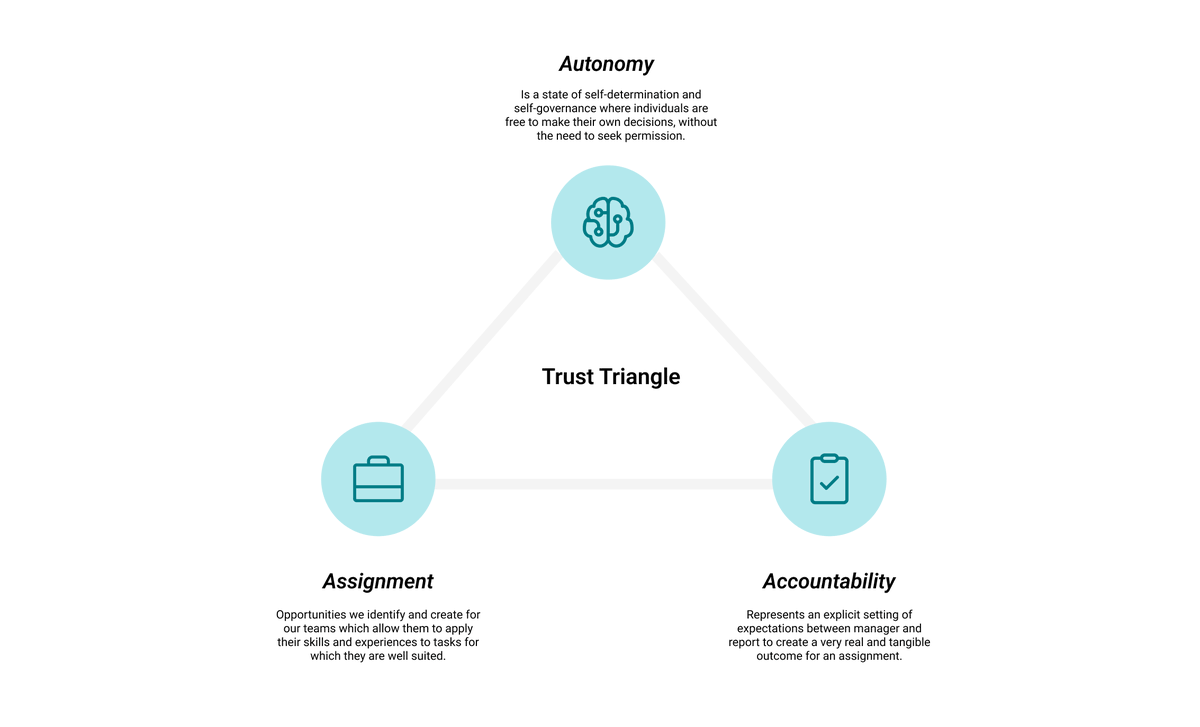
Trust is fundamental to empowering individuals to do their best work. It’s the foundations of any professional relationship and a catalyst for growth. It's a systematic concept that is dependent on a virtuous cycle of assignment, accountability and autonomy.
#trust#ux
🤔DM#7
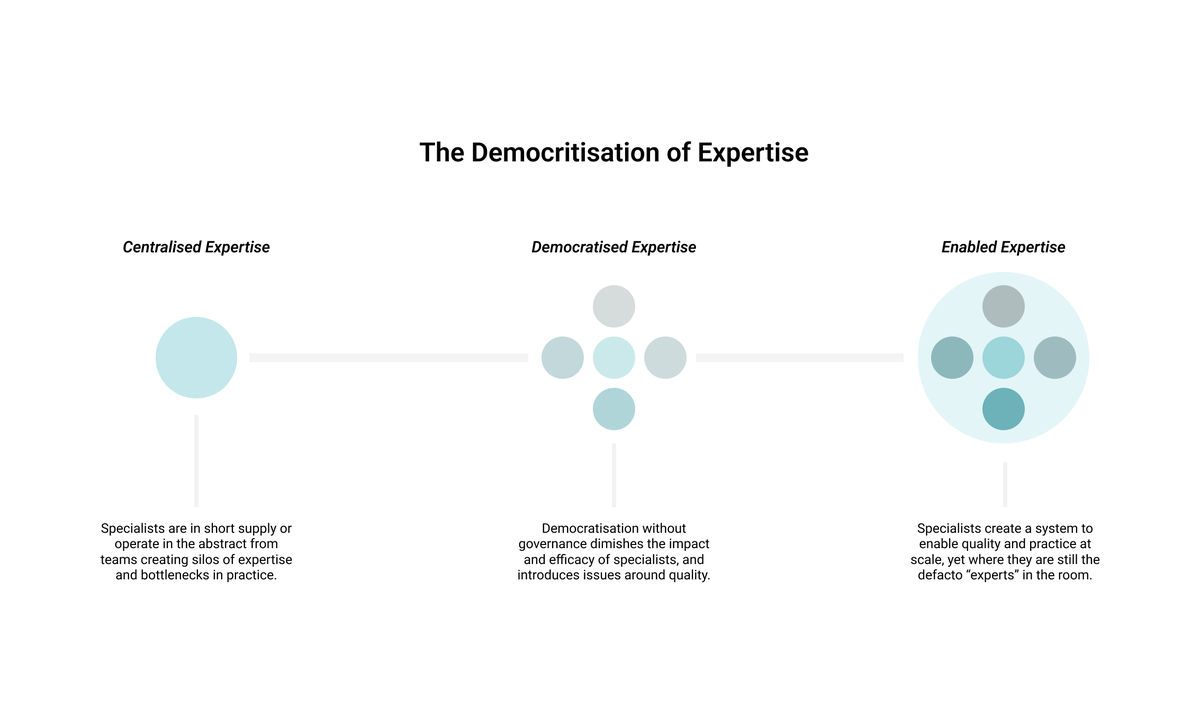
Democratisation, in a design context, is a model for leveraging practice at scale that also seeks to build understanding and empathy for an aspect of craft. But, is democratisation always the best strategy and can democratisation be more harmful than good?
#ux#design
🤔DM#6
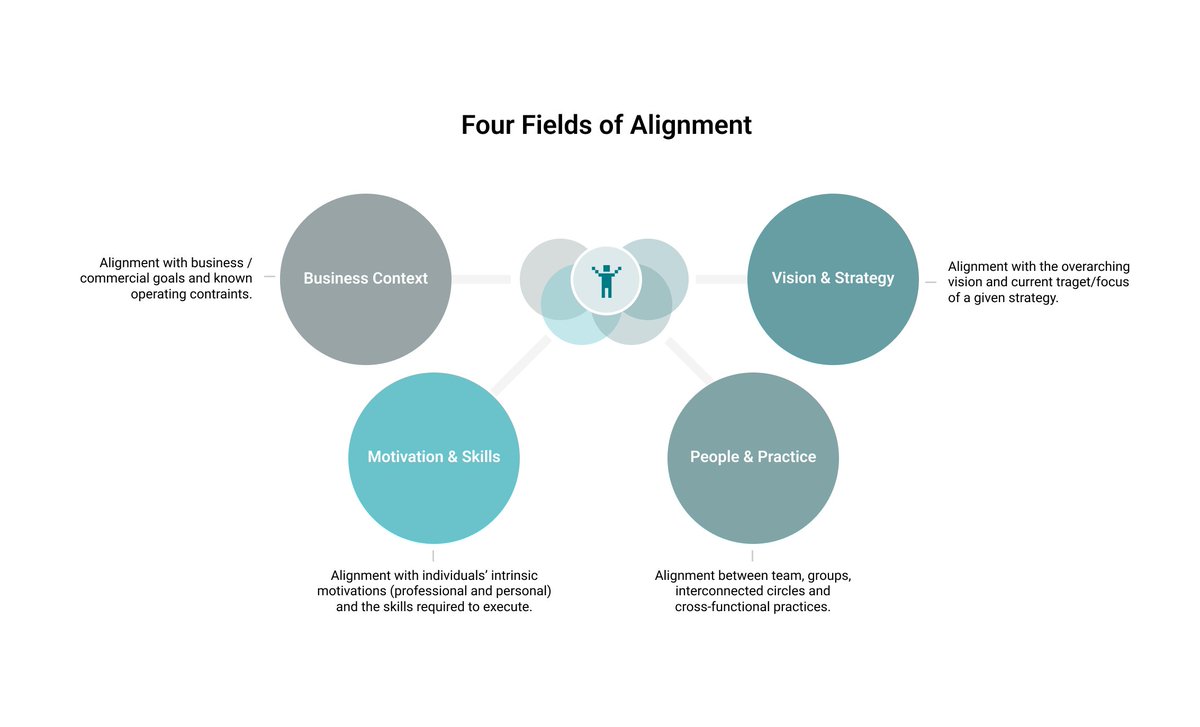
As leaders, we should consider ourselves as conduits for context, where this (context) is a prerequisite to enabling teams to do their best work; reducing - to the best of our ability - systemic and organisational ambiguity.
#designleadership#ux#productdesign
🤔DM#5
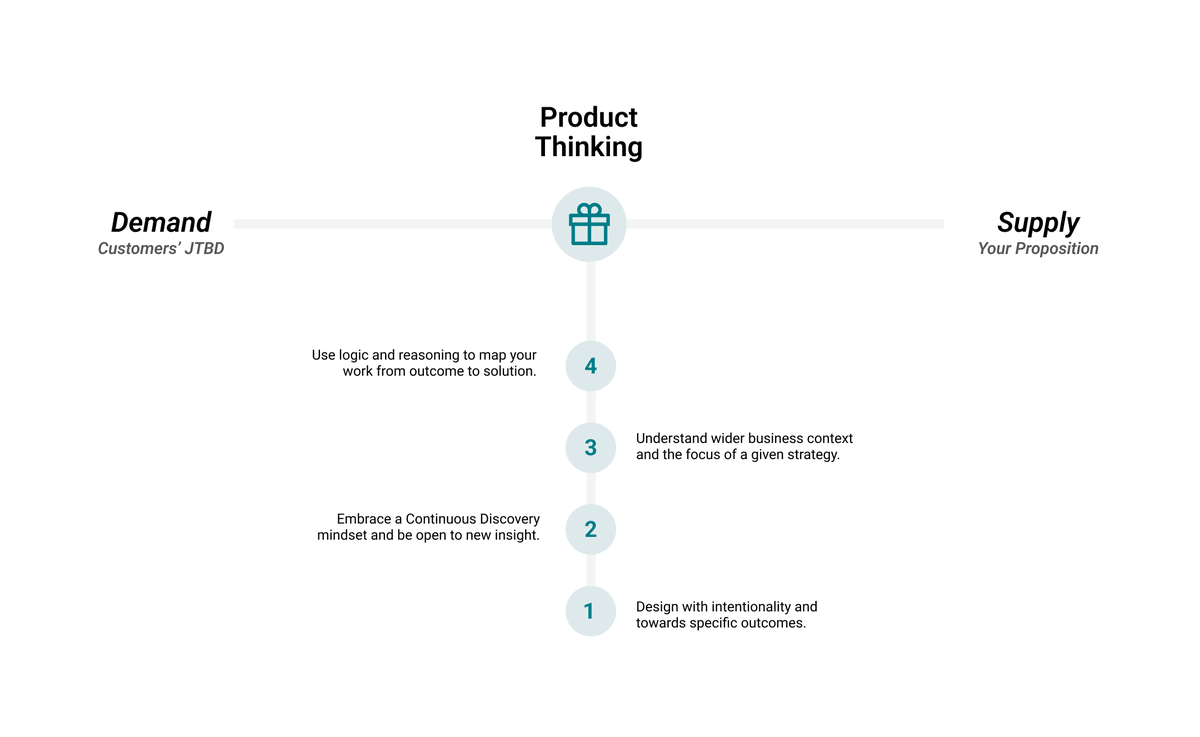
Product Thinking, in a #design context, is both a mindset and approach that seeks to create a bridge between what a segment of a market is trying to achieve, in a given situation (the JTBD), and the offering you provide in response to this demand (your value proposition).
🤔DM#4
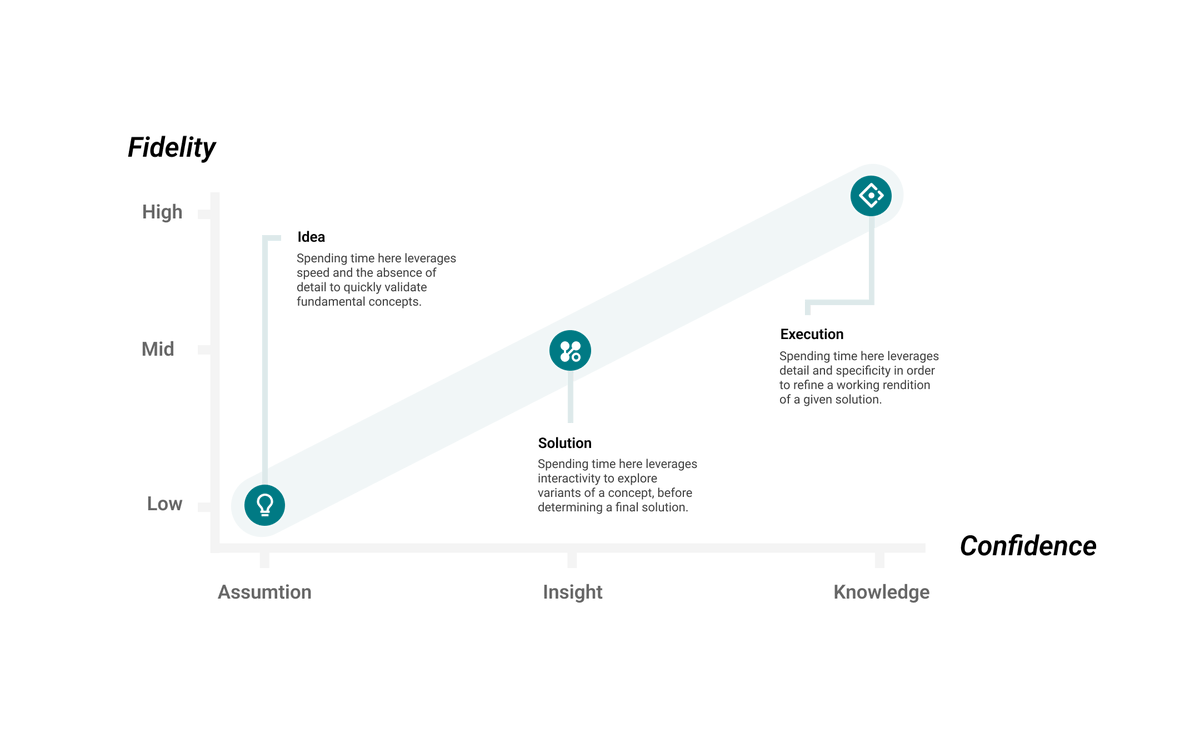
Over time and with experience #designers learn to master the art of using fidelity with intent, moving beyond the mere versioning of our creative process, but rather leveraging fidelity as one of our most powerful tools for creating confidence and clarity.
#ux
🤔DM#3
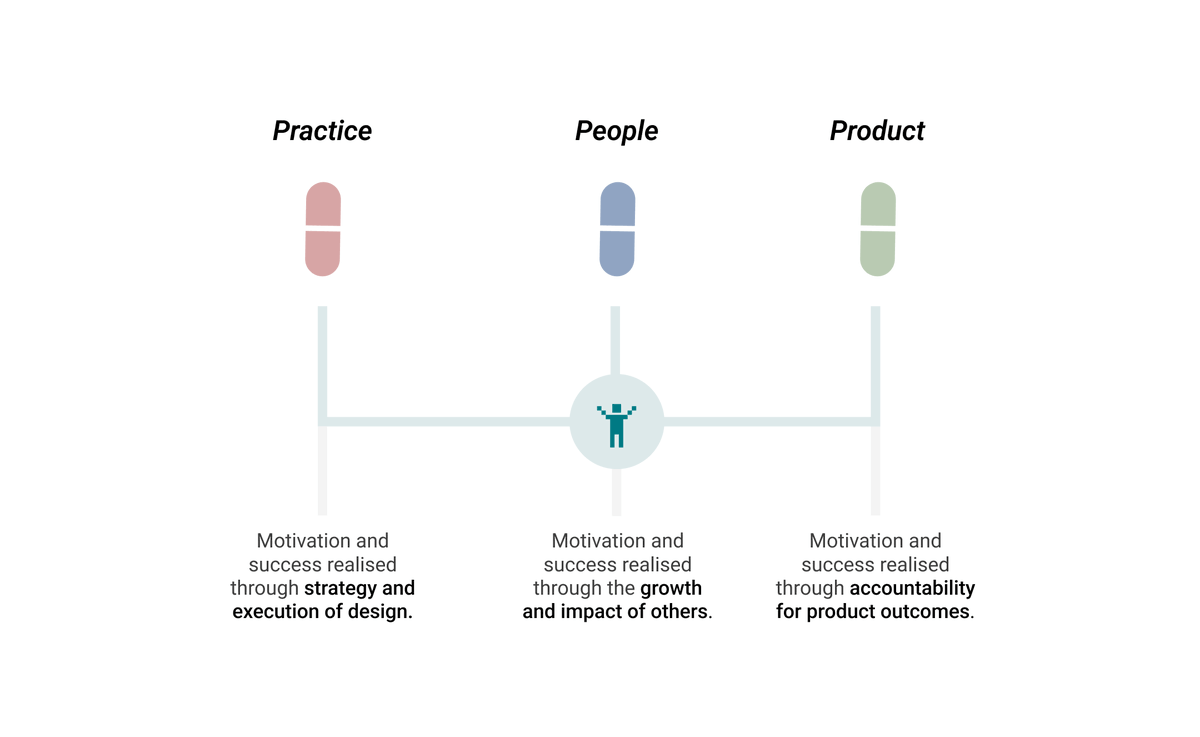
Increasing your influence and impact isn’t a function of management, it’s a function of seniority. Whether seniority comes by virtue of craft, people or product, the common denominator is how you scale impact through influence, in order to to be a force multiplier. #ux
“Design is absolutely fundamental to creating great products and experiences our customers love [...] but it also plays a critical role in [...] value creation and in helping create a sustainable and profitable business.”
—@MatthewGodfrey#design#roi
https://t.co/mJxvBbmxq6
🤔DM#2
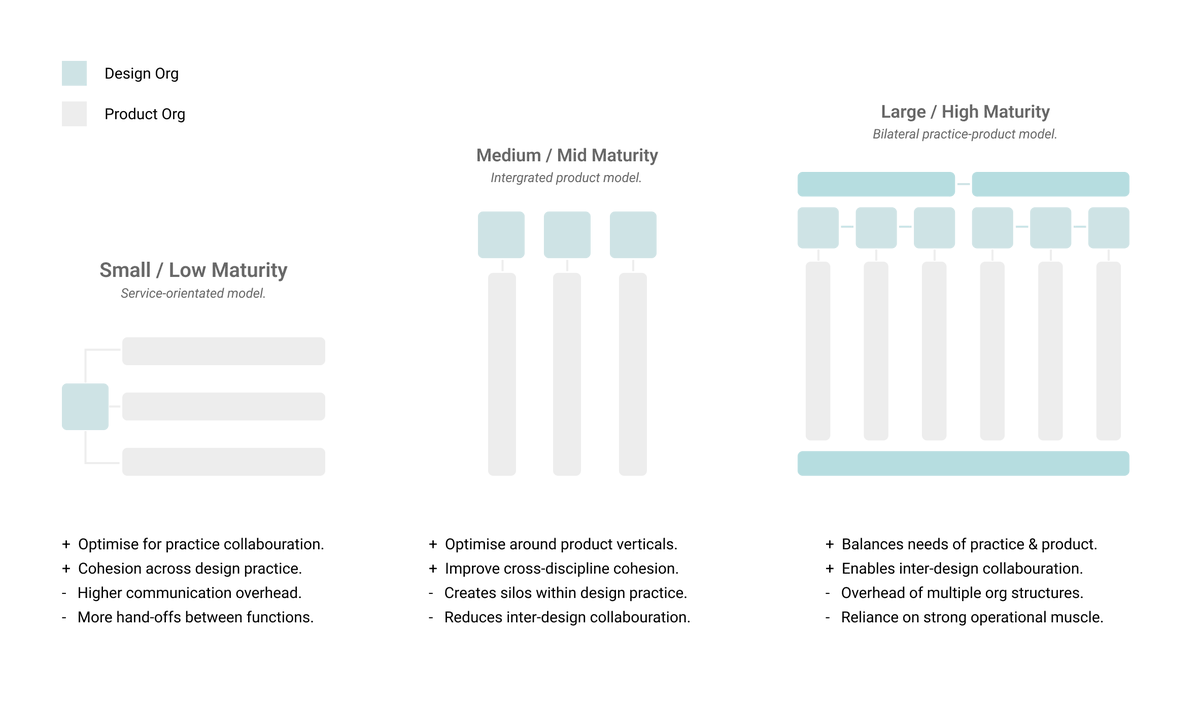
A design org is an evolving sub-system that adapts over time to support various networks (topologies), within a given company, at a given scale, and subject to relative maturity.
🤔DM#1
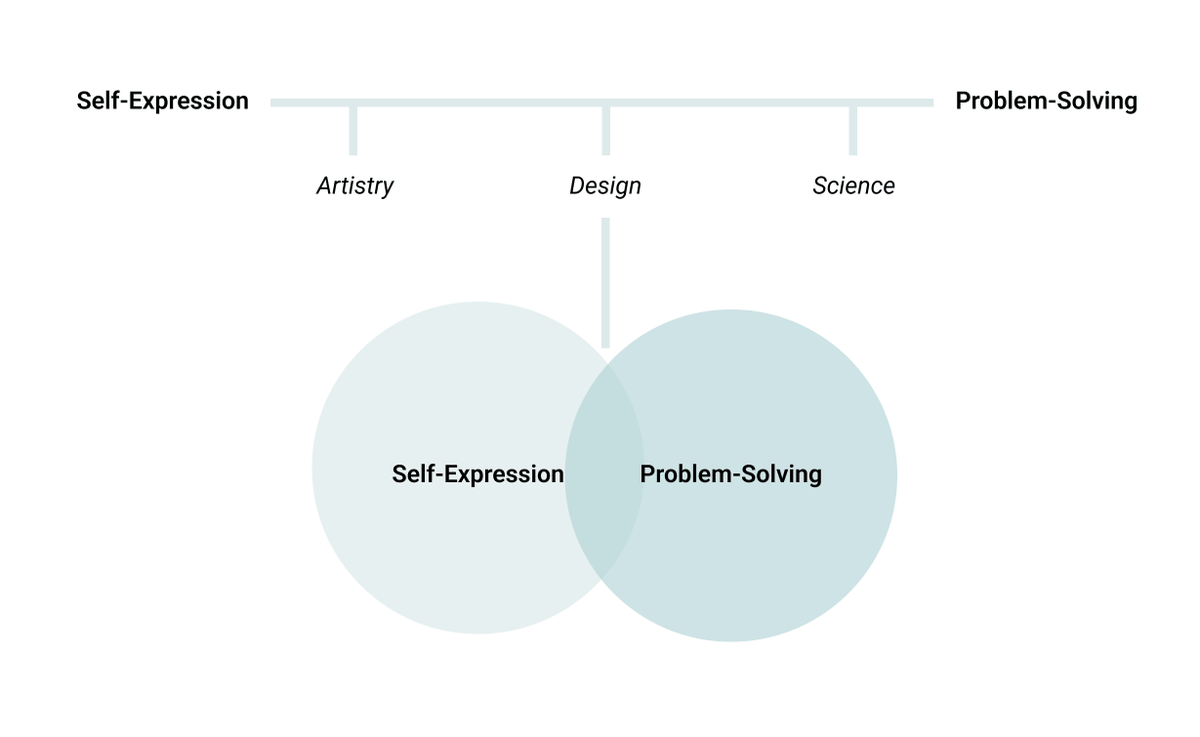
Design is all about intent; specifically, the act of problem-solving within given constraints.
By contrast, artistry is a subjective portrayal of our unbounded creativity.
We are both artists, driven by self-expression, and problem-solvers who enable human outcomes.
Sharing some thoughts on designing for complexity and why embracing complexity is the height of problem-solving.
#ux#productdesign#userexperience#problemsolving
🤔 Complexity isn’t a blocker, it’s the catalyst for great design. https://t.co/mBOuBvNbsj