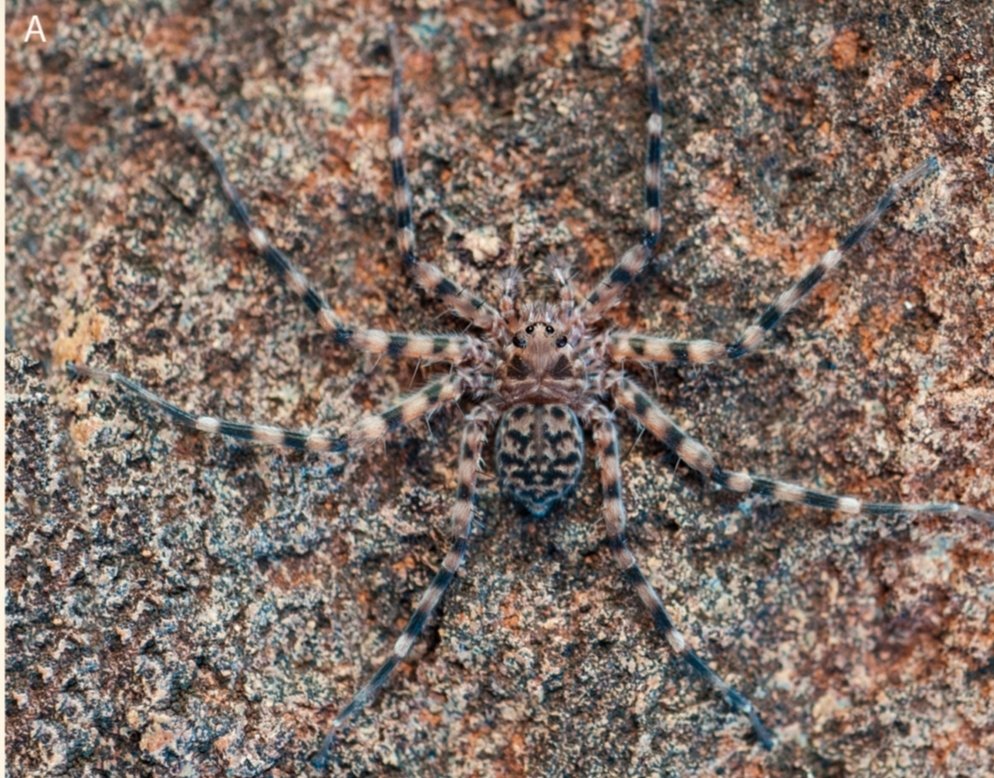
Come work with us at the Center for Comparative Genomics @calacademy . This Senior Lab Tech position is vital to all our biodiversity genomic research.
https://t.co/mtJetDjlqz
Check out Pseudopiazurus on which the phoretic mites are flying first class, each with their own designated place (notice the unsold seats = the empty punctures). Compare that with Zascelis , the budget option, where the mites just pile on. @ColeopSoc @MuseumofNature
Mormotomyia terrible hairy flies are ephydroids, Cryptochetum scale parasitoids are ephydroids and potentially even drosophilids and Braula bee lice are definitely drosophilids. New paper alert!
https://t.co/IW6YVMzmMj
Our new paper in @ConLetters reports distinct trajectories in directly adjacent shallow and mesophotic coral communities, highlighting the urgency to start monitoring mesophotic depths @calacademy@UQ_News#mesophotic#hopeforreefs
🗞️https://t.co/yweh2PE2Eg
Poison! Pollination! Poaching! Paleobotany? YES.
#Cycadology is the study of cycads: an ancient plant that dinosaurs ate, and that people now risk their lives to steal. With the absolutely incredible botanist Dr. @NNagalingum of @calacademy. I love her.
https://t.co/lzEXUSHbaz
This time of year the Los Angeles parrots attack the camphor trees for their small, dark berries
Here’s a Yellow-headed Parrot that was having breakfast-for-one this morning in #EagleRock #90042
Amazing work by Google AI engineers creating automatic classifiers to identify birds in recordings. Significant improvements to the algorithms bring us closer to having functional tools for science. https://t.co/beijuIhmSP #ornithology@googleai@calacademy
Great hike to the highest point on Santa Cruz Island in the Galapagos. Plus a new life bird for me - Galapagos Rail, with @chavecito76 who studies them….
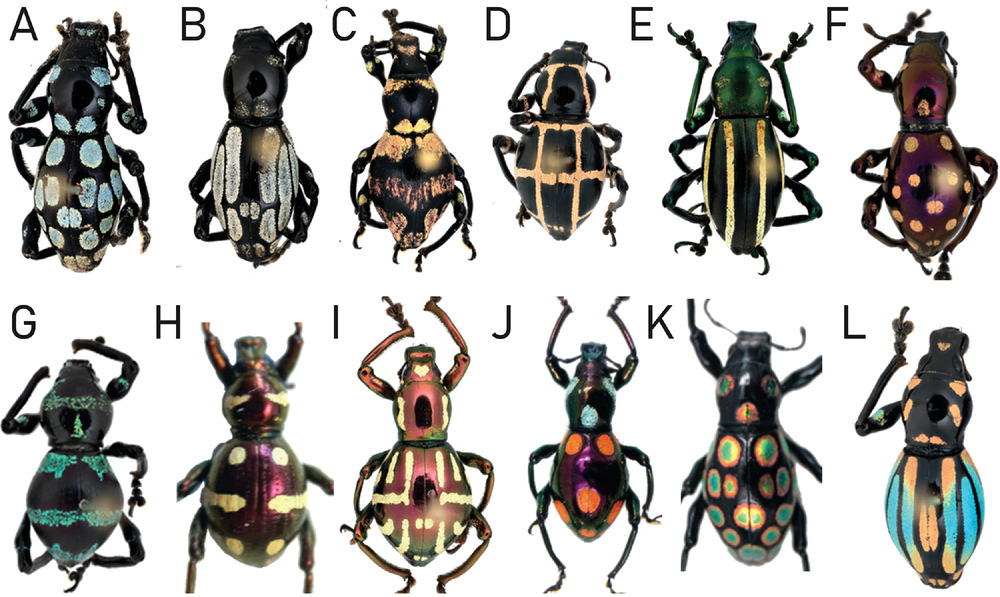
To finish my last #WeevilWednesday this year in BCI: Do you know why weevils have a long “nose”? There are many reasons, but this female Metamasius weevil on a palm spathe will explain one of them (accelerated 8X) 1/2