Brussels is still a polluted, traffic-clogged city, despite improvements in recent years. Let’s not make matters worse by voting for parties that want to reverse these changes next week.
Tomorrow is the last day for non-Belgians to register to vote in October’s local elections. If you care about your neighbourhood, now’s your chance to improve it. Sign up today. It only takes two minutes. https://t.co/6Hkr2kBWo0
Une voix magnifique! Espérons que cette prestation attire du monde dans les salles pour écouter les acteurs du baroque et du classique.
Car c'est cela que l'on y trouve aussi, à l'image de Axelle Saint-Cirel : talent, excellence ... et beaucoup d'émotion
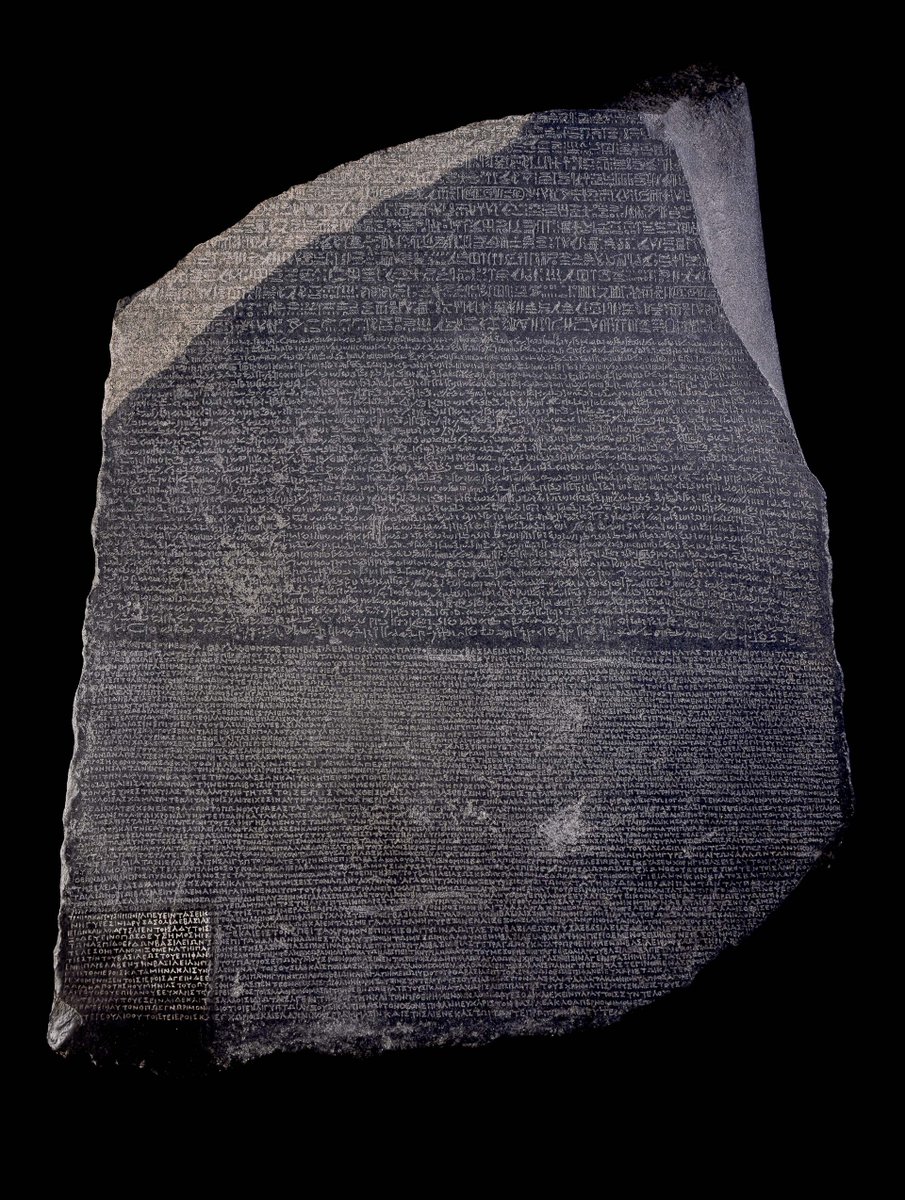
The Rosetta Stone was discovered exactly 225 years ago today — inside the wall of an old fortress that was being demolished.
This is the strange story of the stone that brought Ancient Egypt back to life...
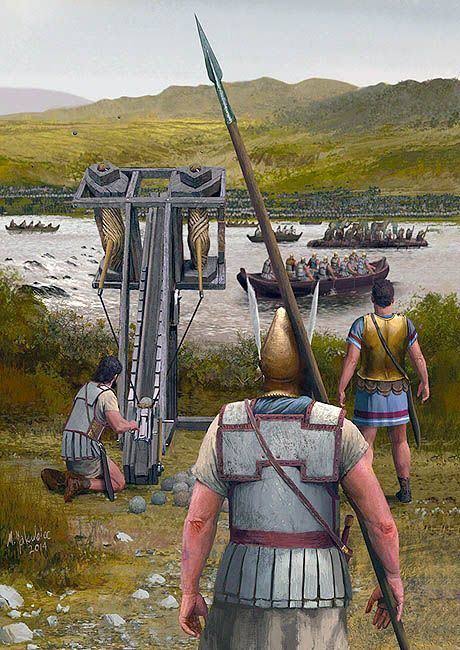
Alexander the Great wasn’t exactly a stranger to warfare. He led and fought in many battles but of them all, the Battle of Jaxartes was one of his greatest. Fought in 329 BC and taking place in the Dyr Darya River, historically known as the Jaxartes, the battle showed off the great Greek leader’s strategic acumen and ability to lead his army against the greatest of opponents. Despite facing the Saka, a nomadic Scythian tribe renowned for their cavalry skills, Alexander's forces triumphed through a combination of tactical ingenuity and relentless determination. This mighty confrontation not only solidified Alexander’s control over Central Asia, but it also highlighted his position and reputation as one of history’s greatest military minds and greatest leaders. Alexander is called the Great for many reasons, and his victory at Jaxartes is one of them.
In 329 BC, Alexander was on a roll. When he crossed the Hellespont back in 334 BC, he had been determined to put himself at the head of the Achaemenid Empire, and he was well on the way to doing so, having already secured significant victories across Persian Empire. He had scored three deadly blows against the Achaemenid Emperor in the form of victories at the Battle of the Granicus, the Battle of Issus, and the Battle of Gaugamela and had effectively dismantled the power structure of Darius III. Now all he needed to do was pursue further territorial expansion into the eastern satrapies. The strategic objective of these campaigns was to secure the northern boundaries of his empire and to preemptively subdue potential threats from the nomadic tribes that roamed these regions.
Alexander had hoped to have Darius in custody at this point but had failed to capture him. Had he done so, later battles, like Battle of Jaxartes might have been avoided completely, as capturing Darius would have likely led to the submission of the majority of his empire. Yet Alexander didn’t have Darius, which meant fighting groups like the Saka. Part of the larger Scythian confederation, this nomadic tribe was a formidable opponent, famed for their mobility and expertise in mounted archery. Despite Alexander’s earlier wins, they posed a considerable threat to Alexander’s hopes of taking all of Central Asia. They had set up shop along the Jaxartes, believing they could halt Alexander’s advance and hold an area strategically vital to the Greek leader when it came to establishing a defensive line against incursions from nomadic tribes and creating a base for further eastern conquests.
As Alexander advanced into Central Asia, his campaigns met increasing resistance from local tribes. After securing Bactria, he set his sights on the lands beyond the Syr Darya River, known in antiquity as the Jaxartes. This region was crucial for securing his northern borders and preventing incursions by the Saka and other nomadic groups.
In summer of 329 BC, Alexander received intelligence that the Saka were gathering their troops near the Jaxartes. Knowing they posed a serious threat; he decided the best course of action was to take them on directly. To ensure his troops were well-prepared for the upcoming confrontation, Alexander established a fortified base on the river’s southern bank. He also constructed a bridge to facilitate a swift crossing, displaying his logistical brilliance.
The Saka, aware of Alexander's movements, attempted to disrupt his plans by launching a series of raids and skirmishes. However, Alexander's strategic positioning and the discipline of his troops allowed him to repel these attacks effectively. By the time the Saka had fully assembled their forces, Alexander was ready to meet them in battle, setting the stage for a decisive confrontation.
#archaeohistories