Systematic comparison of estimates of transcription factor activity by ATAC-seq and multiplexed reporter assays https://t.co/fAT26cHK3T #biorxiv_genomic
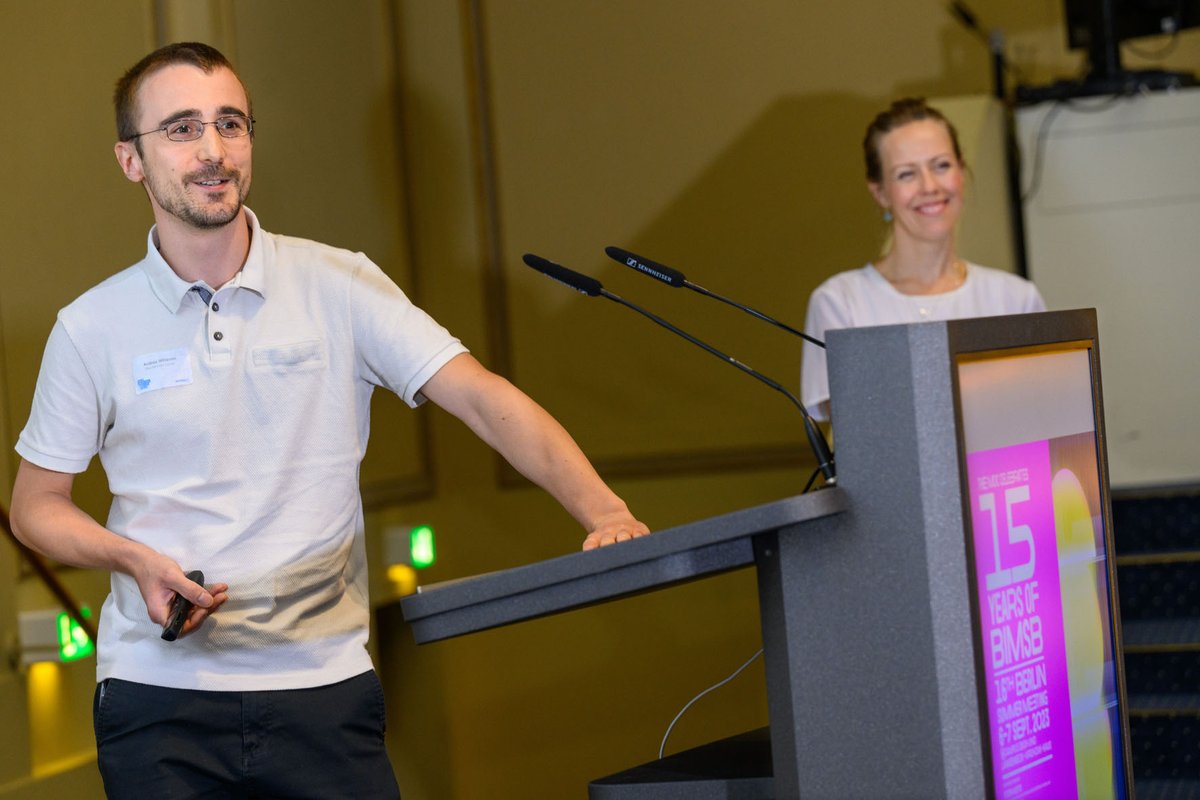
A throwback to last month's 'Quantitative biology to molecular mechanisms' conference – time to introduce the poster prize winners! #EMBLOmics
A round of applause for:
🏅 Max Trauernicht – The Netherlands Cancer Institute
🏅 Ingrid Pelaez Conde – Max Planck Institute for Molecular Genetics
🏅 Honorine Destain – University of Chicago
🏅 Óscar García Blay – Radboud University
Check out their posters and abstracts and find out more about the conference 👉🏻 https://t.co/F4cdyVlBor
Have you ever wondered about how the genomic position of regulatory elements impact their functional output? Check out our latest pre-print from the @bvanssteensellab. https://t.co/uSkdNRbTIK
Finally, the preprint of my main PhD project at the @bvansteensellab is out! Check out how we identified optimized reporters for 60 transcription factors and what insights we gained in the process:
We identified a complex network of proteins that regulate MMEJ:NHEJ repair pathway balance in a chromatin context-dependent manner. With impact on cancer genomes. Paper is finally out: https://t.co/rRZOqZdFG0
... and we used our platform of 19 chromatin-integrated pathway reporters to probe context-dependent effects of epigenetic drugs on Cas9 editing: https://t.co/ra0DT02TFT
The first preprint of our PERICODE consortium: MPRA-trained deep learning provides insight into the regulatory logic of promoters and transcription factors. https://t.co/wDl1X9IPjW
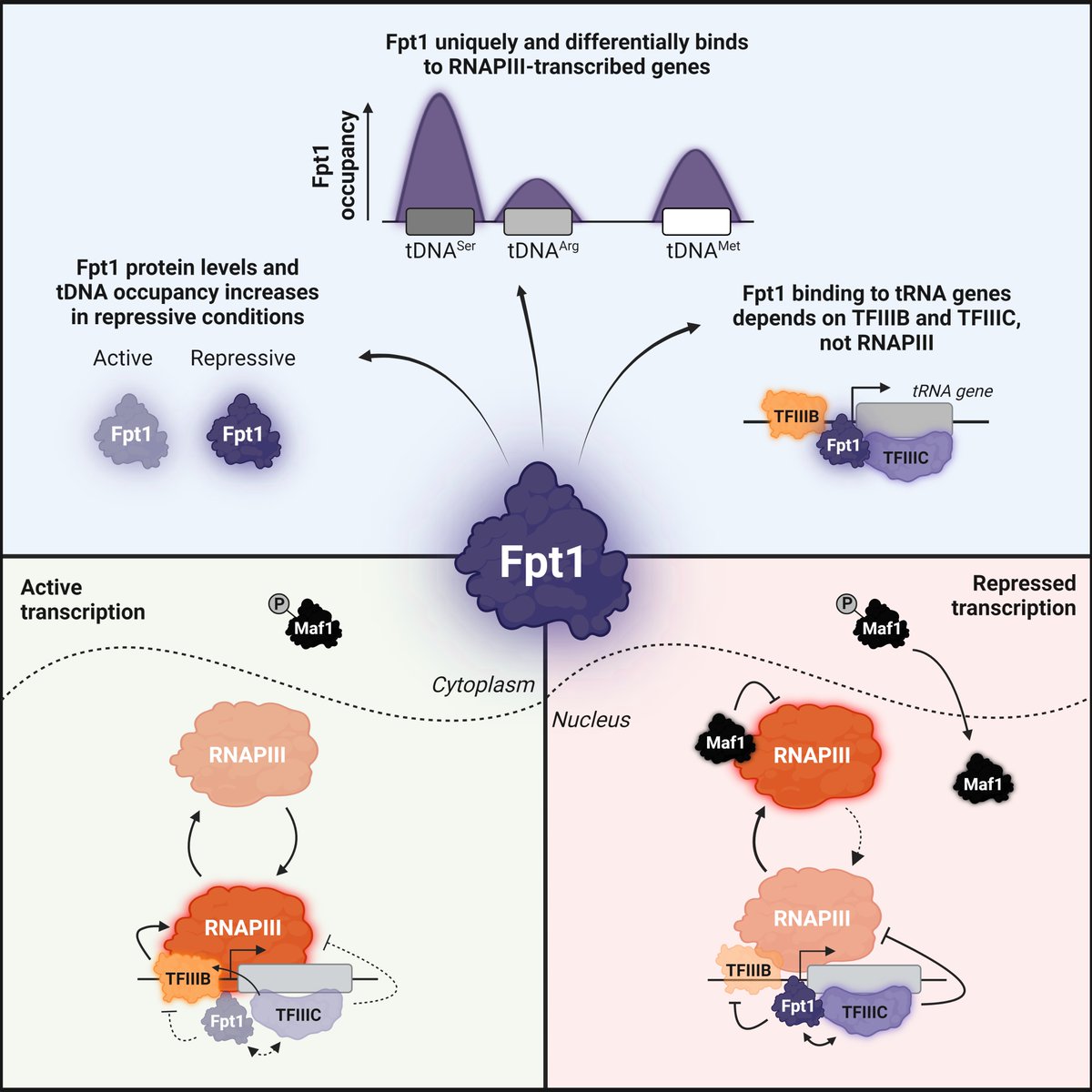
Our publication about Fpt1, an RNA polymerase III regulator in the proteome of tRNA genes in yeast, is out in Molecular Cell! A collaborative effort of @NKI_nl, @ThePughLab and @KevinVerstrepen lab, using Epi-Decoder for locus specific proteome decoding. https://t.co/qUl7vz1D1R
I am very excited that my PhD work with @bvansteensellab and @HarmenBussemkr is now online @NAR_Open! Check out how we used massively parallel reporter assays to systematically review synthetic TP53 response elements to create highly active TP53 reporters: https://t.co/bUd4vGPvjc
New preprint from our lab: E-E-P massively parallel reporter assay to understand how signals from *two* enhancers are integrated by promoters: https://t.co/dP7RaH2QwX
I am happy to share some exciting work that @rschep & I started back in 2018 at the @bvansteensellab. Check out our new pre-print to learn how drugs modulate #CRISPR editing and how their effect depends on the chromatin context of the cut site: https://t.co/4Wrokq4y91. A 🧵:
8/8 If you're designing a CRISPR experiment and want to boost the efficiency: Check out the full pre-print to find out which drugs can be used to modulate CRISPR editing outcomes in the chromatin context around your target site.
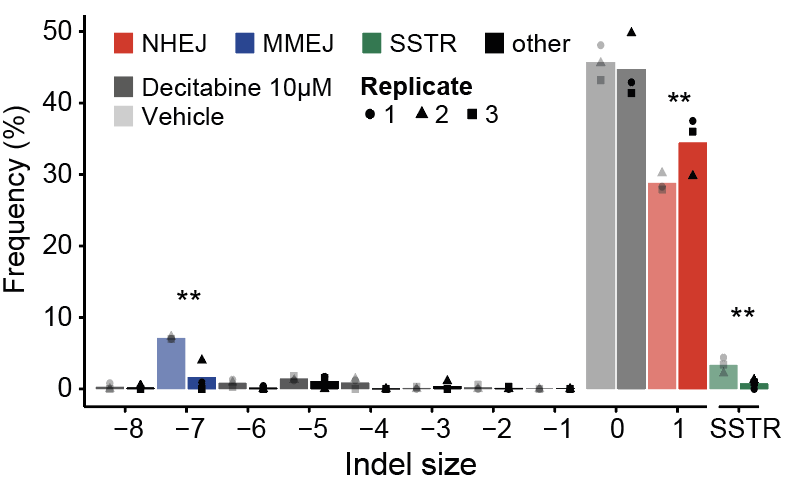
7/8 The strongest hit was the DNA methyltransferase inhibitor Decitabine. We found that this drug not only efficiently blocks MMEJ, but also inhibits another resection-dependent repair pathway: single-strand template repair (SSTR).