There also a lot of other things..
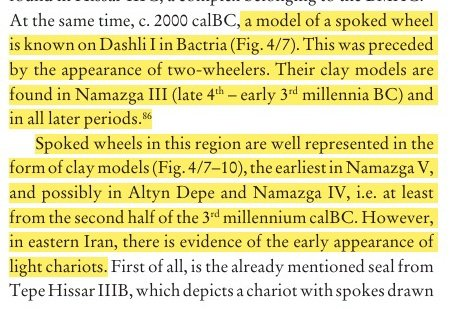
Like Sintashta inventing "spoked wheel"
And all with some broken wheel "imprints"
If one can take imprint has an evidence for that large cliam
There are literally evidences of spoked wheel, direct depictions with vehicles. Predating core Sintashta itself
So many things like this
@Tatsuya9JP @Tammax2y1lj @_piyushchavda15 @KarPritam39929 Regarding that "summerizing and alternative exaplnation" for a model.
I'll do it. Thank you
And to just clarify. I do not have anything against you personally
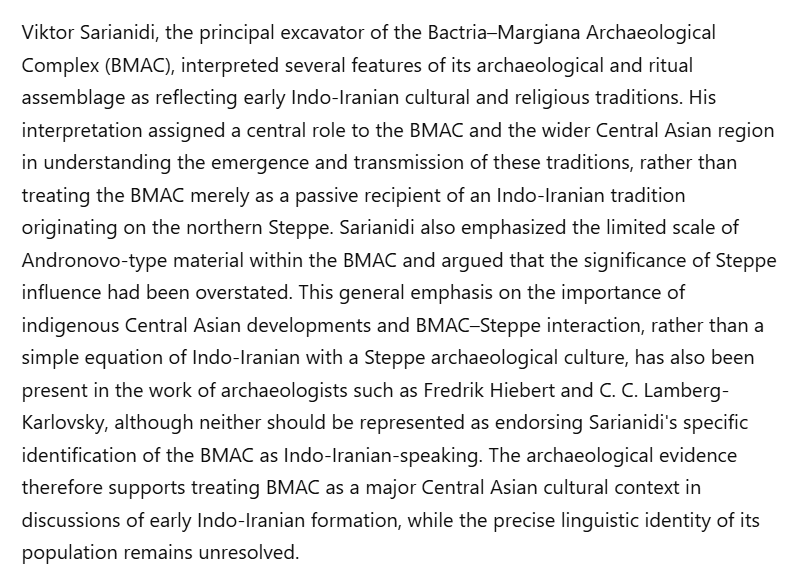
@lihkin_nyc@Ugra___ Heggarty directly claimed Iranic, Indo-iranian evidences in BMAC and many archeologists who studied BMAC have supported the same. Why dont you read papers instead you larp on castes
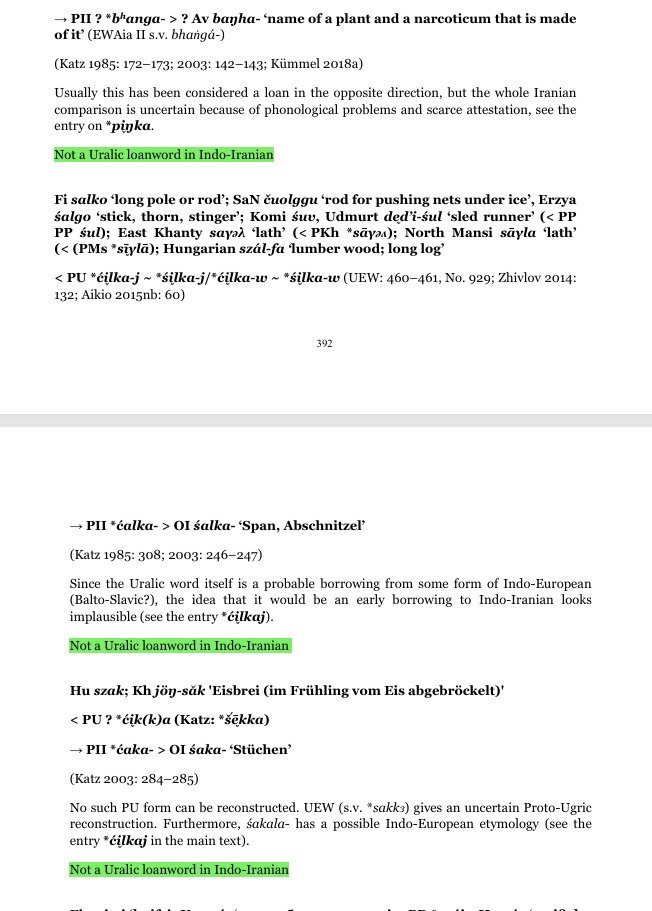
Latest papers from University of Helsinki scholars and others have already shown that majority of Indo-iranian loans in Uralic are late Proto-iranic words.
they have also said only Indo-Iranian loans are in Uralic and not vice versa. So Indo-Iranian came from other place to Uralic region
There is no evidence Andronovo related "aryan" words despite its interaction with Uralic region
scholars input that uralic argument can't be used for supporting steppe
https://t.co/C9KgtIvCu0
This is already falsified by latest papers. University of Helsinki scholars and others.
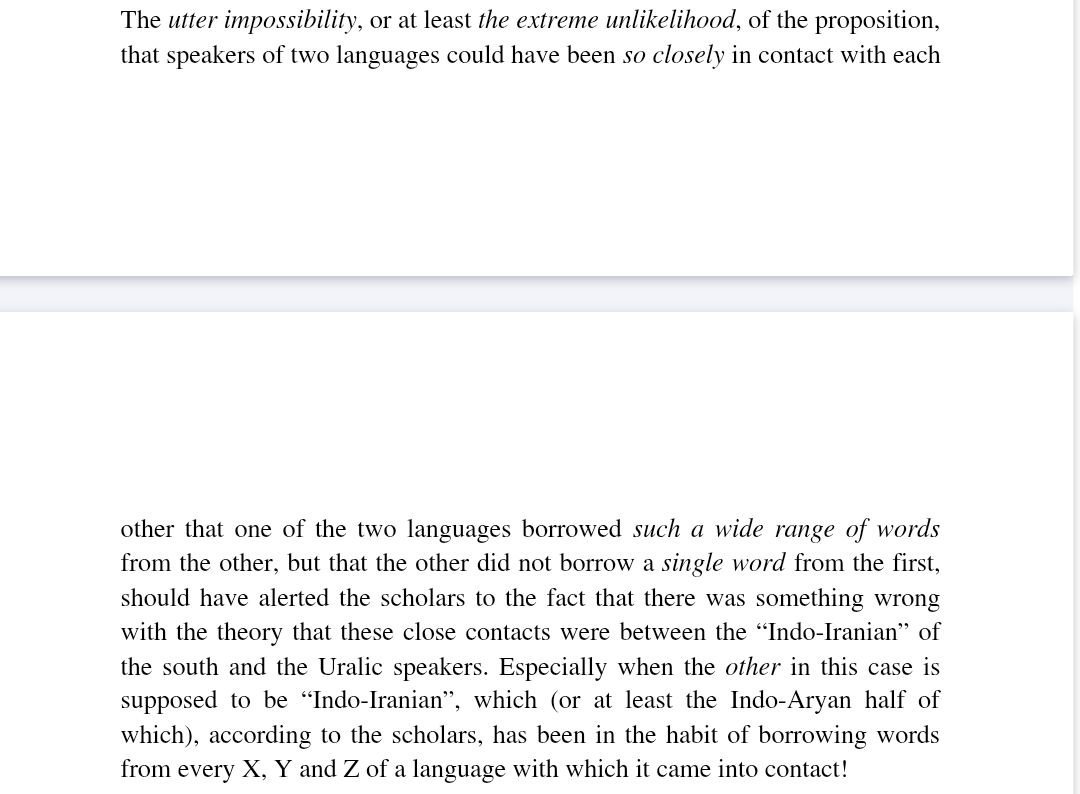
"all the borrowings are in only one direction: from "Indo-
Iranian" to Uralic, and decades of intense, diligent search have failed to yield a single credible borrowing in the opposite direction: i.e. from Uralic to "Indo-
Iranian"
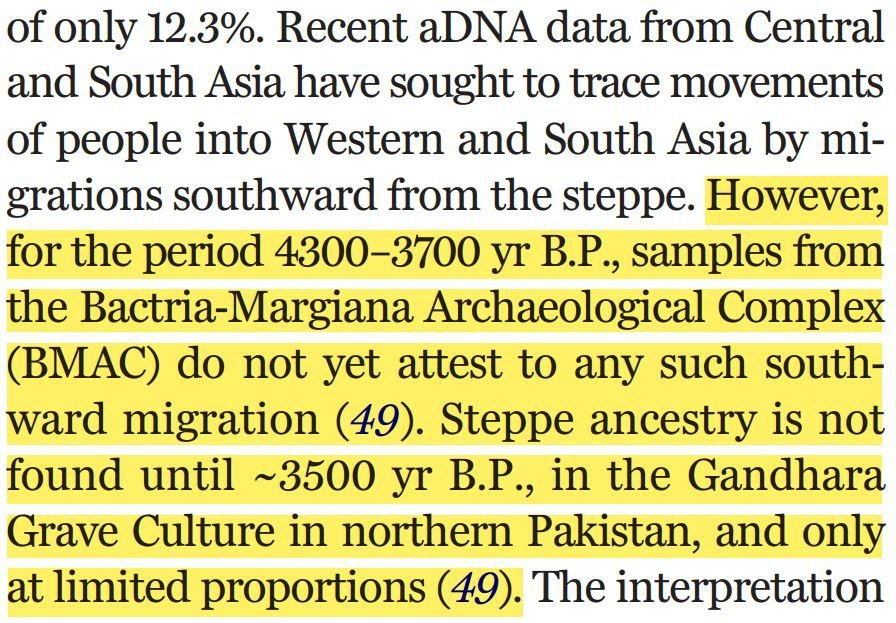
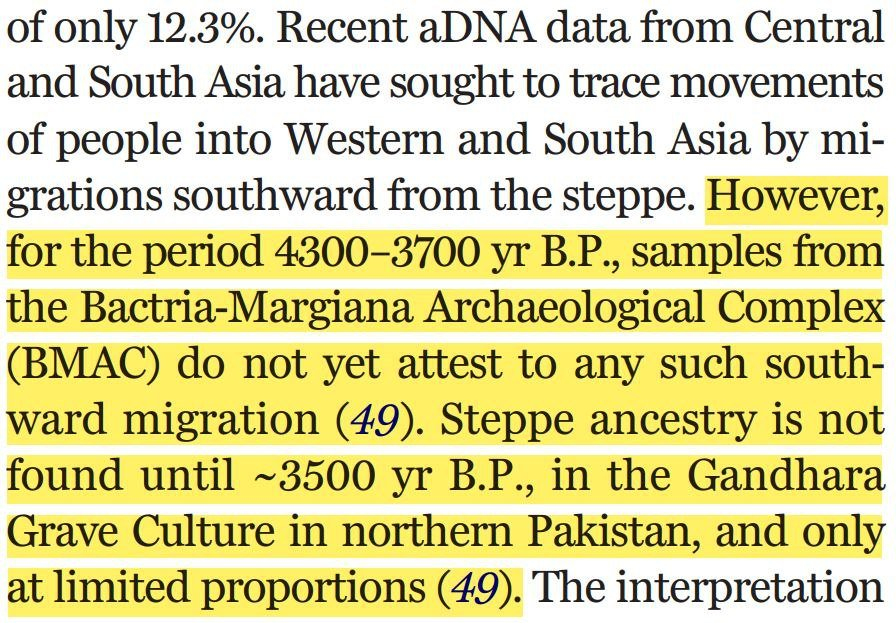
@Tatsuya9JP@Ugra___ directly from multiple papers. BMAC main clines had no steppe ancestry. Samples did not show southward spread 2000-1700 BC. BMAC genetically has no link to south asians.
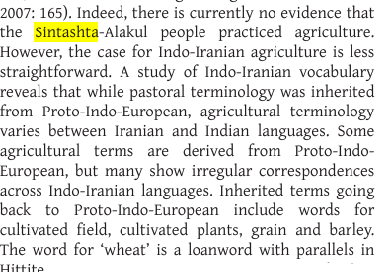
Agricultural terms are there in Proto Indo-iranian itself. Which makes is absent in Sintashta
@Pingui255111@trasadasyu_@Ugra___ Ghandara is post 1500 BC. in your so called aryan migration timline. Its inside south asia and has no male mediated steppe. Ghandara is literally Indo-aryan speaking group lmao
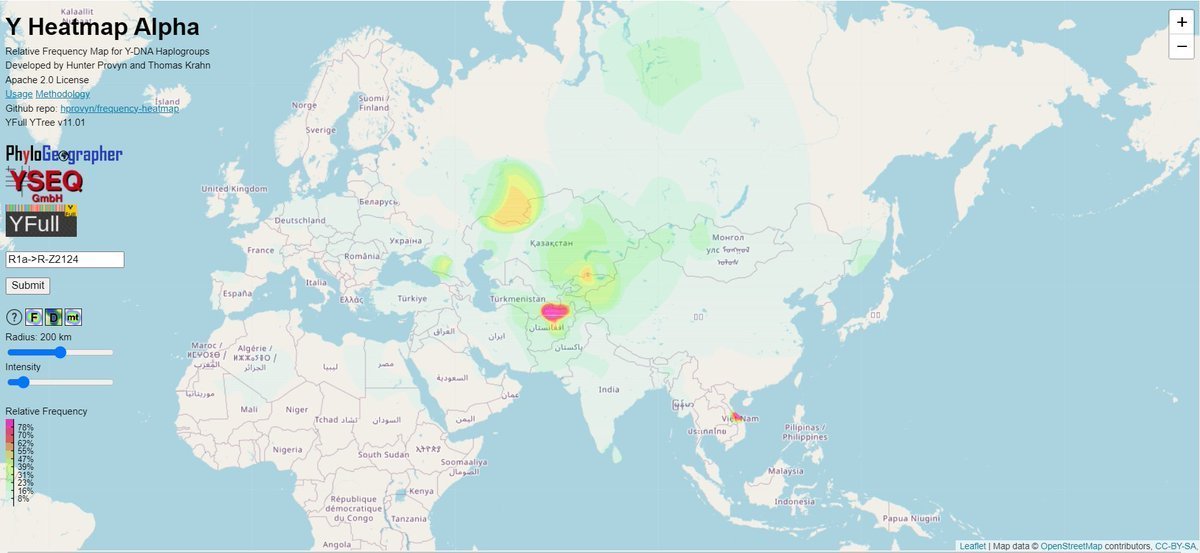
No co-relation is there. Sintashta/ Andronovo R1a clade is not even significant in Iran and India. almost absent.
1200-300 BC samples in NW India. Had no steppe male R1a ingress. Not even 3-4 samples in 1200-300 BC out of 80+ samples
Paper itself directly quotes it. Indian R1a clade is not even ancestral to Sintashta clade
Steppe Y-dna does not mean aryan. Basques and Ancient Etruscans had 80%+ Steppe Y-dna but they dont have IE language
@Tatsuya9JP@iosif_lazaridis Steppe theorists purposefully ignore to talk about R1a specific subclades and then pretend to make dumb arguments about R1a in India.
R1a L657 in India has absolutely nothing to do with any migration. Prove me wrong.
Show me a single L657 sample outside India in ancient steppes
@Pingui255111@Ugra___ The only ancient samples we have show female mediated Steppe. There are no other ancient samples. And the R1a in India is L657 which is a sister clade to the Sintashta R1a clade.
It's not found anywhere in Steppe and spread through a founder Effect, not AMT
Try to do better
Mallory, the FATHER of the Steppe hypothesis (you can't go more "mainstream scholarship" than him) himself has always acknowledged throughout 3 decades of his career the dearth of archaeological evidence for the entry of Indo-Iranians into India & Iran in the 2nd millennium BCE
The words show native Indo-Iranian links.
Rice (vrīhí) is a Wanderwort with broad Iranian cognates (brinj, wriže etc.); PD *wariñci is related but direction disputed and Mayrhofer skeptical of Dravidian as source.
Wheat (godhūma) is Proto-Indo-Iranian *gantuma- from Near Eastern roots, with Avestan/Persian matches; not Dravidian.
Millet terms are also native to Indo-Iranian. The Reddit claim overstates one-way Dravidian loans.
@Polymarket What the fuk? Hey chink fuker! They didn't rename shit! They only properly recognized the existing places!
Rather it's the chinks, who renamed or made-up names for territories inside India!
Lmao. retard using reddit. "male mediated"
even by steppe reports raw data. 1500-300 BC NW south Asia (samples 1200- 300 BC)
Only Large female mediated steppe was there. The male mediated evidence is not even there 500 BC.
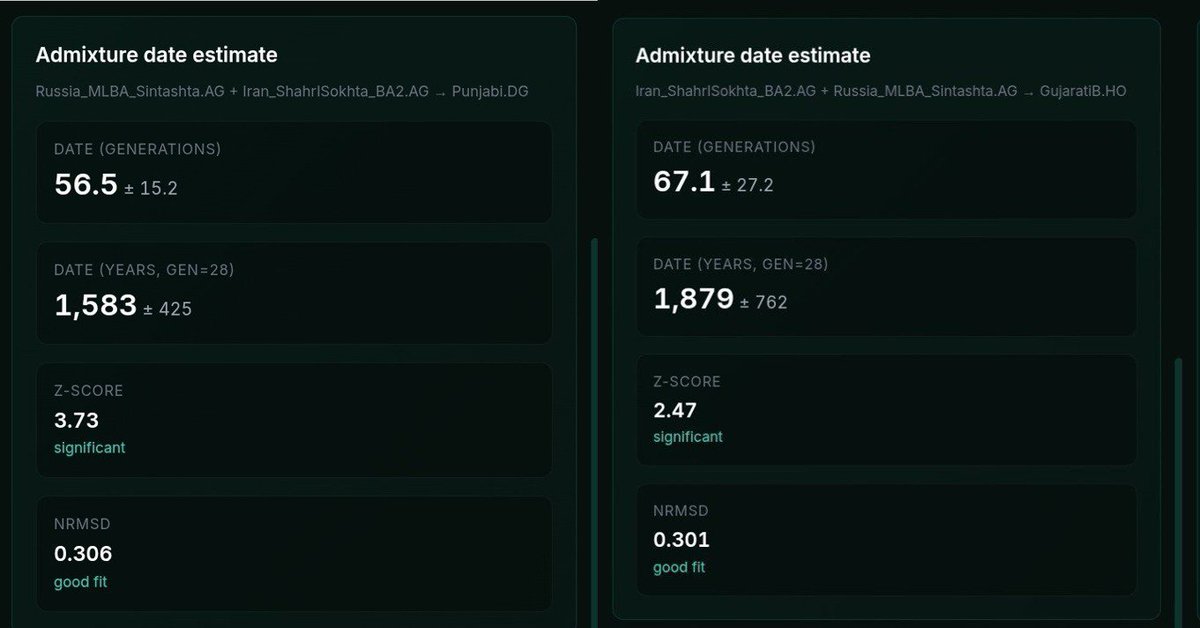
Male Steppe admix in major modern Indians is post 600 BC and goes even later for Punjab, Gujarat
(Dates by ALDER, CAMer) scholarly used tools.
Admix dates are largely showing what ADNA shows (early female mediated admix)
@anand_011235@Ugra___ your whole arguement is "mainstream saar, so its right saar" Lazardis paper raw data itself shows Majority south Caucasus neolithic and Tutkual.
you dont have brain to analyses stuff
you are definition of "My belief is right and others are wrong"