💚❤️Mayo, pharmacist, science nerd, David Attenborough groupie, chronic/invisible illness advocate. If I were a cat, curiosity would have killed me by now.
I am selling 2 verified tickets for Fran Lebowitz on 3 November 2024 at Bord Gais Energy Theatre, Dublin via Ticketmaster. Interested?
https://t.co/3FcuYmhIAJ
Beautifully put re rights of people with disabilities in Ireland and Irish governmental failures: “Indeed, it's difficult to imagine that the UN will unearth some unknown issue that is not already glaringly obvious.” 👌
Séamus Hickey lifts the roof of the Generator in Smithfield with my arrangement of O’Carolan’s Concerto! 🎻 Catch the Ricciotti Ensemble on tour in Galway and Cork this week 🚌
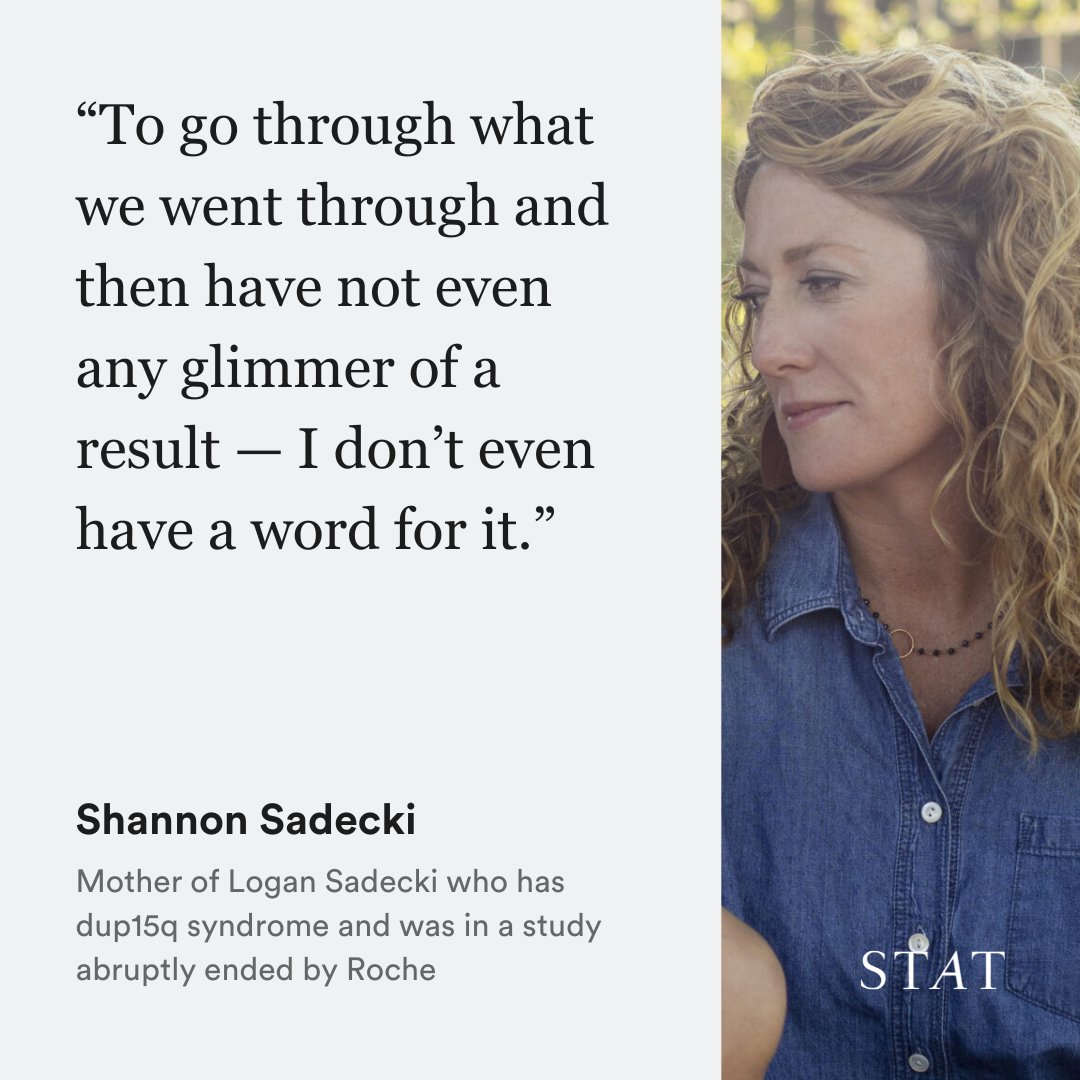
Families were looking forward to Roche's rare disease trial. But the company abruptly terminated it citing “trade-offs made … to increase the overall portfolio value.” Read: https://t.co/34xN6II1Ed
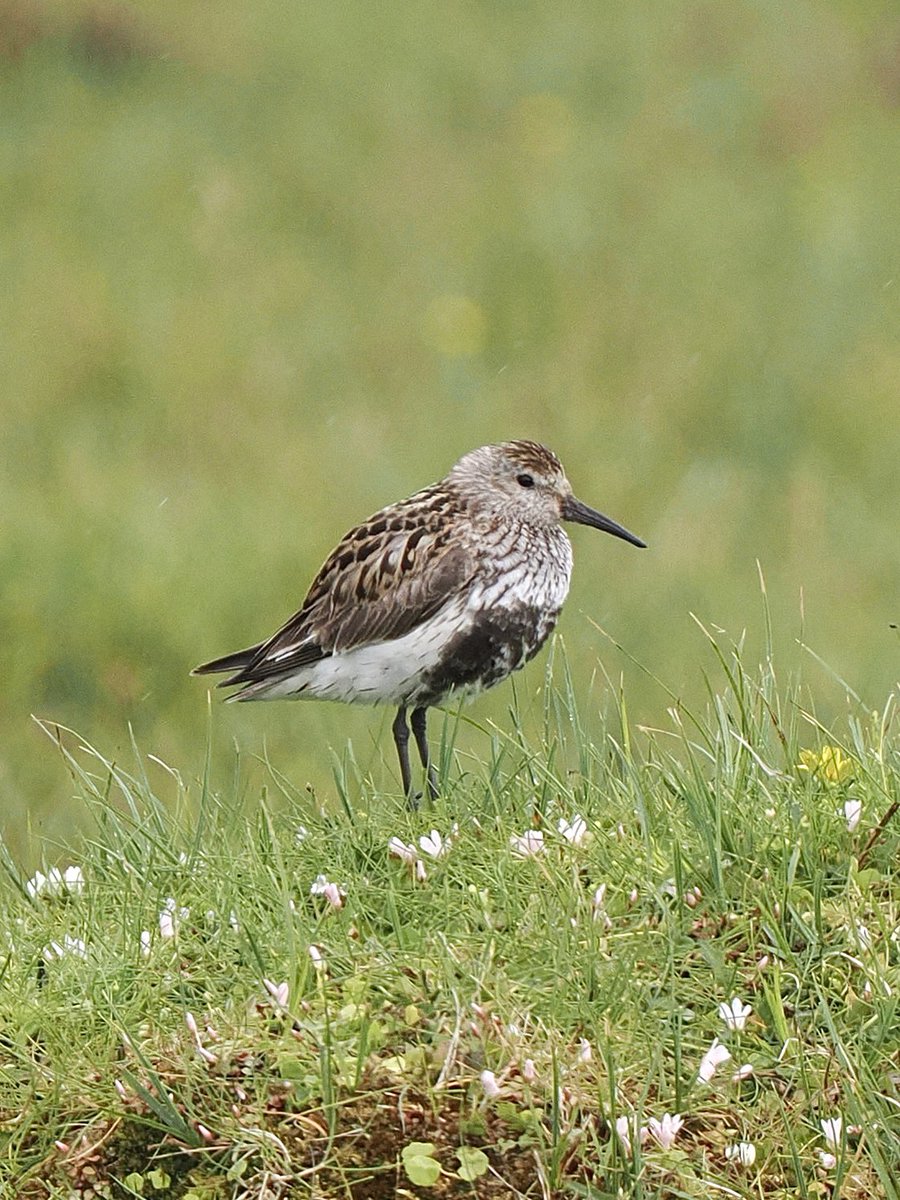
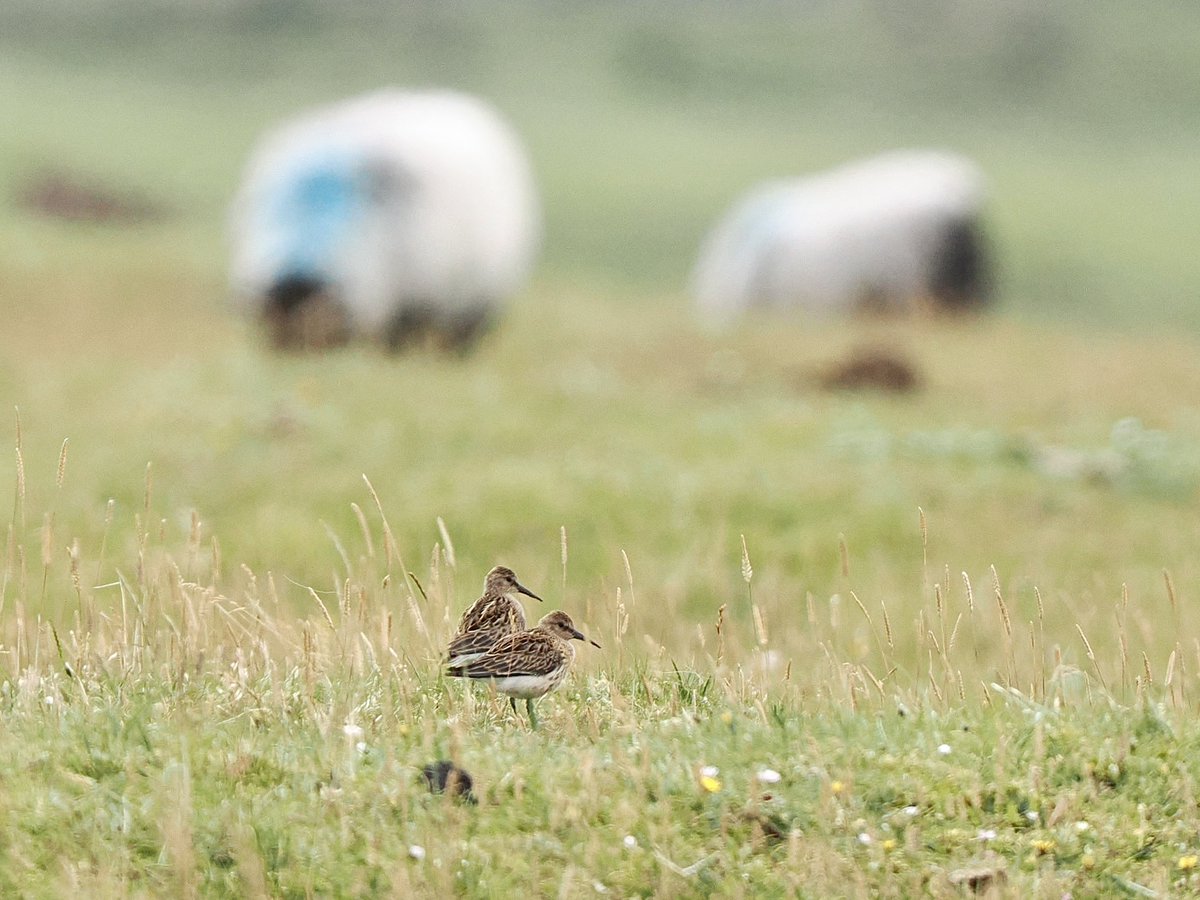
A pair of #Dunlin have raised 2 young this summer at the Valley/Sandybanks #AchillIsland - this seriously threatened Irish nesting bird had not been recorded breeding locally since 1995 - success has been achieved thanks to the @LIFEonMachair project & support of local community
@MichaelOkun My dad was on short acting propranolol for supine hypertension.
Nightmare on hospital admittance (usually getting a bed at night - BP sky high so they’d prescribe amlodipine stat which of course wrecked him next day (counteracting the hypotension fludro, minodrine & droxidopa )
@LevParikian@MattBecker82 I love watching the opening ceremony each Olympics to see the breadth of the human race represented as the athletes parade but it is sad to see countries with huge populations only having a small number of participants. How much potential never fulfilled cos of money/priorities
Woman of the Day Joan Beauchamp Procter born OTD 1897 in London, the first woman Curator of Reptiles at London Zoo, an expert at handling large pythons and crocodiles, and co-designer of the world’s first building for keeping reptiles. About half of the world’s population is thought to fear snakes. If you are one, Joan’s ideal pet would be your worst nightmare.
Her interest in reptiles and amphibians began early. As a ten year old, she kept several snakes and lizards as pets. Her favourite, a Dalmatian lizard, perched on the table next to her at mealtimes. At 16, she caused conniptions in a maths lesson by bringing a young crocodile to school.
Joan suffered lifelong chronic intestinal illness from childhood and the impact on her education meant giving up on her plans to go to Cambridge University. Instead, she started corresponding with George Boulenger, keeper of reptiles and fishes at what is now the Natural History Museum in London. Aged 19, she became his unpaid assistant and the same year, she presented her first scientific paper to the Zoological Society of London. The Society was so impressed that they asked her to help design their aquarium and the following year, in 1917, Joan was elected as a Fellow.
When Boulenger retired in 1920, Joan was entrusted with sole charge of the reptiles at the museum and initially received a small stipend until 1923 when she was hired as London Zoo’s curator of reptiles.
She didn’t hang about. Using her knowledge of reptiles, Joan helped to design the Reptile House which opened in 1927. Her ideas were revolutionary: different heat zones in the various enclosures, dimmed lights in some to reduce stress in their inhabitants, special glass that didn’t filter out UVB so the reptiles could synthesize vitamin D.
By this time, her own collection of pets had expanded beyond the reptiles and snakes in glass enclosures in her drawing room and included a pet chimpanzee, Johnnie. Nothing fazed her. At Whipsnade Zoo, she captured a brown bear that had escaped its enclosure, by enticing it with honey and shutting it in a lavatory.
Joan’s patient handling of reptiles, carefully and slowly, was quite deliberate. She believed that they could be socialised so that when they required veterinary treatment, they’d be more receptive. Her approach paid off. She was able to identify many previously unstudied diseases. Even very large and dangerous creatures seemed to trust her. One was a Komodo dragon named Sumbawa.
Sumbawa, one of the first two Komodo dragons to be imported into Europe, arrived at London Zoo in 1928 with a troublesome mouth infection. This presented something of a challenge to the Zoo’s vets. Komodo dragons have triangular, carved teeth with a serrated edge similar to a steak knife. In fact, their teeth are coated in iron and perfectly adapted to cutting their prey into ribbons. No one messes with a Komodo’s mouth with impunity.
Joan would take Sumbawa around the Zoo on a leash (she steered him by touching his tail) and because she was his primary carer - she fed him pigeons, chickens and eggs by hand while she stroked him - he accepted antibiotics and allowed her to open his mouth while she used special equipment of her own design to carry out a range of veterinary procedures, many of which hadn't been attempted before.
"They could no doubt kill one if they wished, or give a terrible bite [but they are] “as tame as dogs and even seem to show affection.”
In 1931, Joan was awarded an honorary doctorate by the University of Chicago in recognition of her achievements, making her Doctor Procter.
Joan’s recurring poor health - she had several operations and offered her resignation but the Zoo refused to accept it - meant that in time, she had to use an electric wheelchair to get around the grounds of London Zoo. She was often accompanied by Sumbawa on his leash.
Joan died from cancer in 1931, aged 34.
@daveirl@Davidivorsmith No public pool for decades in highly populated areas like Leixlip, Celbridge and Maynooth but yes let’s fund sports that have nothing to add to the world except gambling….






![TheAttagirls's tweet photo. Woman of the Day Joan Beauchamp Procter born OTD 1897 in London, the first woman Curator of Reptiles at London Zoo, an expert at handling large pythons and crocodiles, and co-designer of the world’s first building for keeping reptiles. About half of the world’s population is thought to fear snakes. If you are one, Joan’s ideal pet would be your worst nightmare.
Her interest in reptiles and amphibians began early. As a ten year old, she kept several snakes and lizards as pets. Her favourite, a Dalmatian lizard, perched on the table next to her at mealtimes. At 16, she caused conniptions in a maths lesson by bringing a young crocodile to school.
Joan suffered lifelong chronic intestinal illness from childhood and the impact on her education meant giving up on her plans to go to Cambridge University. Instead, she started corresponding with George Boulenger, keeper of reptiles and fishes at what is now the Natural History Museum in London. Aged 19, she became his unpaid assistant and the same year, she presented her first scientific paper to the Zoological Society of London. The Society was so impressed that they asked her to help design their aquarium and the following year, in 1917, Joan was elected as a Fellow.
When Boulenger retired in 1920, Joan was entrusted with sole charge of the reptiles at the museum and initially received a small stipend until 1923 when she was hired as London Zoo’s curator of reptiles.
She didn’t hang about. Using her knowledge of reptiles, Joan helped to design the Reptile House which opened in 1927. Her ideas were revolutionary: different heat zones in the various enclosures, dimmed lights in some to reduce stress in their inhabitants, special glass that didn’t filter out UVB so the reptiles could synthesize vitamin D.
By this time, her own collection of pets had expanded beyond the reptiles and snakes in glass enclosures in her drawing room and included a pet chimpanzee, Johnnie. Nothing fazed her. At Whipsnade Zoo, she captured a brown bear that had escaped its enclosure, by enticing it with honey and shutting it in a lavatory.
Joan’s patient handling of reptiles, carefully and slowly, was quite deliberate. She believed that they could be socialised so that when they required veterinary treatment, they’d be more receptive. Her approach paid off. She was able to identify many previously unstudied diseases. Even very large and dangerous creatures seemed to trust her. One was a Komodo dragon named Sumbawa.
Sumbawa, one of the first two Komodo dragons to be imported into Europe, arrived at London Zoo in 1928 with a troublesome mouth infection. This presented something of a challenge to the Zoo’s vets. Komodo dragons have triangular, carved teeth with a serrated edge similar to a steak knife. In fact, their teeth are coated in iron and perfectly adapted to cutting their prey into ribbons. No one messes with a Komodo’s mouth with impunity.
Joan would take Sumbawa around the Zoo on a leash (she steered him by touching his tail) and because she was his primary carer - she fed him pigeons, chickens and eggs by hand while she stroked him - he accepted antibiotics and allowed her to open his mouth while she used special equipment of her own design to carry out a range of veterinary procedures, many of which hadn't been attempted before.
"They could no doubt kill one if they wished, or give a terrible bite [but they are] “as tame as dogs and even seem to show affection.”
In 1931, Joan was awarded an honorary doctorate by the University of Chicago in recognition of her achievements, making her Doctor Procter.
Joan’s recurring poor health - she had several operations and offered her resignation but the Zoo refused to accept it - meant that in time, she had to use an electric wheelchair to get around the grounds of London Zoo. She was often accompanied by Sumbawa on his leash.
Joan died from cancer in 1931, aged 34.](https://pbs.twimg.com/media/GUMrv1OWAAAOV-e.jpg)





