With #TEKANA, you can reduce risks, protect your farm, and strengthen resilience against climate and economic shocks. Secure your crops and livestock today, and contribute to a stronger Rwandan agriculture sector! 💪🌱
Watch the journey of Poultry Farmer Marc and know how insuring your crops and animal it's the best and crucial before joining farming 👇👇
#TekanaUrishingiweMuhinziMworozi
TYPES OF TURKEY BREEDS EVERY FARMER SHOULD KNOW 🦃✨
A Guide for Smart, Profitable & Knowledge-Driven Poultry Farming
When we talk about poultry farming, many people quickly think of chickens… but turkeys are rising fast as one of the most profitable and sustainable birds to keep. Whether you are farming for meat, breeding, or genetic improvement, understanding turkey breeds is the first step to successful production..👇🧵
#TurkeyFarming
🌅 MORNING HEALTH CHECKS: THE FARMER’S FIRST LINE OF DEFENSE
Every successful farm begins its day with one simple habit: a quick but thorough morning health check.
Before the feeding, before the cleaning, before anything else -you take a walk through your animals and observe. This routine may look simple, but it is one of the most powerful tools for protecting animal health and preventing disease outbreaks.
Why?
Because most diseases show small, early signs long before they become serious. When you catch problems in the morning, you can act fast, isolate affected animals, adjust feed or water, and avoid losses.👇🧵
#BlessedDayFarmers
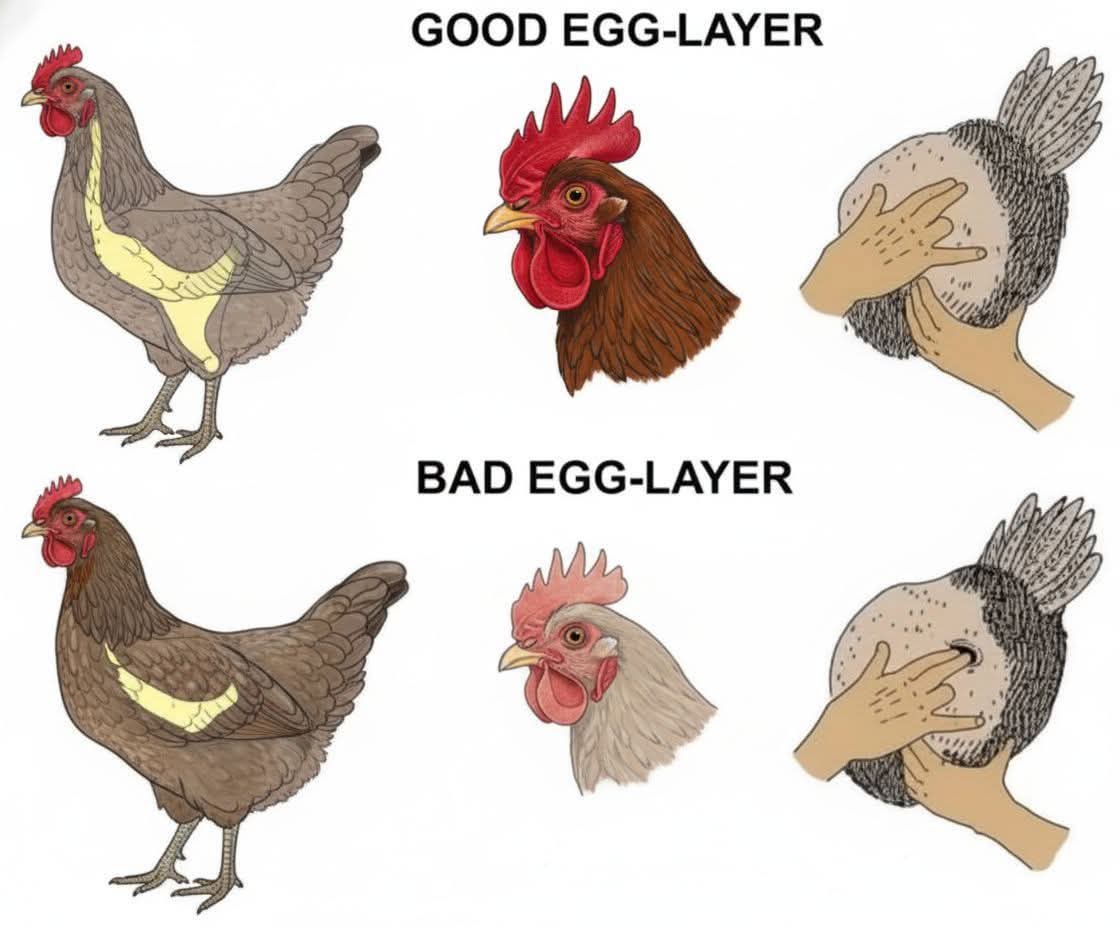
Want to Know if Your Hen is a Top Egg-Layer? Here’s How to Tell! 🐔🥚
If you’re raising hens for egg production, knowing which birds are your best layers can make a huge difference in your farm’s productivity. But how can you quickly tell which hens will give you the most eggs? Here are some simple, smart checks you can do:
✅ Signs of a Good Layer:
☀️.Bright, red comb: A healthy, vibrant comb usually means your hen is in top reproductive health.
☀️.Wide pelvic spacing: Place your fingers around the pelvic bones - if there’s enough space for 2–3 fingers, your hen is likely ready to lay regularly.
❌ Signs of a Poor Layer:
☀️.Pale comb: A dull or pale comb can indicate poor health, stress, or that the hen is not actively laying.
☀️.Narrow pelvic spacing: Tight pelvic bones suggest the hen may struggle to lay eggs consistently.
Why This Matters:
Checking your hens regularly allows you to identify top layers, cull or manage poor layers, and optimize your flock for maximum egg production. Smart observation saves time, improves productivity, and ensures your farm runs efficiently.
Pro Tip: Combine these checks with proper nutrition, clean housing, and good biosecurity, and your hens will reward you with more eggs consistently.
Start observing your flock today - you might be surprised which hens are your star layers! 🥚✨
#PoultryFarming
LEARN ABOUT STAKING, especially for climbing beans. Watch this video ( in 3 parts) up to the end.
NOTE: Kindly Like and Repost for your followers to learn too.
*Follow me for daily farming News and Tips.
#LetsFarmTogether
Part 1: