"I wandered lonely, well endowed,
Like a nonce high on bums and pills,
When all at once a boy I ploughed,
Called the police, exposed my thrills,
In the court, immersed in sleaze
I kept my pension, from your licence fees."
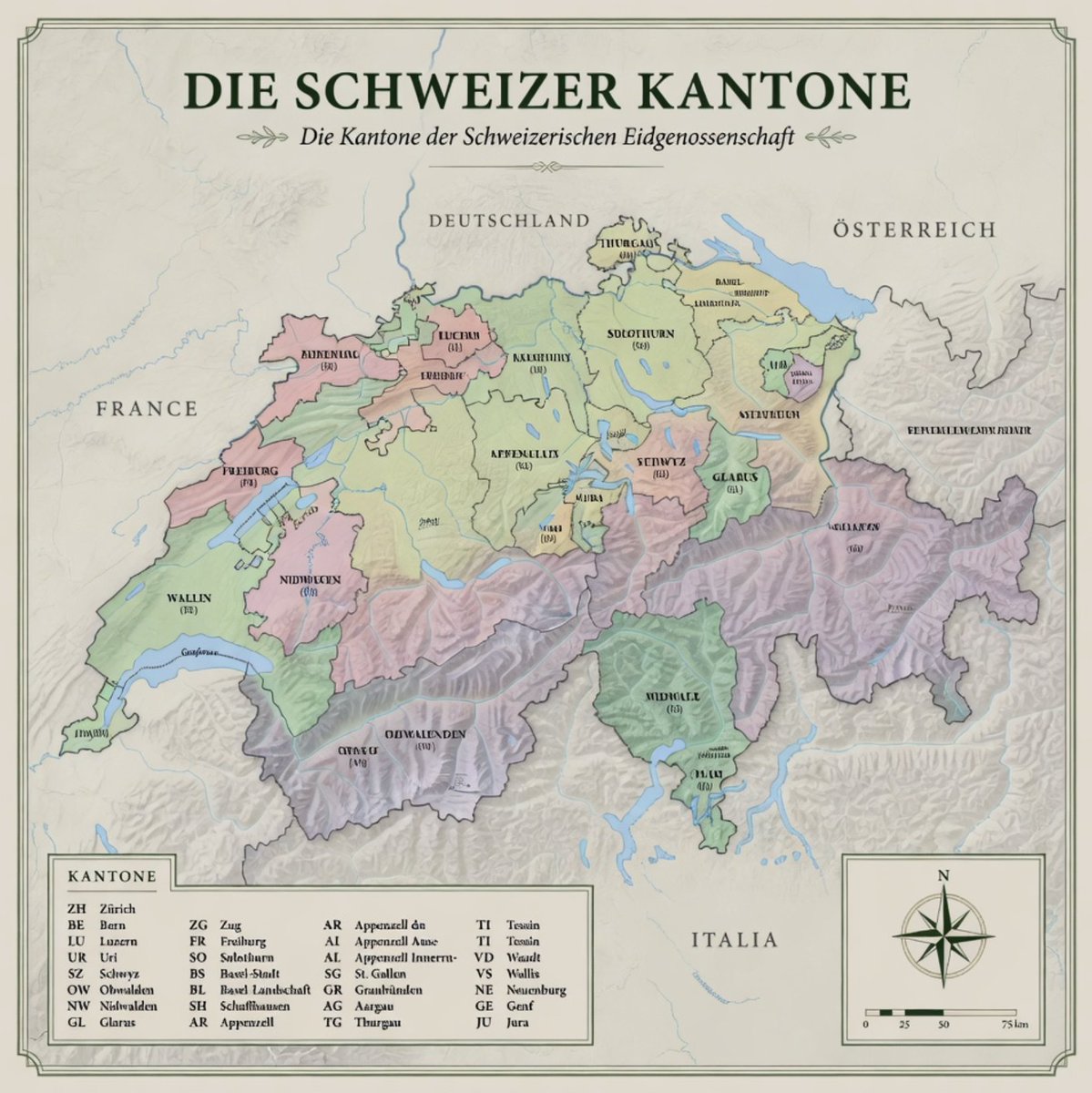
Switzerland has 26 cantons, each with its own constitution, tax rates, and laws, and the result is one of the wealthiest, most stable countries on earth. That is not a coincidence.
You want to understand why Swiss GDP per capita sits around $92,000 while the EU average hovers near $37,000? Start here. Cantons compete for residents and businesses the same way firms compete for customers. Zug kept its corporate tax rate at roughly 11.9%, attracted commodity traders and crypto firms, and watched its population and tax revenues grow. Cantons that taxed aggressively lost mobile capital and productive citizens to neighbors with lighter burdens. This is Tiebout competition working in real life, not a textbook diagram.
The federal government in Bern handles defense, monetary policy, and some foreign affairs. Everything else defaults downward. Cantons set income taxes. Communes set property levies. Citizens in Appenzell Innerrhoden voted on local laws by a show of hands in the Landsgemeinde, an open-air assembly, until 1990 for most matters. The feedback loop between decision-makers and the people paying for those decisions stays tight. That tightness disciplines spending in ways no central auditor ever will.
Free market thinkers have stressed this for generations: political units must be small enough that exit is credible. When the cost of leaving a bad jurisdiction drops, politicians face real consequences for bad policy. Switzerland kept that cost low by design. A business or family in Basel-Stadt dissatisfied with cantonal policy drives forty minutes to Baselland. No visa. No language barrier. No bureaucratic labyrinth. Just a move.
The EU spent decades building the opposite architecture, consolidating regulatory power in Brussels and eliminating the jurisdictional diversity that forces governments to stay honest. Switzerland refused to join. Its per-capita wealth, its low public debt, and its functional civil society arrived because the Swiss preserved the one institutional feature every centralized state destroys first: the credible right to leave.
There is now little doubt that, like Chernobyl, Bhopal and 9/11, the pandemic was manmade. And it killed 100 times as many people as those three disasters put together.
Yet a bunch of people with power and influence did their utmost to bury the truth about the cause.
Fucking EU make you stand like a cunt for hours to get through passport control but if you're coming in via Morocco you can bring in as much bush meat and as many small arms as you can carry.
Those of us that saw through Anthony Fauci and Chris whittys BS have been vindicated. I don’t need an apology I just need you to think for yourselves next time they try it on 👍🏻have a blessed day ❤️
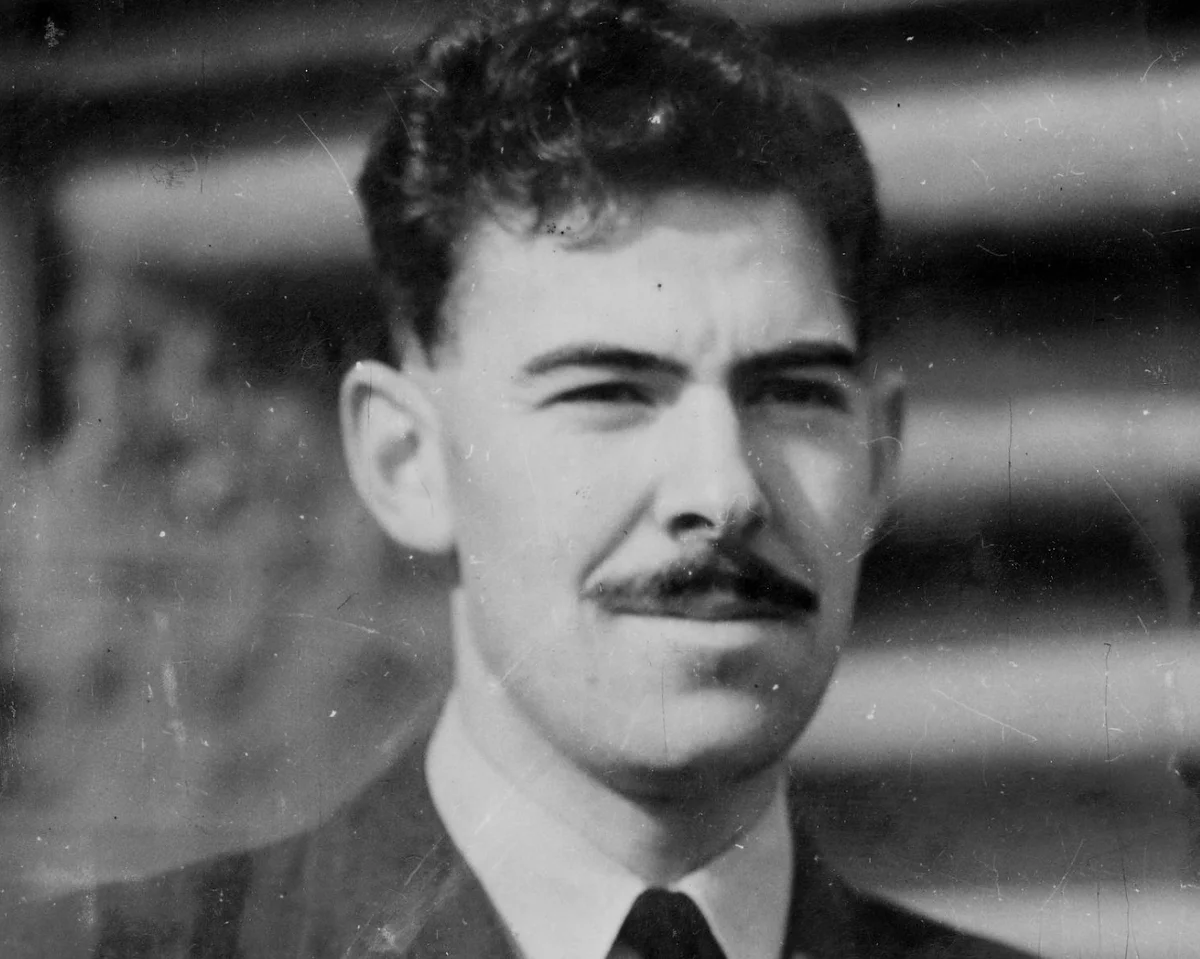
Seventy-two. That is how many separate wounds John Cruickshank had in him, two of them through his lungs, while he lined up a burning flying boat for a second run at a U-boat that had just shot his aircraft to pieces. Most men have one of those wounds and they are finished. He had seventy-two and he pressed the attack.
He was 24, a former bank clerk from Aberdeen, flying a Catalina flying boat out of the Shetland Islands with Coastal Command. The job was the long, freezing, mind-numbing patrol, fourteen hours over the grey Atlantic hunting the U-boats that were strangling Britain. On the 17th of July 1944, far out over empty water, they caught one on the surface, U-361, and Cruickshank took the big slow flying boat down to attack.
The first run failed. The depth charges would not release. Any sane man makes a note and turns for home. Cruickshank swung the aircraft around and came back for a second pass, low and straight, and this time the submarine's gunners were waiting. Flak ripped through the Catalina. It killed the navigator, wounded half the crew, and tore into Cruickshank again and again, those seventy-two wounds, two punching into his lungs, ten into his legs.
And he flew the attack home anyway. Bleeding everywhere, in agony, with the fuselage holed and on fire, he held the aircraft dead level, aimed, and released the depth charges himself. They straddled the U-boat perfectly. It broke apart and sank beneath him.
Then came the part that should have killed him. He collapsed from blood loss, and the wounded co-pilot, who had never landed a Catalina, took the controls for the long flight back. Cruickshank refused the morphine that would have knocked him out, because he knew the man flying needed him. Drifting in and out, he had himself carried back up to the cockpit again and again through the night to help nurse the shot-up aircraft down, and at dawn they got it onto the water safely. He had lost so much blood the doctors said he had no business being alive.
He lived. He took the Victoria Cross from the King, went quietly back to banking after the war, and rarely spoke of it. And he kept on living, and living, and living. John Cruickshank died in 2025 at the age of 105, the last man on earth wearing a Victoria Cross earned in the Second World War. Seventy-two wounds over the Atlantic, and he outlasted every other hero of that war by decades.
🚨NEWS: The UK's largest telescope which has been used to track objects in space for nearly 70 years is set to close after the UK Government pulled its £2.8million a year funding
For reference we spend over £1Billion a year on migrant benefits