Sputla and the Eskom executive team have restored the credibility of black engineers — after years of damage from corrupt politicians and from figures like De Ruyter who seemed invested in Eskom’s collapse to boost the renewables narrative.
Ndumiso was a brilliant Chemical Engineer who went and created Soweto Gold and sold it for millions to Heineken. He didn't go to Grayston drive to take up space. Please guys, continue to innovate outside of Financial Services
The Engineer Speaks
We are being sold a mirage.
South Africa calls its renewable energy rollout a "green industrial revolution." But the truth is far more sobering: it is a construction project, not an industrial strategy.
We import the high-value components—solar panels, inverters, turbines—from China and Germany. We contribute the civil works, the steel structures, and the assembly labour. Then we call it "local content."
The engineering—the research, the innovation, the intellectual property—happens elsewhere(Offshore).
This is not a path to reindustrialisation. It is a repetition of our oldest economic wound: exporting raw capacity and importing finished value.
For a young person considering engineering, what incentive exists here? To design cutting-edge power electronics? To develop next-generation battery storage? Those careers do not exist in this country. The industry does not require a nation of engineers. It requires project managers, construction crews, and technicians.
So the talented leave. Or they abandon engineering for finance. And the cycle of deindustrialisation continues.
Compare this to what South Africa has done before. SASOL did not simply import technology under sanctions—it built world-leading, indigenous chemical engineering capability from the ground up. The automotive sector spent decades building a genuine components supply chain. That was industrialisation. That was a bet on local brains and local capacity.
Today, we have the minerals—platinum, manganese, vanadium—that the green economy runs on. But we export them raw, only to import the finished products. We host the infrastructure while others capture the knowledge.
A renewable energy boom that does not manufacture, does not innovate, and does not create high-end engineering careers is not a driver for industrialisation. It is a missed opportunity disguised as progress.
Until we demand localisation of value, not just weight. Until we leverage our mineral wealth for technology transfer. Until we invest in strategic R&D with the same ambition that built SASOL (Fischer tropsch process)—the incentive structure for engineering will remain broken.
And the sadness of watching a country deindustrialise in real time will only deepen.
Engineer Matshela Koko
🇿🇦
I want to be clear about something. Ngoba angilwi.
I am not blaming individual officials. Mahlatse at the DTIC was honest and helpful within the constraints of her role. Very few IDC staff [who assisted me behind closed doors for fear of losing their jobs] I have worked with were professional.
The problem is not the people. The problem is the architecture. The system is designed so that no single person has to say no. The referrals say no. The technicalities say no. The "outstanding information" says no. The "does not qualify" says no.
Nobody is accountable because everybody can point to someone else. They play hot potato with your business.
@IDCSouthAfrica@Orati1e Dear IDC, thanx for a response. But the IDC of old wouldn’t have funded the establishment of Iscor, Sasol and Eskom if they followed your ‘governance’ system. U are black run mostly by people who have never run anything in their lives and u use standards u would also fail.
. @feziledhlamini_ The IDC and Black founders is trending. So I did what nobody else is doing, I pulled the actual funding data.854 companies. R65.9 Billion. 7 fiscal years. Every deal. Every shareholder name. Public record.The data is now live. Go look for yourself 👇 📊 https://t.co/B7nHWtxKAq
SHORT PRESENTATION
https://t.co/DMuzknIErI
(E&OE)
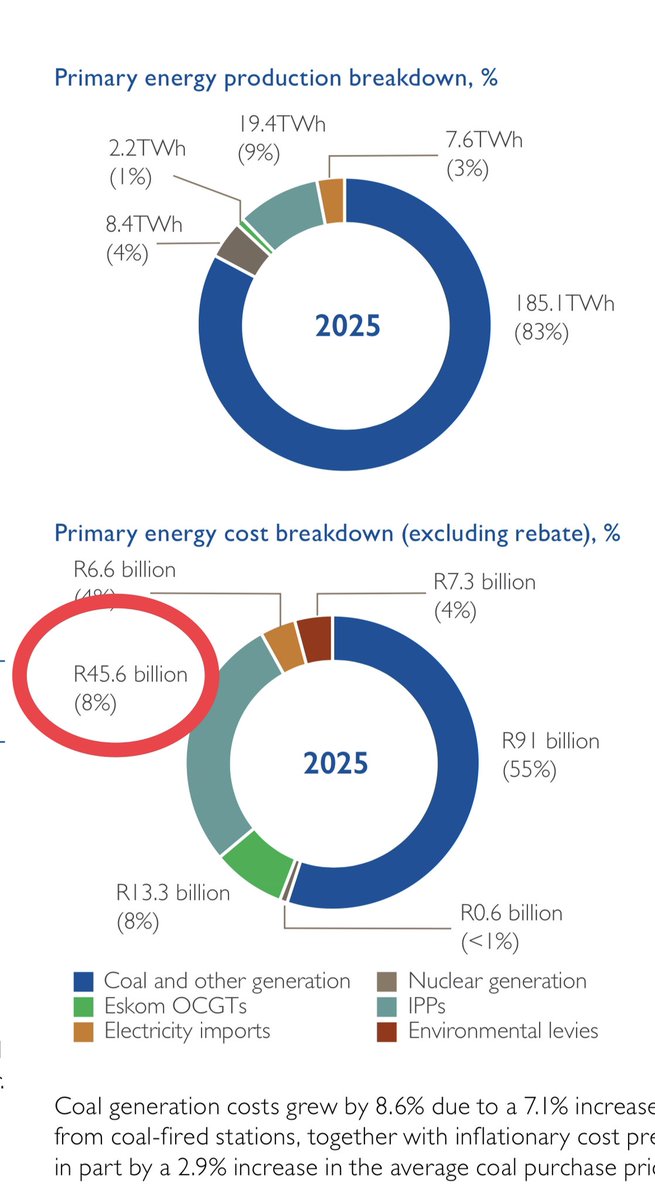
Eskom paid R45.6 billion to its competitors in 2025. That’s actually 31% of the primary energy cost of R150 billion, paid to IPPs whilst they delivered only 9% of energy.
Eskom is obligated to pay for the energy from its competition whether it needs the energy or not.
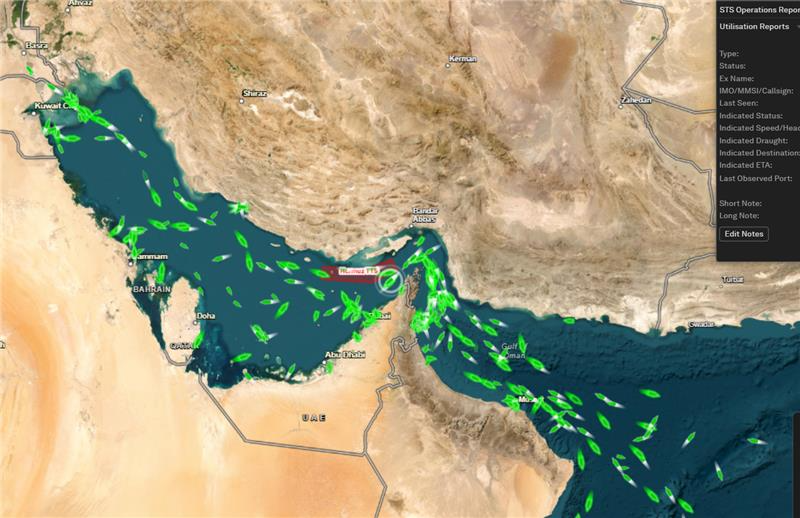
🚨🇮🇷 BREAKING: The Strait of Hormuz is effectively closed.
Japanese tankers turning back. Greek fleets rerouting. Saudi, Iraqi and Emirati crude sitting still in the water.
Oil jumped 12% in hours. That's just the beginning.
A 5th of the world's seaborne oil and all of Qatar's LNG exports. Stopped.
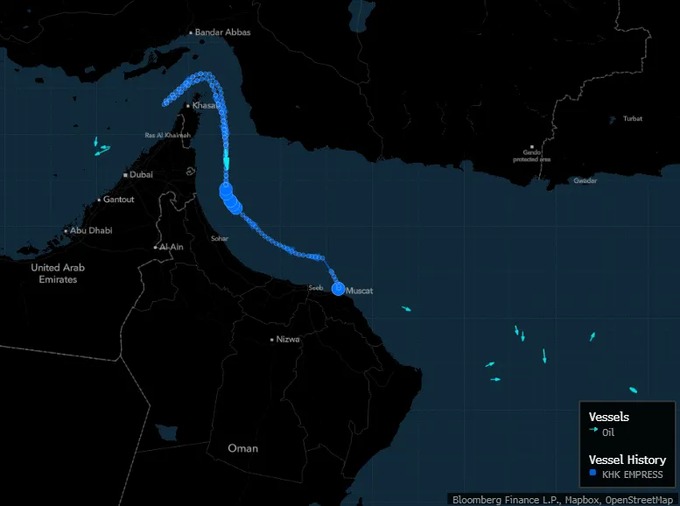
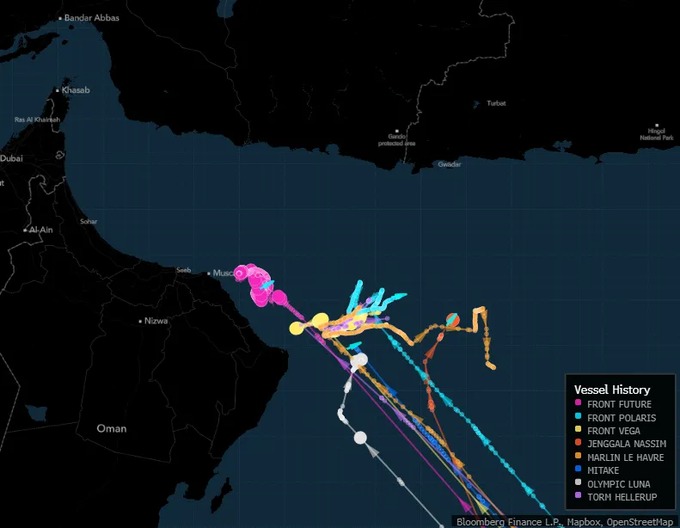
8 tankers idling outside the Gulf of Oman right now, waiting for a war to end before they can move.
Every gas station in the world is about to feel this. Every airline. Every factory. Every supply chain.
Iran just handed the entire global economy a bill.
@DeItaone
🚨🇮🇷 Iran just closed the Strait of Hormuz.
20% of the world's oil supply could stop moving.
They were floating that possibility ever since tensions started. That scenario just happened.
Every tanker in the Gulf is stopped right now.
Source: Reuters
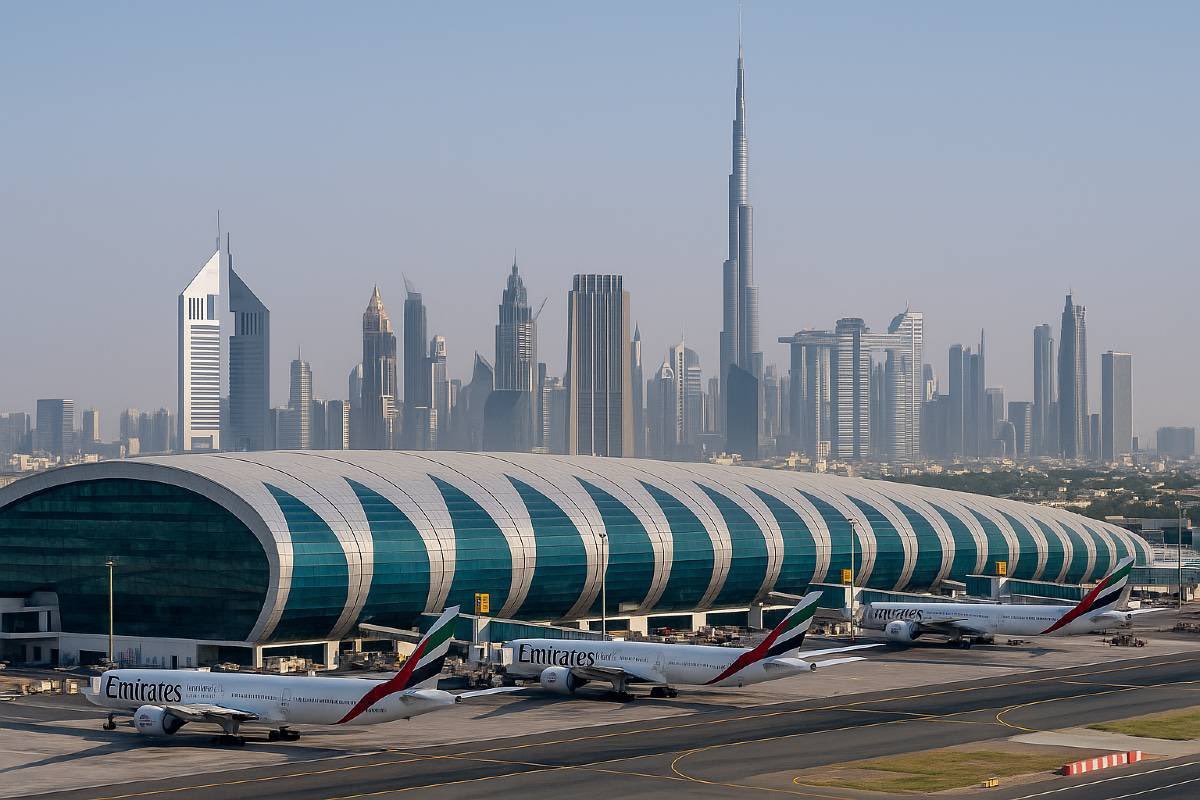
Dubai just shut down. The busiest international airport on earth. Closed. Indefinitely.
Dubai International and Al Maktoum International both suspended all operations on February 28 per official Dubai Airports statement. Over 280 flights canceled. 250 more delayed. The airspace that handles more international passengers than any hub on the planet went dark this morning because Iranian ballistic missiles were flying through it.
Now read the airline list and understand the scale of what just broke.
Emirates. Grounded. Etihad. Grounded. Qatar Airways. Suspended all flights to and from Doha after Qatari airspace closed. Air India. Every single flight to every destination in the entire Middle East. Suspended indefinitely. Turkish Airlines. Suspended flights to Bahrain, Iraq, Iran, Jordan, Kuwait, Lebanon, Oman, Syria, Qatar, and the UAE until at least March 2. Lufthansa. Dubai suspended. Air France. Tel Aviv and Beirut suspended. Wizz Air. Israel, Dubai, Abu Dhabi, and Amman suspended until March 7. British Airways. Affected. Virgin Atlantic. Affected. Japan Airlines. Affected. Norwegian Air, LOT Polish, Scandinavian Airlines, Aegean, Iberia, Air Arabia, PIA, Saudia, Air Algerie. All affected. All grounded or rerouting.
This is not a regional disruption. This is the global aviation network breaking at one of its most critical nodes.
Dubai is not just an airport. It is the single largest connecting hub between Asia, Europe, Africa, and the Middle East. Every flight from Mumbai to London, from Singapore to Frankfurt, from Nairobi to New York that routes through the Gulf is now either canceled, delayed, or burning extra fuel on thousand-mile detours around closed airspace. IndiGo just suspended flights to Almaty, Baku, Tashkent, and Tbilisi until March 28. Not March 2. March 28. A month of Central Asian connectivity erased because Iranian missiles crossed the flight paths.
The cost is compounding by the hour. Rerouted flights burn more fuel when oil is spiking past 100 dollars a barrel because the same conflict that closed the airspace is threatening the strait that moves 21 million barrels a day. Airlines are paying surge prices for fuel to fly longer routes around a war zone that did not exist yesterday morning. Every hour the airspace stays closed, the losses multiply across carriers already operating on thin margins.
And here is what nobody is calculating yet. Dubai’s economy runs on connectivity. Tourism. Trade. Finance. Logistics. All of it depends on DXB being open. The UAE just absorbed an act of war on its sovereign territory with a civilian killed in Abu Dhabi from missile debris. The country that built its entire economic model on being the safe, neutral, connected hub of the Middle East is now closed for business because the country it had no quarrel with fired missiles through its airspace.
Iran did not just attack military bases this morning. Iran shut down the economic engine of the Gulf.
That is a cost Tehran cannot afford to repay and the UAE will not forget.
Minister Parks Tau and China’s Minister of Commerce, Wang Wentao, have signed the China–Africa Economic Partnership Agreement (CAEPA), a landmark deal set to grant South African exports duty-free access to the Chinese market while boosting investment into South Africa’s economy.