RHS Qualified Eco Gardener and Designer covering general maintenance, bespoke design, problem areas. Lectures/talks. Supports global animal welfare. Stop abuse.
Tidying the garden? Please don't cut back the ivy. Right now in the UK, it will be providing a vital late season pitstop for pollinating insects like bees, butterflies, hoverflies, moths. Then in winter, this native plant will offer berries for the birds.
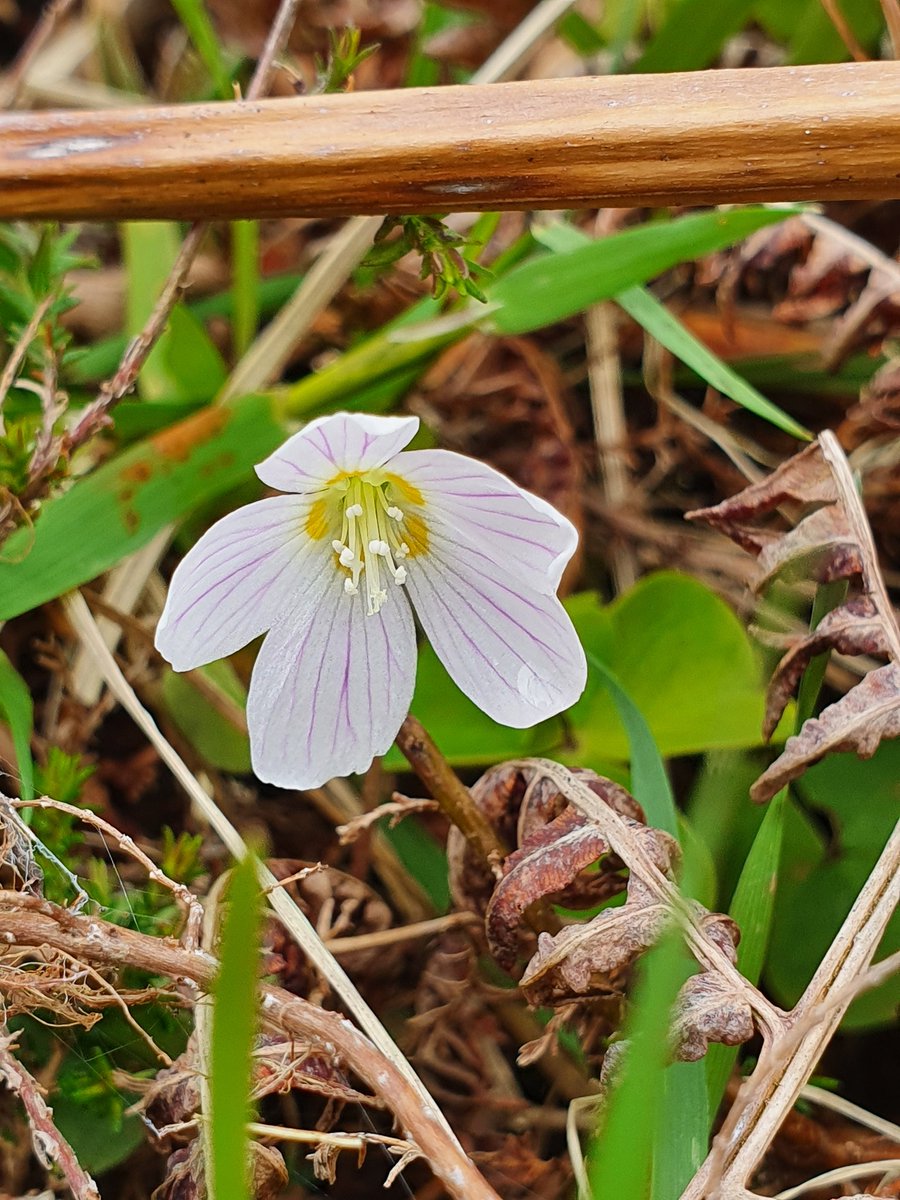
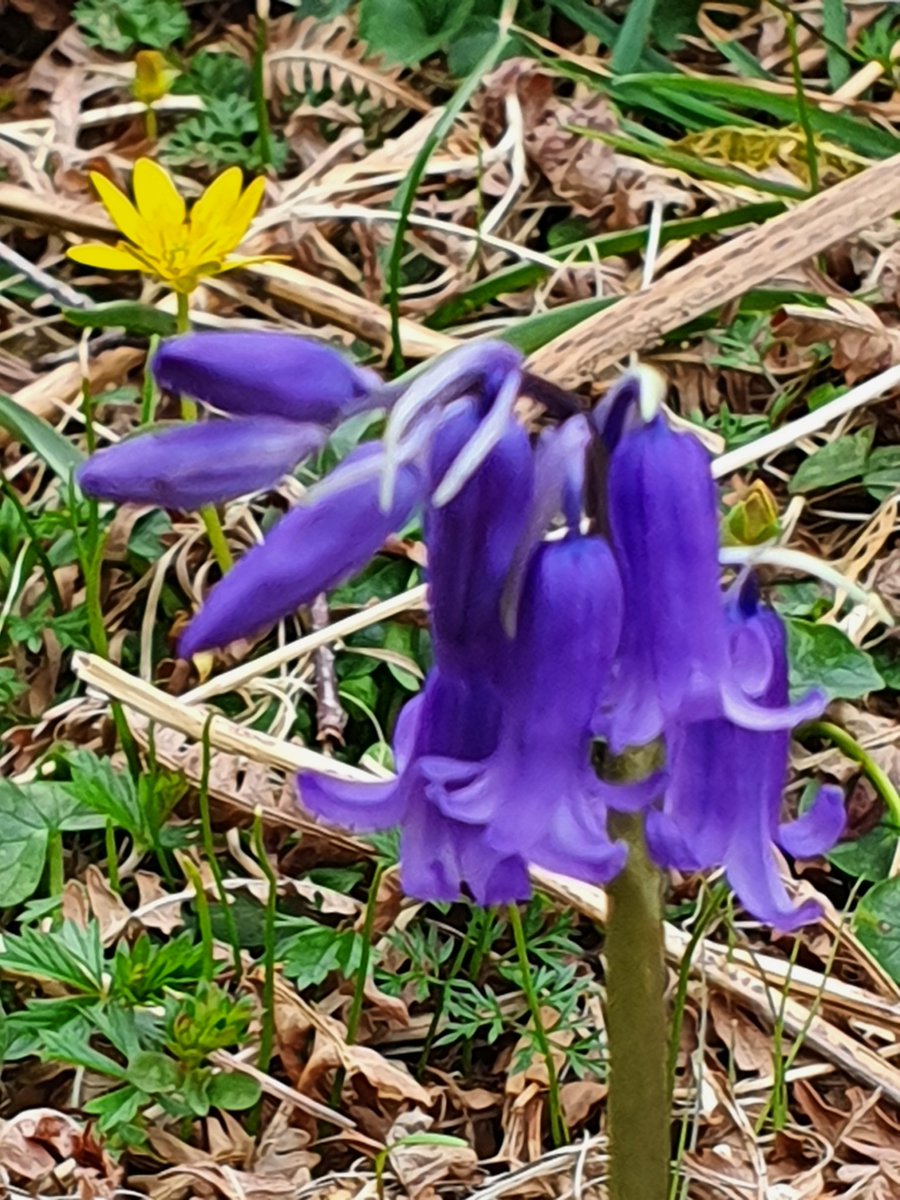
And, in this case, the associated flora is already there: bluebells, celandine, wood sorrel, dog-violet, primrose, anemone, pignut, and many more, all surviving away under bracken since last this was forested.
Very soon, this will be a rich woodland ecosystem once more.
Growing from the face of a big boulder in the woods, a variety of lithophytic plants (living on rock): hart's tongue, scaly male and buckler ferns, navelwort, wood sorrel, dog violet and lots of mosses.
Epiphytes (plants on trees) aren't the only indicator of rainforest.
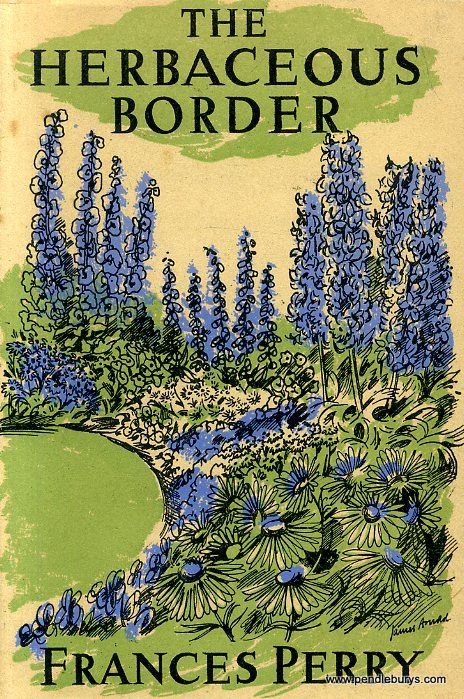
The Herbaceous Border, 1951, by Frances Perry (1907-1993), one of the foremost garden writers of the 20th century. She grew up in Enfield next door to E A Bowles, who introduced her to her future husband Gerald Perry, a nurseryman specialising in ferns and water plants.
I hadn’t seen it for a couple of years so it was extra special in early June to catch up with my #FavouritePlant! The gorgeous Mertensia maritima, commonly named Oysterplant, as the leaves taste like the fruits of the sea! Caithness #Wildflowerhour
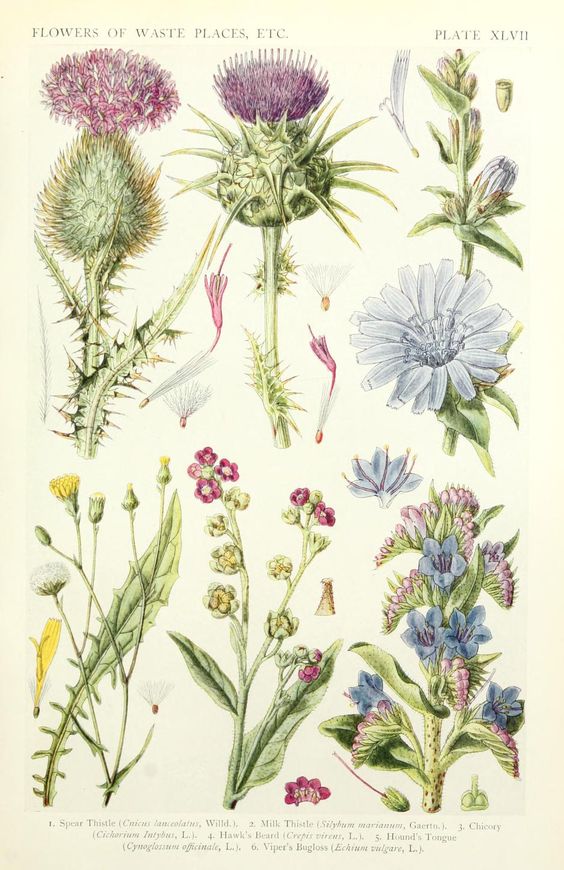
Flowers of Waste Places, plate from A R Horwood's 'A New British Flora', illustrated by J N Fitch. Published in 1919 by The Gresham Publishing Co Ltd, Covent Garden.
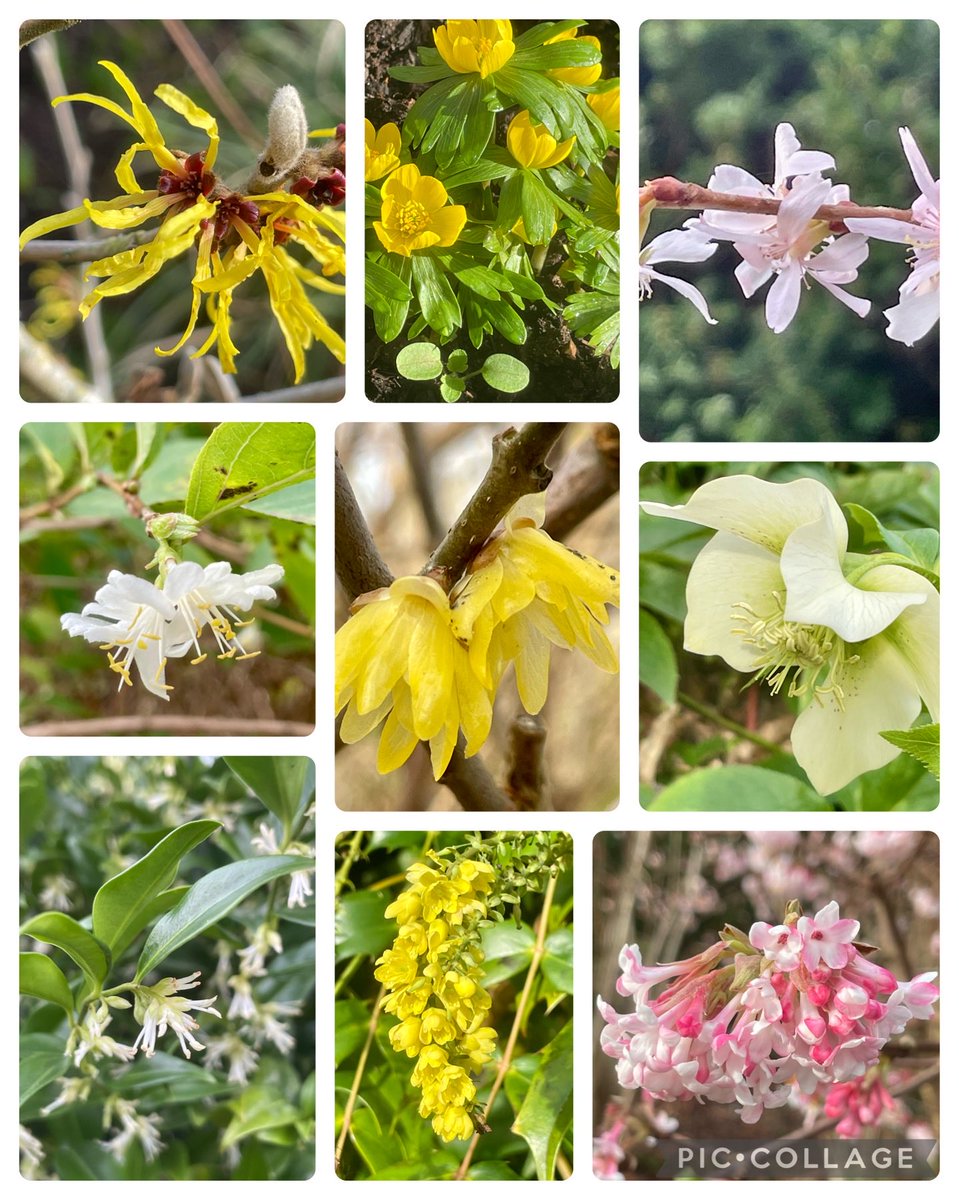
Some of the flowering plants we saw this afternoon in the wonderfully fragrant Winter Garden at @AngleseyAbbeyNT…
Witch Hazel, Winter Aconite, Flowering Cherry, Winter honeysuckle, Wintersweet, Hellebore, Christmas box(?), Mahonia, and Vibernum.
@B_Strawbridge@savebutterflies@NearbyWild was thinking how wonderful is when you find caterpillars in your garden or on local verges. They are a sign of what’s to come. 💚
If we don't cater for #butterflies in their larval stage, we can't expect to see them in their adult form.
Here's a comprehensive list of larval food plants used by British butterflies, from @savebutterflies
With thanks to @NearbyWild for posting this!
https://t.co/3FobJD855s
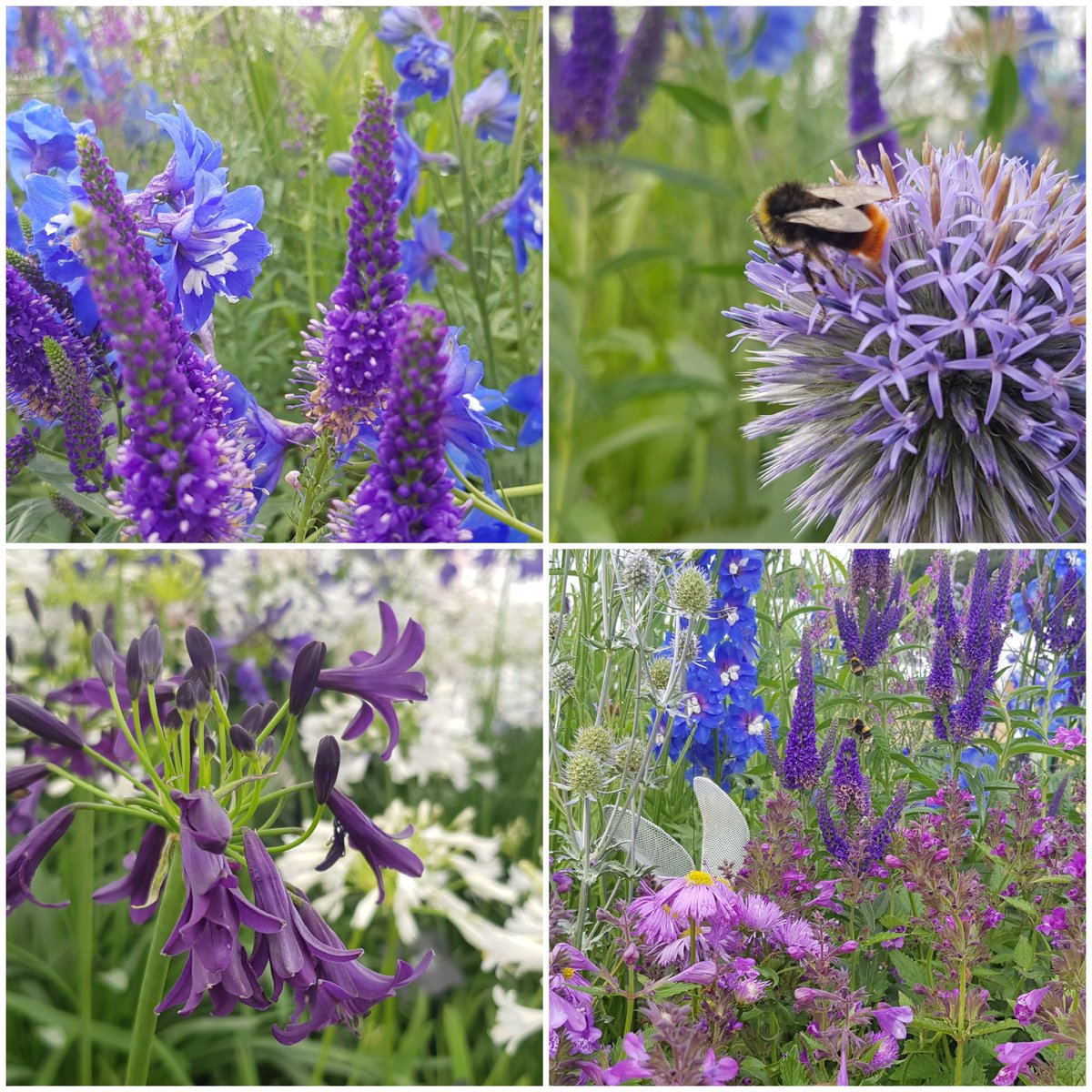
Beautiful Blues (+ violet and mauve) from #RHSTatton. Delphinium, veronika, echinops, Agapanthus 'Indigo Dream', eringium and aster. Some welcome coolness in this blasting heat. Catch the coverage on BBC 2 this evening from 7pm. @GWandShows@GWmag#GardenersWorld#Plants
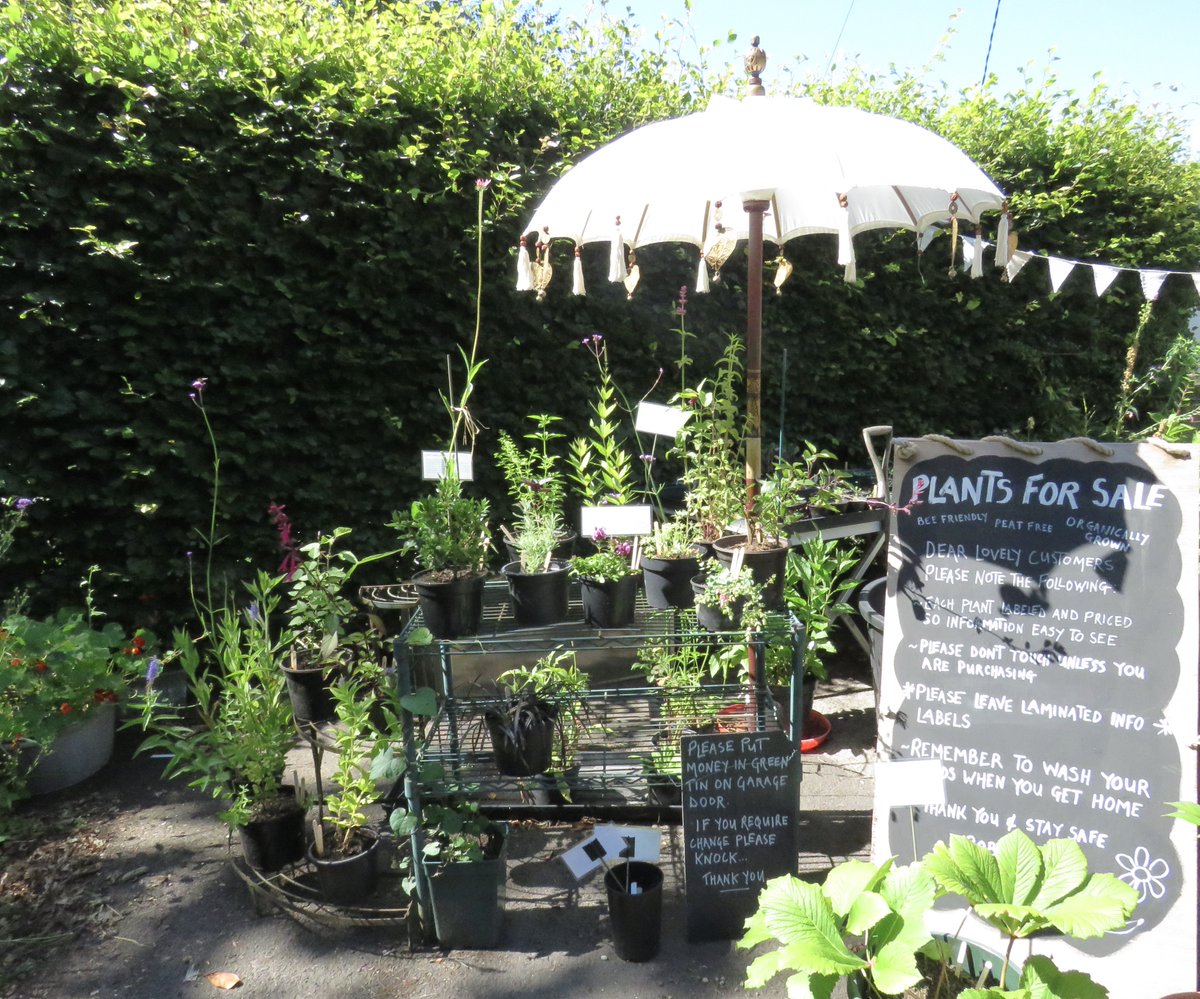
Just added lots of gorgeous & unusual new plants to our stall, including: orange hyssop, veronicastrum, agastache, santolina, thalictrums, salvias, teucriums, rogersia, caryopteris... all grown with love & care in peat-free compost! 🌿🌼🌾
French Mill Lane, #Shaftesbury, Dorset
#BSBIAtlas2020 is now live, so check out this fabulous website: https://t.co/ZNf5ZYBpHo
Find out which of these species👇 is doing well & which is declining - and why.
Read about the #PlantAtlas project & download summary reports about our changing flora: https://t.co/1K7IKvGjB3
Lesser Celandine (Ficaria verna) is currently the most commonly recorded plant species through Ireland's Citizen Science Portal.
It's easily identified by yellow flowers with dark green heart-shaped leaves.
You can submit your sightings here: https://t.co/XJ0UaMTEGH