Media Psychology at @rptu_kl_ld. Research: Opinion formation and expression | credibility | information selection | science communication. Late to Twitter.
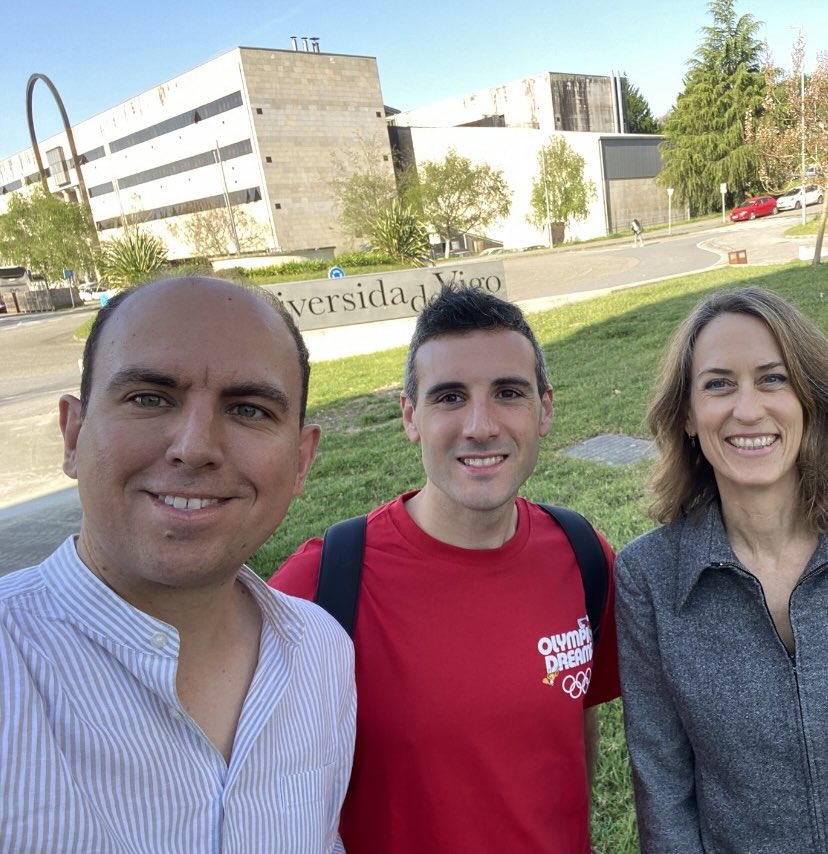
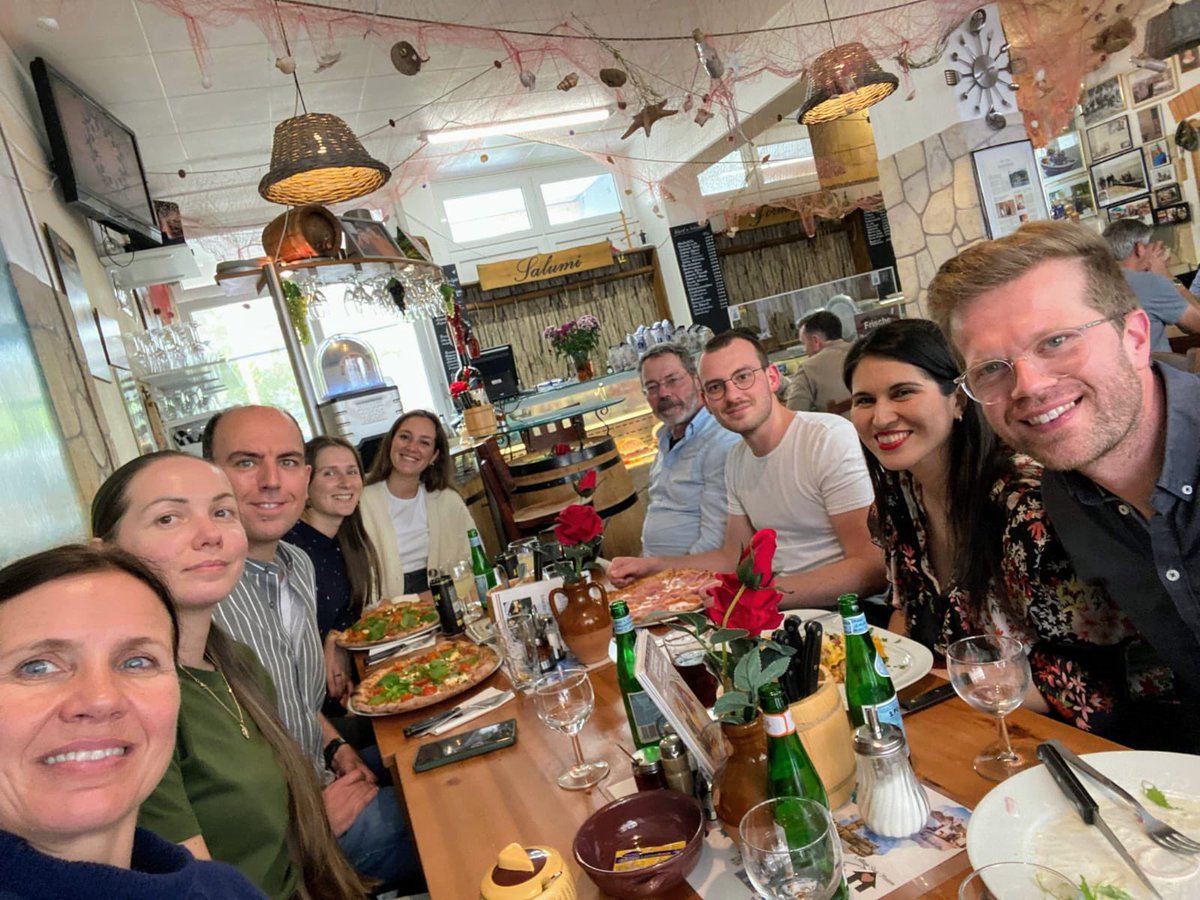
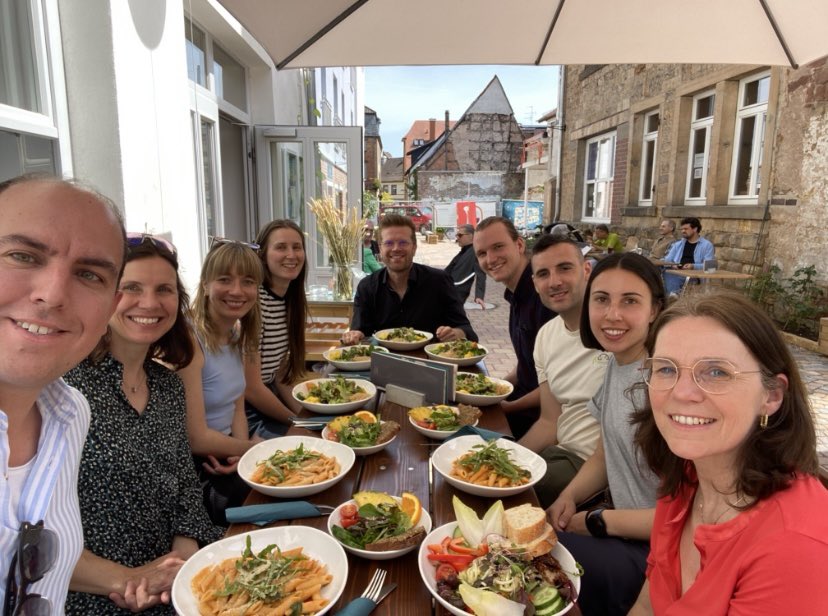
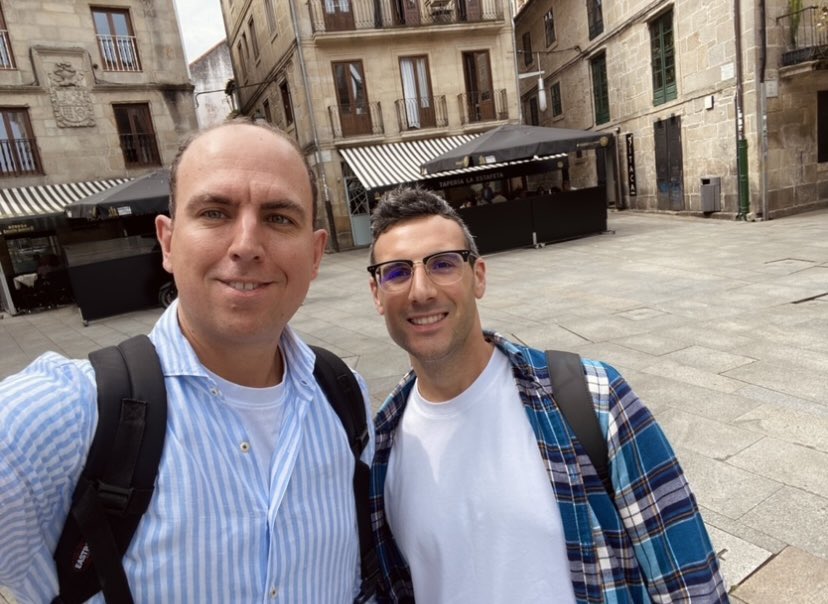
🇪🇸🇩🇪 Saludos desde Galicia! Katja Pook and I returned from an inspiring visit to Pontevedra @uvigo Thanks to our fantastic host Javier Abuin. We explored opportunities for student exchange and research on fact-checks and virtual influencers. Looking forward to the next steps 🤩
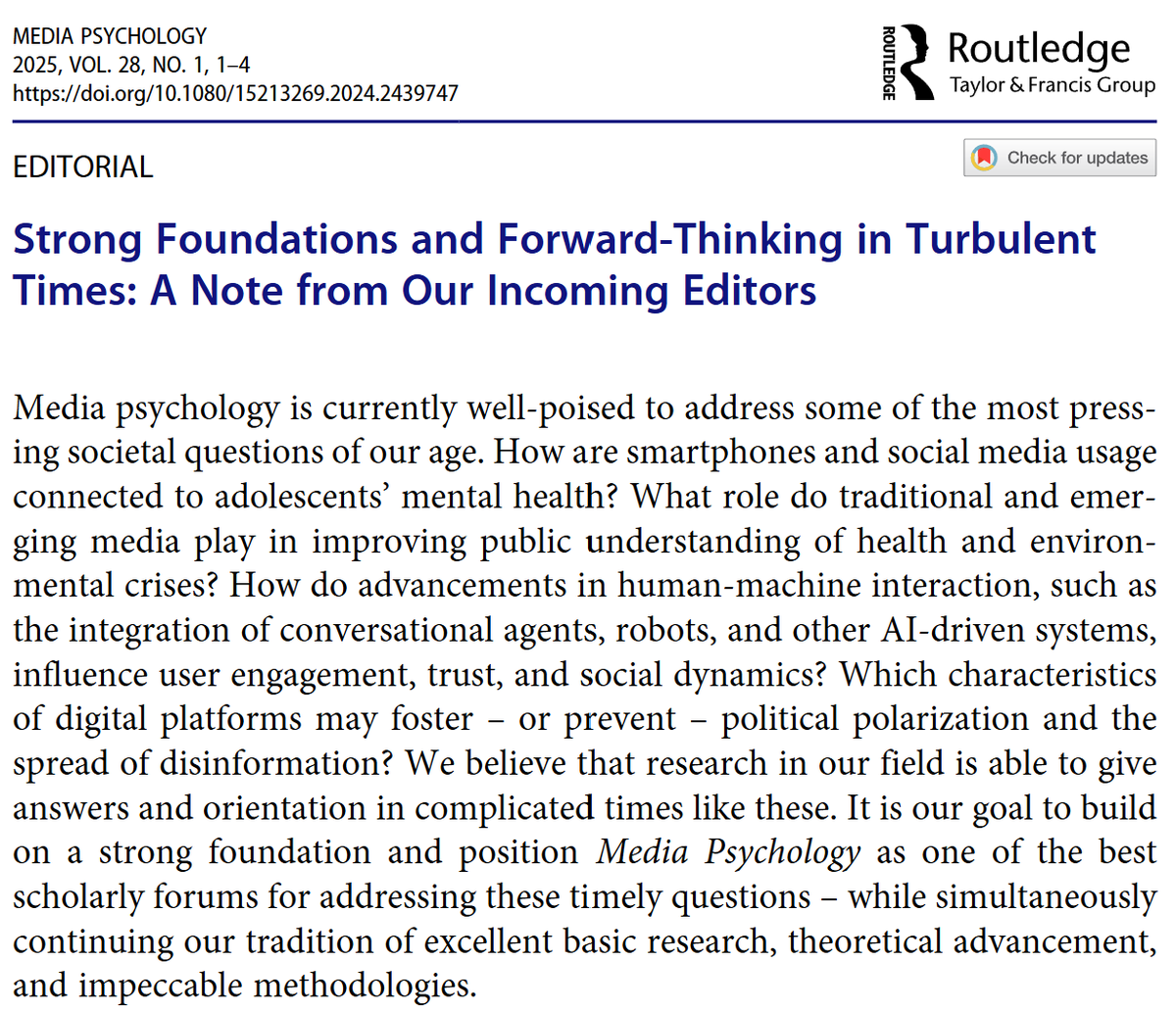
New editorial! 📷 Digital platforms and political polarization, environmental crises and media trust, smartphones and mental health: Research in media psychology addresses some of the most pressing societal issues and can give answers in complicated times like these.
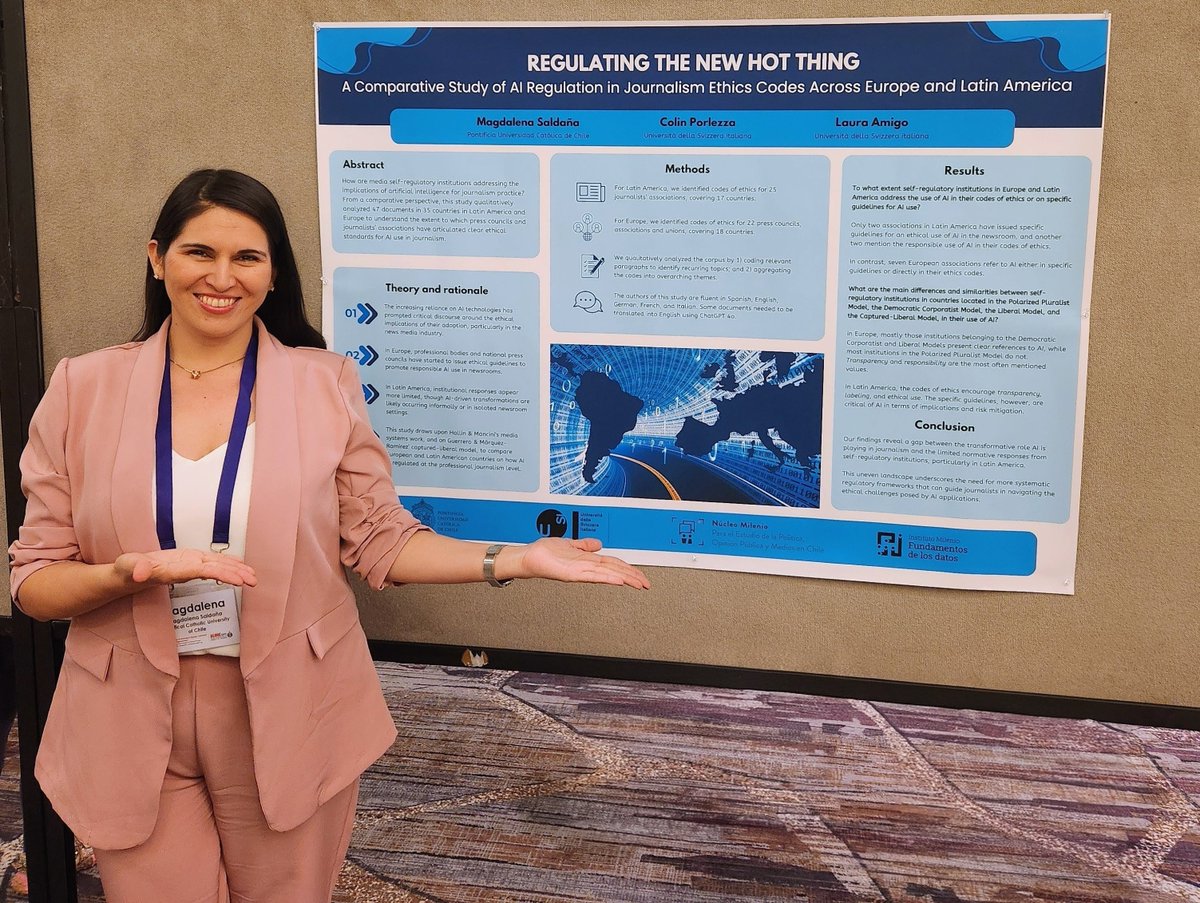
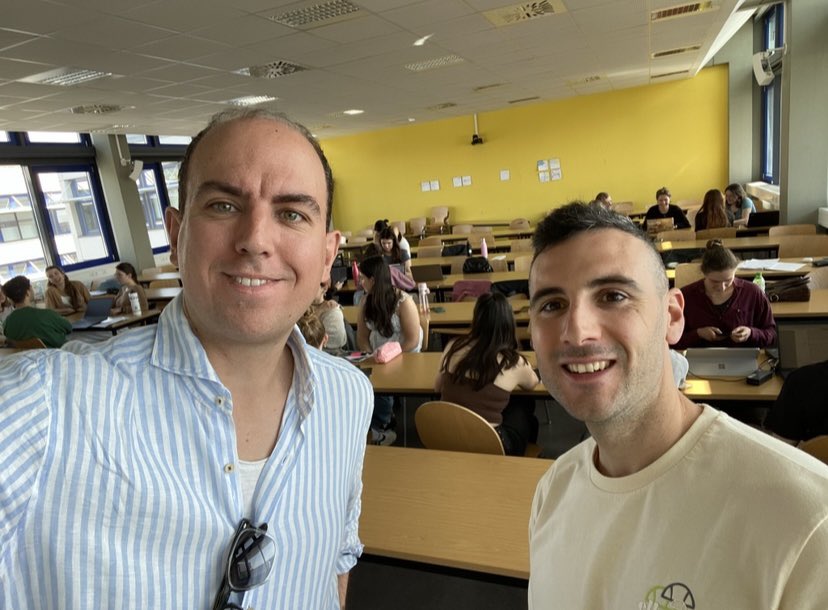
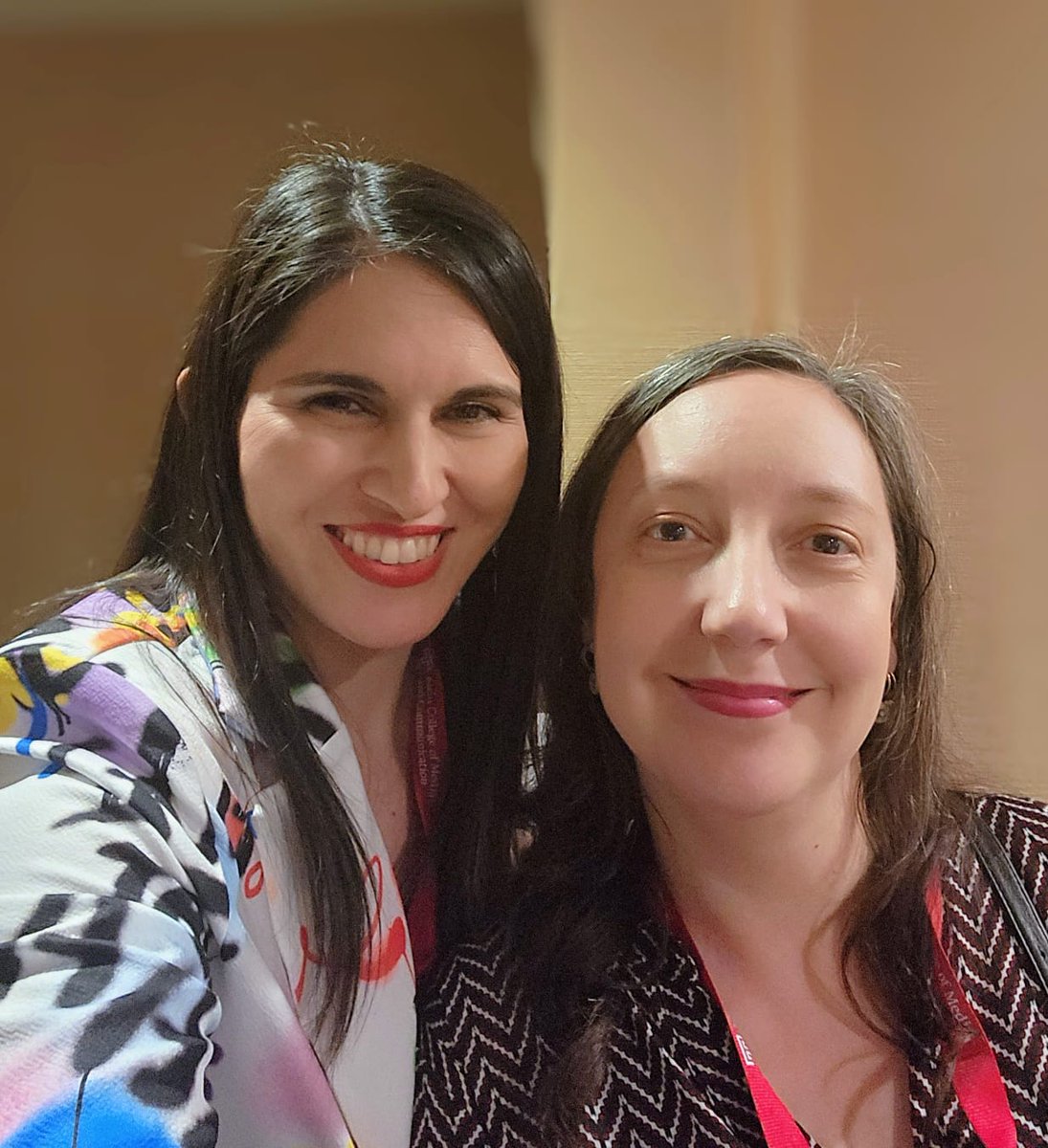
And we had productive discussions with grad students and crafted plans for future research and further collaboration between UCatolica @fcomuc and RPTU @rptu_kl_ld Muchas gracias y hasta pronto 🙌
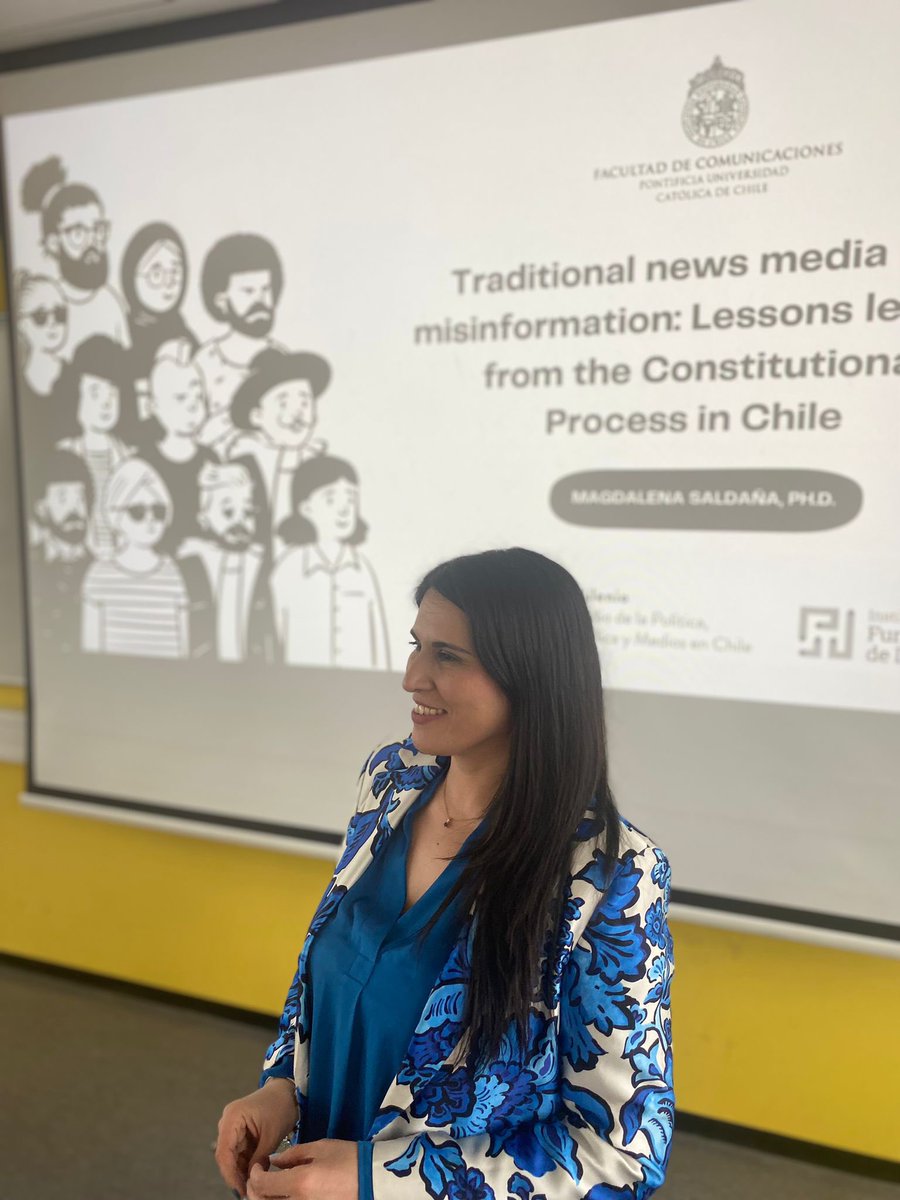
🇨🇱🇩🇪 ¡Qué gran visita! Our institute had the pleasure to host Magdalena Saldaña @magdalenasaldan for a 10-day research visit in Landau in the @SCOPE_RPTU project. In an exciting talk, she gave insights on misinformation and traditional media use in Chile. 1/2
Ausschreibung: Stelle im wissenschaftlichen Dienst (w/m/d) im Arbeitsbereich "Medienpsychologie"
Das Team der Medienpsychologie sucht Verstärkung ab dem 01.12.2024
https://t.co/cvVN5YMrPw
My friend/colleague/role model @Ingrid_Bachmann is running for #ICA president and I couldn’t be prouder! Excited and hopeful that a Latin America-based scholar as smart as Ingrid could be president of @icahdq ❤️
Read her statement here: https://t.co/ZINzloXRYA
@fcomuc
New study by @lea-jo & @MediaInvierno revisits Lavine et al. (2005) on how threats & right-wing authoritarianism influence selective exposure to political info. Findings show no increased preference for attitude-consistent (dis)info. #Disinformation https://t.co/0vOGuDLHRJ
Interested in research on misinformation, conspiracy theories or selective exposure? We’re searching for a PhD student in our Media Psychology group in Landau (3 years). Please contact me for any questions – very much looking forward to your applications! https://t.co/zAoBlYaEzN
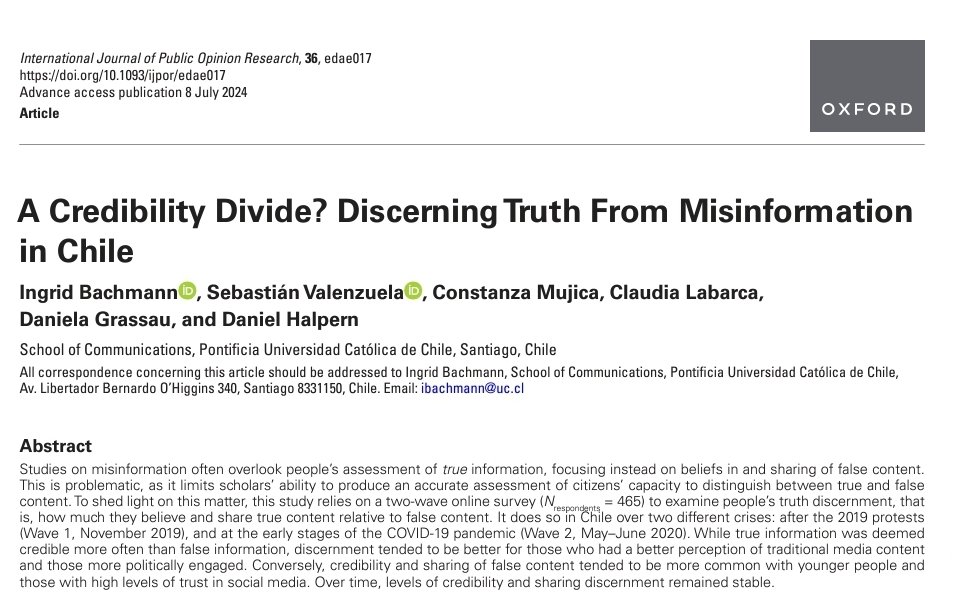
🚨New publication🚨 with @fcomuc @milenionudos @imfd gang in @IJPOR_Journal. We study people’s ability to discern truth from misinfo. Those who trust MSM and follow politics were better at spotting truth. Younger folks & those trusting SM, not so much:
https://t.co/bURKSnKowR
🚨 Call for Papers 🚨
Michael Hameleers @Hameleers_M@UvA_ASCoR) and I guest edit a special issue on AI & Disinformation @jmcquarterly. We explore AI-generated disinfo and its impact on journalism & communication Abstracts due: Sept 1, 2024. 👇https://t.co/i5NlaHVj0r
Bienvenidos a Landau: Our institute was happy to host Javier Abuin @louban3 for an Erasmus visit and to exchange ideas on fact-checking, digital communication and AI. Looking forward to further collaboration between @rptu_kl_ld and @fcom_uvigo@sepcomuvigo
Preprint available: A thorough and detailed study unpacking risk and protective factors to discern misinformation from factual information. Great work with a great team @MediaInvierno@SebaValenz and @TobiasRothmund
New Preprint: “(Don’t) Stop Believing”
Are conservatives more vulnerable to #misinformation, even if the supply side was more equal?
Our new study suggests: Bias occurs on both sides – but in different forms. https://t.co/KQy9UH5XMa
Thanks to all co-authors 🇨🇱🇩🇪: @SebaValenz@celoo@TobiasRothmund & Lena Iwertowski Tobias Schreyer @rptu_kl_ld. All materials and data can be found here: https://t.co/F5Z3Nlf7V7
Overall, patterns, which should be re-tested in further settings, might explain different vulnerabilities across the political spectrum. Also supports the call for using signal detection measures instead of belief in false info, as argued by Batailler et al. and @BrianMGuay