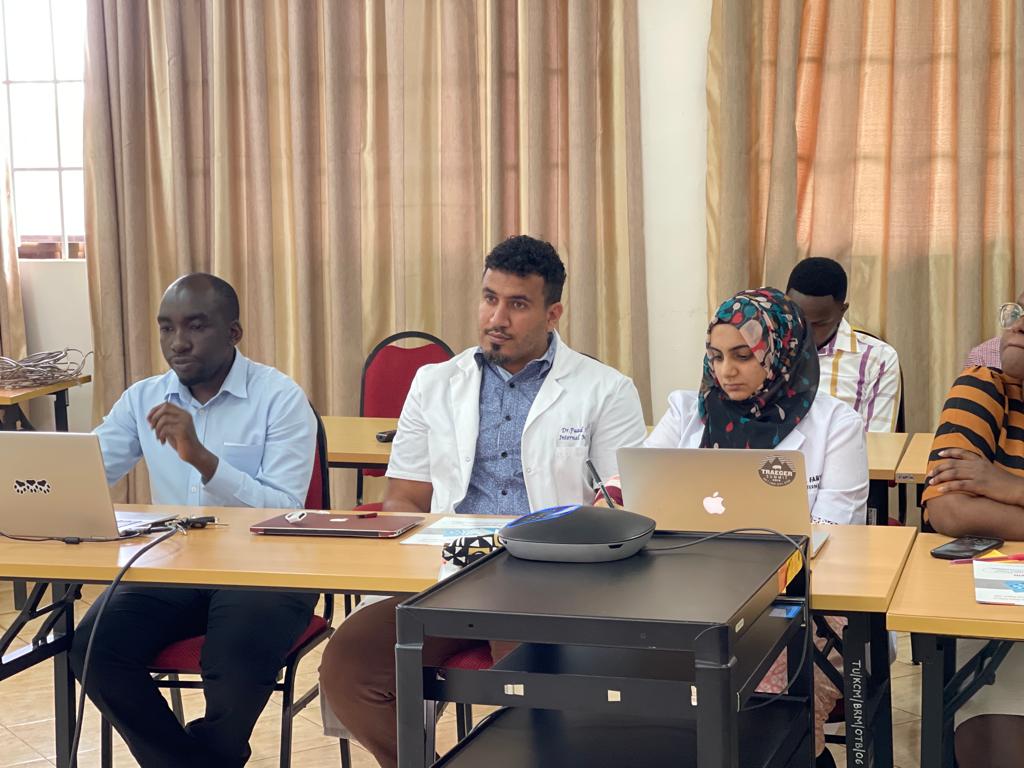
#MedicineKCMC | COVID-19: New disease ; less 3 years since first case ; a lot still unknown
‼️We have learn that Inflammatory Markers have important role in management yet many still expensive and inaccessible to many
📝Dr Norman seeks to explore what might work in our settings
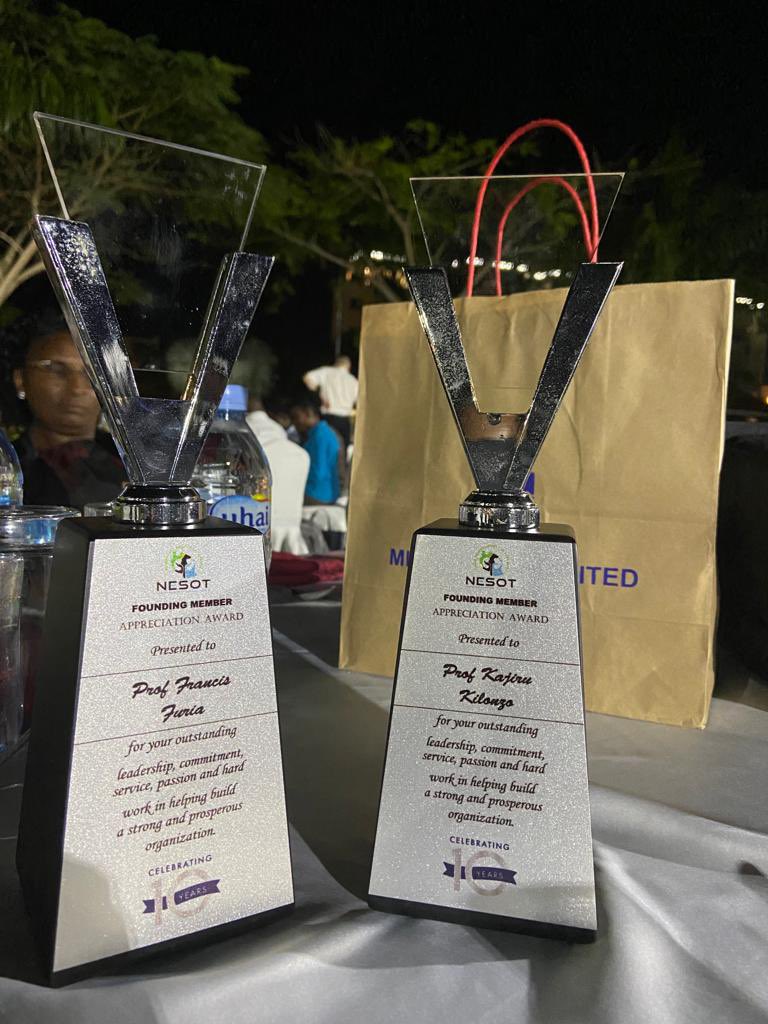
@MedicineKCMC@furia_francis Prof. Furia deserves all the accolades! I keep learning from him. Jana...... he said that all he is doing is not sacrifice, it's.... It's for him. Soo proud to be associated.
#NESOTconference2022 | Internal Medicine - KCMC and the entire team wishes to congratulate Prof Kajiru @kajiru , Prof Furia @furia_francis and others whom their dedicated efforts founded the Nephrology Society of Tanzania.
Our delegate at 8th Nephrology scientific conference in Tanzania #NESOT | Dr Sarah.
📝 Key message ➡️ "Adoption of cost-effective preventive measures involving lifestyle modification nationally is necessary to curb the growing burden of NCDs including kidney diseases."
#MedicineKCMC | “Not only a neglected NCD, but also a neglected cancer.... Are we surviving multiple myeloma ⁉️⁉️.
⁉️Dr Faryal - Senior Resident from Internal Medicine posing a challenge on her upcoming research on Multiple Myeloma.
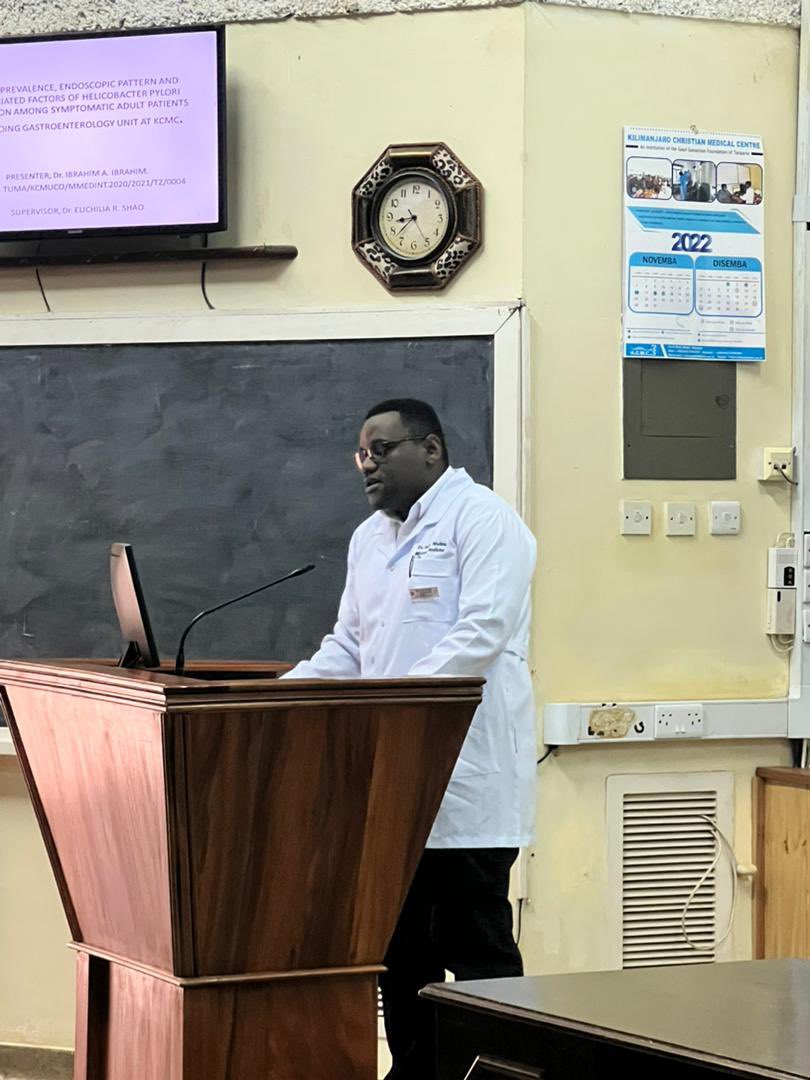
#MedicineKCMC | How can we improve diagnostic methods and efforts for better management of complications of H. pylori.
📝Message from Senior Resident - Internal Medicine | Dr Ibrahim
#EndNCDs | Senior resident - Dr Eugene Kamabu from department of internal medicine KCMC presenting her aim to study impact of diabetes mellitus among stroke patients.
First CME session by the department of internal medicine - KCMC.
THEME: Sodium-glucose transporter 2 inhibitors: utility beyond managing type 2 diabetes.
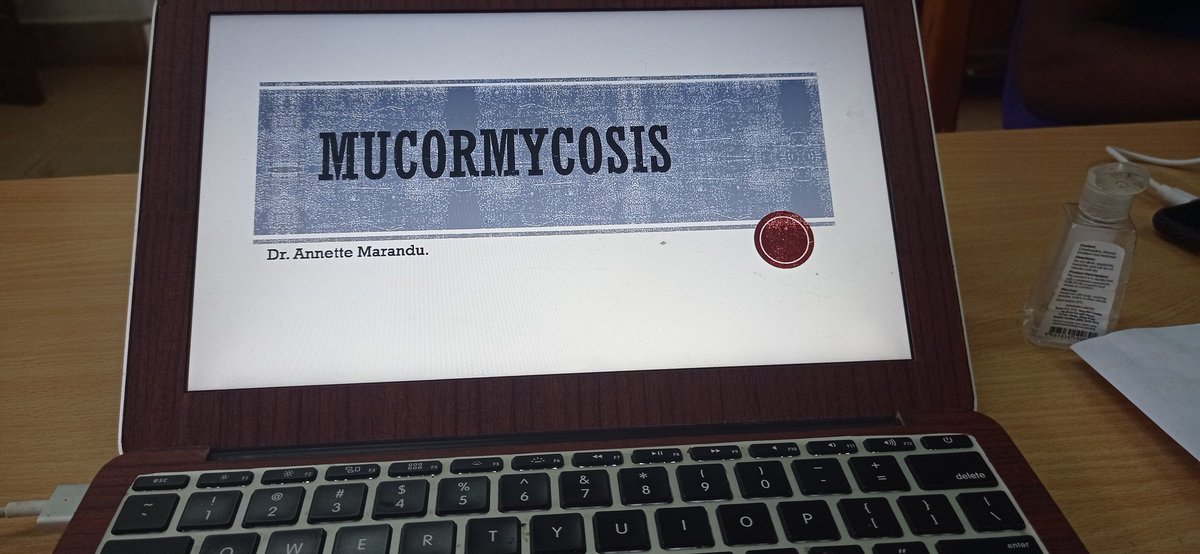
#ProfilesAtKCMC | Professional Development Discussion on Mucormycosis - The Black fungus
✍️ Fatal But Rare fungal infection, case from KCMC. By Dr. Annette
#Fungus
#ProfilesAtKCMC | "Tetanus a preventable disease yet still roaming around"
✅ Presentation from Dr. Mojo and Dr. Mganga on clinical management of #Tetanus , Areas to Improve.
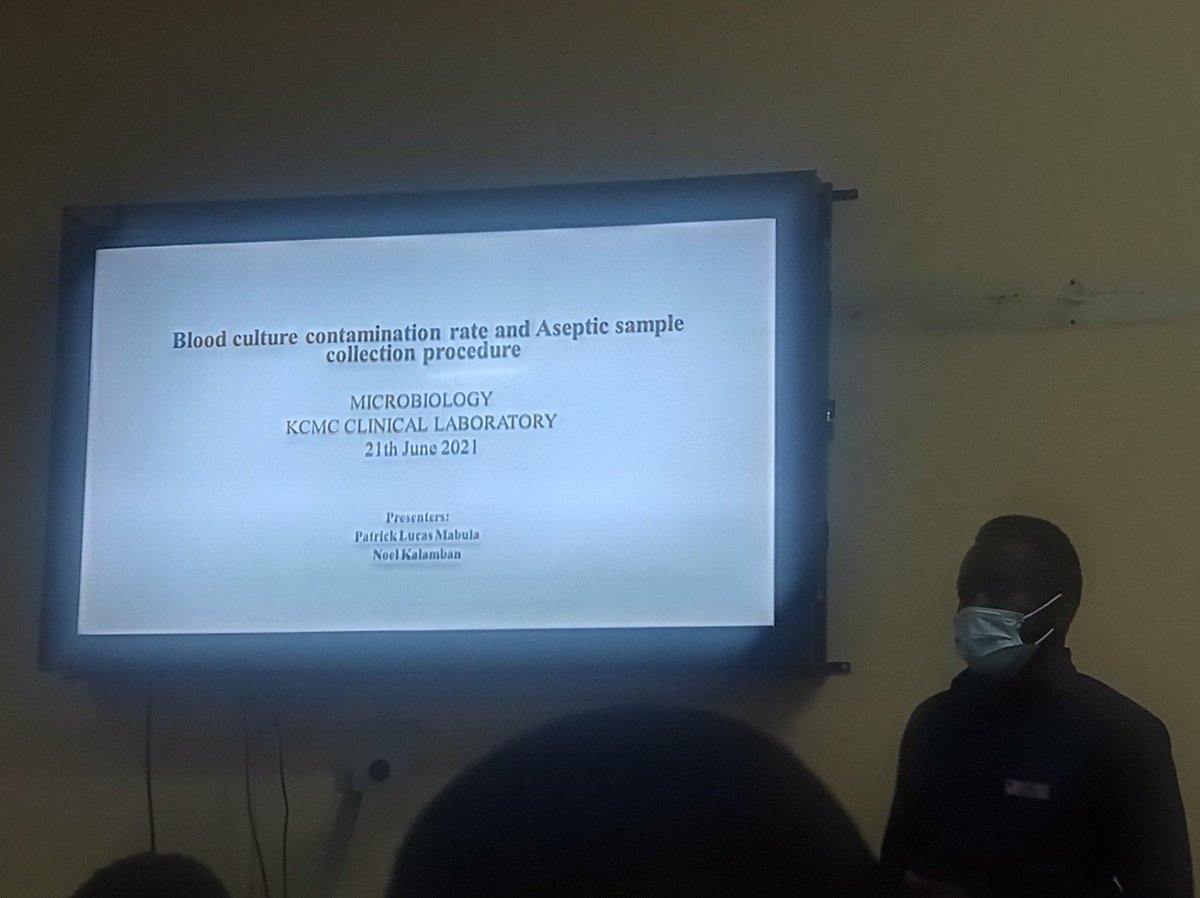
#QualityImprovement | LAB MEET DOCTORS
✅Special presentation from experts from laboratory to Internal Medicine on Blood culture contamination and Aseptic Sample Collection.
✍️ Aseptic Sample Collection Matters✅
Management of severe malaria comprises of four main areas
1⃣Rapid clinical assessment
2⃣Management of emergency condition
3⃣Specific antimalarial treatment
4⃣Supportive care.
#Malaria | Death from severe malaria often occurs within hours of admission to a hospital or clinic>
✍️ Therefore t is essential that highly effective management be achieved as soon as possible. | #TanzaniaNationalMaraliaGuidelines2020#EndMalaria
KEY MESSAGE --> 5 pillars in tackling AMR
1. Improve awareness/knowledge
2. Better surveillance and research
3. Reduce infections and spread of resistance by IPC
4. Optimize the use of antibiotics in humans and animals
5. Sustainable development in new antibiotics
#AntimicrobialResistance | "Rational antibiotic use in the clinical settings"
- Discussion on Antimicrobial stewardship with KCMUCo Internal Medicine Postgraduates led by Prof Quirijn from @Radboud_Uni
AMR Consequences
1. An empirical antibiotic may be incorrect or starting effective therapy too late
2. Need to use less effective drugs or more toxic drugs
3. Need to use more expensive drugs
4. Doom scenario: no effective drug available any more