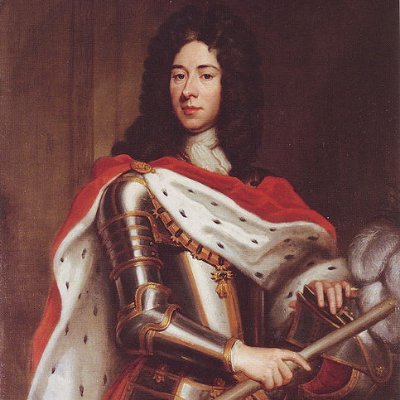
Bertrand De Born describing the tournament skills of Henry The Young King, the rebel son and heir of Henry II;
"He was the best king who ever took up a shield, the most daring and best of all tourneyers. From the time when Roland was alive, and even before, never was seen a knight so skilled, so warlike, whose fame resounded so around the world – even if Roland did come back, or if the world were searched as far as the River Nile and the setting sun."
The coronation of Edith of Wessex, the Queen of Edward The Confessor. Edith would be shunned for a time during her husband's ongoing struggle with powerful Earl Godwin, Edith's father, but the Earl would force himself back into power as well as oblige Edward to restore Edith to her regal status
Following his death in 899, Alfred The Great's ghost is said to have wondered the grounds of Old Minster, Winchester, where he was buried. The monks there are said to have been seriously unsettled by his "ghost", or perhaps just the tales of it's wonderings. William of Malmesbury, writing much later, gave little shrift to the stories, calling those who claimed to have seen Alfred's ghost or believed the stories inbred.
Ruins of Shaftesbury Abbey, Dorset. The abbey has some incredible history, founded by Alfred The Great. It housed the remains of Aelfgifu, the first wife of Edmund I whilst the tragic Edward The Martyr was reburied there having initially been laid to rest at Wareham whist Cnut died here in 1035.
Following the death of Sweyn Forkbeard, Aethelred The Unready was recalled to England to reclaim his throne;
"The (Viking) fleet all chose Cnut for king; whereupon advised all the counsellors of England, clergy and laity, that they should send after King Ethelred; saying, that no sovereign was dearer to them than their natural lord, if he would govern them better than he did before. Then sent the king hither his son Edward (a young Edward The Confessor who was still a child and had gone into exile with his father)with his messengers; who had orders to greet all his people, saying that he would be their faithful lord and would better each of those things that they disliked and that each of the things should be forgiven which had been either done or said against him; provided they all unanimously, without treachery, turned to him. Then was full friendship established, in word and in deed and in compact, on either side. And every Danish king they proclaimed an outlaw for ever from England. Then came King Ethelred home, in Lent, to his own people; and he was gladly received by them all."
The fact that Aethelred was said to be "dear" to the English is highly doubtful. At that particular time, it was probably considered better the throne was restored to an English king after the deeply unpleasant but brief reign of Sweyn. Having said that, Aethelred's son Edmund was growing in strength and prominence whilst Cnut, despite his background,ironically enough, would be a far better king than Aethelred.
In 1012, Aethelred The Unready made an agreement with Thorkell The Tall;
"Then submitted to the king five and forty of the ships of the enemy; and promised him, that they would defend this land, and he should feed and clothe them."
Desperate to protect his country any way he could from the Viking raids, Aethelred was prepared to go to any lengths. Thorkell would be with the king in 1013 as he tried to defend London from Sweyn Forkbeard;
". When he (Sweyn) came to the city (of London), the population would not submit; but held their ground in full fight against him, because therein was King Ethelred, and Thurkill with him."
Unfortunately for Aethelred, the tide was firmly against him and this "alliance" wouldn't last long.
In 1011, the Vikings laid siege to Canterbury and, thanks to a treacherous Archdeacon named Aelfmar, they made entry and caused their usual carnage;
"they beset Canterbury, and entered therein through treachery; for Elfmar delivered the city to them, whose life Archbishop Elfeah formerly saved. And there they seized Archbishop Elfeah, and Elfward the king's steward, and Abbess Leofruna and Bishop Godwin; and Abbot Elfmar they suffered to go away."
In short, Aelfmar had repaid Aelfheah who had saved his life by allowing the Archbishop, his city and many of its people to be taken prisoner. Aelfheah was a man of cosiderable resolve and he'd die a brave death the following year but Aelfmar's treachery was indicative of England at this time.