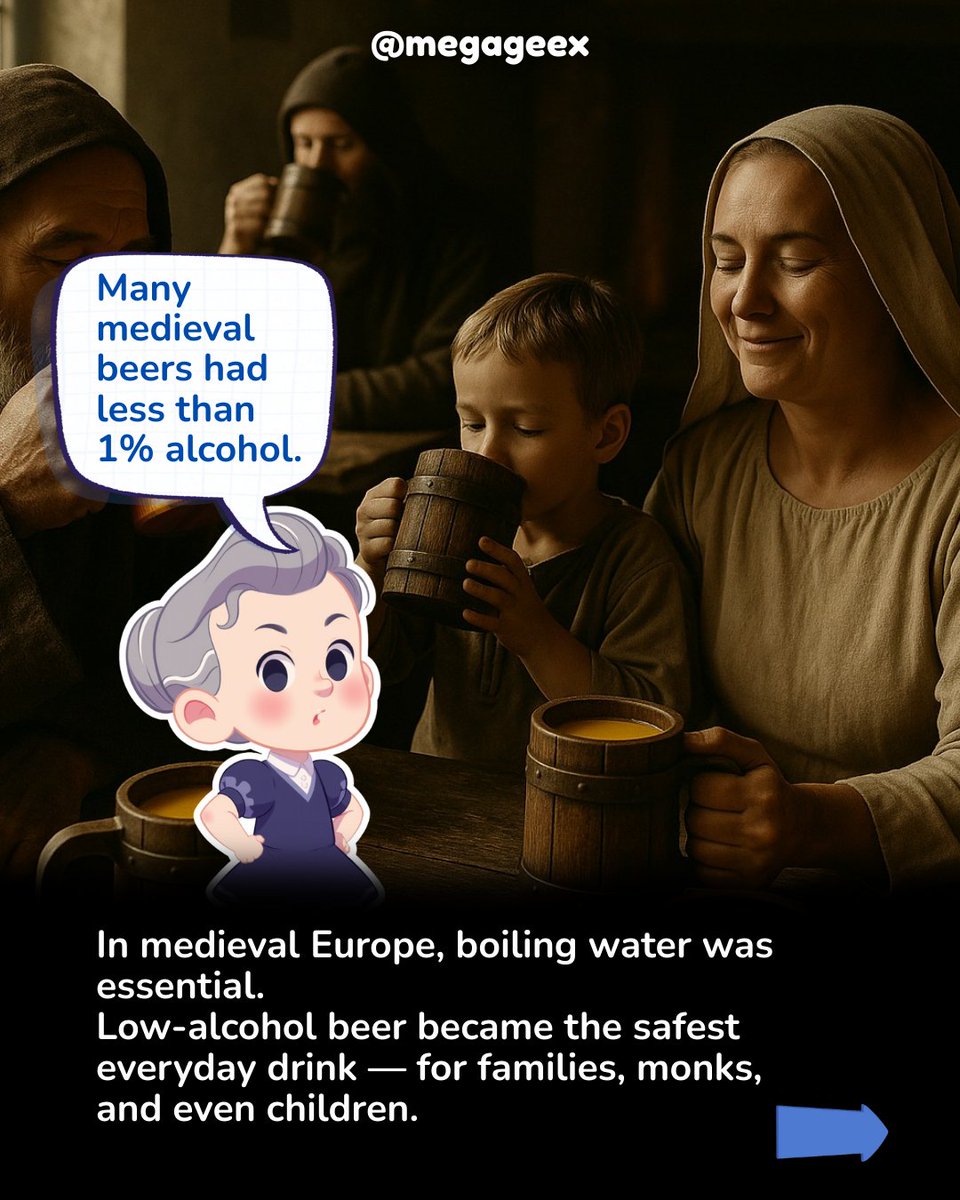
Beer wasn’t always just a drink.
For thousands of years, it was safer than water — feeding workers, families, and even children.
From ancient Mesopotamia to medieval Europe, beer helped people survive and build civilization.
#History#BeerHistory#AncientWorld#FoodHistory
Do you know who was the most prolific writer in history?
It was Lope de Vega. More than 1,500 works are attributed to him, written at a pace so extreme that his contemporaries thought it wasn’t human.
#Literature#History#Writers#DidYouKnow
Did you know the human “aura” is real?
The body emits an extremely faint light caused by normal cellular metabolism.
This phenomenon is called Ultraweak Photon Emission (UPE) — real light, invisible to our eyes.
#Science#HumanBody#Biology#Physics#DidYouKnow#Megageex
How many Oscars would Shakespeare have won?
Counting only direct adaptations and clear inspirations, his stories won 23 Academy Awards — from classic tragedies to modern films.
#Shakespeare#Oscars#CinemaHistory#Film
Why do many ancient paintings lack intense blue?
Because the pigment came from lapis lazuli — a rare stone that was more expensive than gold.
Art history is also the history of materials.
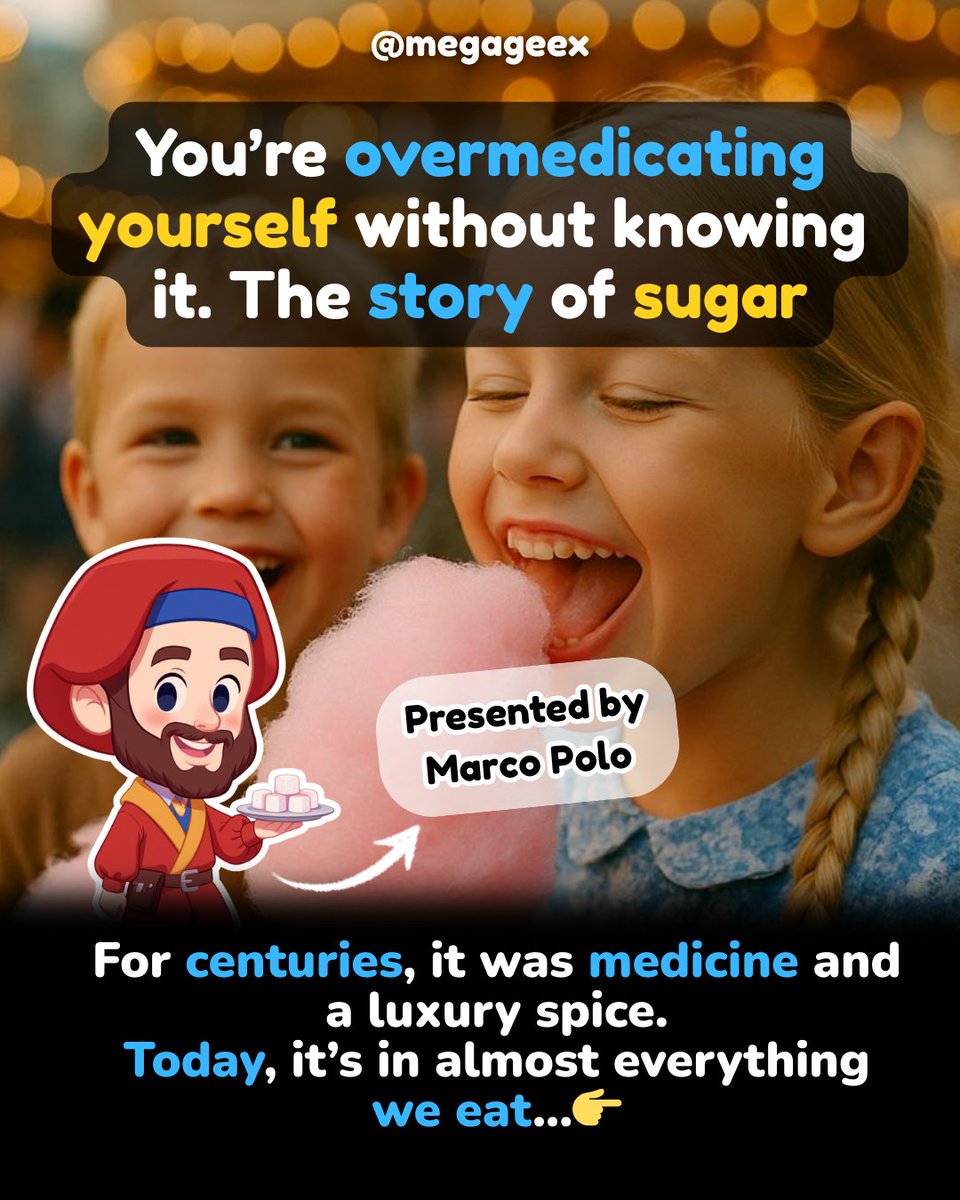
Sugar wasn’t always a treat.
For centuries, it was medicine — rare and carefully measured.
Once it became cheap, it became invisible.
Today it’s everywhere, and its impact isn’t instant — it’s cumulative.
Understanding the past helps us question the present.
#Sugar
Beer wasn’t always just a drink.
For thousands of years, it was safer than water — feeding workers, families, and even children.
From ancient Mesopotamia to medieval Europe, beer helped people survive and build civilization.
#History#BeerHistory#AncientWorld#FoodHistory
From a single bit (0 or 1)
to a yottabit
1,000,000,000,000,000,000,000,000 bits.
That’s about one trillion terabytes.
Everything digital we use today exists somewhere between those two extremes.
Chewing gum didn’t start as candy.
It started as tree resin.
When demand exploded, natural chicle couldn’t keep up — so it was replaced with synthetic polymers.
Today, most gum is closer to plastic than to trees.
So… what flavor of microplastics do you like?
#Microplastics
In the wild, survival often begins at birth — sometimes even before it.
Some must jump from cliffs without knowing how to fly.
Others face predators within minutes of hatching.
Some fight their siblings from the very first moment.
This isn’t cruelty.
It’s natural selection.
Toilet paper began as an imperial luxury.
When it reached the West, people refused to talk about it.
Advertisers couldn’t name it, and buyers hid their shame.
The real breakthrough wasn’t the roll — it was overcoming the prejudice.
Sugar wasn’t always a treat.
For centuries, it was medicine — rare and carefully measured.
Once it became cheap, it became invisible.
Today it’s everywhere, and its impact isn’t instant — it’s cumulative.
Understanding the past helps us question the present.
#Sugar
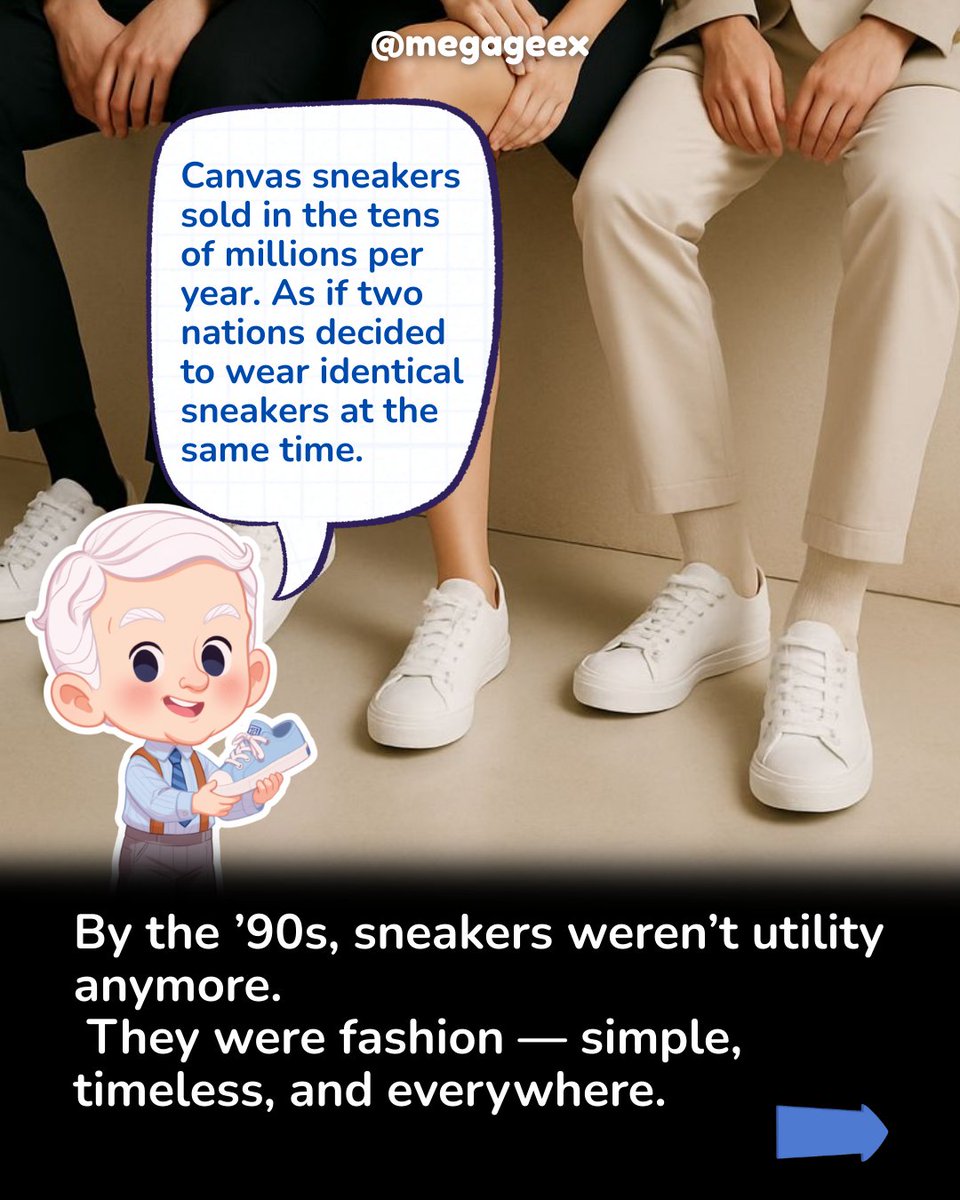
Sneakers didn’t start in sports.
They began in prisons and psych hospitals ,cheap, silent, and built for control.
Kids turned them into freedom.
By the ’90s, canvas sneakers sold in tens of millions a year, enough for whole countries to switch to canvas.
#Sneakers#History
In 1843, Ada Lovelace programmed for an imaginary machine that could process numbers, music, and text.
She created the first software in history for a machine that had not yet been built.
#AdaLovelace#ComputerHistory#FirstProgrammer#SoftwareHistory
Chewing gum didn’t start as candy.
It started as tree resin.
When demand exploded, natural chicle couldn’t keep up — so it was replaced with synthetic polymers.
Today, most gum is closer to plastic than to trees.
So… what flavor of microplastics do you like?
#Microplastics
Coffee wasn’t always a morning ritual.
It began with jumping goats, was banned as an intoxicant, stolen by empires, and grown through forced labor across the colonies.
Behind every cup, there’s a history the world tried to hide. ☕️📜
#History#Coffee#DidYouKnow#Colonialism
Toilet paper began as an imperial luxury.
When it reached the West, people refused to talk about it.
Advertisers couldn’t name it, and buyers hid their shame.
The real breakthrough wasn’t the roll — it was overcoming the prejudice.
Sneakers didn’t start in sports.
They began in prisons and psych hospitals, cheap, silent, and built for control.
Kids turned them into freedom.
By the ’90s, canvas sneakers sold in tens of millions a year, enough for whole countries to switch to canvas.
#Sneakers#History