New paper about the functioning of saber teeth led by the amazing @TIPollock 🥳 combining 3DGM with biomechanical testing we identified functional optimality as a key driver underpinning the repeated evolution of extreme saber-tooth morphologies 🔪🦁 https://t.co/FmZYXaMwdM
Lopatin, A.V., Sotnikova, M.V., Klimovsky, A.I. et al. Mummy of a juvenile sabre-toothed cat Homotherium latidens from the Upper Pleistocene of Siberia. Sci Rep 14, 28016 (2024). https://t.co/CrIoZb6xCv
Gomphotheres -- extinct relatives of #elephants -- crossed a land bridge over the Bering Sea and arrived in North America approximately 15 million years ago. A new paper examines their subsequent fossil record and evolutionary history in #Texas and revises their biochronology.
Ready those boots for another episode of the Extinct Park Service! This time featuring Hyperodapedon sanjuanensis in Southern Gondwana 227 million years ago!
The second featured creature of this video is the Jaguar (Panthera onca). This big cat is first known from the Pleistocene and is still around today!
See the Jaguar of 18,000 years ago in the first installment of the Extinct Park Service on August 1st on our YouTube channel!
Harlan’s Ground Sloth (Paramylodon harlani) is the first featured creature in this video! As cute as he is, this sloth weighs in at just over a ton and has some giant claws to match. So, cuddling is 🙅♂️NOT🙅♂️recommended!
See this fuzz ball on August 1st on our YouTube channel.
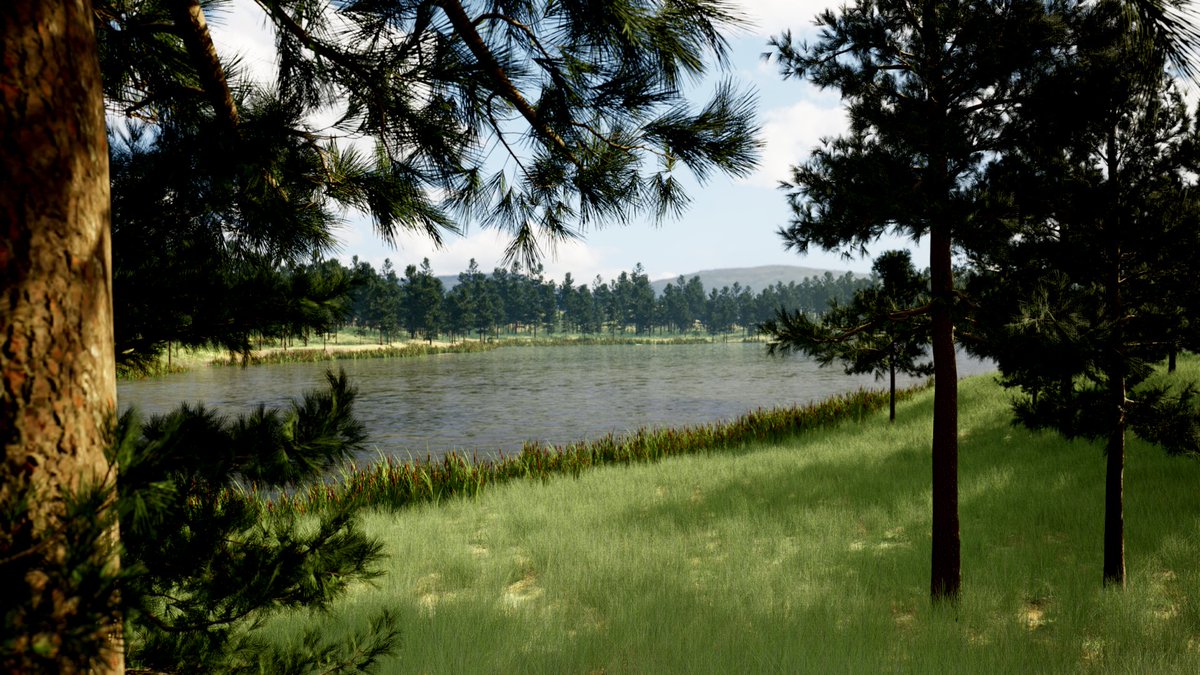
The Yellow Pine Parkland is where this video’s featured creatures call home! About 18,000 years ago, this is what much of Northern Arizona looked like!
Catch the first episode of the Extinct Park Service on August 1st on our YouTube channel!
Meet Ranger Nic! As a Ranger with the Extinct Park Service, Nic works in the field to showcase ecosystems from across natural history.
Stay tuned for the first episode of the Extinct Park Service dropping August 1st on YouTube!
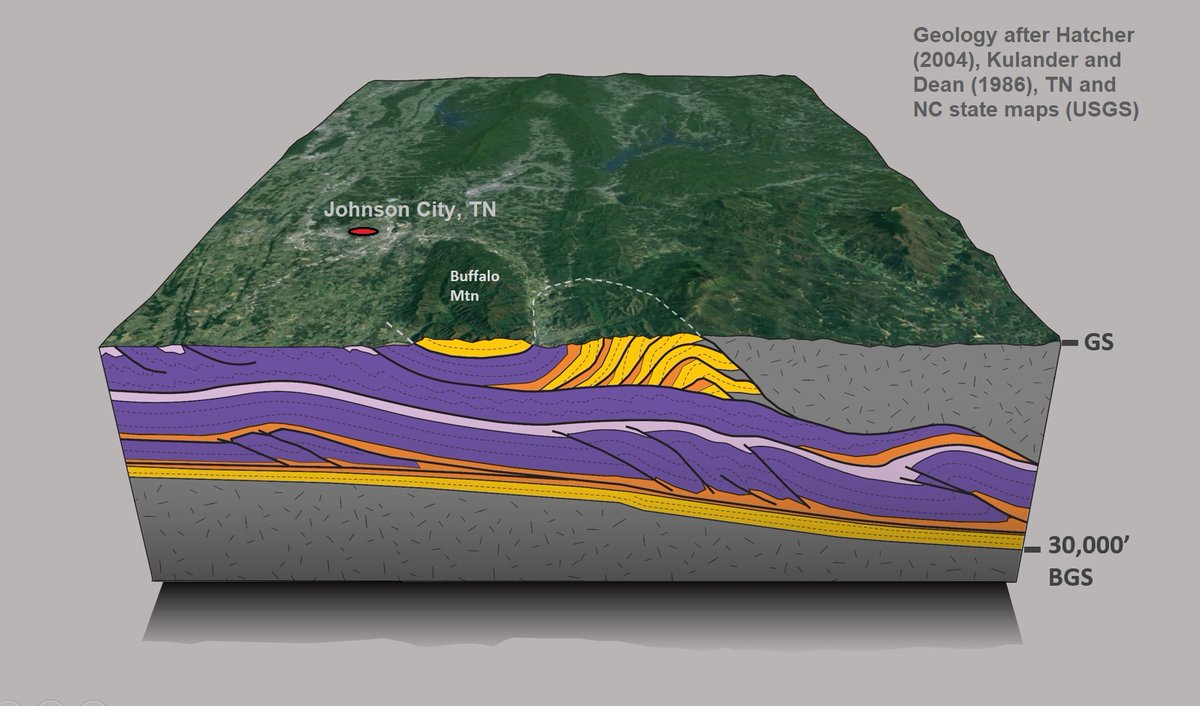
Appalachian block diagram for the Johnson City, TN, area. This is a synthesis of several published studies, fit to Google Earth. Topographic relief is scaled accurately to structural thickness. The main event is the yellow/orange antiformal stack and the Buffalo Mountain klippe.