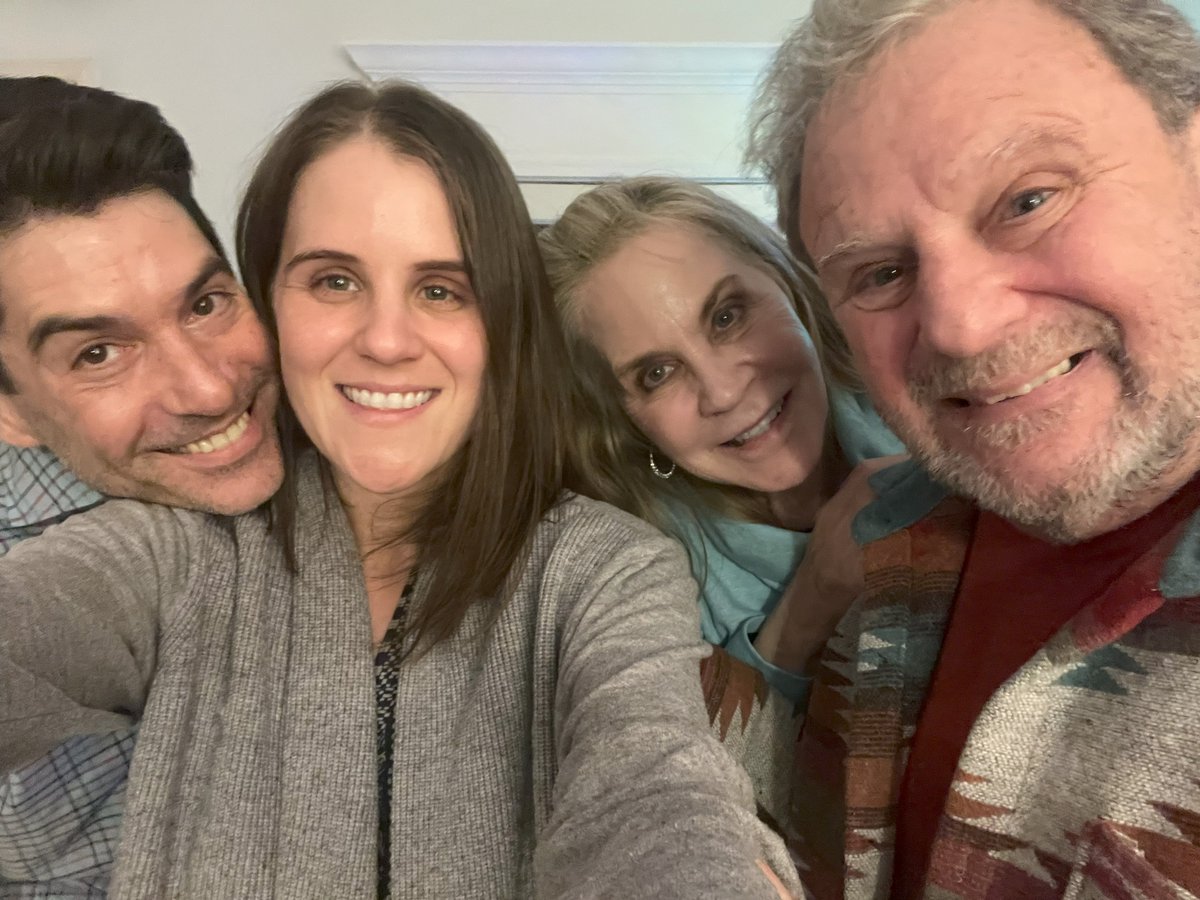
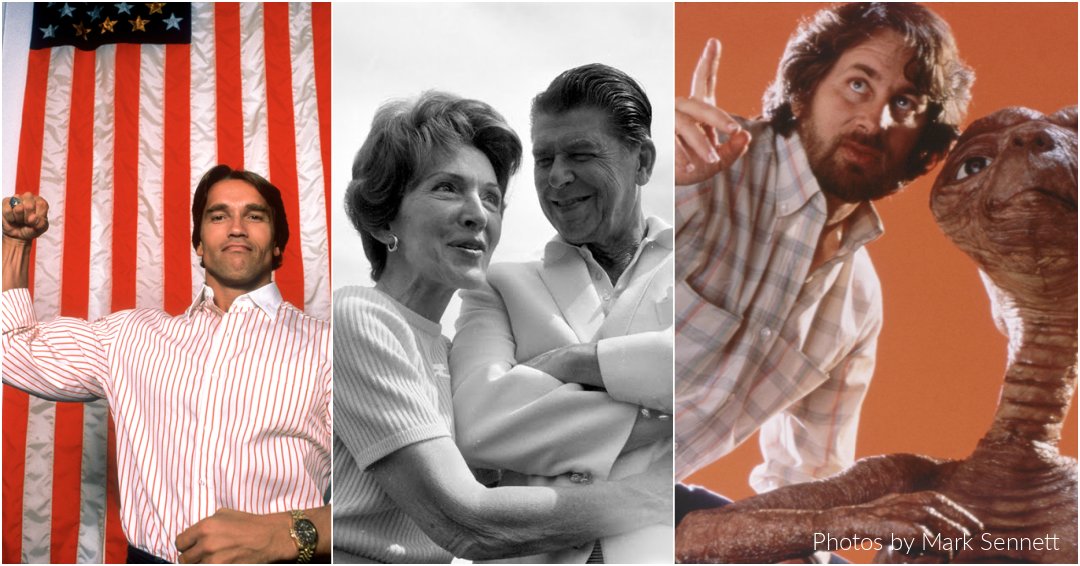
For over 25 years Mark Sennet photographed the most recognized faces across the globe including U.S. presidents, the British royal family, sports legends and Hollywood icons. In 2022, he was diagnosed with Alzheimer’s.
Now Mark is working on a new project – a coffee table book aimed to send a message of hope. He plans to include celebrities and other individuals who have been impacted by Alzheimer’s, as well as physicians and researchers working toward a cure.
Read Mark’s story: https://t.co/qAVxw0rvhO. #NationalPhotographyDay
“I saw this big group in purple Alzheimer’s Association sashes. I walked up to one of them, and I just started crying on the street and they put their arms around me. At the time I was in the thick of caregiving for my husband who was living with dementia.”
While visiting Washington D.C. with her students, Debra Adams came upon a group of #ENDALZ advocates and was moved to tears.
Today, Debra is here at #alzforum as an advocate from Alaska in honor of her all those impacted by Alzheimer’s and other dementia. 💜
❌ FALSE: “For 20 years…we were directing Alzheimer’s research to one hypothesis. And any other hypotheses were shut down.” - Sec. Kennedy
Over the last decade, less than 14% of new National Institutes of Health (NIH) Alzheimer’s projects focused on amyloid beta as the therapeutic target. Thanks to bipartisan support for Alzheimer’s and dementia research funding, scientists at the NIH have been able to explore a wide area of research. As of September 2024, the National Institute on Aging was investing in 495 pharmacological and non-pharmacological trials.
In addition, extensive research is underway to uncover ways to prevent Alzheimer’s and other dementia. Identifying methods of prevention could save millions of lives and greatly reduce health care costs for families, Medicare and Medicaid.
Read our full statement calling on Sec. Kennedy to stop spreading harmful Alzheimer’s myths: https://t.co/6X5dWxbuug.
Cuts made today by the Department of Health and Human Services (HHS) may undermine our nation’s response to the dementia public health crisis. Read our statement: https://t.co/0zsALlAOWX.
.@reptimburchett Please reaffirm your commitment to the dementia community by supporting policies to ensure our progress in dementia research, treatment, care and support for caregivers continues! #ENDALZ
.@senatorhagerty We must continue to prioritize the well-being of the nearly 7 million Americans living with Alzheimer’s, their caregivers, and the millions more who will be impacted by dementia! #ENDALZ
.@marshablackburn Please reaffirm your commitment to the dementia community by supporting policies to ensure our progress in dementia research, treatment, care and support for caregivers continues! #ENDALZ
NEW: The FTC has finalized its “Click to Cancel” rule – which will require companies to make it as easy to cancel a subscription as it is to sign up.
Unwanted subscriptions add up for Americans, and our Administration is taking action to save families time and money.
BREAKING NEWS: The House just passed reauthorization of the bipartisan #BOLDAlzheimersAct! 🎉
Thank you to our advocates who helped advance this critical legislation to empower our nation’s health departments to address Alzheimer’s and other dementias in their communities. ➡️Next up, the bill heads to the Senate!
UPDATE: Thanks to advocates like you 💜, the House will hold a vote on the #BOLDAlzheimersAct this Tuesday! 🚨 BUT urgent action is still needed to advance the bipartisan #NAPAAct and #AlzInvestmentAct. Act now ➡️ https://t.co/C4xWD9Supy!
We need your action on this, @timburchett! Please support a House floor vote on these bipartisan bills to build on our progress in the fight to end Alzheimer’s. #ENDALZ
The Senate unanimously passed the bipartisan #NAPAAct and #AlzInvestmentAct. Now we need the House to do the same! Tell your representative to recommit to the fight to #ENDALZ. https://t.co/C4xWD9T2f6
I passed a bipartisan law to break up the hearing aid monopoly.
Now millions of Americans with hearing loss can save thousands of dollars on hearing aids without a doctor visit.
It’s an example of how competition policy lowers costs, spurs innovation, and delivers more choices.