CEO @Americanfort_io, Life hax0r, multi-patented inventor, husband, EMT, SAR, HAM, pilot, eng, river runner, maker, skier, guitarist, hunter and fitness fanatik
@bitbrainers@CoinDesk You’re not reading that paper correctly - it clearly states that the money does need to move to a new address. In the AF tech it doesn’t and AF works on all chains. “quantum resistant” addresses are a whole new type of address.
The authors are me and the AF team. We published the Ed25519 version of the tech referenced in the article today. The secp256k1 version we’re almost done with, we confirmed it works already and we’ll be publishing that shortly. With the secp256k1 version there are two variants of protection…
1. Any address derived with BIP-32 (which should be all the money in crypto except the oldest of old wallets that were pre BIP-32 paper wallets) is automatically quantum protected with no funds migration by the user and that has a 9 second proving time.
2. We have a new QBIP-32 for secp256k1 which is a new HD derivation standard that does the same thing as above but does it in under 100ms and also works with standard ECDSA signing.
So the general deployment idea is that paper wallets move funds to BIP-32 before q-day (our expert opinion on when that is 2032) and users on their next transaction use QBIP-32 for more future speed. QBIP-32 will work today with millisecond derivation time of the address and can be traditionally signed (again milliseconds) and 100ms quantum proving time when the nodes decide it’s q-day. The nodes can decide whether to spend you need the old school ECDSA sign (BIP-32 or QBIP-32) or both or just quantum. In any case where the money is going and addresses can stay the same forever.
QBIP-32 keys will be indistinguishable from regular BIP-32 keys or even just randomly generated keys except for the ability to produce ZPKs. Nobody can look at the public keys and know how they were derived.
@conor64 Having lived amongst the LA insanity and watching it get worse and worse over a decade this is totally right. I don’t live in LA anymore - there should be some way to vote for mayor if you moved out because of all the shitty mayors and an even worse governor.
The average user has 1 wallet they consider "their main one."
That wallet has been doxxed to:
— their cex
— their dex
— their friends
— their browser
— their isp
— anyone who paid for the data
The headstone is already engraved.
Quantum computers will eventually be able to drain any wallet whose public key has been exposed on-chain. That's basically everyone.
We just filed the patent to fix it and raised $8M to make sure it gets built.
Quantum-resistant transaction signing, embedded directly into our Send-to-Name™ infrastructure, so every transaction is protected before the threat arrives, not after.
AmericanFortress™ is the first naming and privacy layer to get here, and we're just getting started.
Check out the news on @Investingcom below.
@almasjustine@Americanfort_io You’re right - our tech on the UTXO side can’t know your balances. On EVM side we use Infura and Infura can track your info although we don’t do it. At some point we’ll setup a cfilter version of Infura.
Those last 42-60 characters of your wallet address?
They’re basically your crypto tattoo.
Everyone sees it.
Tracks it.
Profiles it.
Swap them for a FortressName.
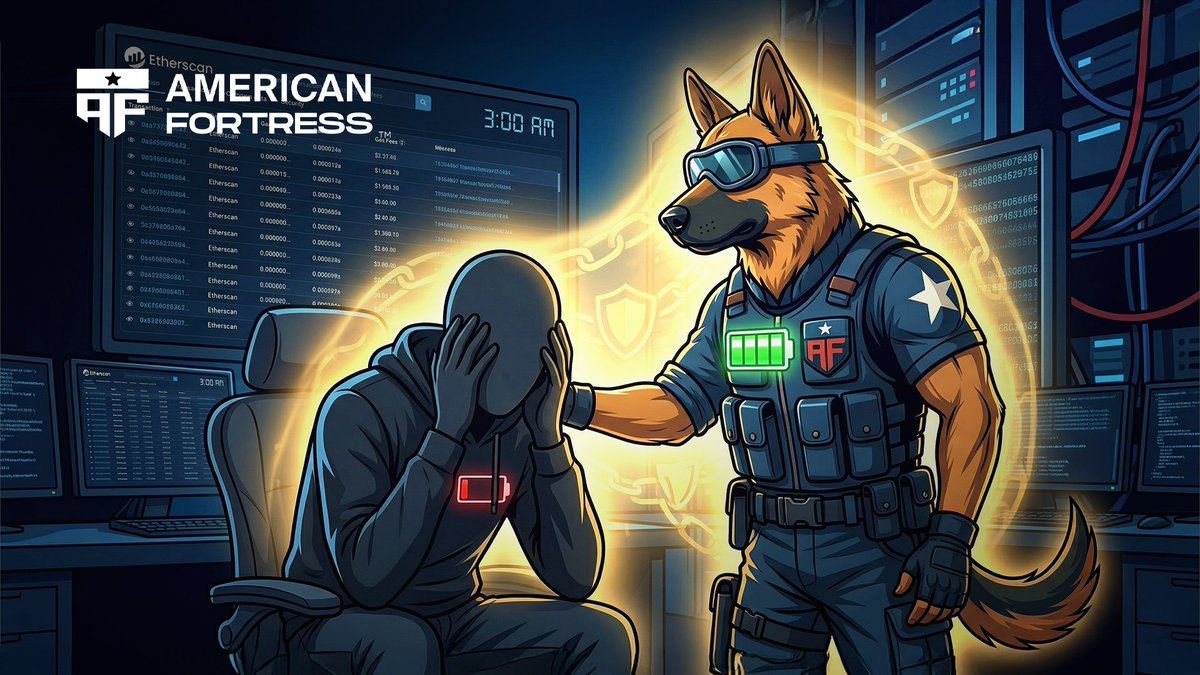
Phishing does not begin with a fake link.
It begins with visibility.
If attackers can see your wallet, study your behavior, and map your counterparties, the setup already started.
AmericanFortress reduces that exposure.
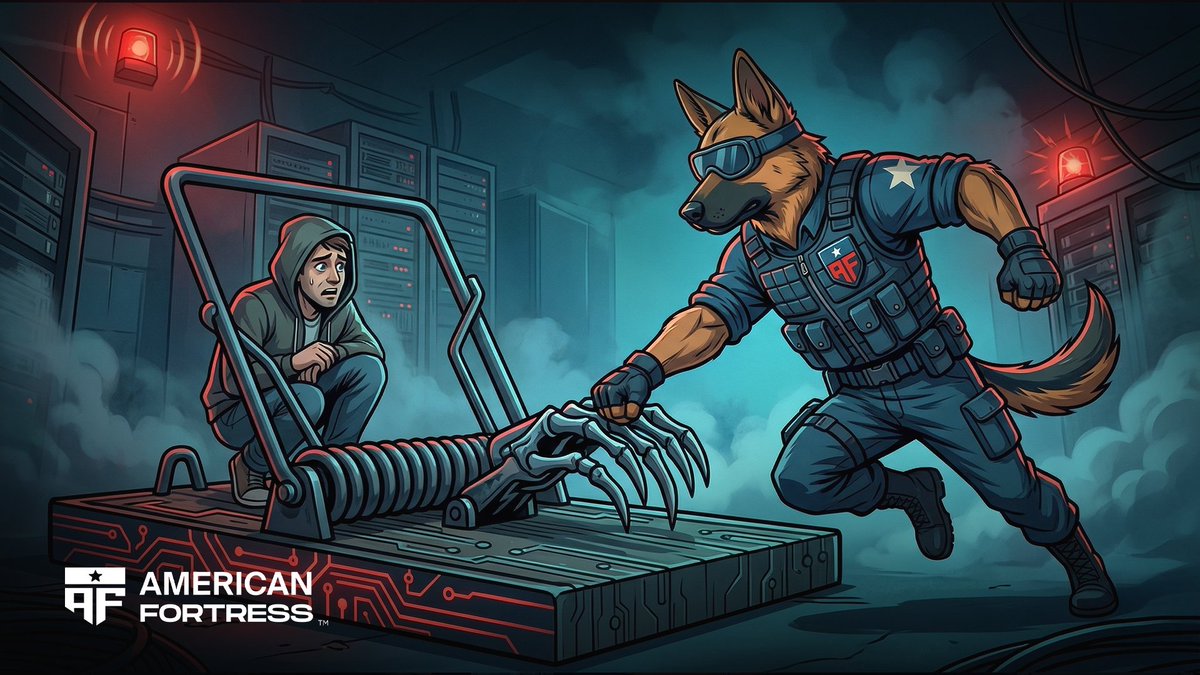
The trap doesn't look like a trap.
It looks like a familiar address.
It looks like your transaction history.
It looks completely normal.
Until it isn't.