As AI firms recklessly unleash hacking agents across the internet, longstanding cybersecurity vulnerabilities are being exploited with even greater ease and frequency.
Hackers who compromise accounts or expose sensitive data can upend people’s lives.
This is not happening in a legal vacuum, and businesses across sectors face real legal duties.
At @FTC we routinely brought lawsuits against firms whose lax data security practices led to major hacks, exposing people to identify theft, stalking, and serious data misuse.
1. AI firms that are unleashing hacking agents could be held liable for engaging in “unfair or deceptive” practices under the FTC act and state UDAP laws, as well as other statutes.
2. Businesses whose systems get hacked because they’ve failed to follow basic security protocols may also be liable for failing to implement reasonable safeguards. Bad actors may be the ones exploiting these vulnerabilities, but that doesn't absolve businesses from having allowed the vulnerabilities to persist in the first place.
Here is a list we published of some basic security vulnerabilities businesses have a legal obligation to patch up: https://t.co/nCy7z79sVZ
3. CEOs can also be personally liable for presiding over lax data security practices, as we held in our case against Drizly: https://t.co/KjRye8y9SY
4. Lastly, businesses that suffer hacks or breaches must alert any affected parties with clear disclosures that are timely, accurate, and actionable. Failing to disclose security breaches can also violate the law: https://t.co/kd4ds1idef
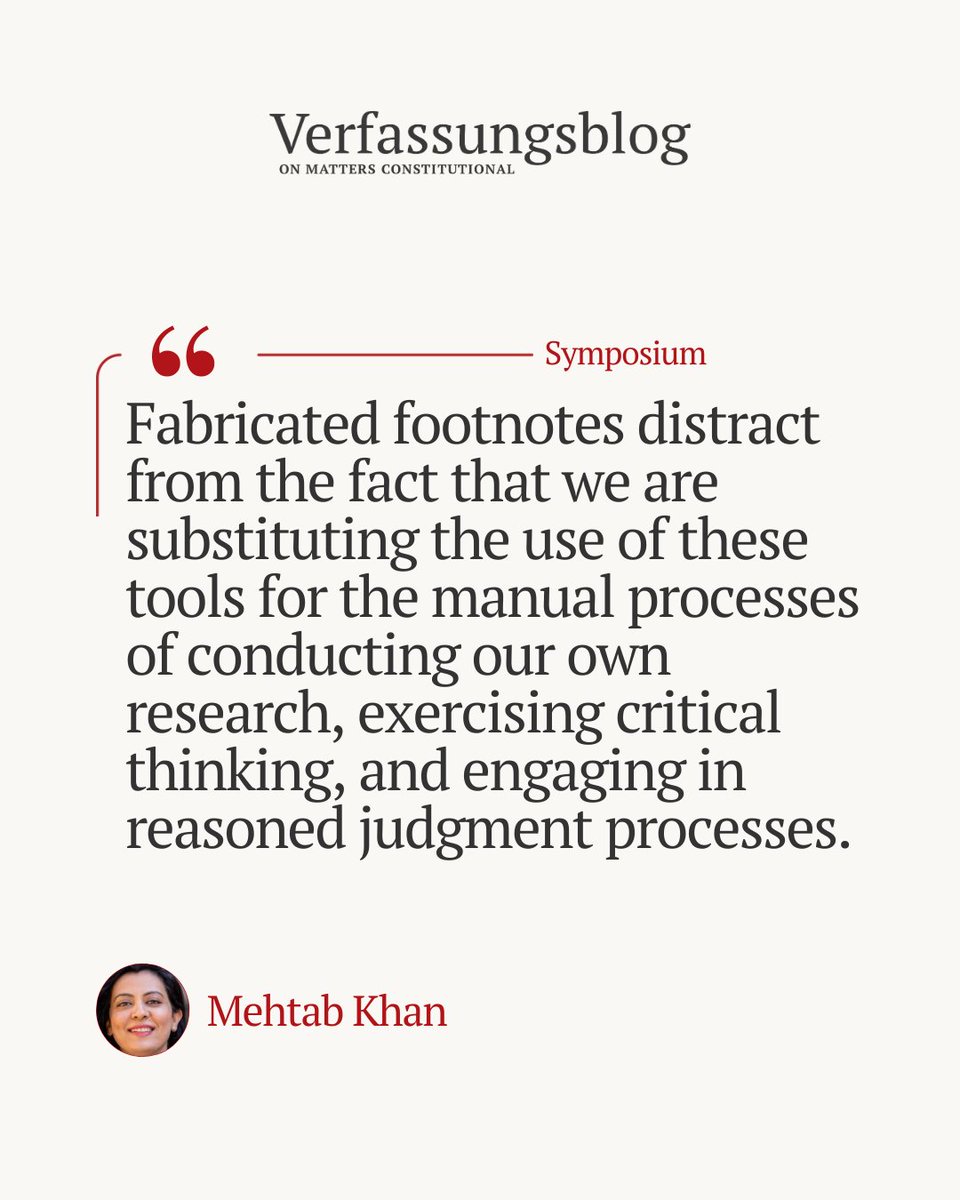
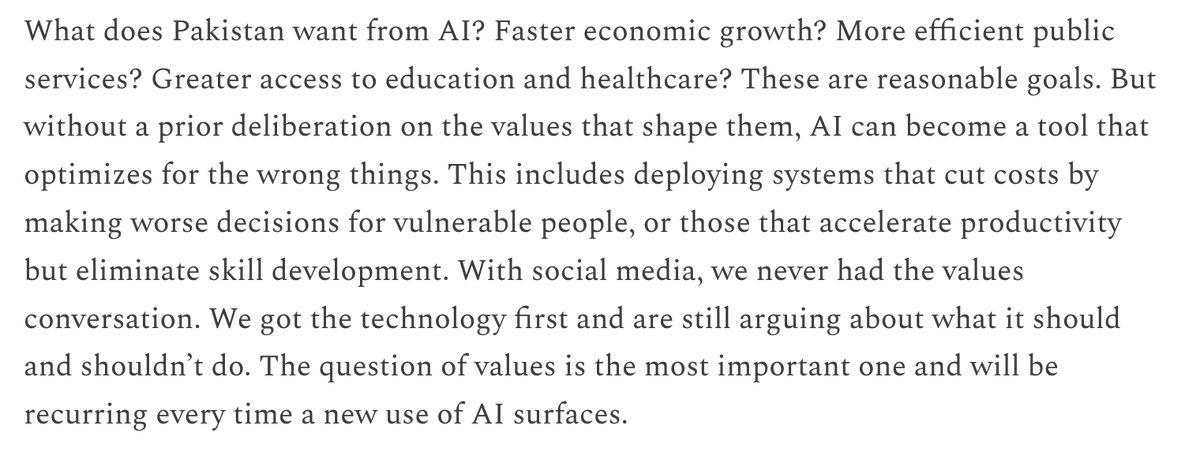
Happy to share this piece that I wrote for the Verfassungsblog Symposium on "Thinking Machines, Thinking Lawyers."
I argue that AI interfaces serve as "knowledge intermediaries" for lawyers and academics and explore the impact on knowledge institutions
https://t.co/llVMHHByQX
- The metaphors we use to describe AI capabilities matter; "rogue" "scheming" models capable of "wiping out humanity" distracts from the fact that we can shape decisions about how to design them and who gets access to them.
Join me on Capital Tonight at 7 from DC:
-Trump's $5,000 promise - is it legal?
-What Michael Whatley said at Republican convention
-Will AI kill humans? Is Congress dropping the ball?
-Former NC governors line up to support Josh Stein in court challenge against General Assembly
-2 documentarians on the 9/11 anniversary
Guests:
@reenajade@ReneeRomo_B@ZachTuckerTV@Mehtabkn
See you at 7! #ncpol #ncsen
Excited to host our first virtual office hours as the PLSC Junior Scholars Council.
We would love to meet junior scholars in the field and answer any PLSC-related questions.
Tuesday, November 18th at 13:30 EST https://t.co/ZHV4RTyQ2V
Looking forward to leading a roundtable discussion on Copyright, Creativity & AI at the @NeurIPSConf "Workshop on Creativity and Generative AI";
Sat Dec 14 at 4 pm (PT)
Registration for the roundtable is free: https://t.co/mGi2RNJJ3D
Do you speak Tamil and research/have thoughts on social media and content moderation? Continuing our work on non-English content moderation, we're looking at users' experiences online and Tamil is moderated online. Get in touch: [email protected] https://t.co/FnaNKX96nn
I am incredibly excited to finally announce that you can now register for the Color of Surveillance conference organized with by Center on Privacy & Technology (@GeorgetownCPT), the Center for Race and Digital Justice & @DAIRInstitute.
Register at https://t.co/9cQi86EGyR
Reminder to join us for free in person at CSU Law or online for the annual IP+ Conference. Our keynote is Commissioner for Patents Vaishali Udupa
Register here: https://t.co/ZSZJmdnZYj
Big thanks to our sponsors: John Cipolla; Hilco Streambank; Tarolli; and Renner Otto
Looking forward to moderating a session on Minority Copyright Owners and the impact of AI at @BerkeleyLawBCLT Race + Tech Symposium
https://t.co/7xBTi3Zgsi